Table of Contents >> Show >> Hide
- What Is an Acne Facial?
- Can Facials Really Help Acne?
- 6 Types of Facials for Acne
- General Steps in a Professional Acne Facial
- How to DIY an Acne Facial at Home Safely
- What Not to Do During an Acne Facial
- How Often Should You Get a Facial for Acne?
- Who Should Avoid Acne Facials?
- Best Ingredients for Acne-Prone Skin
- When to See a Dermatologist
- Real-Life Experiences and Practical Lessons from Acne Facials
- Conclusion
Editorial note: This article is for educational purposes only and should not replace advice from a board-certified dermatologist, especially if you have painful cystic acne, scarring, pregnancy-related acne concerns, or irritation that keeps getting worse.
Acne has a dramatic sense of timing. It shows up before school photos, job interviews, first dates, weddings, vacations, and every event where your face is expected to behave like a polite member of society. That is exactly why acne facials are so popular: they promise clearer pores, calmer skin, smoother texture, and a little “I have my life together” glow.
But here is the honest truth: a facial for acne is not magic in a steamy towel. It can help, especially when it includes the right cleansing, exfoliation, extractions, calming ingredients, and aftercare. However, the wrong facialor an overly aggressive DIY experimentcan make acne angrier than a cat in a bathtub.
This guide explains six common types of facials for acne, what happens during a professional treatment, how to do a safer acne facial at home, what to avoid, and when it is smarter to see a dermatologist. Think of it as your no-nonsense skincare map, with fewer myths and more pore-level common sense.
What Is an Acne Facial?
An acne facial is a skin treatment designed to help manage clogged pores, excess oil, blackheads, whiteheads, mild inflammatory pimples, uneven texture, and post-breakout dullness. Unlike a spa facial focused only on relaxation, an acne facial usually has a clearer goal: reduce congestion without wrecking the skin barrier.
A professional acne facial may include deep cleansing, skin analysis, gentle exfoliation, steam, extractions, a treatment mask, LED light therapy, acne-safe hydration, and sunscreen. Some clinics may also offer stronger options such as salicylic acid peels, glycolic acid peels, microdermabrasion, or laser and light-based therapies.
The best acne facials are customized. Oily teenage skin with blackheads needs a different approach than dry adult skin with hormonal breakouts. Sensitive skin with redness needs a different plan than thick, oily skin that tolerates exfoliation well. Good skincare is personal; your face is not a copy-and-paste document.
Can Facials Really Help Acne?
Facials can help some types of acne, especially clogged pores, blackheads, whiteheads, mild breakouts, oil buildup, rough texture, and dullness caused by dead skin cells. They may also support a broader acne routine by improving product absorption and removing debris that can contribute to congestion.
However, facials are usually not enough for moderate to severe acne. Deep cysts, painful nodules, widespread inflammation, and acne that leaves scars often need medical treatment. Dermatologists commonly use evidence-based options such as benzoyl peroxide, topical retinoids, topical antibiotics, oral antibiotics, hormonal therapies, or isotretinoin depending on the case.
In other words, an acne facial can be a helpful supporting actor. It should not be forced into the lead role when your skin needs a dermatologist-level plot twist.
6 Types of Facials for Acne
1. Classic Deep-Cleansing Acne Facial
A classic deep-cleansing facial is often the entry-level option for acne-prone skin. It usually includes cleansing, exfoliation, steam, manual extractions, a calming mask, lightweight moisturizer, and sunscreen.
This type of facial is best for blackheads, whiteheads, oily skin, and mild congestion. The key step is often extraction, where a trained professional removes clogged material from pores using sterile tools and proper technique. Done correctly, extractions can make pores look clearer. Done aggressively, they can cause swelling, broken capillaries, dark marks, or scarring.
If you choose this type of facial, ask whether the provider has experience with acne-prone skin. A relaxing spa treatment is nice, but acne needs strategy, not just cucumber water and confidence.
2. Chemical Peel Facial
Chemical peel facials use acids to exfoliate the skin and help loosen dead cells that can clog pores. For acne-prone skin, common peel ingredients include salicylic acid, glycolic acid, lactic acid, mandelic acid, or combinations chosen by a professional.
Salicylic acid is especially popular for oily and acne-prone skin because it can enter oily pores and help clear congestion. Glycolic acid may help with texture and post-acne dullness. Mandelic acid is often considered a gentler option, especially for sensitive skin or deeper skin tones that are more prone to post-inflammatory hyperpigmentation.
Light chemical peels may improve mild acne and uneven tone, but results are temporary and usually require a series of treatments. Strong peels should not be treated like casual skincare. High-concentration acids can burn the skin, worsen discoloration, or cause scarring when used incorrectly.
3. LED Light Therapy Facial
LED facials use visible light, commonly blue light, red light, or a combination of both. Blue light is often used for acne because it can target acne-related bacteria near the skin surface. Red light may help calm visible redness and inflammation.
LED light therapy is generally noninvasive and does not involve squeezing or peeling. It is usually best for mild to moderate inflammatory pimples rather than blackheads, whiteheads, cysts, or nodules. At-home LED devices are typically less powerful than professional devices, so they require consistency and realistic expectations.
This facial is a good option for people who want a lower-irritation treatment. Still, anyone with light sensitivity, certain medications, eye concerns, or melasma should ask a professional before using LED therapy.
4. Microdermabrasion Facial
Microdermabrasion uses a device to gently remove the uppermost layer of dead skin. It may help improve dullness, roughness, superficial texture issues, and the appearance of mild acne marks. It is not the best choice for inflamed, active, painful acne.
For someone with mostly clogged pores and post-breakout uneven texture, microdermabrasion may leave the skin looking smoother. But if your face is covered in red, swollen pimples, rubbing and suction may make irritation worse. Acne-prone skin does not always appreciate being sandblasted, even politely.
Microdermabrasion should be performed by someone trained to recognize when the skin barrier is already compromised. After treatment, sunscreen is non-negotiable because freshly exfoliated skin is more sensitive to sunlight.
5. Hydrating and Barrier-Repair Facial
Not all acne facials should be about “drying out” the skin. In fact, many acne routines fail because people attack their face with harsh cleansers, scrubs, acids, and spot treatments until the skin barrier waves a tiny white flag.
A hydrating acne facial focuses on calming and repairing the skin. It may include gentle cleansing, soothing serums, niacinamide, hyaluronic acid, aloe, ceramides, lightweight moisturizers, and non-comedogenic sunscreen. This type is ideal for people using retinoids, benzoyl peroxide, or prescription acne treatments that can cause dryness and peeling.
Healthy skin barrier function matters because irritated skin can look redder, feel stingy, and tolerate acne treatments poorly. Sometimes the most productive acne facial is not the one that does the most. It is the one that stops your skin from acting like it has been through a dramatic breakup.
6. Back or Body Acne Facial
Acne does not always stay on the face. Back acne, chest acne, and shoulder breakouts are common, especially in people who sweat, wear tight clothing, use heavy body lotions, or have naturally oilier skin.
A body acne facial may include deep cleansing, exfoliation, steam or warm towels, extractions, salicylic acid treatment, a clarifying mask, and lightweight hydration. These treatments can be helpful before events where the back or shoulders are visible, but they work best when paired with daily habits.
For body acne, showering after sweating, wearing breathable clothing, using non-comedogenic body products, and washing workout clothes regularly can make a big difference. If body acne is painful, widespread, or scarring, a dermatologist can recommend stronger options.
General Steps in a Professional Acne Facial
Step 1: Skin Consultation
A good acne facial starts with questions. The provider should ask about your skin type, current products, prescription medications, allergies, recent peels, sun exposure, pregnancy status if relevant, and whether you use retinoids or acne medications. This matters because some treatments should not be combined.
Step 2: Cleansing
The facial begins with a gentle cleanse to remove sunscreen, makeup, oil, and dirt. For acne-prone skin, the cleanser should clean without leaving the face tight or squeaky. Squeaky clean may sound nice, but it often means your skin barrier just filed a complaint.
Step 3: Skin Analysis
The provider examines the skin under bright light to identify blackheads, whiteheads, inflamed pimples, dryness, sensitivity, and pigmentation. This step helps determine whether the skin can handle extractions, exfoliation, peel solutions, or LED therapy.
Step 4: Exfoliation
Exfoliation removes dead skin cells that can contribute to clogged pores. This may involve enzymes, mild acids, or gentle physical methods. Acne-prone skin usually does better with controlled chemical exfoliation than rough scrubs.
Step 5: Steam or Warm Towels
Steam or warm towels may soften debris and make extractions easier. However, people with rosacea, very sensitive skin, or inflamed acne may need to skip heavy steam because heat can worsen redness.
Step 6: Extractions
Extractions target blackheads and some whiteheads. They should be careful, clean, and limited. A provider should not force deep, inflamed pimples. Squeezing cystic acne is a fast route to more inflammation and possible scarring.
Step 7: Treatment Mask or Serum
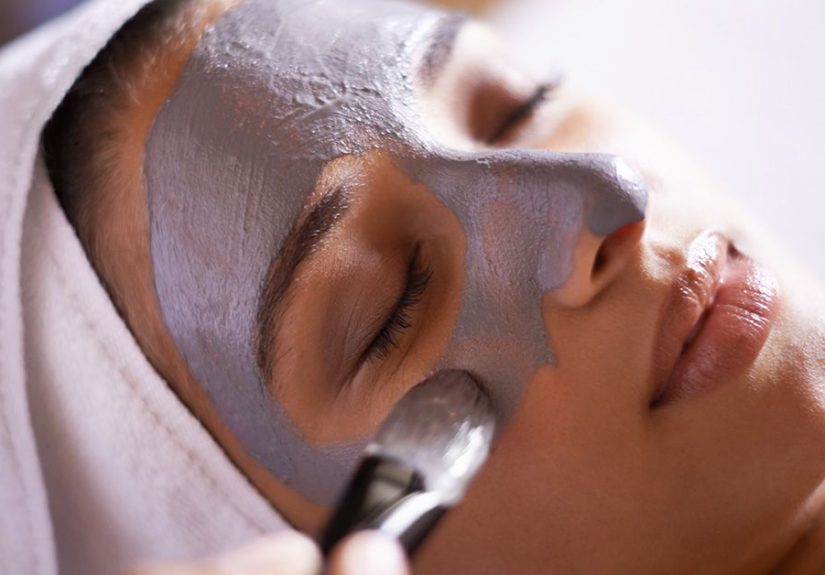
The provider may apply a clay mask for oily skin, a sulfur-based mask for breakouts, a calming mask for redness, or hydrating ingredients for dryness. The goal is to support the skin, not punish it.
Step 8: LED, Peel, or Add-On Treatment
Depending on your skin and the facial type, this step may include blue light, red light, a light chemical peel, high-frequency treatment, or another professional add-on. More is not always better. Combining too many active treatments can irritate the skin.
Step 9: Moisturizer and Sunscreen
The final step should include a lightweight, non-comedogenic moisturizer and broad-spectrum sunscreen during daytime visits. Sunscreen is especially important after exfoliation, peels, microdermabrasion, or any treatment that makes skin more sun-sensitive.
How to DIY an Acne Facial at Home Safely
A DIY acne facial should be gentle, simple, and boring in the best possible way. The goal is to calm breakouts and reduce clogged pores without turning your bathroom into a chemistry lab with jazz music.
DIY Acne Facial Supplies
- Gentle non-comedogenic cleanser
- Clean towel
- Mild chemical exfoliant such as salicylic acid or lactic acid
- Clay mask or calming hydrating mask
- Oil-free, non-comedogenic moisturizer
- Broad-spectrum SPF 30 or higher for daytime
- Optional: acne spot treatment such as benzoyl peroxide
At-Home Acne Facial Routine
- Wash your hands. This is not glamorous, but neither is introducing extra bacteria to a breakout.
- Cleanse gently. Massage cleanser onto damp skin for about 30 to 60 seconds, then rinse with lukewarm water.
- Use warm compresses, not aggressive steam. Press a warm, damp towel on congested areas for a few minutes if your skin tolerates it.
- Apply a mild exfoliant. Use a leave-on or rinse-off acid product according to the label. Do not stack multiple acids.
- Use a mask. Choose clay for oiliness or a soothing gel/cream mask for dryness and irritation.
- Skip bathroom surgery. Do not squeeze inflamed pimples, cysts, or anything painful.
- Moisturize. Acne-prone skin still needs hydration.
- Apply sunscreen. If it is daytime, finish with non-comedogenic broad-spectrum SPF 30 or higher.
What Not to Do During an Acne Facial
Do not use a harsh scrub with walnut shells, sugar, salt, or gritty particles. These can create tiny injuries and worsen irritation. Do not apply toothpaste to pimples. Toothpaste belongs on teeth, not on your face, no matter what an internet comment section says.
Do not combine retinoids, benzoyl peroxide, strong acids, scrubs, and peel masks all in one session. That is not a skincare routine; that is a group project where everyone causes chaos. Also avoid strong at-home chemical peels, especially products with high concentrations of TCA or other acids unless supervised by a trained professional.
Finally, do not pick. Picking can push inflammation deeper, increase the risk of infection, and leave dark marks or scars. If a pimple is painful or deep, hands off and call in professional help.
How Often Should You Get a Facial for Acne?
Many people schedule professional facials every four to six weeks, which roughly matches the skin’s natural renewal rhythm. However, the best timing depends on your skin type, acne severity, budget, and treatment plan.
If your skin is sensitive or you are using prescription acne medications, you may need more space between treatments. If your acne is mild and mostly comedonal, monthly facials may help maintain clearer pores. If you are doing chemical peels, your provider may recommend a series spaced several weeks apart.
Do not chase fast results by booking intense treatments too close together. Acne improvement is more marathon than sprint. Unfortunately, skin did not receive the memo that we prefer overnight results.
Who Should Avoid Acne Facials?
You should delay or avoid certain facials if you have a sunburn, open wounds, active skin infection, severe irritation, unexplained rash, or a recent strong peel or laser treatment. You should also be cautious if you are using isotretinoin or strong prescription retinoids, because your skin may be more sensitive.
People with eczema, rosacea, melasma, darker skin tones prone to hyperpigmentation, or a history of keloid scarring should choose providers carefully. The goal is to improve acne without creating new discoloration or irritation.
Best Ingredients for Acne-Prone Skin
Salicylic acid helps unclog pores and is useful for blackheads and oily skin. Benzoyl peroxide can reduce acne-causing bacteria and is commonly used for mild to moderate acne. Adapalene and other retinoids help prevent clogged pores and improve cell turnover. Niacinamide may support the skin barrier and reduce visible redness. Azelaic acid can help with acne and post-breakout discoloration for some people.
For moisturizers and sunscreens, look for labels such as “non-comedogenic,” “oil-free,” or “won’t clog pores.” These labels do not guarantee perfection, but they are a good starting point for acne-prone skin.
When to See a Dermatologist
See a dermatologist if acne is painful, cystic, widespread, leaving scars, causing dark marks, or not improving after several months of consistent over-the-counter care. You should also seek help if acne affects your confidence or daily life. Skin health is health, and you do not need to “just deal with it.”
A dermatologist can identify the type of acne you have and create a treatment plan that may include topical medications, oral medications, hormonal options, chemical peels, injections for large cysts, or procedures for acne scars. Professional facials can still be part of the plan, but they should fit your medical treatment rather than fight with it.
Real-Life Experiences and Practical Lessons from Acne Facials
Many people walk into their first acne facial with two expectations: first, that their skin will be completely clear by dinner; second, that extractions will feel like tiny angels cleaning their pores. Reality is usually more complicated. A good facial can make skin feel fresher and look calmer, but it may also cause temporary redness, especially after extractions or exfoliation.
One common experience is the “my skin looks better after three days” effect. Right after a facial, the face may be pink, shiny, or slightly blotchy. By day two or three, inflammation often settles, pores look cleaner, and texture appears smoother. This is why it is usually wise not to schedule your first acne facial the morning of a major event. Give your skin a buffer. Your face deserves a rehearsal, not a live performance.
Another lesson: communication matters. People often forget to tell the esthetician they used retinol the night before, tried a peel pad that week, or started a new acne medication. Those details can completely change what your skin can tolerate. A facial provider is not a mind reader with a magnifying lamp. Share your routine clearly, including prescription products, exfoliants, spot treatments, and recent irritation.
Some people love extractions because they see immediate improvement in blackheads. Others find them uncomfortable and prefer chemical exfoliation or LED therapy. Neither experience is wrong. Acne care should be adjusted to your skin and pain tolerance. If a provider keeps pushing hard on painful pimples, speak up. “No, thank you” is a complete skincare sentence.
A surprisingly common mistake is overdoing the post-facial routine. After seeing smoother skin, people rush home and add retinoids, acid toner, benzoyl peroxide, a clay mask, and a dramatic promise to become a new person by Monday. Then the skin gets dry, red, flaky, and irritated. The better move is boring but effective: gentle cleanser, moisturizer, sunscreen, and only the acne products your provider or dermatologist says are safe to restart.
People with darker skin tones often learn that preventing irritation is just as important as clearing pimples. When acne is squeezed too aggressively or treated with overly strong peels, the breakout may be replaced by a dark mark that lasts much longer than the pimple itself. For this reason, gentle technique, sun protection, and pigment-aware treatment choices are essential.
Budget is another real-world factor. A monthly professional facial can be helpful, but it is not required for everyone. A consistent home routine with cleanser, acne treatment, moisturizer, and sunscreen often matters more than occasional expensive treatments. Think of facials as boosters, not the entire skincare engine.
The best experience usually comes from combining patience with consistency. Acne facials can reduce congestion and support clearer skin, but they work best when paired with daily habits: cleansing after sweating, avoiding pore-clogging products, changing pillowcases regularly, not sleeping in makeup, using sunscreen, and resisting the urge to pick. Clearer skin is often built through small decisions repeated many times, which is less glamorous than a miracle facial but much more reliable.
Conclusion
Facials for acne can be genuinely useful when they are chosen carefully and performed gently. Deep-cleansing facials may help clogged pores, chemical peels may improve mild acne and texture, LED therapy may calm inflammatory breakouts, microdermabrasion may smooth superficial roughness, hydrating facials can repair the skin barrier, and body acne facials can help manage breakouts beyond the face.
The most important rule is simple: acne-prone skin needs consistency, not punishment. Avoid harsh scrubs, aggressive picking, strong unsupervised peels, and product overload. Choose non-comedogenic products, protect your skin from the sun, and get medical support when acne is painful, scarring, or persistent.
A great acne facial should leave your skin clearer, calmer, and better supportednot traumatized and plotting revenge. Treat your face like a teammate, not a battlefield, and your skincare routine will have a much better chance of winning.