Table of Contents >> Show >> Hide
- What Are Scallions, Exactly?
- Scallion Nutrition Facts at a Glance
- Top Health Benefits of Scallions
- 1) They Add Nutrients Without Adding Many Calories
- 2) Scallions Support Bone Health Thanks to Vitamin K
- 3) They Provide Vitamin C for Immune Function and Collagen Support
- 4) The Green Tops Provide Carotenoids (Provitamin A)
- 5) They Fit Heart-Healthy Eating Patterns
- 6) They Contain Allium Plant Compounds Being Studied for Health Effects
- 7) They May Help You Eat More Vegetables Overall
- 8) They’re a Great Option for Flavor-First, Salt-Conscious Cooking
- Scallion Facts People Commonly Ask About
- How to Buy, Store, Prep, and Use Scallions
- Who Should Be Cautious With Scallions?
- Real-Life Experiences Related to “Facts and Health Benefits of Scallions” (500+ Words)
- Conclusion
Scallions are the quiet overachievers of the produce drawer. They look humble, cost little, and somehow make eggs, noodles, soups, tacos, dips, and sad leftovers taste like you actually had a plan. But beyond the flavor upgrade, scallions (also called green onions) bring real nutritional value and a surprising amount of culinary flexibility.
If you’ve ever bought a bunch for one recipe and then watched the rest wilt while you whispered, “I’ll use them tomorrow,” this guide is for you. We’ll cover what scallions are, how they compare with green onions and spring onions, what nutrients they offer, the evidence-based health benefits they may support, and how to buy, store, prep, and use them without turning your crisper drawer into a compost experiment.
And yes, we’ll end with practical, real-life scallion experiences and kitchen scenarios so this article is actually useful in the real worldnot just technically correct on the internet.
What Are Scallions, Exactly?
Scallions vs. Green Onions vs. Spring Onions
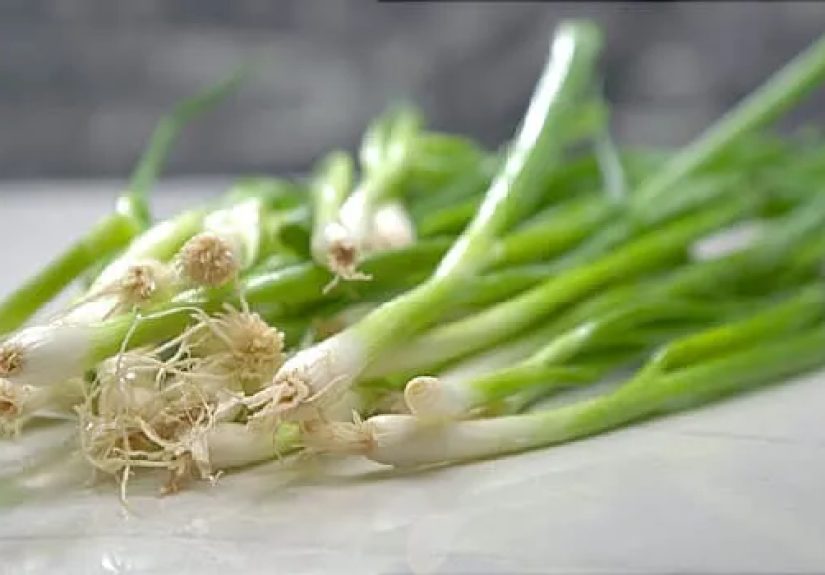
In everyday American cooking, scallions and green onions are usually the same thing. Recipes use the names interchangeably, and most grocery stores do too. Scallions are harvested young, have long green tops, white bottoms, and a mild onion flavor compared with mature bulb onions.
That said, some people (and some produce guides) use spring onions a little differentlyoften for slightly more mature onions with a more noticeable bulb. So if someone insists there’s a difference, they’re not necessarily wrong. They’re just being very produce-specific before coffee.
What Family Do Scallions Belong To?
Scallions belong to the Allium family, the same group as onions, garlic, leeks, shallots, and chives. Some scallions come from bunching onion types (such as Allium fistulosum) that don’t form large bulbs, while others are simply common onions harvested early. Either way, your soup wins.
Which Parts Can You Eat?
Good news: basically all of it. The white base has a stronger onion bite, while the green tops are milder and fresher. The white part is great for sautéing, stir-fries, and soups. The green tops shine as a garnish for baked potatoes, ramen, tacos, grain bowls, and omelets.
Scallion Nutrition Facts at a Glance
Scallions are low in calories and add flavor without much sodium, sugar, or fat. A small chopped serving (such as the kind you’d use as a garnish) contributes only a few calories, but still adds small amounts of potassium and vitamins. That makes scallions one of the easiest “nutrition upgrades” you can add to meals.
They’re especially known for providing:
- Vitamin K (important for normal blood clotting and bone health)
- Vitamin C (supports immune function and collagen formation)
- Vitamin A precursors (carotenoids) from the green tops
- Folate (a B vitamin involved in cell growth and DNA synthesis)
- Small amounts of fiber and potassium
Are scallions a miracle food? No. Are they a smart, easy, nutrient-dense flavor booster? Absolutely. Think of them as nutritional “bonus points” that also make your food taste more interesting.
Top Health Benefits of Scallions
1) They Add Nutrients Without Adding Many Calories
One of the most practical health benefits of scallions is simple: they help you build flavorful meals with minimal calories. When you can make a meal taste better with chopped scallions instead of relying only on extra butter, heavy sauces, or more salt, that’s a win for both flavor and overall diet quality.
This doesn’t mean fat is “bad” (it isn’t), but scallions are an easy way to create balance. A little sprinkle can make a bowl of soup taste fresher, a sandwich feel less flat, and scrambled eggs seem like a real breakfast instead of a rushed life decision.
2) Scallions Support Bone Health Thanks to Vitamin K
Scallions are often highlighted as a good source of vitamin K. Vitamin K plays a key role in blood clotting and also supports healthy bones. While scallions alone won’t cover every nutrition need, regularly adding vitamin K-rich vegetables to your meals can help support a healthy dietary pattern.
Important note: If you take warfarin (Coumadin) or another medication affected by vitamin K intake, consistency matters. You generally don’t need to avoid scallions, but you should keep your vitamin K intake relatively steady and follow your clinician’s advice.
3) They Provide Vitamin C for Immune Function and Collagen Support
Scallions also contribute vitamin C, especially when eaten raw or lightly cooked. Vitamin C acts as an antioxidant and supports immune function. It also helps your body make collagen, which is important for skin, blood vessels, cartilage, and wound healing.
Another fun nutrition fact: vitamin C helps improve absorption of nonheme iron (the type of iron found in plant foods). So if you add scallions to beans, lentils, leafy greens, or tofu dishes, you’re not just making the meal prettieryou may also be making it nutritionally smarter.
4) The Green Tops Provide Carotenoids (Provitamin A)
The green part of scallions contains plant pigments called carotenoids, some of which the body can convert into vitamin A. Vitamin A supports vision, immune function, and normal cell growth. This is one reason the green tops are worth using instead of tossing them out.
If you’ve been treating scallion greens like decorative confetti, congratulationsyou accidentally made a nutritious choice.
5) They Fit Heart-Healthy Eating Patterns
Scallions are not a stand-alone heart health strategy (sorry, scallions), but they fit beautifully into eating patterns associated with cardiovascular benefits. Diets rich in vegetables and fruits are linked to better heart health outcomes, including support for healthy blood pressure and reduced cardiovascular risk.
Scallions can help you eat more vegetables in practical ways: mixed into salads, added to soups, folded into grain bowls, or used to finish lean proteins and beans. Small habits add up, and scallions make the healthy habit taste better, which is half the battle.
6) They Contain Allium Plant Compounds Being Studied for Health Effects
Like other allium vegetables, scallions contain sulfur-containing compounds and other bioactive plant substances. Researchers have studied allium vegetables (especially garlic and onions) for potential roles in health, including antioxidant and antimicrobial activity and possible links with lower risk of some cancers.
Here’s the evidence-based version (the one that survives fact-checking): the research is interesting, but results are mixed and much of the strongest evidence comes from lab or mechanistic studies rather than direct proof from scallion-specific human trials. In other words, scallions are a smart addition to a healthy diet, but they are not a substitute for medical care, screening, or treatment.
7) They May Help You Eat More Vegetables Overall
This sounds almost too simple to count as a benefit, but it matters: scallions make healthy meals easier to enjoy. A bowl of brown rice, grilled chicken, and steamed vegetables can go from “fine” to “I’d eat this again” with scallions, lime, and a little sauce. Adherence is a health strategy.
When a food helps you consistently eat more home-cooked meals and more vegetables, that’s a real-life health benefitnot just a nutrient chart victory.
8) They’re a Great Option for Flavor-First, Salt-Conscious Cooking
Because scallions bring aroma and punch, they can help reduce reliance on salt-heavy flavor boosts in some dishes. If you’re working on a more balanced sodium intake, using scallions with garlic, citrus, herbs, pepper, and vinegar is a great move.
Not “replace all salt forever” (let’s be reasonable), but definitely “make the dish taste good with less effort and often less sodium.”
Scallion Facts People Commonly Ask About
Are Scallions Healthy Raw or Cooked?
Both. Raw scallions have a crisp bite and are great for garnishing, salads, and dips. Cooking softens their sharpness and makes them sweeter and more mellow. Light cooking can preserve more texture and fresh flavor, while longer cooking creates a deeper savory note.
The best option is whichever helps you actually eat them. If raw scallions feel too intense, sauté the white parts and use the greens on top at the end.
Do the White and Green Parts Have Different Uses?
Yes. The white part has more concentrated onion flavor and stands up well to heat. The green tops are milder and work beautifully as a finishing ingredient. Many cooks split them automatically: whites go into the pan first, greens go on top right before serving.
Can You Freeze Scallions?
Yes. If your scallions are about to wilt and you’re feeling guilty, this is your rescue plan. Wash, dry, chop, and freeze them in a sealed freezer-safe bag. Frozen scallions are best used in cooked dishes (soups, stir-fries, fried rice, sauces) rather than as a crisp garnish.
How to Buy, Store, Prep, and Use Scallions
How to Choose the Best Scallions
- Look for crisp green tops without major wilting.
- Choose stalks that feel firm, not slimy.
- Avoid bunches with heavy bruising or mushy spots.
- If you want milder flavor, choose younger, slimmer stalks.
How to Store Scallions
Store scallions in the refrigerator, ideally in the crisper drawer. A produce bag or loosely wrapped bag helps reduce moisture loss while preventing them from turning into a swamp. Many extension resources note they keep for about one week when properly refrigerated, though freshness varies by store and how long they sat there before you bought them.
How to Wash Scallions Safely
Before using scallions, rinse them under running water and trim the roots. Wash your hands before and after prep, and keep produce separate from raw meat juices and cutting boards used for raw meat. For chopped scallions, refrigerate leftovers promptly.
No, you do not need fancy produce soap. Plain running water and good kitchen hygiene are enough for most home prep.
Easy Ways to Eat More Scallions
- Stir into scrambled eggs or omelets
- Top soups, ramen, chili, or baked potatoes
- Mix into tuna, chicken, or egg salad
- Add to fried rice and noodle dishes
- Blend into yogurt dips or sour cream sauces
- Sprinkle over tacos, burrito bowls, and quesadillas
- Fold into mashed potatoes, rice, or quinoa
- Use in savory pancakes, biscuits, or cornbread
Who Should Be Cautious With Scallions?
Scallions are safe for most people, but a few situations call for extra attention:
- People taking warfarin: Keep vitamin K intake consistent and follow medical guidance.
- People with sensitive digestion: Onions and related alliums can bother some people, especially in larger amounts.
- Food safety concerns: Wash produce, avoid cross-contamination, and refrigerate cut scallions promptly.
If you have a medical condition or a highly restricted diet, a registered dietitian can help you decide how scallions fit your needs.
Real-Life Experiences Related to “Facts and Health Benefits of Scallions” (500+ Words)
To make this article more useful than a textbook entry, here are practical, real-world scallion experiences and scenarios that reflect how people actually use them at home. These are not medical case reportsjust everyday kitchen patterns that show why scallions earn a permanent spot in the fridge.
Experience #1: The “I Bought Them for One Recipe” Problem
A lot of people first buy scallions for exactly one thing: tacos, fried rice, potato salad, ramen, or a dip. Then the remaining half-bunch sits in the crisper drawer while life happens. The lesson most home cooks eventually learn is this: scallions are easiest to use when you treat them as a default finishing ingredient, not a special occasion ingredient. Once people start tossing chopped scallions on eggs, sandwiches, soups, and grain bowls, waste drops and healthy meals become more flavorful with almost no extra work.
Experience #2: The “My Healthy Meal Tasted Boring” Fix
One of the most common nutrition struggles is not knowledgeit’s taste fatigue. Plenty of people know they should eat more vegetables, but plain chicken, rice, and steamed vegetables can feel repetitive. Scallions solve a weirdly large part of this problem. A handful on top adds freshness, aroma, and a mild onion bite that makes leftovers taste less like leftovers. This matters because when healthy food tastes better, people are more likely to stick with it. In real life, consistency beats perfection every time.
Experience #3: Cooking for Mixed Preferences
In many households, one person loves bold onion flavor and another says, “Absolutely not.” Scallions are a useful compromise. The white parts can be cooked into the dish for a gentler flavor, while the green tops can be served on the side as an optional garnish. This “choose your own onion adventure” setup works especially well for soups, taco nights, baked potatoes, and noodle bowls. It also reduces dinner-table negotiations, which may not show up in nutrition databases but is definitely a quality-of-life benefit.
Experience #4: Meal Prep That Actually Survives the Week
People who meal prep often discover that fresh herbs can wilt quickly, but scallions hold up reasonably well when stored properly. A common routine is to wash and thoroughly dry a bunch, separate whites and greens, and keep them in containers for different uses. The whites go into stir-fries and sautéed dishes early in the week; the greens finish soups, eggs, and bowls later. It’s a small system, but it makes weekday cooking faster and increases the chances that vegetables make it onto the plate.
Experience #5: The Budget-Friendly Flavor Upgrade
Scallions are often inexpensive, which makes them popular with students, new cooks, and families trying to stretch a grocery budget. When the meal plan includes affordable staples like beans, rice, eggs, potatoes, or noodles, scallions can make those ingredients feel more intentional and less repetitive. A bowl of beans and rice with scallions, lime, and hot sauce tastes fresher and more complete than the same bowl without them. That may sound simple, but these small upgrades help people cook at home more oftenand that can support better eating habits over time.
Experience #6: Learning to Use the Whole Bunch
A common “aha” moment is realizing the green tops are not just decoration. New cooks sometimes chop off the greens and use only the white part, missing both flavor and nutrients. Once they start using both sections strategicallywhites for cooking, greens for finishingthey get better texture, better flavor, and less waste. It’s one of those cooking habits that feels minor but improves every weeknight dinner forever.
Experience #7: The Freezer Save
Another practical win: freezing chopped scallions before they go limp. People who adopt this habit stop feeling like they have to use a whole bunch immediately. Frozen scallions lose some crispness, but they still work beautifully in cooked foods. This is especially handy for busy weeks, when a quick handful into soup, fried rice, or scrambled eggs can add flavor and a little nutrient boost without another grocery trip.
In short, the real-world “health benefit” of scallions is not just what’s on a nutrient label. It’s that they make home cooking easier, tastier, and more repeatableand that’s exactly where long-term healthy eating habits are built.
Conclusion
Scallions may look like a garnish, but they act like a smart kitchen tool. They’re low in calories, easy to use, and provide meaningful nutrients like vitamin K, vitamin C, and carotenoid-based vitamin A precursors. They also fit well into healthy eating patterns by helping you add flavor, variety, and vegetable power to everyday meals.
The biggest takeaway? Don’t save scallions for “special recipes.” Use them often, use both the white and green parts, and let them make simple meals taste better. That’s where their health benefits really shine: in the meals you actually enjoy enough to make again.