Table of Contents >> Show >> Hide
- Heart Attack vs. Cardiac Arrest: The Quick, Useful Difference
- Common Heart Attack Symptoms (Yes, They Can Be Subtle)
- List of Famous People Who Died of Heart Attack
- What These Celebrity Stories Reveal (Beyond the Headlines)
- If You Think Someone Is Having a Heart Attack: What to Do
- Practical Prevention: Boring on Paper, Powerful in Real Life
- Experiences and Real-Life Takeaways (An Extra You’ll Actually Want to Read)
Heart attacks are rude. They don’t RSVP, they don’t care if you’re famous, and they definitely don’t wait until the final scene.
One minute, a person is headlining a tour, taping a show, or planning a weekend with familythen suddenly the heart, a muscle that
works harder than your inbox on Monday morning, runs into a life-threatening blockage.
When a public figure dies from a heart attack, the news lands differently. It’s personal in a weird, collective way: we grieve the person,
we replay their best moments, and thenif we’re luckywe take a long look at our own risk factors, symptoms, and “I’ll deal with that later”
habits. This guide offers a clear (and human) list of notable heart-attack-related deaths, plus what those stories can teach us about heart
health in real life.
Heart Attack vs. Cardiac Arrest: The Quick, Useful Difference
People often say “heart attack” when they mean “cardiac arrest,” and the mix-up is understandable because both are emergencies and both can be
fatal. But they’re not the same thing.
-
A heart attack is usually a circulation problem: blood flow to part of the heart is blocked, starving the
heart muscle of oxygen. The classic cause is a blocked coronary artery. -
Cardiac arrest is usually an electrical problem: the heart suddenly stops pumping effectively. A heart
attack can trigger cardiac arrest, but you can have cardiac arrest without a heart attack.
Why does this matter? Because recognizing symptoms quicklyand responding correctlycan save a life. A heart attack is a “call emergency services now”
event, not a “wait and see” event.
Common Heart Attack Symptoms (Yes, They Can Be Subtle)
The “movie version” of a heart attack is dramatic chest clutching and collapse. Real life can look like thatbut it can also look like
indigestion, unusual fatigue, jaw pain, back pressure, nausea, or shortness of breath. Chest discomfort is still the most common symptom,
but not everyone experiences it the same way, and some people (especially women) may have less “classic” warning signs.
If you suspect a heart attack: call 911 immediately (or your local emergency number). Don’t drive yourself if you can avoid it.
Don’t try to “walk it off.” Your heart is not impressed by bravado.
List of Famous People Who Died of Heart Attack
Below are well-known figures whose deaths were widely reported as caused by a heart attack (or as complications following one). Each story is different,
but together they highlight a simple truth: heart disease doesn’t care about talent, bank accounts, or awards shelves.
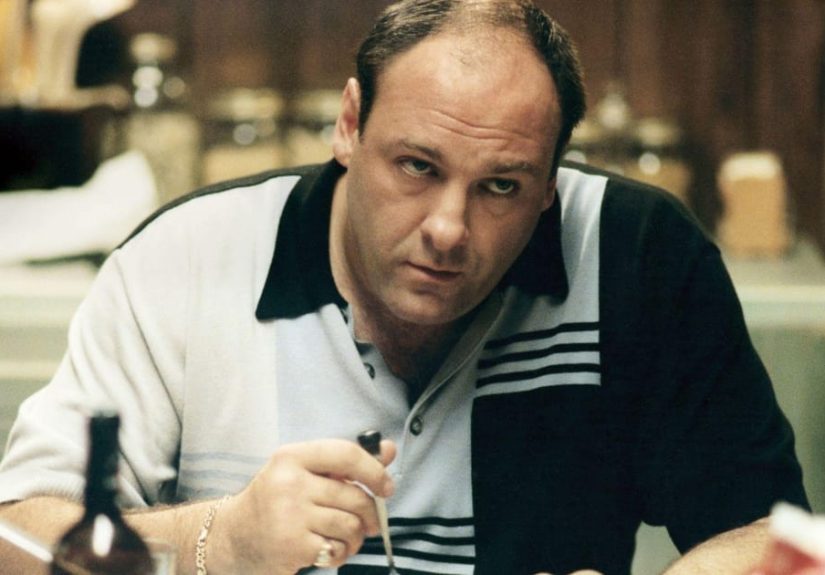
James Gandolfini (1961–2013)
Best known as Tony Soprano, James Gandolfini’s performances made tough-guy vulnerability feel realbecause he made it human. In June 2013, he died in Rome
at age 51. Reports following an autopsy stated he died of a heart attack of natural causes. The shock wasn’t just that he was “too young,”
but that he was actively working, traveling, and livinguntil he wasn’t.
Lesson: Age helps predict risk, but it doesn’t guarantee safety. If symptoms show upespecially while travelingget help fast.
John Candy (1950–1994)
John Candy had the rare gift of being hilarious without needing cruelty. He died in March 1994 at age 43 while filming in Mexico; reports described a massive
heart attack. His death remains one of pop culture’s most painful “what if” momentspartly because his warmth felt endless, and partly because 43 feels
unfairly early.
Lesson: Heart attack risk isn’t just “an older person problem.” Genetics, smoking, weight, blood pressure, cholesterol, and stress can stack
the odds earlier than most people expect.
Redd Foxx (1922–1991)
Redd Foxx, the comedic force behind Sanford and Son, collapsed during rehearsals for a new TV show in October 1991 and later died after suffering
a heart attack. In a tragic twist, some people initially thought it was part of his actbecause his comedy had trained audiences to laugh through discomfort.
Lesson: Don’t assume it’s “just a bit” or “just anxiety.” When someone has sudden chest pain, shortness of breath, or collapsestreat it as
real until proven otherwise.
Richard Pryor (1940–2005)
Richard Pryor changed American comedy by telling the truth louder than anyone else. In December 2005, he died at age 65 after suffering a heart attack,
following years of serious health issues. His life is also a reminder that chronic illness can shape heart riskand that surviving earlier crises doesn’t
make you invincible later.
Lesson: If you live with chronic conditions, stay in close contact with healthcare providers about heart risk and symptom changes.
Michael Clarke Duncan (1957–2012)
Known for his powerful presence and an unforgettable role in The Green Mile, Michael Clarke Duncan suffered a heart attack in July 2012 and was
hospitalized. He died later that year after complications, with reports noting respiratory failure following the initial cardiac event.
Lesson: A heart attack can start a long medical battle. Early treatment matters, and recovery isn’t always quick or simplecardiac rehab and
follow-up care can be life-changing.
Frank Sinatra (1915–1998)
Frank Sinatra’s voice became a cultural landmarksmooth, sharp, heartbreakingly confident. He died in May 1998 at age 82, reported as a heart attack.
While many people knew he’d faced health challenges for years, his death still felt like the end of an era.
Lesson: Long-term heart disease management matters. Consistent medical care, lifestyle changes, and medication adherence can extend quality
lifeeven when risk is high.
James Coburn (1928–2002)
Oscar-winning actor James Coburnoften cast as the cool, unbothered tough guydied in November 2002 at age 74 of a heart attack, according to widely reported
accounts. He spent decades on screen looking like the last person who’d ever get surprised. Life disagreed.
Lesson: Many people look “fine” right up until they aren’t. Routine screenings (blood pressure, cholesterol, diabetes) are not glamorous,
but neither are medical emergencies.
Davy Jones (1945–2012)
Davy Jones, beloved for his work with The Monkees, died in February 2012 at age 66. Reports said he died of a heart attack in Florida. Fans remembered him as
energetic and charismaticexactly the kind of person you’d assume will keep bouncing back.
Lesson: Don’t let “seems healthy” fool you. Heart disease can progress quietly until it demands attention loudly.
Tim Russert (1950–2008)
Journalist Tim Russertknown for sharp interviews and a serious work ethiccollapsed at work in June 2008 and died of a heart attack at age 58. The news hit
hard because it happened in a familiar setting: a busy day, a full schedule, a person “in the middle of it all.”
Lesson: Stress and overwork don’t directly “cause” heart attacks all by themselves, but they can worsen risk factors and encourage bad habits
(sleep deprivation, poor diet, skipped checkups). Your calendar should not be your cardiologist.
Jerry Garcia (1942–1995)
Jerry Garcia, guitarist and cultural anchor of the Grateful Dead, died in August 1995 at age 53 of an apparent heart attack while at a rehabilitation facility.
Reports also discussed long-running health challenges and risk factors.
Lesson: Multiple risk factors can add up: diabetes, smoking, sleep issues, and substance use can create a perfect storm. Treating one factor
helpsbut treating the whole picture helps more.
Alan Thicke (1947–2016)
Alan Thicke, known to many as America’s TV dad from Growing Pains, died suddenly in December 2016 at age 69. Early reports described a heart attack
while playing hockey; later reporting also referenced a ruptured aorta. The public confusion reflects a broader reality: not every sudden cardiac death is a
classic heart attack, and medical details can evolve as information becomes clearer.
Lesson: Sudden chest pain or collapse is always urgent, regardless of the exact medical label. Let emergency professionals sort out the “what”
while you focus on the “now.”
What These Celebrity Stories Reveal (Beyond the Headlines)
Celebrity deaths can feel like triviauntil you notice the patterns that apply to everyone:
- Heart risk is cumulative. High blood pressure, unhealthy cholesterol, diabetes, smoking, and inactivity are like tiny votes for future trouble.
- Symptoms can be weird. Chest pressure is common, but nausea, jaw pain, upper-back discomfort, or sudden fatigue can also be heart-related.
- Time is muscle. The longer a heart attack goes untreated, the more heart muscle can be damaged.
- “I’m too busy” is not a medical plan. Neither is “I’ll start Monday.” (Your heart has heard that one before.)
If You Think Someone Is Having a Heart Attack: What to Do
- Call 911 immediately. Don’t delay to “see if it passes.”
- Keep the person calm and seated. Loosen tight clothing, and don’t let them exert themselves.
-
Follow professional guidance on aspirin.
If emergency services advise it (and there’s no allergy or contraindication), aspirin may help, but don’t let it delay calling for help. - If the person collapses and isn’t breathing normally, start CPR and use an AED if available.
Practical Prevention: Boring on Paper, Powerful in Real Life
You don’t need to become a kale influencer to reduce heart attack risk. You need consistent, realistic steps:
- Know your numbers: blood pressure, cholesterol, blood sugar/A1C, and weight trends.
- Move most days: even brisk walking counts. Consistency beats occasional hero workouts.
- Don’t smoke: if you do, quitting is one of the most impactful heart decisions you can make.
- Eat for your arteries: more fiber, plants, and lean proteins; less ultra-processed salt-and-sugar chaos.
- Sleep is not optional: untreated sleep issues can worsen blood pressure and metabolic health.
- Take prescribed meds as directed: blood pressure and cholesterol meds exist for a reasonbecause biology doesn’t negotiate.
Experiences and Real-Life Takeaways (An Extra You’ll Actually Want to Read)
If you’ve ever watched the news about a celebrity heart attack and immediately thought, “Okay, I should probably eat a salad,” you’re not alone. That
reactionpart guilt, part fear, part motivationis incredibly common. In everyday life, heart attack stories tend to create a ripple effect that looks
surprisingly similar across families, workplaces, and friend groups.
One of the most common “experience patterns” people describe is how ordinary the day feels right before the emergency. It’s a normal morning:
coffee, emails, errands, maybe a workout. Then a strange pressure shows upsometimes in the chest, sometimes in the upper back, sometimes as nausea that
feels like bad takeout. A lot of people (especially busy, responsible, “I don’t want to bother anyone” types) try to bargain with it: Let me finish this meeting.
Let me drive home first. Let me take an antacid. This is where celebrity stories can be unexpectedly helpful: they remind us that even powerful,
accomplished people don’t “outsmart” biology. The only smart move is to treat symptoms as urgent.
Another widely shared experience is confusion about symptoms. Some people expect a lightning-bolt moment and instead get a slow, heavy
discomfortlike a tight band around the chest or a deep ache in the jaw. Others feel short of breath and tired, and they assume it’s stress, aging, or being
out of shape. Women, in particular, often describe symptoms that don’t match the cliché: fatigue that feels sudden and extreme, nausea, cold sweat, or
upper-back pressure. A lot of “I almost didn’t go in” stories start exactly this way. The takeaway is simple: if something feels seriously offespecially if it’s
new or escalatingtrust that signal and get evaluated.
Families also describe a specific emotional whiplash after a heart-attack scare or loss: regret mixed with urgency. Regret that warning signs weren’t
recognized earlier. Urgency to schedule checkups, refill prescriptions, and make changes. Sometimes those changes are dramatic and immediate (people quit smoking
that week). More often, the changes are small but durable: walking after dinner, cooking at home a few more nights, taking blood pressure readings, finally
addressing sleep apnea, or learning what “high cholesterol” actually means. A surprising number of people say the biggest shift was psychological: they stopped
treating health as a side quest and started treating it as the main storyline.
There’s also a powerful “community experience” that happens after famous heart-attack deaths: people talk. Coworkers share family history. Friends admit they’ve
been ignoring symptoms. Someone mentions their dad’s first heart attack at 49. Another person confesses they haven’t had a physical in five years. In that way,
celebrity tragedies can spark a kind of informal public health momentone that encourages people to do the unglamorous but meaningful work of prevention.
If you want one practical takeaway from all these shared experiences, make it this: plan your response before you need it. Learn the symptoms.
Decide that you’ll call emergency services if they show up. Know your risk factors. The goal isn’t to live scaredit’s to live prepared. Your heart is loyal.
Return the favor.