Table of Contents >> Show >> Hide
- Why shared hobbies work so well for couples
- How to choose the best hobbies as a couple
- 101 fun hobbies for couples
- How to turn hobbies into real relationship rituals
- Sample hobby pairings for different couple styles
- Mistakes couples should avoid when picking hobbies
- Final thoughts on finding fun hobbies for couples
- Real-life experiences couples often have with shared hobbies
- SEO Tags
Every couple eventually hits that moment: dinner, streaming, scrolling, repeat. You look at each other and realize the relationship is fine, but your shared routine has started wearing sweatpants full-time. That is where hobbies come in. The right hobby does more than fill an afternoon. It creates inside jokes, fresh stories, low-stakes teamwork, and the kind of quality time that feels natural instead of scheduled by a productivity app.
If you are searching for fun hobbies for couples, the goal is not to become a perfect matching set who suddenly make pottery at sunset and bake sourdough before brunch. The real goal is simpler: find activities that make you laugh more, talk more, move more, create more, or just enjoy being on the same team. Some couples want cheap hobbies at home. Others want adventurous weekend hobbies, creative date-night ideas, or meaningful shared routines that make daily life feel less like a to-do list and more like an actual relationship.
This guide rounds up 101 fun hobbies for couples, along with practical ways to choose the right ones and make them stick. Some are cozy. Some are chaotic. Some require sneakers. Some only require snacks. All of them can help you spend better time together.
Why shared hobbies work so well for couples
Shared hobbies give couples something wonderfully underrated: a reason to connect that is not centered on bills, chores, work stress, or deciding what to eat for the fifth time this week. A hobby can create novelty, and novelty tends to wake people up. It gives you something new to learn, notice, and talk about. Even better, hobbies often turn togetherness into a ritual. A Saturday morning bike ride, a Tuesday puzzle session, or a monthly cooking challenge can become part of the relationship’s identity.
That said, not every hobby has to involve dramatic soul bonding under the stars. Sometimes the magic is smaller. You laugh because one of you cannot keep a houseplant alive. You cheer because your homemade pasta looks almost edible. You high-five because you finally finished a 1,000-piece puzzle without losing your minds. Shared hobbies help couples build memories in ordinary time, and ordinary time is where most relationships actually live.
How to choose the best hobbies as a couple
Pick by energy level, not by fantasy self
If both of you love the idea of sunrise kayaking but neither of you enjoys being awake before daylight, that may be a clue. Choose hobbies that fit your real schedules, budget, interests, and stamina.
Mix low-effort and high-effort activities
Not every shared hobby should require reservations, gear, or a brave face. The strongest hobby mix usually includes one easy indoor activity, one active hobby, and one “let’s try something new” option.
Allow different skill levels
You do not need identical talent. One of you can be the organized baker while the other is the enthusiastic taste tester with questionable measuring habits. Good hobbies leave room for both people to contribute.
Keep it playful
The point is not to turn fun into a performance review. If your “relaxing hobby” ends with a disagreement about the correct way to fold a picnic blanket, maybe pivot.
101 fun hobbies for couples
Creative hobbies for couples
- Take a pottery class.
- Try watercolor painting at home.
- Start a scrapbook of your favorite memories.
- Make a couple vision board.
- Learn hand lettering.
- Try candle making.
- Make homemade greeting cards.
- Take a photography walk around your neighborhood.
- Learn basic video editing and make mini travel reels.
- Decorate a room together on a budget.
- Try a paint-by-number kit.
- Build a playlist for every mood or season.
- Write silly short stories together.
- Take a sewing or embroidery class.
- Make your own holiday decorations.
- Create a mini home art gallery wall.
- Try DIY tie-dye or fabric painting.
Food and drink hobbies for couples
- Cook one new recipe every week.
- Host an at-home pizza night.
- Learn to make sushi.
- Bake cookies and rate each batch like stern TV judges.
- Try bread making.
- Start a weekend pancake tradition.
- Take a cooking class together.
- Do a homemade pasta night.
- Experiment with mocktails or coffee drinks.
- Create a two-person chili cook-off.
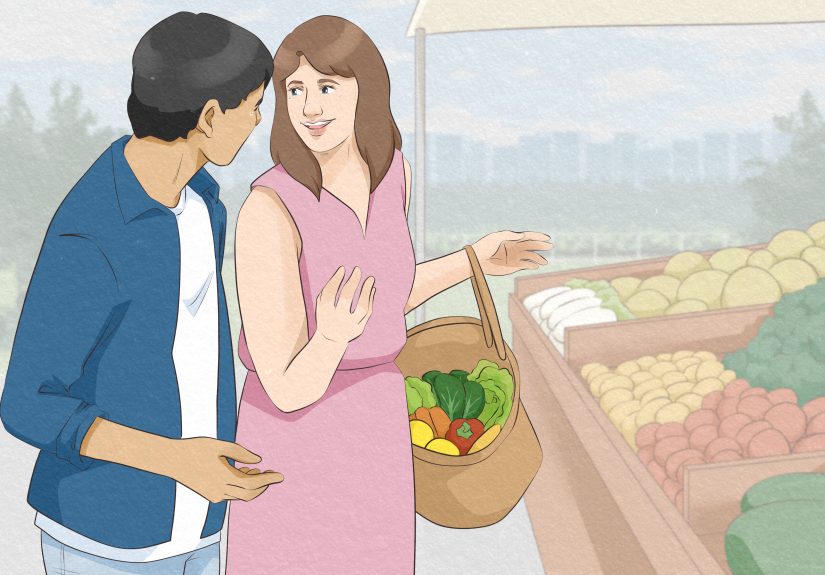
- Visit local farmers markets.
- Start a tiny herb garden for your kitchen.
- Try meal prepping as a team.
- Pick a country and cook a themed dinner from that cuisine.
- Review local desserts like unofficial snack critics.
- Make a shared recipe binder of your favorites.
Active hobbies for couples
- Go hiking.
- Take evening walks after dinner.
- Ride bikes on local trails.
- Try pickleball.
- Take dance lessons.
- Start jogging together.
- Do beginner yoga.
- Join a climbing gym.
- Try paddleboarding.
- Go roller skating.
- Try ice skating in colder months.
- Train for a 5K.
- Do at-home workout challenges.
- Go swimming.
- Play tennis at a public court.
- Try geocaching on weekends.
- Take a scenic day trip with a walking trail included.
- Join a recreational sports league.
Cozy indoor hobbies for couples
- Do jigsaw puzzles.
- Start a two-person book club.
- Read aloud to each other.
- Play card games.
- Try cooperative board games.
- Work through a crossword together.
- Build Lego sets.
- Start a movie theme night.
- Listen to a new album and talk about it.
- Journal together once a week.
- Practice meditation.
- Try language learning apps as a team.
- Take an online class together.
- Make a bucket list and start checking it off.
- Organize old photos and tell the stories behind them.
- Have a puzzle-and-hot-chocolate night.
- Learn chess.
- Create a monthly home spa night.
Outdoor and adventure hobbies for couples
- Go camping.
- Try glamping if you prefer nature with better pillows.
- Go stargazing.
- Visit botanical gardens.
- Take beach walks and collect shells.
- Go kayaking.
- Try fishing.
- Plan picnic dates in new parks.
- Take weekend road trips.
- Go birdwatching.
- Visit national or state parks.
- Try fruit picking by season.
- Explore small towns near you.
- Take a sunset drive with no strict destination.
- Try outdoor photography.
- Do a seasonal scavenger hunt.
- Visit flea markets or outdoor fairs.
Productive and meaningful hobbies for couples
- Volunteer at a local shelter or food bank.
- Start a small garden.
- Refinish furniture.
- Learn basic home DIY skills.
- Declutter one room each month together.
- Work on a home improvement project.
- Create a savings challenge for a shared goal.
- Start a side project or tiny online shop.
- Tutor or mentor in your community.
- Make care packages for neighbors or friends.
- Plan future trips together in detail.
- Start a gratitude habit and share three good things weekly.
- Build a family recipe archive.
- Learn basic first aid or practical life skills together.
- Create annual traditions that feel uniquely yours.
How to turn hobbies into real relationship rituals
Finding a hobby is one thing. Keeping it alive past one enthusiastic weekend is another. The trick is to lower the pressure and raise the consistency. Instead of saying, “We are now a hiking couple,” say, “Let’s try one trail this month.” Instead of buying an entire craft store aisle, start with one simple kit. Instead of trying to be impressive, aim to be regular.
It also helps to rotate hobbies by season. In spring and summer, you might bike, picnic, garden, or visit markets. In fall and winter, you might bake, do puzzles, learn chess, or start movie theme nights. A little variety keeps things fresh, while the recurring habit of doing something together keeps the bond strong.
One smart strategy is the “2-1-1 rule” for couples and hobbies: two easy hobbies, one active hobby, and one new thing every month. That gives you comfort, movement, and novelty without requiring a dramatic life makeover. In other words, you get the charm of an interesting relationship without needing to become wilderness survival experts by Saturday.
Sample hobby pairings for different couple styles
For homebody couples
Try cooking nights, puzzles, book club dates, home spa nights, Lego builds, and movie marathons with themes. These are low-pressure, budget-friendly, and ideal for couples who recharge indoors.
For adventurous couples
Choose hiking, kayaking, camping, biking, geocaching, road trips, and seasonal outdoor challenges. These hobbies create memorable stories and break routine fast.
For creative couples
Lean into painting, pottery, photography, DIY décor, scrapbooking, and playlist making. Creative hobbies are especially good for couples who bond through making things together.
For busy couples
Keep it simple with walks, coffee experiments, quick card games, farmers markets, journaling, and mini cooking projects. The best hobby is the one you can actually repeat.
Mistakes couples should avoid when picking hobbies
The first mistake is choosing a hobby mainly because it looks good online. A shared hobby is not a branding exercise. The second is turning every activity into a competition, unless both of you genuinely enjoy that. The third is expecting one hobby to fix a stale routine overnight. Hobbies help relationships because they create time, attention, and play. They are not magic beans, although a gardening hobby may involve actual beans.
Another mistake is assuming togetherness means doing everything side by side at all times. Healthy couples often balance shared hobbies with individual interests too. That balance keeps the relationship energized. You get stories to bring back to each other, not just duplicate calendars and one giant opinions merger.
Final thoughts on finding fun hobbies for couples
The best hobbies for couples are not always the flashiest ones. Often, they are the hobbies you return to because they make ordinary life feel lighter. Maybe that means walking after dinner, trying new recipes, volunteering once a month, or becoming the kind of couple who aggressively celebrates finishing a puzzle. Wonderful. The point is not perfection. The point is participation.
Pick one hobby that feels easy, one that feels exciting, and one that makes you both a little curious. Then start small. Shared hobbies can help you create fun, connection, and memorable traditions without waiting for a vacation, an anniversary, or some mythical future moment when life is less busy. Real closeness usually grows in the middle of normal weeks, with regular people, doing simple things, laughing at crooked cookies and badly folded maps. Honestly, that is pretty romantic.
Real-life experiences couples often have with shared hobbies
One of the most surprising things about shared hobbies is that the hobby itself is not always the best part. The experience around it becomes the story couples keep retelling. A couple might start baking together because they want a cozy weekend activity, but what they remember months later is the time the cookies spread into one giant cookie continent and they still ate it proudly. Another couple may start hiking for fitness, then realize their favorite part is the drive home, tired and happy, arguing over whose trail mix strategy was superior. Shared hobbies tend to create these little pockets of personality, and that is often what makes them meaningful.
Many couples also discover that hobbies reveal strengths they do not usually see in everyday life. The partner who seems scattered at home may become weirdly excellent at trip planning. The quiet one may turn out to be hilarious during trivia night. The “I don’t do crafts” person may suddenly become deeply invested in paint colors and glue quality. A hobby gives people room to show different sides of themselves, and relationships often benefit when partners get to keep discovering each other.
There is also something valuable about struggling through a hobby together in a low-stakes way. Learning salsa, building furniture, growing herbs, or trying a complicated recipe can involve small mistakes, miscommunication, and the occasional dramatic sigh. But unlike bigger life stress, hobby frustration usually stays manageable. That makes it a great training ground for teamwork. You practice patience. You laugh sooner. You learn when to step in, when to step back, and when to order takeout because the “fun cooking project” has become a smoky cautionary tale.
Couples who stick with shared hobbies often talk about the comfort of having built-in ways to reconnect. When life gets busy, a familiar activity can work like a reset button. A walk after dinner says, “We still have this.” A weekly puzzle session says, “We still make time for each other.” A monthly thrift-store date, gardening hour, or Saturday coffee ritual can quietly anchor a relationship, especially during stressful seasons. These routines are not flashy, but they are dependable, and dependable can be deeply romantic.
Of course, not every hobby becomes a lifelong tradition, and that is completely fine. Some hobbies are one-season hobbies. Some are “fun exactly twice” hobbies. Some exist mainly to give you a funny memory and a mildly confusing storage bin in the closet. Even those experiments can be worth it. Trying things together builds a shared history, and a shared history is one of the best parts of being a couple. It gives you references, stories, and a sense that you have a life that belongs to both of you.
In the end, the best experiences usually come from hobbies that make space for presence. Not perfect performance. Not matching outfits. Not social-media-worthy proof that you are the cutest pair of humans to ever touch a charcuterie board. Just presence. Two people trying something, noticing each other, and making a small ordinary moment more fun than it would have been alone. That is why hobbies matter. They do not just fill time. They shape it.