Table of Contents >> Show >> Hide
- What Is FilzFelt Felt by the Yard?
- Why Designers Like Wool Felt So Much
- FilzFelt Thickness Options Explained
- Best Uses for FilzFelt Felt by the Yard
- Performance Benefits: More Than a Pretty Surface
- Sustainability and Material Transparency
- Color, Texture, and Natural Variation
- How to Choose the Right FilzFelt Yardage
- Installation Tips for Better Results
- Care and Maintenance
- Who Should Buy FilzFelt Felt by the Yard?
- Real-World Experience: Working With FilzFelt Felt by the Yard
- Conclusion
Some materials quietly do their job. Others walk into a room, soften the sound, add color, improve comfort, and somehow make the wall look like it has a design degree. FilzFelt Felt by the Yard belongs to the second group. It is not the fuzzy craft felt you remember from school projects, and it is definitely not the flimsy stuff hiding in the bottom of a bargain-bin craft drawer. FilzFelt’s wool design felt is a premium architectural material made for interiors that need texture, durability, acoustic comfort, and a serious sense of style.
Sold by the linear yard, FilzFelt wool felt gives designers, architects, fabricators, and ambitious homeowners the flexibility to create wallcoverings, wrapped panels, tackboards, hanging screens, seat pads, floor accents, custom installations, and small-scale home goods. In other words, if your project needs warmth without bulk, color without shouting, and softness without looking sleepy, this material deserves a closer look.
What Is FilzFelt Felt by the Yard?
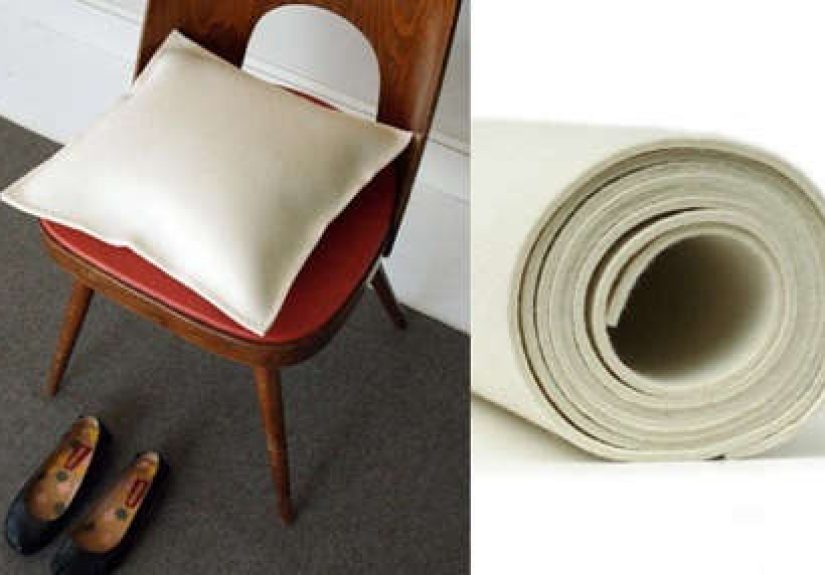
FilzFelt Felt by the Yard is a collection of 100% Merino wool design felt available in several thicknesses. The material is German-milled, nonwoven, and made by matting, condensing, and pressing wool fibers together. Instead of being woven like standard fabric, felt forms when wool fibers interlock through moisture, heat, pressure, and agitation. That process creates a dense, stable textile that can be cut, shaped, layered, wrapped, glued, stitched, or fabricated into architectural products.
FilzFelt offers its yardage in four main thicknesses: 3mm, 5mm, 8mm, and 10mm. The thinner options are more flexible and better suited to wallcoverings, wrapped surfaces, tackboards, and custom decorative applications. The thicker options have more body and structure, making them useful for seat pads, hanging panels, and other applications where the material needs to hold its shape like it has been doing Pilates.
Why Designers Like Wool Felt So Much
Wool felt has been used for centuries, but it feels surprisingly modern in contemporary interiors. That is because it solves several common design problems at once. Hard surfaces such as glass, concrete, tile, and drywall can make a room feel loud and cold. Wool felt adds a soft visual layer and helps reduce sound reflection, making a space feel calmer without the need for bulky acoustic foam or obvious sound-treatment panels.
FilzFelt’s version stands out because it combines performance with a strong color story. The collection includes a wide range of saturated, neutral, warm, cool, earthy, and bright tones. The 3mm and 5mm options are available in a broad color palette, while the 8mm and 10mm thicknesses are offered in 200 Natur, an undyed natural wool colorway. That natural shade is especially popular for projects that want a calm, organic look.
FilzFelt Thickness Options Explained
3mm Wool Design Felt
The 3mm option is the most flexible and is commonly used for wallcoverings, wrapped panels, tackboards, home goods, and custom architectural details. It has enough substance to feel premium but remains easy to manipulate during fabrication. Its width is approximately 70 3/4 inches, which gives designers generous coverage for large surfaces.
5mm Wool Design Felt
The 5mm version adds more density and visual depth. It works well for architectural products, hanging panels, floor coverings, and dimensional applications. It still offers flexibility, but it has a richer, more substantial hand. If 3mm is the sleek blazer of the family, 5mm is the structured wool coat.
8mm Wool Design Felt
The 8mm felt is thicker and more sculptural. It is commonly considered for seat pads, hanging panels, and wall applications that benefit from extra body. Because it is available in the natural 200 Natur color, it has a clean, understated look that works beautifully in Scandinavian, Japandi, modern farmhouse, wellness, boutique hospitality, and minimalist interiors.
10mm Wool Design Felt
The 10mm felt is the thickest FilzFelt Felt by the Yard option. It is firm, tactile, and visually substantial. It is especially appealing for custom seat pads, panels, dividers, and design details where the felt itself becomes a feature rather than a background player. Think of it as wool felt with main-character energy.
Best Uses for FilzFelt Felt by the Yard
One of the biggest advantages of buying FilzFelt by the yard is flexibility. Instead of selecting only pre-made panels or finished products, you can use the raw yardage for custom work. This makes it attractive for interior designers, millworkers, upholstery shops, acoustic consultants, makers, and homeowners who want a tailored result.
Wallcovering and Feature Walls
Felt wallcovering is one of the most popular applications for 3mm wool felt. It can soften a conference room, bedroom, reading nook, hallway, retail display area, or office lounge. Compared with paint, it adds texture and warmth. Compared with wallpaper, it offers a more tactile and acoustic-friendly surface. It is also a good choice for accent walls that need to look intentional but not overly flashy.
Wrapped Panels and Tackboards
FilzFelt works well on wrapped panels because it has a refined surface and dense construction. Designers often use felt-wrapped panels in offices, classrooms, studios, and home workspaces. A tackable felt surface can turn a plain wall into an idea board, pin-up zone, or presentation surface without making the room feel like a bulletin board from 1998.
Acoustic Panels and Hanging Dividers
Wool felt naturally helps absorb sound, and thicker felt generally offers more acoustic benefit than thinner felt when used properly. FilzFelt lists acoustic performance for several thicknesses, with 3mm offering light sound absorption, 5mm improving performance, and 8mm increasing it further. For serious acoustic control, felt can also be paired with acoustic substrates or used in engineered panel systems.
Seat Pads and Furniture Details
The thicker 8mm and 10mm felts are especially useful for seat pads and furniture details. They provide a soft, stable layer without looking overstuffed. A felt seat pad on a bench, stool, or dining chair can add comfort and texture while keeping a clean architectural profile.
Custom Cut Designs
Because wool felt can be cut into shapes, it is excellent for custom logos, geometric patterns, layered panels, acoustic art, and decorative inlays. Laser cutting, die cutting, hand cutting, stitching, and lamination can all be part of the design process, depending on the project and fabrication method.
Performance Benefits: More Than a Pretty Surface
FilzFelt wool felt is beautiful, but its appeal is not only visual. The material brings several practical benefits to interiors. It is naturally durable, resilient, moisture resistant, and sound absorptive. Wool is also known for its ability to resist flame better than many synthetic fibers because of its natural structure and moisture content.
Another major benefit is indoor air quality. FilzFelt’s 100% Wool Design Felt is described as VOC-free, formaldehyde-free, and free of chemical irritants. It also meets recognized low-emission testing standards. That matters because interior materials can affect how a room feels, smells, and performs over time. No one wants a beautiful wall that comes with a mysterious “new materials” odor strong enough to introduce itself before guests do.
Sustainability and Material Transparency
Sustainability is one of the strongest reasons designers choose wool felt. Wool is a natural, renewable fiber because sheep regrow fleece. FilzFelt’s wool design felt is biodegradable and commercially compostable under appropriate conditions. The material is made from sheep’s wool, water, and plant-based textile dyes, with some natural colorways using wool and water only.
FilzFelt also emphasizes responsible production and material transparency. Its wool is primarily sourced from regions known for wool production, including Australia, New Zealand, and South Africa, and the felt is milled in Germany. Finished architectural products are manufactured in the northeastern United States. The brand also upcycles, sells, or donates remnants and offcuts whenever possible, which is a smart approach for a material that designers hate to waste. Tiny felt scraps have a way of looking too useful to throw away, even when they are shaped like a confused triangle.
Color, Texture, and Natural Variation
FilzFelt’s color palette is one of its biggest selling points. The shades range from quiet neutrals to vivid reds, blues, greens, yellows, and purples. Because wool accepts dye deeply, the colors tend to look rich rather than flat. This makes the material useful for both subtle tone-on-tone interiors and bold brand-driven spaces.
However, buyers should understand that wool felt is a natural material. Slight color variation, fiber inclusions, and thickness differences can occur. These are not usually defects; they are part of the material’s character. For large projects, it is wise to order enough material from the same lot and inspect it before cutting or installation. In design, “natural variation” is charming. “We ran out halfway across the wall” is less charming.
How to Choose the Right FilzFelt Yardage
Choosing the right thickness depends on the purpose of your project. For wallcovering, wrapped panels, and tackboards, 3mm felt is often the practical choice because it is flexible, broad, and available in many colors. For panels, floor details, and applications needing more substance, 5mm felt offers extra body. For seat pads, sculptural pieces, and hanging panels, 8mm or 10mm felt may be the better option.
Color selection should be based on lighting, surrounding materials, maintenance expectations, and mood. A soft gray or natural wool shade can make a space feel calm and professional. A saturated blue or green can add personality to an office, library, or creative studio. Warm shades such as orange, rust, camel, and terracotta can add energy without turning the room into a circus tent.
Installation Tips for Better Results
Before cutting or installing FilzFelt, inspect the material. Because there is no true “right” or “wrong” side, choose the side that looks best for the final application. Plan seams carefully, especially on wallcovering projects. Direction, lighting, and pile appearance can affect how the surface reads once installed.
For direct-glue wall installation, the substrate should be clean, smooth, dry, and properly prepared. Always follow the manufacturer’s installation guidance and use the recommended adhesive system. If you are covering a large wall, professional installation is often worth the investment. Felt is forgiving in some ways, but once adhesive is involved, bravery alone is not a project plan.
Care and Maintenance
FilzFelt wool felt is relatively easy to maintain when treated properly. Regular vacuuming helps remove airborne dust and debris. A lint roller can also be useful for small surfaces. For minor spots, use mild soap and lukewarm water, blot gently, and avoid aggressive rubbing. Rubbing can continue the felting process and alter the surface texture.
For significant stains, large installations, or removable pieces, professional cleaning may be the safest approach. As with any natural wool product, test cleaning methods in an inconspicuous area first. The goal is to clean the felt, not start a dramatic before-and-after experiment.
Who Should Buy FilzFelt Felt by the Yard?
FilzFelt Felt by the Yard is ideal for people who want a premium material with both visual and performance value. It is especially useful for interior designers, architects, commercial specifiers, acoustic designers, custom fabricators, furniture makers, boutique retailers, hospitality designers, and homeowners creating high-end spaces.
It may not be the right choice for quick crafts, outdoor installations, wet areas, or projects where budget is the only priority. This is a design-grade material, and it should be treated as one. If you only need a felt square for a holiday ornament, craft felt will do. If you want a conference room wall that looks polished, absorbs some echo, and makes people say, “Wait, what is this material?” FilzFelt starts making a lot more sense.
Real-World Experience: Working With FilzFelt Felt by the Yard
The first thing most people notice when working with FilzFelt Felt by the Yard is the hand of the material. It feels dense, smooth, and serious. Not stiff like cardboard, not floppy like cheap fabric, but somewhere in that sweet spot where you can tell it was made for interiors rather than craft bins. When you unroll it, the surface has a quiet richness. Even neutral colors have depth, and bright colors look controlled rather than cartoonish.
In a home office, 3mm felt can make a big difference on a wall behind a desk. It adds softness to video-call backgrounds, reduces the harshness of a plain painted wall, and creates a surface that can handle pinned notes, inspiration images, or small project samples if mounted properly. The effect is subtle but noticeable. The room feels less echo-prone and more finished, almost as if the wall finally put on a tailored sweater.
For furniture projects, thicker felt is especially satisfying. A 10mm natural wool seat pad on a wooden bench can completely change the feeling of the piece. The bench still looks clean and modern, but it becomes more inviting. The felt does not need quilting, tufting, or extra decoration to feel considered. Its thickness and texture do the design work quietly.
One practical lesson is to plan cuts carefully. Wool felt is not a material you want to measure casually while holding coffee in one hand and optimism in the other. Use sharp blades, clean edges, a stable cutting surface, and a layout plan. If the piece will be visible from multiple angles, check the face, direction, and edge quality before final cutting. Natural variation is part of the charm, but sloppy planning is still sloppy planning.
Another experience-based tip is to order samples before committing. Computer screens are not reliable color judges, especially with textured materials. A gray may look warmer in daylight, cooler under LEDs, and completely different next to oak, walnut, concrete, or white paint. Samples also help you compare thicknesses. Many people assume thicker is automatically better, but that depends on the use. For a smooth wallcovering, 3mm may be perfect. For a bench pad, 3mm may feel too light. For a hanging panel, 5mm or 8mm may offer the right amount of presence.
Maintenance is usually straightforward, but felt rewards gentle habits. Vacuuming with care keeps dust from settling into the fibers. Blotting spills quickly is better than scrubbing later. In a family space, darker or heathered colors may be more forgiving than pale tones. In a commercial space, color choice should consider traffic, fingerprints, dust, and how close people will be to the surface.
The best projects with FilzFelt tend to be the ones that respect the material rather than forcing it to imitate something else. Let it be wool. Let it show subtle texture. Let the edge have a clean, honest look. Whether it is used for a feature wall, a custom tackboard, a bench cushion, or a set of acoustic dividers, FilzFelt works best when the design celebrates its natural warmth and architectural discipline.
Conclusion
FilzFelt Felt by the Yard is a premium wool felt material for interiors that need more than a decorative surface. It brings color, texture, acoustic comfort, durability, sustainability, and fabrication flexibility into one beautifully simple textile. With options ranging from flexible 3mm felt to substantial 10mm felt, it can serve everything from wallcoverings and tackboards to seat pads and custom architectural installations.
Its biggest strengths are its natural composition, rich color palette, acoustic potential, and refined appearance. It is not the cheapest felt, nor is it meant to be. It is for projects where the material matters, where the finish should feel intentional, and where a wall, panel, or furniture detail deserves a little more personality than paint can provide. In short, FilzFelt is what happens when wool felt grows up, studies architecture, and still keeps its soft side.
Note: This article is based on verified information from official FilzFelt and MillerKnoll product specifications, environmental statements, maintenance guidance, architectural material references, and reputable U.S. resources on wool, felt, sustainability, and indoor material performance.