Table of Contents >> Show >> Hide
- Meet the Frigidaire High Humidity Dehumidifier
- Design, Build Quality, and Setup
- Controls and Features: Easy, Not Fussy
- Performance: Does It Actually Dry Out a Damp Basement?
- Water Tank and Drain Options
- Maintenance and Reliability
- Pros and Cons
- Who Is the Frigidaire Dehumidifier Best For?
- Conclusion: Is the Frigidaire Dehumidifier Worth It?
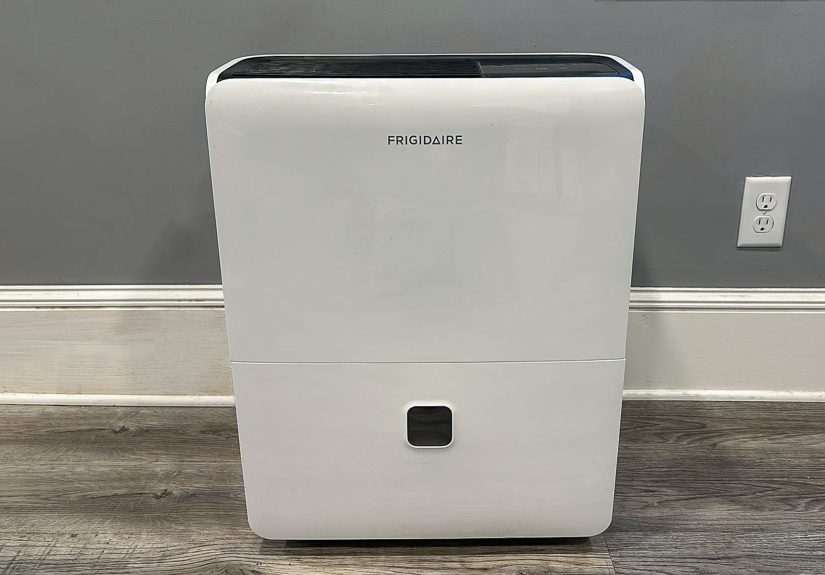
If your basement smells like a wet dog that just ran a marathon, it’s probably time to stop blaming the dog and start blaming the humidity. That’s where the Frigidaire High Humidity Dehumidifier comes in. Popular 50- to 60-pint Frigidaire models like the FFAD5033W1 and its newer cousins are consistently ranked among the best for basements and large rooms thanks to strong moisture removal, solid build quality, and Energy Star efficiency.
Family Handyman’s editors tested a Frigidaire High Humidity Dehumidifier in a real basement and actually kept it for their own home, which is a pretty strong vote of confidence. Drawing on their experience and broader lab tests from independent reviewers and retailer feedback, this review walks through how the unit performs in everyday life, where it shines, and a few quirks to know before you click “add to cart.”
Meet the Frigidaire High Humidity Dehumidifier
Frigidaire sells a family of dehumidifiers in the 35-, 50-, and 60-pint classes. The “High Humidity” 50-pint models, such as the FFAD5033W1 and updated FFAD5034W1, are designed for damp or very damp spaces up to roughly 1,500–3,000+ square feet, depending on conditions and layout. They’re particularly popular for basements, crawl spaces, and large living areas where moisture tends to linger.
Because Department of Energy testing standards changed a few years ago, today’s “50-pint” units roughly match the older 70-pint models in real-world capacity. In other words, you’re not getting a wimpy machineit’s just labeled under the newer rules. Independent testers regularly find that Frigidaire’s 50-pint unit pulls moisture faster than most competitors in its class, making it one of the quickest dehumidifiers to dry out a sealed test room.
Key Specs at a Glance
- Capacity: 50 pints per day under current DOE test conditions (similar to older 70-pint ratings)
- Coverage: Suitable for large rooms and basements (up to ~3,000 square feet in mild conditions)
- Filter: Washable dust filter to help clean airborne particles
- Tank: Approximately 16.9-pint bucket (larger than the average 50-pint unit)
- Drainage: Continuous gravity drain option using a standard hose
- Controls: Digital humidity setpoint, 3 fan speeds, timer, and auto restart after power loss
- Energy use: Energy Star certified for better efficiency than typical non-certified units
Design, Build Quality, and Setup
The Frigidaire looks like what you’d expect from a serious appliance: clean white case, simple top-mounted controls, side handles, and rolling casters. Multiple U.S. retailers and lab reviewers consistently praise Frigidaire dehumidifiers for feeling sturdier than many budget brands, with thick plastic panels that don’t flex like a dollar-store laundry basket.
Setup is refreshingly simple:
- Unbox it (ideally with another person if you have a tricky staircasethe unit weighs over 40 pounds).
- Remove the tape and plastic, slide out the water bucket, and make sure it’s seated properly.
- Check the washable air filter at the front or top, depending on the model.
- Plug it in, select your target humidity (40–60% is a comfortable range for most homes), and you’re off.
If you plan to use the continuous drain option, you can attach a standard garden hose to the rear port and run it to a floor drain or condensate pump. Users who do this often say the unit becomes almost “set-and-forget” for the summer season, because you never have to empty the bucket.
Controls and Features: Easy, Not Fussy
One of the best things about Frigidaire’s dehumidifiers is that they don’t require an engineering degree (or an app) to use. Many High Humidity models have simple, tactile buttons and an easy-to-read display that shows the current humidity and setpoint in 5% increments.
Humidity Control and Fan Speeds
You can typically set your desired humidity between around 35% and 85%. For most basements, 45–50% strikes a nice balance between comfort and not running the unit nonstop. There are usually at least two or three fan speeds; higher speeds pull moisture faster but are louder, while lower speeds keep noise more manageable for living spaces.
Timer, Auto Shutoff, and Restart
The built-in timer lets you schedule on/off times, which is great if you want it to run mainly during cheaper off-peak electricity hours. When the bucket fills, the machine automatically shuts off and flashes a “bucket full” indicator; once you empty and reseat the bucket, it picks up where it left off.
If your power goes out in a summer storm (thanks, humidity and thunderstorms), the auto-restart feature brings the unit back online with your previous settings, ideal for remote basements or rentals.
Wi-Fi and Smart Features (On Some Models)
Not every Frigidaire High Humidity unit has Wi-Fi, but the Wi-Fi serieslike the FHDD5033W1/FHDD5034W1 or Gallery-branded modelsadds remote control via an app, scheduling, and integration with smart-home platforms. Reviewers generally like the convenience but note that the premium price is mainly worth it if you genuinely use those features.
Performance: Does It Actually Dry Out a Damp Basement?
This is where the Frigidaire High Humidity Dehumidifier earns its reputation. Independent lab tests have repeatedly found that the FFAD5033W1 and related models are among the fastest 50-pint units at removing moisture, outperforming the average competitor both in speed and energy use per pint removed.
Moisture Removal and Airflow
Frigidaire’s 50-pint unit moves a healthy amount of air, and that airflow helps it pull moisture from corners and around furniture more effectively. In large-room tests, it brings humidity down to comfortable levels quickly and maintains stable readings, even in stubborn, damp basements.
Family Handyman’s own testing experience lines up with this: after running the unit in a previously musty basement, they reported better comfort and kept the dehumidifier as part of their permanent home setup.
Noise Levels
No dehumidifier is truly silentthere’s a compressor and fan at work. Frigidaire’s unit is generally considered “medium loud”: fine for a basement or utility room, noticeable but tolerable in a living area at low or medium speed. Lab reviewers point out that noise is more apparent on high fan speed or in echoey spaces, but not unusually loud versus similar high-capacity units.
Energy Efficiency
Because the Frigidaire is Energy Star certified, it uses less electricity than non-certified units with similar capacity. Testing-based buyer’s guides note that it removes moisture faster than most 50-pint competitors while drawing similar or slightly less power, which means you’re getting more humidity reduction per kilowatt-hour.
Water Tank and Drain Options
The oversized tank (about 16.9 pints) is one of the Frigidaire’s unsung heroes. A larger tank means fewer trips to the sink, especially during humid spells when the dehumidifier might easily fill smaller buckets a couple of times a day. The bucket slides out from the front with sturdy handles and a spill-resistant design, which helps avoid that classic “I just watered my socks” move on the way to the drain.
If you’re lucky enough to have a floor drain, continuous drainage is absolutely worth setting up. Many owners report running their Frigidaire continuously all summer with a hose hooked up, no bucket emptying required.
Maintenance and Reliability
Dehumidifiers live a hard life: hot, humid air, 24/7 operation, dust, and the occasional bump from a laundry basket. Frigidaire’s models have a good track record overall, with thousands of reviews at major retailers averaging in the 4.4–4.6 out of 5 star range.
Routine Maintenance
- Filter cleaning: Rinse the washable filter every few weeks in heavy-use seasons to keep airflow and efficiency high.
- Bucket and drain: Check the bucket for slime or mildew and give it a quick soap-and-water wash occasionally.
- Coil care: Keep the intake and exhaust grilles clear; every so often, vacuum dust off the exterior grills to help airflow.
The main downside: Frigidaire’s standard warranty is usually just one year, which is shorter than the multi-year coverage some competitors offer on sealed systems. Because dehumidifiers in general have a finite life span, many experts recommend plugging the unit into a surge protector and avoiding extremely cold environments where coils could freeze.
Pros and Cons
What We Like
- Excellent moisture removal and strong airflow for large rooms and basements
- Energy Star efficiency saves on long-term operating costs
- Large bucket and continuous drain option provide flexible operation
- Simple, intuitive controlsno steep learning curve
- Good build quality and high average user ratings across major retailers
What Could Be Better
- Noise on high fan speed is noticeable in living spaces
- Shorter warranty than some competitors
- Wi-Fi versions cost more, and smart features are optional rather than essential
- Like all dehumidifiers, performance drops in very cold rooms (near or below 41°F)
Who Is the Frigidaire Dehumidifier Best For?
The Frigidaire High Humidity Dehumidifier is an especially strong fit if:
- You have a damp or musty basement that needs consistent drying power.
- You live in a humid climate and want to protect finishes, furniture, and tools from moisture damage.
- You prefer simple, reliable controls over ultra-fancy smart-home setups.
- You want a dehumidifier that’s been heavily tested and widely recommended, not a no-name bargain brand.
Day-to-day, the Frigidaire is surprisingly easy to forget aboutin a good way. Once you’ve picked a target humidity and set the fan speed, the unit cycles on and off as needed. In a very humid spell, you might hear it humming more often, but it isn’t constantly demanding attention unless the bucket is filling up and you haven’t set up continuous drainage.
People who connect a hose to a floor drain often describe the experience as “fire-and-forget.” One homeowner ran a 50-pint Frigidaire in their basement, draining to a floor drain, for multiple summers in a row. Aside from occasionally rinsing the filter and vacuuming dust off the grille, they barely touched it. That’s the ideal scenario for a basement appliance: workhorse performance with minimal babysitting.
Noise is the one area where expectations matter. On low speed, the Frigidaire sounds like a box fan plus a quiet refrigeratorpresent, but not outrageous. On high, it’s a steady whoosh and compressor hum that’s perfectly fine in a basement TV room if you’re not ultra sensitive, but probably not what you want two feet from your couch during a movie night. Reviewers who test multiple dehumidifiers in controlled labs typically rate Frigidaire as average-to-better-than-average on noise for its size class, but not whisper-quiet.
On the reliability side, experiences are mostly positive but realistic. Many units run for years without complaint. Others eventually face issues common to all dehumidifiers: sensors failing, compressors wearing out, or coils icing up in cold rooms. Some users mention needing repair help or replacement outside the one-year warranty window. That’s why it’s smart to treat dehumidifiers as hardworking appliances with a finite life span rather than forever machines. Using a surge protector, keeping them in reasonably warm spaces, and giving them a day off during freezing conditions can all help stretch that lifespan.
One practical bonus that doesn’t show up in spec sheets: a good dehumidifier can help your HVAC system feel more effective. Lower humidity makes air feel cooler at the same temperature, meaning your air conditioner doesn’t have to work as hard to make you comfortable. Home pros and energy experts often recommend dehumidifiers as part of a broader plan to tame clammy basements and protect a home’s structure and finishes.
Finally, there’s the subtle peace of mind. If you’ve invested in finished basement spaces, home theaters, woodworking shops, or just sentimental storage, keeping humidity under control is a relatively low-cost insurance policy. You may not brag to guests about your dehumidifier (“Come downstairs and see my amazing humidity control!” doesn’t roll off the tongue), but you’ll appreciate it every time you open the basement door and it smells like…nothing. And in the world of basements, “nothing” is the dream.
In short, real-life experiences largely back up what the lab data and pro reviews say: the Frigidaire High Humidity Dehumidifier is a strong, practical choice that can quietly transform a damp, forgotten space into a usable part of your home.
Conclusion: Is the Frigidaire Dehumidifier Worth It?
If you’ve been wrestling with moisture, musty odors, or that creeping feeling that your basement is slowly turning into a mushroom farm, the Frigidaire High Humidity Dehumidifier is absolutely worth a hard look. It combines strong moisture removal, solid build quality, easy controls, and respectable efficiency into a package that’s been battle-tested in both pro labs and thousands of American homes.
It’s not the quietest appliance in your house, and the one-year warranty leaves a little to be desired. But as long as you treat it like a serious applianceclean the filter, keep it in a reasonable temperature range, and protect it from power surgesit’s likely to earn a permanent spot in your humidity-fighting lineup.
Bottom line: if you want a dependable, no-drama dehumidifier that can tame a damp basement, the Frigidaire High Humidity Dehumidifier lives up to the hypeand just might make your basement the nicest-smelling room in the house.
Share On Social