Table of Contents >> Show >> Hide
- Why Certain Fruits and Vegetables Work Better for GERD
- Best Fruits That Are Often Safe to Eat With GERD
- Vegetables That Are Often Safe to Eat With GERD
- Fruits and Vegetables More Likely to Trigger GERD Symptoms
- How to Eat Fruits and Vegetables Without Worsening Reflux
- A Sample Day of GERD-Friendly Fruits and Vegetables
- Common Mistakes People Make With a GERD Diet
- Experiences People Commonly Have When Switching to GERD-Friendly Produce
- Final Thoughts
If you have GERD, grocery shopping can start to feel like a strange game show called Will This Cause Regret? One aisle offers oranges that look innocent but may stage a full-on heartburn rebellion later. Another has tomatoes, which are delicious but sometimes behave like tiny red troublemakers. The good news is that you do not have to fear all produce. In fact, many fruits and vegetables can fit beautifully into a GERD-friendly eating pattern when you choose lower-acid options, pay attention to texture, and avoid the sneaky habit of eating a giant “healthy” salad five minutes before lying down.
GERD, or gastroesophageal reflux disease, happens when stomach contents move back up into the esophagus. That can lead to burning, throat irritation, sour taste, bloating, or the lovely sensation that your chest is writing angry emails to your dinner. While food is not the only reason symptoms happen, it often plays a major role. Acidic foods like citrus fruits and tomatoes are common triggers, while lower-acid, less irritating produce is often easier to tolerate. The key word is often. There is no single perfect GERD produce list for every person, but there are smart starting points.
Note: “Safe” with GERD usually means “commonly better tolerated,” not “guaranteed never to cause symptoms.” Your body gets a vote. If a food that is considered GERD-friendly still bothers you, trust your symptom pattern and adjust.
Why Certain Fruits and Vegetables Work Better for GERD
When people think about reflux, they usually focus on acid alone. That matters, but it is not the whole story. Some foods are acidic and can irritate the esophagus directly. Others are high in fat, which can slow stomach emptying and make reflux more likely. Some raw vegetables are healthy in every other universe, but in the GERD universe they may feel too rough, too gassy, or too bulky if you eat a huge portion at once.
That is why the best fruits and vegetables for GERD tend to fall into a few categories:
- Lower-acid fruits: These are less likely to sting already irritated tissue.
- Watery produce: These options can feel lighter and less heavy in the stomach.
- Fiber-rich but gentle vegetables: These can help with fullness and digestion without the drama of heavily acidic foods.
- Cooked or softened produce: When symptoms are active, softer textures are often easier to handle than raw, fibrous, or heavily seasoned foods.
Best Fruits That Are Often Safe to Eat With GERD
1. Bananas
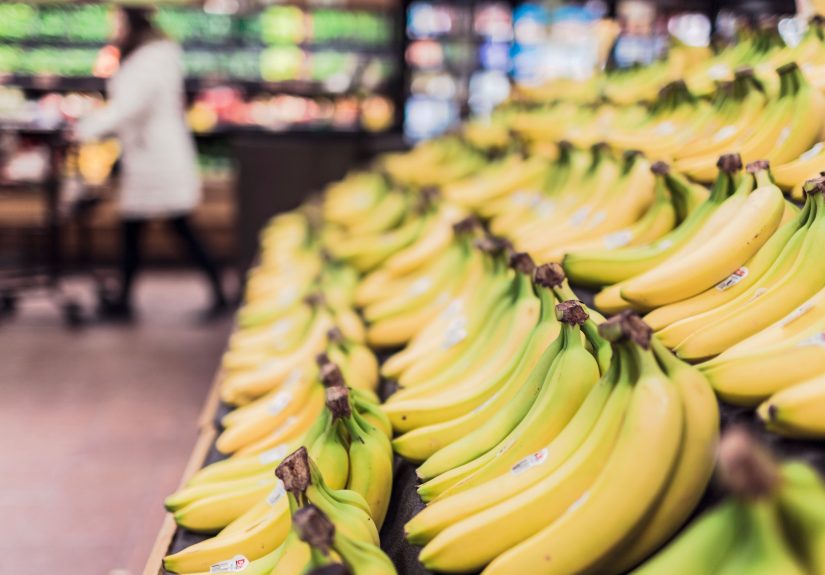
Bananas are one of the most commonly recommended fruits for acid reflux. They are mild, easy to digest, and low enough in acidity to be a favorite on many GERD diet lists. They also have soluble fiber, which can support digestion. Ripe bananas are usually a better choice than very green ones, which may be harder for some people to digest. If your stomach is feeling dramatic, a ripe banana is basically the calm friend who says, “Let’s not make this worse.”
2. Melons
Cantaloupe, honeydew, and watermelon are classic GERD-friendly fruits. They are lower in acid than citrus fruits and high in water, which makes them feel lighter. Melons are often a great substitute when you want something refreshing but do not want to gamble on orange slices. Watermelon can work well for some people, though large portions may feel overly filling, so moderation still matters.
3. Pears
Pears are a smart option for many people with reflux because they are less acidic than citrus and tend to be gentle when ripe. Peeled pears may be even easier to tolerate if your symptoms flare easily. Pear sauce or soft baked pears can also be excellent when your esophagus needs a little less texture and a little more peace.
4. Apples and Applesauce
Apples are a little more complicated than bananas and melons. Some people do just fine with sweet apple varieties, while tart apples may be more irritating. If whole raw apples feel too sharp or too fibrous, unsweetened applesauce is often a better move. Baked apples can also work because cooking softens the texture and makes them feel gentler.
5. Berries in Sensible Portions
Berries show up on some GERD-friendly food lists because they are non-citrus fruits and bring fiber and antioxidants to the table. Still, tolerance varies. Strawberries, blueberries, and raspberries may work well for one person and annoy another. Start with a small serving instead of a giant smoothie bowl that looks like a fruit festival. Blueberries are often the easiest place to start because they are usually mild and easy to portion.
6. Soft or Cooked Fruit When Symptoms Flare
If reflux is acting up, texture matters. Canned fruit packed in water or juice, unsweetened applesauce, soft bananas, and cooked fruit can be easier than raw, coarse fruit. This does not mean raw fruit is bad. It just means your esophagus may prefer a softer personality on rough days.
Vegetables That Are Often Safe to Eat With GERD
1. Leafy Greens
Leafy greens like spinach, lettuce, kale, and mixed greens are frequently recommended because they are naturally low in fat and generally low in acid. The catch: a mountain-sized salad can still cause trouble simply because it is a large meal. If raw greens feel uncomfortable, try lightly sautéed spinach or tender cooked greens instead.
2. Cucumbers and Lettuce
These watery vegetables are often easier on reflux because they feel light and refreshing. Cucumbers can be especially useful in cool salads or sandwiches, but some people do better with peeled cucumber if the skin feels too rough. Lettuce is usually fine in moderate amounts, especially when it is not buried under spicy dressing, raw onion, and enough vinegar to clean a countertop.
3. Green Beans, Asparagus, and Broccoli
Green vegetables are often encouraged in GERD meal plans, especially when they are steamed, roasted without too much fat, or added to soups. Green beans and asparagus are usually good starting points. Broccoli can also work for some people, but it may cause gas in others, especially in large servings or when eaten raw. In other words, broccoli is healthy, but it can still be socially and digestively adventurous.
4. Cauliflower and Fennel
Cauliflower appears on some reflux-friendly lists because it is relatively alkaline compared with highly acidic foods. Fennel is also commonly mentioned as a gentle, lower-acid option. Still, both can bother some sensitive stomachs when eaten raw. Roasting or steaming usually gives them a better shot at behaving well.
5. Root Vegetables
Sweet potatoes, carrots, beets, and regular potatoes are often excellent choices for GERD. They are filling, versatile, and generally easy to digest when cooked well. Sweet potatoes bring fiber and a naturally mild sweetness, carrots work in soups and purees, and mashed potatoes can be very comforting when you need something plain but not boring.
6. Squash and Other Soft Cooked Vegetables
Zucchini, yellow squash, and cooked carrots are often easier than raw crunchy vegetables when symptoms are active. Soft vegetables in soups, bowls, and simple side dishes can help you keep produce in your diet without turning every meal into a reflux experiment.
Fruits and Vegetables More Likely to Trigger GERD Symptoms
Not every fruit and vegetable gets along with reflux. The most common troublemakers include:
- Citrus fruits: oranges, grapefruits, lemons, limes
- Tomatoes and tomato products: raw tomatoes, salsa, pasta sauce, pizza sauce, ketchup
- Pineapple: often too acidic for sensitive people
- Onions and garlic: especially raw versions, which can be rough for some people
- Hot peppers and spicy produce: jalapeños, chili peppers, and heavily peppered dishes
Some people also struggle with raw salads, cruciferous vegetables, or very high-fiber produce during a flare, not because those foods are unhealthy, but because large rough portions can feel irritating or gassy. Cooking changes the game. A raw onion ring and a soft cooked carrot are not even in the same league.
How to Eat Fruits and Vegetables Without Worsening Reflux
Keep portions moderate
A food can be perfectly reasonable and still backfire when you eat too much of it. A moderate bowl of melon may feel great. A huge fruit platter after a heavy dinner may not. GERD often cares about meal size as much as ingredient choice.
Choose cooked over raw when needed
If your symptoms are active, switch to steamed, roasted, baked, or pureed produce. Applesauce, cooked carrots, mashed sweet potatoes, and vegetable soups are often easier than raw crunchy foods.
Avoid heavy fat with your produce
A baked potato may be fine. A baked potato buried under bacon, full-fat cheese, and a heroic amount of sour cream may not be. The produce is not always the villain; sometimes the toppings are the plot twist.
Skip acidic add-ons
Even GERD-friendly vegetables can become troublesome when soaked in vinegar, hot sauce, tomato dressing, or citrus marinade. Go for simple seasoning, a little olive oil if tolerated, and gentle herbs instead.
Do not lie down after eating
This is one of the most underrated reflux habits. A GERD-friendly meal still deserves time to settle. Give yourself a few hours before bed whenever possible.
Use a food and symptom diary
General lists are useful, but your own body is the final editor. Track what you ate, how it was cooked, portion size, and symptoms afterward. You may discover that bananas are wonderful, blueberries are fine, and raw apples are trying to start a feud.
A Sample Day of GERD-Friendly Fruits and Vegetables
Breakfast: Oatmeal with sliced banana and a few blueberries
Snack: Unsweetened applesauce
Lunch: Grilled chicken with steamed green beans and mashed sweet potatoes
Snack: Pear slices or melon cubes
Dinner: Baked fish with rice, sautéed spinach, and roasted carrots
Evening option, if needed and early enough: A small serving of banana or a few bites of applesauce
This type of plan keeps produce in the rotation without leaning on obvious acid triggers like orange juice, tomato sauce, or spicy salsa.
Common Mistakes People Make With a GERD Diet
- Assuming all fruit is automatically safe because it is “healthy”
- Eating citrus or tomato products daily and wondering why symptoms keep showing up
- Loading vegetables with butter, cream, cheese, or spicy dressing
- Eating giant salads late at night
- Ignoring texture and cooking method during a flare
- Giving up on all produce after one bad experience
The goal is not to fear food. It is to build a smarter pattern. Many people with GERD can eat a wide variety of fruits and vegetables once they figure out which choices, portions, and preparations work best.
Experiences People Commonly Have When Switching to GERD-Friendly Produce
One of the most common experiences people describe is surprise. They expect a GERD diet to feel bland, restrictive, and joyless, but often find that the problem is not fruits and vegetables themselves. The real issue is usually which fruits and vegetables they choose and how they eat them. Someone who starts the day with orange juice and ends it with pasta drenched in tomato sauce may feel miserable, then switch to oatmeal with banana, a lunch built around greens and sweet potatoes, and a dinner with cooked carrots or green beans and suddenly realize their chest has become far less dramatic.
Another common experience is learning that raw and cooked produce do not feel the same. Many people tolerate spinach in a warm sauté better than a huge raw salad. Applesauce may go down easily while a tart raw apple feels sharp. Roasted carrots and mashed sweet potatoes often feel soothing, while raw onion or a spicy pepper can trigger symptoms almost immediately. This can be frustrating at first, because it means nutrition advice is not just about the food itself. Texture, temperature, portion size, and timing all matter.
People also often notice that “healthy eating” habits they thought were helping can actually make reflux worse. A giant smoothie packed with acidic fruit, a late-night fruit bowl, or a salad with vinegar-heavy dressing may sound virtuous, but GERD is not impressed by good intentions. On the other hand, smaller portions of banana, melon, pear, cooked squash, or steamed green beans often feel much more manageable. It is less glamorous, perhaps, but your esophagus is not shopping for glamour. It is shopping for peace.
There is also the experience of trial and error, which is annoyingly normal. One person may handle blueberries well but not strawberries. Another may do fine with broccoli in a small cooked serving but regret a giant bowl of it. Some people learn that ripe fruit sits better than underripe fruit. Others find they can eat a favorite produce item only at lunch, not late at night. This is why keeping a symptom diary can be genuinely helpful. Patterns start to appear, and once they do, meals become much easier to plan.
Perhaps the biggest experience people report is relief when they stop trying to follow an impossibly strict diet and start following a realistic one. GERD-friendly eating usually works best when it is simple, repeatable, and flexible. You do not need a refrigerator full of “superfoods.” You need a short list of fruits and vegetables that reliably treat you well. Bananas, melons, pears, applesauce, leafy greens, cucumbers, green beans, carrots, squash, sweet potatoes, and similar lower-acid options give many people a strong place to start. Once symptoms calm down, confidence often comes back too. And that may be the most satisfying experience of all: eating produce again without feeling like every bite is a tiny suspense film.
Final Thoughts
If you have GERD, fruits and vegetables are not the enemy. You just need the right cast. Lower-acid fruits like bananas, melons, pears, and applesauce are often safer choices than citrus or pineapple. Vegetables like leafy greens, cucumbers, green beans, carrots, squash, sweet potatoes, and other cooked, mild options can help you eat well without constantly provoking reflux. Start simple, watch your portions, choose gentler textures during flares, and keep track of your personal triggers.
The most effective GERD diet is not the most restrictive one. It is the one you can actually live with, enjoy, and repeat without your stomach filing complaints.