Table of Contents >> Show >> Hide
- What Is a Gluten-Free Diet, Exactly?
- What to Avoid on a Gluten-Free Diet
- What You Can Eat Instead
- Benefits of a Gluten-Free Diet
- Sample Gluten-Free Menu
- Best Tips for Following a Gluten-Free Diet Successfully
- Common Mistakes People Make
- Experience-Based Lessons From Real Gluten-Free Living
- Conclusion
- SEO Tags
A gluten-free diet sounds simple on paper: avoid gluten, carry on, become the organized kitchen wizard you were always meant to be. In real life, it is a little more complicated than tossing out a loaf of bread and glaring suspiciously at pasta. Gluten hides in obvious places like bagels and beer, but it also sneaks into sauces, soups, processed snacks, and shared kitchen tools covered in innocent-looking crumbs.
The good news is that a gluten-free diet can be life-changing for the right person. For people with celiac disease, it is the main treatment and can help ease symptoms, support healing in the small intestine, and lower the risk of long-term complications. For others, such as people with non-celiac gluten sensitivity, it may reduce digestive discomfort. Still, gluten-free is not automatically healthier for everyone, and a poorly planned version can leave you low on fiber and certain nutrients.
This guide breaks down what a gluten-free diet really means, what to avoid, what to eat instead, the benefits, a sample menu, and smart tips that make the whole thing feel less like a scavenger hunt and more like a sustainable way of eating.
What Is a Gluten-Free Diet, Exactly?
A gluten-free diet removes gluten, a protein naturally found in wheat, barley, and rye. That means foods made with those grains are out, along with many packaged foods that contain gluten-based ingredients or are exposed to gluten during processing.
This diet is medically necessary for people with celiac disease, an autoimmune condition in which eating gluten triggers an immune reaction that damages the lining of the small intestine. It may also be helpful for people with non-celiac gluten sensitivity, who can have symptoms after eating gluten but do not have the same intestinal damage seen in celiac disease.
It is also worth clearing up a common mix-up: wheat allergy is not the same as celiac disease, and “gluten allergy” is not really the right medical term. Some people need to avoid wheat specifically, but not always barley or rye. That distinction matters, which is why diagnosis should come before a major diet overhaul whenever possible.
One Important Rule Before You Start
If you think you may have celiac disease, do not go gluten-free before getting tested unless your doctor specifically tells you to. Once you stop eating gluten, blood tests and other diagnostic tools can become less reliable. In other words, going gluten-free too early can muddy the medical picture just when you want clear answers.
What to Avoid on a Gluten-Free Diet
The headline version is easy: avoid wheat, barley, rye, and foods made from them. The fine print, however, deserves its own spotlight.
Main Grains and Ingredients to Avoid
- Wheat
- Barley
- Rye
- Triticale
- Malt and malt flavoring, which usually come from barley
- Brewer’s yeast in certain products
- Regular oats that are not labeled gluten-free
Oats are a special case. Oats themselves do not naturally contain gluten, but they are often contaminated with wheat, barley, or rye during farming or processing. If you eat oats, choose ones clearly labeled gluten-free.
Common Foods That Often Contain Gluten
- Bread, rolls, bagels, tortillas made with wheat flour
- Pasta, noodles, dumplings, and couscous
- Breakfast cereals and granola
- Crackers, cookies, cakes, pastries, and pie crusts
- Breading and batter on fried foods
- Soy sauce, some marinades, gravies, and salad dressings
- Cream soups and thickened sauces
- Processed deli meats, veggie burgers, and meat substitutes
- Snack foods with flavored coatings or seasoning blends
- Regular beer and some malt beverages
Hidden Gluten Sources That Catch People Off Guard
Now we enter the “well, that is rude” portion of the program. Gluten can show up in foods you would not expect, especially when wheat flour is used as a thickener or malt is added for flavor. Watch labels on:
- French fries and chips with coatings or shared fryer exposure
- Candy and candy bars
- Soup mixes and bouillon
- Seasoning packets and spice blends
- Sauces for stir-fries, wings, or barbecue
- Energy bars and meal replacement bars
- Communion wafers, specialty products, or supplements in some cases
In the United States, the FDA allows foods labeled “gluten-free” to contain less than 20 parts per million of gluten. That standard is useful, but it does not mean every unlabeled item is safe, so reading ingredient lists is still part of the job description.
Cross-Contact: The Tiny Crumb, Big Problem Problem
For people with celiac disease, the problem is not only ingredients. Cross-contact happens when a gluten-free food touches gluten during cooking, serving, or storage. A shared toaster, wooden cutting board, colander, or butter tub can turn a technically safe food into a risky one.
That means a gluten-free diet often includes a few practical kitchen rules: separate condiments, separate toaster equipment, clean prep surfaces, and clear communication at home and in restaurants. Crumbs may be small, but they are not charming.
What You Can Eat Instead
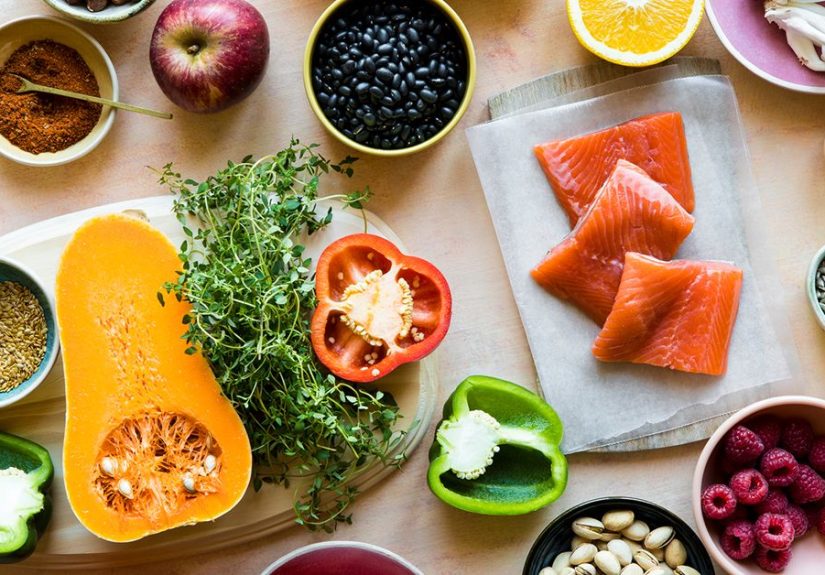
Fortunately, a gluten-free diet is not a lettuce-only punishment plan. Many naturally gluten-free foods are both nutritious and widely available.
Naturally Gluten-Free Foods
- Fruit and vegetables
- Eggs
- Plain meat and poultry
- Fish and seafood
- Milk, yogurt, and many cheeses
- Beans, lentils, nuts, and seeds
- Rice, corn, quinoa, millet, buckwheat, amaranth, and teff
- Potatoes and sweet potatoes
- Gluten-free oats
The smartest way to eat gluten-free is to build meals around whole foods first, then use packaged gluten-free products as helpers rather than the main event. Translation: quinoa bowl first, neon gluten-free snack cake second.
Benefits of a Gluten-Free Diet
The benefits depend on why you are following the diet in the first place.
For People With Celiac Disease
- May reduce symptoms such as diarrhea, bloating, stomach pain, fatigue, or anemia
- Supports healing of the small intestine over time
- Can improve nutrient absorption
- Helps lower the risk of ongoing intestinal damage and related complications
For People With Non-Celiac Gluten Sensitivity
- May improve bloating, abdominal discomfort, brain fog, or fatigue in some people
- Can help identify whether gluten-related foods are part of the symptom pattern
What a Gluten-Free Diet Does Not Automatically Do
It is not a guaranteed weight-loss plan, miracle anti-inflammatory hack, or universal path to better digestion. In fact, many processed gluten-free foods are made with refined starches and can be low in fiber while being higher in sugar or fat than their gluten-containing counterparts. A gluten-free cookie is still a cookie. A charming cookie, perhaps, but still a cookie.
Sample Gluten-Free Menu
Here is a balanced one-day sample menu that shows how practical gluten-free eating can look without turning every meal into a math problem.
Breakfast
Greek yogurt topped with berries, chia seeds, chopped walnuts, and certified gluten-free oats. Serve with a boiled egg and coffee or tea.
Mid-Morning Snack
Apple slices with peanut butter.
Lunch
Quinoa bowl with grilled chicken, roasted sweet potatoes, cucumber, cherry tomatoes, spinach, pumpkin seeds, and a lemon-olive oil dressing.
Afternoon Snack
Rice cakes with cottage cheese and sliced strawberries, or hummus with carrots and bell pepper strips.
Dinner
Baked salmon with brown rice, steamed broccoli, and a side salad with avocado. Use a simple dressing made from olive oil, vinegar, Dijon mustard, and herbs.
Dessert
Dark chocolate and fresh raspberries, or a banana with cinnamon and almond butter.
Bonus Meal-Swap Ideas
- Swap wheat pasta for brown rice pasta or chickpea pasta
- Use corn tortillas instead of flour tortillas
- Choose tamari labeled gluten-free instead of regular soy sauce
- Replace breadcrumbs with crushed gluten-free crackers or almond flour
- Try baked potatoes or polenta instead of dinner rolls
Best Tips for Following a Gluten-Free Diet Successfully
1. Read Every Label Like It Owes You Money
Check both the ingredient list and any gluten-free claim. Look for wheat, barley, rye, malt, brewer’s yeast, and ingredients derived from them.
2. Build Meals Around Naturally Gluten-Free Foods
Focus on produce, protein, legumes, dairy, and gluten-free whole grains. This improves nutrition and usually lowers the cost of the diet.
3. Prevent Cross-Contact at Home
Keep separate condiments, cutting boards, colanders, and toaster spaces when needed. Label shared items clearly in mixed households.
4. Ask Questions at Restaurants
Do not stop at “Do you have gluten-free options?” Ask how the food is prepared, whether a shared fryer is used, and how the kitchen prevents cross-contact.
5. Watch Out for Fiber Gaps
Because many gluten-free packaged foods use refined starches, fiber intake can drop fast. Choose beans, berries, vegetables, nuts, seeds, quinoa, brown rice, and gluten-free oats regularly.
6. Keep an Eye on Nutrients
A poorly planned gluten-free diet can be low in fiber, iron, B vitamins, and other nutrients that are often found in fortified grain products. Aim for variety and consider working with a registered dietitian, especially after a new diagnosis.
7. Avoid Turning the Diet Into a Personality Test
Perfectionism can make the transition harder than it needs to be. The goal is not to become an anxious label detective at every meal. The goal is to create repeatable habits that keep you safe and well-fed.
Common Mistakes People Make
- Assuming “wheat-free” always means gluten-free
- Forgetting that barley malt can show up in cereal, flavorings, and beverages
- Eating regular oats instead of certified gluten-free oats
- Ignoring cross-contact in shared kitchens
- Over-relying on processed gluten-free snacks and breads
- Starting the diet before testing for celiac disease
Experience-Based Lessons From Real Gluten-Free Living
The experience of going gluten-free is usually less dramatic than social media makes it look and more practical than people expect. For many, the first week feels like a pantry audit mixed with a detective story. You suddenly realize gluten is not just in bread and pasta. It is in the soy sauce, the soup thickener, the office birthday cupcakes, and the mystery seasoning on the fries you trusted with your whole heart. The learning curve is real, but it gets easier fast.
One of the most common experiences people describe is the surprise of feeling better only after they become stricter about small details. At first, someone might swap sandwich bread for gluten-free bread but keep using the same toaster, the same jar of peanut butter, and the same cutting board. Then symptoms continue, and frustration sets in. Later, once they separate condiments and clean up cross-contact risks, the puzzle pieces start to fit. That is often the moment the diet begins to make sense.
Many people also learn that convenience foods are not always their best friend. At the start, it is tempting to buy every packaged item with a gluten-free label and call it a success. But after a few weeks of expensive crackers, underwhelming frozen muffins, and bread that tastes like a polite apology, many people shift back toward naturally gluten-free meals. Rice bowls, baked potatoes, eggs, chili, tacos with corn tortillas, yogurt parfaits, and simple grilled proteins often become the staples that make the diet feel normal again.
Eating out is another major milestone. In the beginning, restaurant menus can feel like obstacle courses. Eventually, most people build a short list of reliable questions: Is the fryer shared? Is the sauce thickened with flour? Can you use clean gloves? Is the pasta water separate? Once those questions become routine, dining out usually feels less stressful. Confidence does not come from memorizing every menu on earth. It comes from knowing how to ask the right things without feeling awkward about it.
Social situations can be surprisingly emotional too. Birthday cake, pizza nights, holiday stuffing, and potlucks all carry a little more meaning when you cannot casually join in. Some people say the hardest part is not the food itself, but the feeling of being “extra” for asking questions or bringing their own dish. Over time, though, many get better at planning ahead, speaking up early, and keeping backup snacks nearby. That simple habit can save a lot of hanger and a lot of bad decisions involving questionable buffet labels.
Another shared experience is discovering that gluten-free does not mean nutrition-proof. People often notice that when they rely too much on processed substitutes, they feel less satisfied and sometimes more sluggish. The meals that tend to work best are usually the least flashy: protein, produce, healthy fats, beans, potatoes, rice, and gluten-free whole grains. In that sense, the gluten-free diet often works best when it becomes less about specialty products and more about smart food patterns.
Perhaps the biggest lesson is that the diet becomes easier once it stops feeling temporary. The early stage is full of label reading, second-guessing, and kitchen reorganization. Later, it becomes habit. You know which brands work, which restaurants are trustworthy, which snacks belong in your bag, and which “just one bite” situations are not worth the aftermath. That shift does not happen overnight, but once it does, a gluten-free diet can move from overwhelming to automatic, and that is usually when people feel most in control.
Conclusion
A gluten-free diet can be essential, effective, and absolutely doable, but it works best when it is based on real knowledge rather than internet mythology. Start by knowing what gluten is, what foods and ingredients to avoid, and why cross-contact matters. Build meals around naturally gluten-free foods, use packaged products strategically, and do not assume a gluten-free label turns a snack into a health food halo.
Most of all, remember this: the best gluten-free diet is not the one with the fanciest flour blend or the most expensive crackers. It is the one you can follow safely, confidently, and consistently in real life.