Table of Contents >> Show >> Hide
- Who (and What) Is the Good Housekeeping Institute?
- Why Good Housekeeping Institute Product Reviews Matter
- Inside the Labs: How Good Housekeeping Tests Different Products
- Step-by-Step: From Product Arrival to Final Rating
- The Good Housekeeping Seal: The Ultimate Badge of Trust
- How GHI Testing Compares to Other Product-Testing Programs
- How to Use Good Housekeeping Institute Reviews When You Shop
- The Future of Product Testing: Sustainability and Smarter Homes
- Real-World Experiences: What Testing Looks Like Day to Day
- Conclusion: Tried, Tested, and Worth Your Time
If you’ve ever stood in a store aisle, staring at six nearly identical vacuum cleaners while your soul quietly left your body, you already know why
testing matters. Marketing claims are loud. Real performance? Not so much. That’s where the Good Housekeeping Institute (GHI) comes in.
For more than a century, the Good Housekeeping Institute has been putting products through their paces so shoppers don’t have to gamble with their
money. From stand mixers and stain removers to mattresses and moisturizers, GHI’s labs and expert testers look past shiny packaging to see what really
works in everyday life.
Who (and What) Is the Good Housekeeping Institute?
The Good Housekeeping Institute was originally founded in the early 1900s as an “experiment station” connected to Good Housekeeping
magazine. The idea was simple but radical for its time: test household products in a controlled environment, then report honest results to readers, so
families could buy with confidence.
By 1909, the Institute introduced the now-famous Good Housekeeping Seal, a symbol that a product had not only been tested but also backed by a
limited warranty. Today, the Institute’s scientists, engineers, home economists, and analysts continue that mission, combining modern lab equipment,
data analysis, and real consumer feedback to evaluate thousands of products across categories like appliances, beauty, cleaning, textiles, and more.
In other words, if it plugs in, powers up, gets splashed on your clothes, or goes on your face, there’s a decent chance someone at GHI has tested it
in a lab coat while carefully taking notes.
Why Good Housekeeping Institute Product Reviews Matter
Product testing isn’t just about picking favorites; it’s about protecting consumers and cutting through marketing noise. Independent testing helps
answer essential questions:
- Does the product actually do what it claims?
- Is it safe and reliable over time?
- Is it easy and comfortable to use in real life?
- How does it compare to similar products in its category?
Modern product testing often looks at performance, safety, durability, and compliance with standards and regulations. The Good Housekeeping Institute
takes this further by layering in real-world tests that mimic how people actually live: messy kids, busy mornings, tiny bathrooms, overstuffed closets,
and the occasional “oops, I dropped it down the stairs.”
The result? Reviews and buying guides that don’t just sound good online but actually match what you’ll experience at home.
Inside the Labs: How Good Housekeeping Tests Different Products
The Good Housekeeping Institute is divided into specialized labs, each focused on specific categories. While the exact protocols vary by product,
the overall approach is consistent: combine controlled lab measurements with real-life use and consumer feedback.
Home & Kitchen Appliances
Appliance testing goes way beyond “turn it on and see if it works.” In the kitchens and appliance labs, experts evaluate:
- Performance: How well does a blender puree frozen fruit? Can a dishwasher remove baked-on lasagna without pre-rinsing? Does an
oven heat evenly, or does everything burn in the back corner? - Energy efficiency: Testers measure energy use over time to see which products perform well without spiking your utility bills.
- Noise: Appliances are run through cycles while engineers measure sound levels, especially for things that live close to living
spaces, like dishwashers and washer-dryer combos. - Ease of use: Are controls intuitive? Are settings clearly labeled? Can you clean it without needing a toolkit and three YouTube
tutorials?
These tests help highlight products that are not only powerful but also practical in everyday use.
Textiles, Bedding & Cleaning Products
In the textiles and home care labs, it’s all about the stuff that touches your skin, your clothes, and your furniture. Here, the Institute tests:
- Fabric durability: Towels, sheets, and clothing can be washed and dried repeatedly to look at shrinkage, pilling, strength, and
overall wear. - Colorfastness: Will those dark jeans bleed all over your favorite white tee? Specialized tests check how dyes hold up in washing,
sweat, and light. - Cleaning performance: Stain removers, detergents, and surface cleaners are used on standardized stainsthink grass, wine, oil,
makeupand results are measured visually and with instruments when needed. - Comfort and feel: Bedding and towels are evaluated for softness, breathability, and overall comfort, often with consumer testers
weighing in.
Beauty & Personal Care
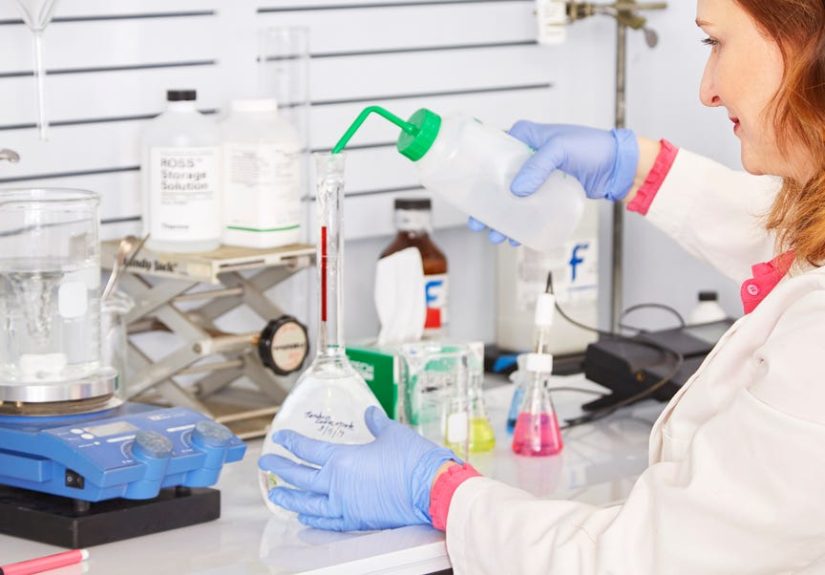
The beauty lab looks like a mix between a spa and a science lab. Here, experts test skincare, haircare, makeup, tools, and devices using both lab
instruments and human panels.
- Instrumental testing: Devices can measure changes in skin hydration, firmness, texture, or shine. For hair products, testers might
measure smoothness, breakage, or volume. - Consumer testing: Panels of real people use products at home over weeks or months and report on things like scent, feel on the
skin, ease of application, visible results, and any irritation. - Claims verification: If a cream claims “visible results in 2 weeks,” the lab looks for measurable changes or consistent feedback
that backs that up.
Because these products go directly on your body, safety and irritation potential are also carefully monitored.
Home, Tech & Smart Devices
Smart home gear, cleaning gadgets, and home tech bring their own challenges. In these tests, GHI’s engineers look at:
- Setup and usability: How easy is it to connect a smart device to Wi-Fi and apps? Are instructions clear, or do you feel like you’re
defusing a bomb? - Reliability: Does the product work consistently over time, or does it glitch when you need it most?
- Performance vs. promises: For example, if an air purifier promises to handle a certain room size, testers measure airflow and
performance against that claim.
Step-by-Step: From Product Arrival to Final Rating
While each lab has its own specialized methods, most Good Housekeeping Institute product reviews follow a shared testing journey.
1. Selecting the Products
First, the Institute identifies which products to test. That can include:
- New or trending products readers are curious about
- Key categories where people spend a lot of money (think mattresses, major appliances, skincare)
- Products that carry, or are applying for, the Good Housekeeping Seal
Whenever possible, products are purchased anonymously through retail channels to avoid “special” samples. When brands send items in, those products
still have to pass the same objective testing.
2. Designing the Test Plan
Before testing starts, experts define clear criteria and scoring systems. For a vacuum, that might mean suction power, edge cleaning, pet-hair pickup,
ease of maneuvering, weight, and noise. For a moisturizer, it could include hydration increase, texture, absorption time, fragrance, and packaging.
Tests are designed to be repeatable, fair, and comparable across multiple brands.
3. Lab Measurements
Next comes the hard data. In controlled lab settings, products are put through standardized tests. Appliances might be timed, weighed, and measured.
Textiles go into special machines that simulate years of wear in days or weeks. Beauty products are analyzed with instruments to see if they deliver on
claims like “more radiant” or “smoother.”
This phase helps strip away bias and gut feelings, replacing them with numbers and facts.
4. Real-World Consumer Testing
Numbers are powerfulbut real people are still the gold standard. That’s why the Good Housekeeping Institute also relies on panels of consumer testers
who use products at home, in real-life conditions.
These testers report on comfort, convenience, scent, taste, fit, and other factors that only show up in everyday use. Their feedback often uncovers
issues you’d never see in a short lab test, like packaging frustrations or long-term annoyances.
5. Crunching the Numbers
Once lab data and consumer feedback are in, experts combine them into a scoring system. Each categoryperformance, ease of use, durability, value,
and sometimes sustainabilitygets a weight based on how important it is for that product type.
Products that rise to the top tend to be those that balance strong performance with good design, reliability, and user-friendly features.
6. Writing the Review
Finally, the findings are turned into review content and buying guides. Instead of dumping raw data on readers, the Institute’s editors explain what
the numbers mean in plain language:
- Who will love this product the most?
- Who should skip it and pick something else?
- What are the trade-offsprice vs. performance, power vs. noise, results vs. learning curve?
- Are there standout pros and cons you should know before buying?
The goal is to give you everything you need to make a confident decisionwithout needing a PhD in engineering.
The Good Housekeeping Seal: The Ultimate Badge of Trust
Some products go through an additional level of scrutiny to qualify for the Good Housekeeping Seal. To earn the Seal, a product must meet strict
performance and safety criteria in the Institute’s labs. It’s not just about being “good enough”; the product has to show that it does what it promises
and holds up in realistic use.
The Seal also stands out because it comes with a limited warranty. If a sealed product fails to perform as promised, Good Housekeeping may offer a
refund or replacement up to a specified amount within a certain timeframe. That added protection reinforces the message: this isn’t just a logo, it’s a
promise.
For shoppers, seeing the Seal can be a shortcut: it signals that the product has gone through deep, independent testingnot just a marketing
photoshoot.
How GHI Testing Compares to Other Product-Testing Programs
Many organizations test productsregulators, independent labs, consumer groups, and private testing firms. What makes the Good Housekeeping Institute
stand out is its blend of:
- Lab rigor: Using controlled tests, advanced instruments, and standardized protocols
- Everyday realism: Incorporating consumer panels and at-home trials
- Editorial independence: Making recommendations based on results, not ad spend
- History and reputation: Over a century of testing experience and trust from generations of readers
Where regulatory tests often focus on minimum safety and compliance, Good Housekeeping goes furtherexamining usability, comfort, design, and
long-term value. That’s the difference between “legal to sell” and “worth your money.”
How to Use Good Housekeeping Institute Reviews When You Shop
Knowing how they test is greatbut how can you actually use that information next time you’re scrolling through product pages or standing in that
overwhelming store aisle?
- Start with the top winners, then refine: Look at Best Overall or Best Value picks as a starting point, then narrow down based on
size, price, or features you care about. - Read the “how we tested” sections: These details tell you whether the testing reflects how you’ll really use the product.
- Match your priorities to their scores: If you have pets, noise and cleaning power might matter more. If you live in a small
apartment, size and storage could be key. - Look for the Seal when it matters most: For big-ticket or heavily used items, a sealed product can offer extra peace of mind.
Used this way, Good Housekeeping Institute product reviews become less like casual opinions and more like your personal research team.
The Future of Product Testing: Sustainability and Smarter Homes
Product testing continues to evolve. Today’s consumers care not just about performance but also sustainability, efficiency, and long-term impact.
That’s why modern testing is increasingly looking at:
- Energy and water consumption: Especially for appliances, these factors affect both your utility bills and your environmental
footprint. - Materials and durability: Durable products mean fewer replacements and less waste.
- Noise and comfort: As homes fill with more devices, quiet performance and ergonomic design matter more than ever.
- Smart features that truly help: Testing separates useful connectivityfrom apps and voice controlto gimmicks that just complicate
your life.
The Good Housekeeping Institute continues to refine its test methods to keep up with these shifts, so that recommendations stay relevant as products
get more complex.
Real-World Experiences: What Testing Looks Like Day to Day
So what does all this look like in practice? Imagine a typical day in a Good Housekeeping Institute lab.
In the morning, a shipment of new products arrives: three robot vacuums, a couple of air fryers, two cordless stick vacs, and a stack of beautifully
packaged serums and moisturizers. Each product is logged in, labeled, and assigned to the right lab. The air fryers head to the kitchen; the robots and
vacuums go to the home care lab; the serums get routed to the beauty team.
First stop for those air fryers: standardized recipes. Testers prepare batches of fries, chicken, and vegetables using the same amounts, cooking
times, and temperatures across each model. They record how evenly each model browns food, how crisp the texture is, and whether the controls are easy to
understand. Cleaning gets evaluated toobecause nobody wants a fryer that cooks well but takes 45 minutes to scrub.
Meanwhile, in another lab, the robot vacuums are being choreographed like tiny, slightly confused dancers. Engineers spread different types of debris
on hard floors and carpetscrumbs, pet hair, sandand run each vacuum through the same course. They measure pickup rates, map coverage, and note how
often the robots get tangled or stuck under furniture. Noise meters track how loud the vacuums get, because the last thing you want is a device that
sounds like a jet engine at 6 a.m.
Down the hall, the textiles lab is putting towels and sheets through repeated wash-and-dry cycles. After each cycle, technicians measure changes in
softness, shrinkage, and color. Over time, patterns emerge: one brand stays fluffy and bright; another loses color and turns a bit scratchy. Those
details become part of the final recommendationsbut they’re only visible because someone did the work to simulate months or years of use.
In the beauty lab, a panel of testers is picking up numbered jars of moisturizer. They don’t see brand namesjust codes. Over the next several weeks,
they’ll use their assigned products and answer detailed surveys about texture, absorption, scent, and how their skin feels. At the same time, lab
instruments may measure changes in hydration or smoothness on specific areas of the skin. When results are in, the team matches the objective data with
what testers actually felt and saw in the mirror.
On the consumer side, GH+ members and selected panelists might be trying out products at home. One family lives with a new washer and dryer for a
month and reports back on capacity, noise, and whether the control panel makes sense to a teenager doing laundry for the first time. Another group tests
vacuum filters for allergy sufferers, sharing whether dust and pet dander seem better controlled over time.
All of this feedbacklab measurements, long-term durability data, survey responses, and hands-on impressionsflows back into the Institute’s scoring
system. Sometimes a product that looks fantastic on paper falls short when real people use it. Maybe a hair tool gets hot faster than competitors but
turns out to be too heavy to hold comfortably for long. Maybe a high-tech oven delivers gorgeous baking results but has such a confusing interface that
testers start using the microwave instead. When that happens, the final review reflects reality, not just specs.
For consumers, the “experience layer” is where Good Housekeeping Institute product reviews really shine. It’s not just that products were tested; it’s
that they were tested in ways that mirror the chaos of actual liferushed mornings, spilled drinks, kids and pets, and the occasional “what button did I
just press?” moment. When you see a top pick in a buying guide, you’re not just seeing a score; you’re seeing the outcome of hundreds of small, careful
decisions made by testers who care about how products feel to live with day after day.
Conclusion: Tried, Tested, and Worth Your Time
In a world full of star ratings and sponsored posts, the Good Housekeeping Institute offers something refreshingly old-fashioned: deep, independent,
methodical product testing. Their reviews and recommendations are built on real lab data, real user feedback, and real-world performancenot just
marketing claims.
Whether you’re buying your first stand mixer, hunting for a vacuum that can handle epic pet fur, or trying to choose an anti-aging serum that’s more
science than hype, understanding how the Good Housekeeping Institute tests makes their reviews far more powerful. Behind every “Best Overall” badge is a
whole team, a stack of test data, and a lot of hard workall so you can buy once, buy smart, and get on with living your life.