Table of Contents >> Show >> Hide
- What Is a Grundtal Rail?
- Why the Grundtal Rail Became So Popular
- Best Uses for a Grundtal Rail in the Kitchen
- Where to Install a Grundtal Rail
- Installation Tips for a Clean, Secure Setup
- Grundtal Rail vs. KUNGSFORS: What to Know
- How to Style a Grundtal Rail Without Making It Look Cluttered
- Buying a Grundtal Rail Today
- Care and Cleaning
- Common Mistakes to Avoid
- Real-Life Experiences With the Grundtal Rail
- Conclusion
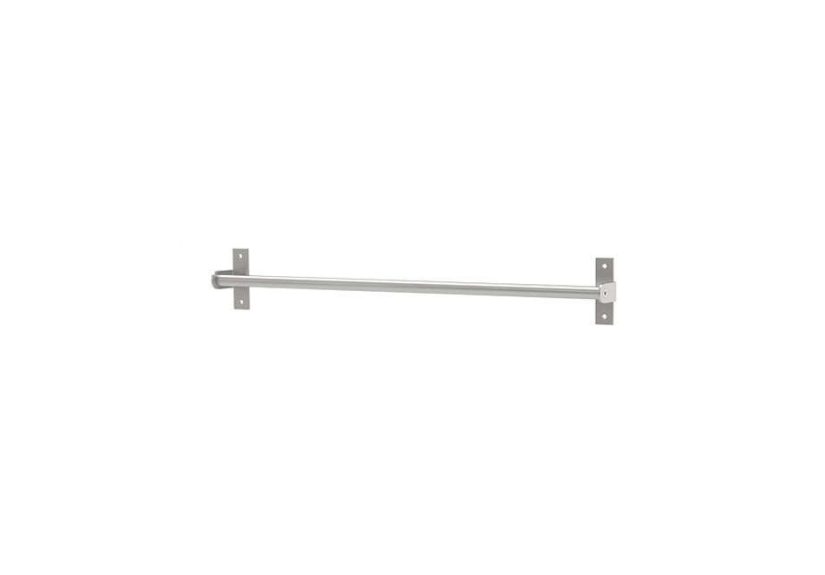
The Grundtal rail is one of those modest IKEA pieces that somehow became a small-space legend. It does not flash, beep, connect to Wi-Fi, or require an app that forgets your password every Tuesday. It is simply a stainless-steel rail mounted to the wall, usually paired with hooks, baskets, containers, shelves, or drying accessories. Yet for renters, tiny-kitchen owners, tidy-cooking fans, and design lovers who enjoy the phrase “restaurant-inspired storage,” the Grundtal rail has earned its place in the practical design hall of fame.
Originally part of IKEA’s broader GRUNDTAL line, the rail became popular because it solved a common kitchen problem: counters are precious, drawers are chaotic, and cabinets somehow become black holes for spatulas. By moving frequently used items onto the wall, the Grundtal rail turned blank backsplash space into storage. It made tools visible, reachable, and oddly stylish. A whisk hanging from a stainless-steel hook suddenly looked intentional, not like it escaped from a drawer.
Although the original Grundtal rail is now harder to find in many U.S. shopping channels and is often seen through resale listings, its influence is still everywhere. Current IKEA wall-storage systems such as KUNGSFORS follow the same basic idea: durable rails, hooks, containers, and shelves that help home cooks build flexible vertical storage. That is why people still search for “Grundtal rail” todaynot just to buy one, but to understand how to use it, replace it, install it, style it, and make a kitchen feel smarter without remodeling the whole room.
What Is a Grundtal Rail?
A Grundtal rail is a wall-mounted stainless-steel bar designed to hold hanging kitchen or bathroom accessories. In the kitchen, it is commonly used with S-hooks for utensils, small baskets for sponges or packets, containers for flatware, and sometimes shelves or dish-drying components. In bathrooms or utility rooms, similar GRUNDTAL pieces were used for towels, toiletries, cleaning brushes, and other items that benefit from being kept off damp counters.
The appeal starts with the material. Stainless steel has a clean, professional look and is especially practical in rooms where moisture, heat, and daily wiping are part of life. It pairs well with white tile, butcher block, concrete, marble, laminate, and almost every cabinet color from classic white to deep green. In other words, it is the Switzerland of kitchen finishesneutral, useful, and surprisingly good at staying out of drama.
Why the Grundtal Rail Became So Popular
It Makes Small Kitchens Work Harder
The Grundtal rail became a favorite in compact apartments because it uses vertical space. When a kitchen has limited drawer storage, one rail above the counter can hold the tools used every day: ladles, spatulas, measuring spoons, scissors, peelers, oven mitts, and dish towels. Instead of digging through a drawer while garlic burns in the pan, you can grab what you need in one motion.
This is especially useful in galley kitchens, studio apartments, older homes with shallow cabinets, and rental kitchens where adding built-ins is not realistic. A rail does not create more square footage, but it can make a small kitchen feel like it got promoted.
It Offers Flexible Storage
A drawer has a fixed shape. A rail is more forgiving. Today it can hold mugs and utensils; next month it can become a coffee station with filters, scoops, and a towel; later it can support small baskets for spices or cleaning supplies. That flexibility is one reason rail systems remain popular even as kitchen trends shift.
For people who cook often, this matters. Storage should match real habits, not fantasy habits. If you use tongs three times a day, they do not belong buried under the melon baller you last touched in 2018. The Grundtal rail lets high-use items earn visible, reachable spots.
It Adds a Professional Look Without a Professional Price
Many home cooks love the look of restaurant kitchens: open tools, stainless surfaces, fast access, and no fussy ornamentation. The Grundtal rail borrows that spirit but softens it for home use. A rail with a few hooks can look industrial, Scandinavian, farmhouse, modern, or minimalist depending on what surrounds it.
The best part is that it does not require a full renovation. You can add one rail, style it well, and suddenly the wall above your counter looks designed instead of forgotten. That is a rare win in home improvement: visible impact without needing a contractor, a dumpster, or a dramatic before-and-after soundtrack.
Best Uses for a Grundtal Rail in the Kitchen
Utensil Zone Beside the Stove
The classic placement is near the cooking area. Hang the tools you reach for while standing at the stove: a slotted spoon, ladle, spatula, tongs, spider strainer, and small whisk. Keep the selection tight. A rail overloaded with every utensil in the house can start to look less “chef’s station” and more “yard sale with noodles.”
Coffee or Tea Station
A short rail near a coffee maker can hold mugs, measuring spoons, a small towel, or a hanging container for filters and stirrers. This works well when counter space is limited but morning caffeine logistics are non-negotiable. Add a small shelf above the rail for beans or tea tins, and the whole area becomes a compact beverage hub.
Dishwashing and Sink Organization
Near the sink, a rail can hold a brush, sponge basket, dish towel, or small drying accessories. This keeps wet items from sitting directly on the counter, where they can look messy and stay damp longer. For a clean setup, choose only water-safe accessories and wipe the rail regularly.
Spice and Prep Station
With the right hanging containers or small shelf, a rail can organize salt, pepper, olive oil, measuring spoons, and frequently used spices. This is ideal above a prep counter. The goal is not to display the entire spice cabinet; the goal is to keep the five or six things you actually use within easy reach.
Pantry Overflow
In homes without a pantry, a rail can hold lightweight baskets for packets, clips, tea bags, reusable bags, or snack items. It is not meant for heavy bulk storage, but it can tame the small things that usually float around like kitchen confetti.
Where to Install a Grundtal Rail
Placement matters more than people think. A rail should support the way you move through the kitchen. Before drilling, stand in the space and pretend to cook. Reach for the stove, the sink, the cutting board, and the coffee maker. The best location is usually where your hand naturally wants to go.
Above the Counter
Backsplash areas are excellent because they are close to the action. Leave enough clearance between the counter and rail so hanging tools do not hit appliances, jars, or your favorite ceramic bowl. If the rail is too low, utensils may bang into the counter. If it is too high, grabbing a spatula becomes a tiny arm workout.
Beside the Stove
Side-wall placement near the stove is useful when the backsplash is not available. Keep tools safely away from open flames, hot burners, or areas where they may catch grease splatter. Practical storage should never turn into a cooking hazard.
On an Empty Wall
If you have a blank wall, consider creating a vertical storage zone with a rail, shelf, magnetic strip, and hooks. This works especially well in apartments where cabinet storage is limited. Keep the arrangement balanced: heavier-looking pieces lower, lighter items higher, and enough breathing room so the wall does not feel crowded.
Installation Tips for a Clean, Secure Setup
Installing a rail is usually straightforward, but the wall surface matters. Drywall, tile, brick, plaster, and cabinet sides all require different anchors or screws. Always use hardware suited to the wall and the expected weight. A rail holding two towels is different from a rail holding pans, containers, and half your cooking personality.
Use a level before marking screw holes. A crooked rail may still function, but it will quietly bother you every time you make coffee. If mounting into tile, use the correct drill bit and go slowly to reduce the risk of cracking. If you are renting, check your lease or ask permission before drilling into tile or walls.
Do not overload the rail. Even a strong stainless-steel bar depends on the wall, anchors, screws, and installation quality. Heavy cookware may require a sturdier pot rack or installation into studs. For everyday tools, towels, and small containers, a properly mounted rail is usually more than enough.
Grundtal Rail vs. KUNGSFORS: What to Know
Many shoppers today compare the Grundtal rail with IKEA’s current KUNGSFORS system. KUNGSFORS is also stainless steel and focuses on flexible kitchen wall storage with rails, hooks, containers, shelves, and magnetic accessories. It is inspired by professional kitchens but designed for home use.
The important thing is compatibility. Do not assume older GRUNDTAL accessories and newer KUNGSFORS accessories will automatically fit together. Rail diameter, hook size, mounting style, and accessory shape can vary. If you are mixing old and new pieces, measure before buying. Check the rail diameter, the inside opening of the hook, and how the accessory hangs. This tiny measuring session can prevent a very specific kind of kitchen sadness.
If you already own GRUNDTAL, it may be worth keeping. The stainless-steel look remains timeless, and many older pieces were built with the simple durability IKEA fans appreciate. If you are starting from scratch, KUNGSFORS is usually easier to find through current retail channels and offers a similar wall-storage concept.
How to Style a Grundtal Rail Without Making It Look Cluttered
Choose a Purpose
Every rail should have a job. Is it for cooking tools, coffee supplies, sink accessories, or pantry overflow? Mixing too many categories on one rail makes the kitchen look busy. A focused rail looks intentional, even when it holds everyday items.
Limit the Color Palette
Stainless steel looks clean when paired with a simple color scheme. Try natural wood, white ceramic, black accents, clear glass, or one soft color. If every hanging item is a different shade, the rail can start to feel visually noisy.
Use Repetition
Matching hooks, similar containers, or a row of coordinated mugs can make open storage feel polished. Repetition is the secret sauce of visible organization. It tells the eye, “Relax, this is a system,” even if one mug says “World’s Okayest Cook.”
Leave Empty Space
Do not fill every inch. Empty space is what makes open storage look stylish rather than stuffed. A rail with six carefully chosen items often looks better than one holding twenty things that technically fit but emotionally shout.
Buying a Grundtal Rail Today
Because the original Grundtal rail is not as widely available as it once was in the United States, many shoppers look through resale marketplaces, open-box listings, home organization forums, or secondhand furniture sources. When buying used, check the condition carefully. Look for missing mounting brackets, bent rails, scratches, rust marks, stripped screws, or mismatched accessories.
Also verify the length. Common rail sizes may look similar in photos, but a few inches can make a major difference above a sink, beside a stove, or between cabinets. Ask the seller for exact measurements and photos of all hardware. If the mounting hardware is missing, you may still be able to install the rail with suitable replacements, but you need to know that before checkout.
If you simply want the function and not the exact vintage IKEA item, consider current wall rails from IKEA or other kitchen-storage brands. Look for stainless steel or powder-coated metal, compatible S-hooks, sturdy installation hardware, and accessories that match your needs. The spirit of GRUNDTAL is not nostalgia; it is smart, affordable, vertical storage.
Care and Cleaning
Stainless steel is easy to maintain, but it is not magic. Wipe the rail with a damp cloth and mild cleaner, then dry it to prevent water spots. Avoid harsh scouring pads, steel wool, or abrasive powders that can scratch the surface. For a smoother shine, wipe along the grain of the metal rather than randomly scrubbing like you are trying to erase a bad decision.
In kitchens, grease and dust can collect on open storage. Give the rail and hooks a quick weekly wipe, especially if they are near the stove. Wash hanging containers regularly if they hold utensils, sponges, or food-related items. Open storage is only charming when it stays clean.
Common Mistakes to Avoid
Installing It Too Close to Heat
A rail beside the stove is convenient, but avoid placing towels, paper items, or plastic accessories near open flames or intense heat. Keep safety first and style second. A perfectly styled kitchen is less impressive if the dish towel tries to become dinner.
Overloading the Rail
The rail may be strong, but the wall might not be. Heavy pans, cast iron, or multiple loaded containers require careful mounting. When in doubt, use studs, proper anchors, or a different storage solution designed for heavier loads.
Buying Accessories Without Measuring
This is especially important when mixing GRUNDTAL, KUNGSFORS, HULTARP, or third-party accessories. Hooks and containers may look compatible online but fit awkwardly in real life. Measure first, buy second, complain never.
Turning Storage Into Display Chaos
Open storage works best when curated. Hang the items you use often and store the rest elsewhere. A rail is not a museum for every spatula you have ever owned.
Real-Life Experiences With the Grundtal Rail
One of the best things about the Grundtal rail is how personal it becomes once installed. On paper, it is a metal bar. In real life, it can quietly change how a kitchen functions. A small apartment cook might mount one above a narrow counter and suddenly have a home for the spatula, whisk, bottle opener, and towel that used to fight for drawer space. The kitchen still has the same footprint, but the daily routine feels smoother.
In a rental kitchen, the Grundtal rail can become a survival tool. Many rentals come with cabinets that seem designed by someone who has never met a baking sheet. A rail helps compensate by keeping everyday tools outside the cabinet maze. Even when drilling is not allowed, people often adapt the idea with freestanding racks, tension systems, or removable solutions that imitate rail storage without permanent installation.
For families, a rail can create zones. A lower rail near the sink might hold towels and brushes, while a higher rail near the stove holds cooking tools. This keeps items where they are used and helps everyone understand where things belong. That last part is important. A home organization system only works if people can follow it without needing a treasure map.
Some users love the Grundtal rail for non-kitchen spaces. In a laundry room, it can hold stain brushes, small baskets, lint rollers, and clothespins. In a craft room, it can organize scissors, rolls of tape, rulers, and small buckets of markers. In a garage or potting area, it can hold lightweight tools and gloves. The design is simple enough to move between rooms without looking out of place.
The most satisfying experience, however, is the first week after installation. Suddenly the counter looks clearer. The drawer opens without jamming on a rogue potato masher. The towel has a place to dry. The measuring spoons are not hiding behind the can opener. These are not glamorous improvements, but they are the kind that make a home easier to live in every day.
There is also a small emotional benefit to visible storage. When useful items are displayed neatly, cooking can feel more inviting. A rail with a favorite wooden spoon, a good pair of tongs, and a clean towel sends a subtle message: this kitchen is ready. You do not need a massive island or custom cabinetry to feel organized. Sometimes you just need twelve inches of wall and the courage to stop stuffing everything into one drawer.
Of course, the Grundtal rail is not perfect. It can collect dust, it requires thoughtful installation, and it can look cluttered if overloaded. But those drawbacks are manageable. The rail rewards restraint, regular cleaning, and honest editing. Keep what you use. Remove what you do not. Let the wall work for you.
That is the lasting lesson of the Grundtal rail: smart storage does not have to be complicated. It can be simple, visible, affordable, and flexible. It can make a cramped kitchen feel calmer and a plain wall feel useful. And in a world full of over-engineered home products, there is something deeply refreshing about a stainless-steel rail that simply does its job.
Conclusion
The Grundtal rail remains popular because it solves a real problem with elegant simplicity. It frees counter space, organizes daily tools, brings a professional stainless-steel look into the home, and adapts to kitchens, bathrooms, laundry rooms, and workspaces. While the original GRUNDTAL line may be harder to find today, its design idea is still alive in modern wall-storage systems and in countless small kitchens that need every inch to work harder.
If you already own a Grundtal rail, it is worth using well. If you are hunting for one secondhand, measure carefully and check the hardware. If you want a current alternative, look at modern rail systems with compatible hooks, containers, and shelves. The goal is not just to hang things on a wall. The goal is to create a kitchen that feels easier, cleaner, and more enjoyable to use every single day.
Note: This article is written for web publishing in standard American English and avoids source links in the article body as requested.