Table of Contents >> Show >> Hide
- How Much Hair Falling Out in the Shower Is Normal?
- Meet Your Hair Growth Cycle (AKA Why the Shower Gets All the Blame)
- When Hair Falling Out in the Shower Might Be a Red Flag
- Common Triggers Behind Excess Hair Shedding in the Shower
- How to Tell What’s Normal for Your Hair
- Shower Habits That Can Make Hair Shedding Look Worse (and What to Do Instead)
- When to See a Dermatologist About Hair Falling Out in the Shower
- Myths About Hair Falling Out in the Shower
- Real-Life Experiences: Living With Hair Falling Out in the Shower
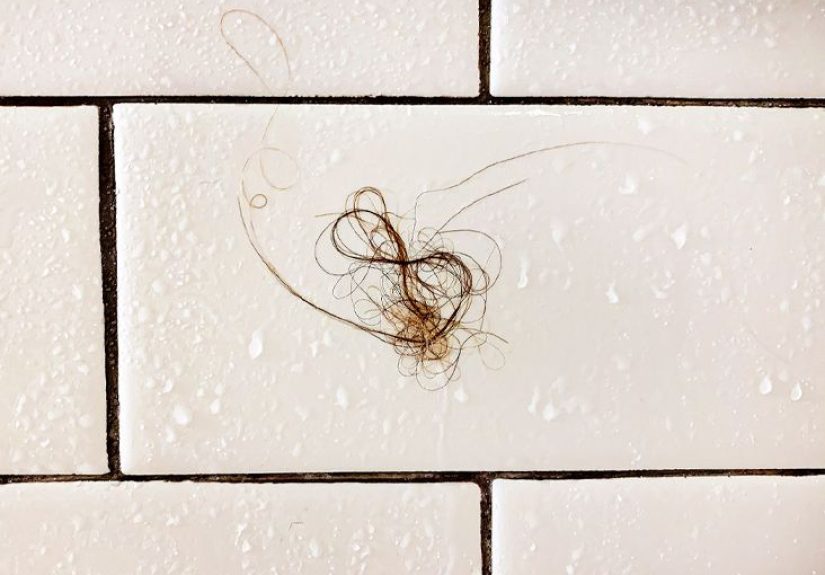
You’re taking a nice, relaxing shower… and then you look down and see a clump of hair hanging out in the drain.
Instant panic. Am I going bald? Is my shampoo evil? Should I start Googling wigs?
Take a breath. A certain amount of hair falling out in the shower is completely normal. Your scalp isn’t trying to
betray you overnight. But it can be a helpful early warning sign if something in your body or hair-care routine
needs attention.
In this in-depth guide, we’ll break down what “normal” hair shedding in the shower really looks like, when to worry,
which conditions are commonly behind excess hair loss, and what you can dostarting with your next showerto protect
those strands.
How Much Hair Falling Out in the Shower Is Normal?
Most healthy adults shed about 50 to 100 hairs per day as part of the normal hair growth cycle.
Several dermatology and medical centers in the U.S. report that this range is expected and doesn’t mean you’re
developing permanent hair loss. Many of those hairs are set free when you wash, condition, and detangle your hair
in the shower, so seeing hair there doesn’t automatically signal a crisis.
If you don’t wash your hair every day, those shed hairs have been hanging around, caught in your lengths, waiting
for their big dramatic exit. That means:
- If you wash daily, you might notice a small, consistent amount of hair in the drain.
- If you wash every 2–3 days, it’s normal to see more hair all at once, because you’re seeing 2–3 days of shedding together.
- Very long or thick hair will look more “scary” in the drain, even if the actual number of strands is still within normal limits.
So the first rule: don’t judge by the size of the clump. An inch-long ball of short hair is very different from a
loosely tangled rope of waist-length hair.
Meet Your Hair Growth Cycle (AKA Why the Shower Gets All the Blame)
The Three Stages of Hair Growth
Your scalp hair constantly rotates through three main phases:
- Anagen (growth phase): Hair actively grows for several years.
- Catagen (transition phase): A short “shutting down” period.
- Telogen (resting/shedding phase): The follicle takes a break; eventually, the old hair falls out and a new one starts growing.
At any given moment, most of your hairs are in the growth phase and a smaller percentage are in that resting/shed phase.
When a hair finishes telogen, the new hair pushing up from below helps eject the old one. It just so happens that showering
with running water, shampoo, and your fingers massaging the scalphelps those loose hairs finally slide out.
That’s why you might feel like the shower is “causing” your hair loss. In reality, it’s just the place where already-loose
hairs make their grand exit.
Shedding vs. Hair Loss vs. Breakage
Three things can be going on when you notice hair in the shower:
-
Normal shedding: Hairs with little white bulbs at the root, coming out from the scalp, evenly from all over
your head. No obvious thinning. -
True hair loss: The number of hairs coming out is consistently higher than normal, and over time you see
thinner ponytails, a wider part, or patches where the scalp shows more than it used to. -
Breakage: Hairs snapping along the length (no white bulb at the base), often due to damage from heat, color,
tight hairstyles, or rough brushing.
The shower can reveal all threenormal shedding, true hair loss, and breakagebut each has different causes and different solutions.
When Hair Falling Out in the Shower Might Be a Red Flag
How do you know if your hair falling out in the shower is more than just normal shedding? Watch for these patterns:
- You’re seeing significantly more hair than usual, day after day, for several weeks.
- Your hair feels noticeably thinner, or your ponytail circumference has shrunk.
- Your part is widening, especially on the top of the head.
- You notice patchy areas, bald spots, or obvious changes in your hairline.
- Your scalp feels itchy, painful, or has scaling, redness, or bumps.
If any of these sound familiar, it’s worth talking to a dermatologist or other healthcare professional. Here are some common
conditions linked to what feels like “sudden” shower shedding.
Telogen Effluvium: Sudden Shedding After Stress or Illness
Telogen effluvium is one of the most common causes of diffuse, sudden hair shedding. It usually shows up
2–3 months after a major physical or emotional stressor, such as:
- High fever or viral infection
- Major surgery or hospitalization
- Childbirth
- Crash dieting or rapid weight loss
- Serious emotional stress, grief, or trauma
In telogen effluvium, a larger-than-usual percentage of hairs move into the resting phase at once. A few months later, they
all start shedding, and you suddenly feel like half your head is coming out in the shower. The good news: this type of hair loss
is usually temporary. Once the trigger is resolved, shedding often improves over several months as new hair grows in.
Pattern Hair Loss (Androgenetic Alopecia)
If the hair that falls out in the shower is combined with a gradually widening part, more visible scalp at the crown, or thinning
along the hairline, you may be dealing with androgenetic alopeciaoften called pattern hair loss. This is influenced
by genetics and hormones and is very common in both men and women.
Unlike telogen effluvium, which tends to be sudden and temporary, pattern hair loss is usually gradual and ongoing. There are
FDA-approved treatments and medical options that can help slow or partially reverse it, but it’s important to get a proper diagnosis
before you start experimenting with random products.
Patchy Hair Loss, Scalp Symptoms, or “Something Feels Off”
If shower shedding is paired with:
- Circular bald spots
- Red, scaly, painful, or pus-filled areas on the scalp
- Intense itching or burning
then conditions like alopecia areata, fungal infections (like ringworm of the scalp), or inflammatory scalp
diseases could be involved. These are not situations to DIY with internet tipssee a dermatologist. Early treatment can make
a big difference.
Hair Breakage Masquerading as Hair Loss
Sometimes it’s not your follicles that are the problemit’s the hair shaft itself. Overuse of hot tools, bleach, straightening
treatments, tight ponytails, frequent coloring, or aggressive brushing can cause strands to snap mid-length. In the shower,
those broken pieces gather just like shed hairs, so it looks like dramatic loss even though the follicles are intact.
If many of the hairs you see are short, of different lengths, and lack the small white bulb at the root, you may be dealing
primarily with breakage, not shedding. The solution here is gentler care and habit changes.
Common Triggers Behind Excess Hair Shedding in the Shower
If you’ve noticed an uptick in hair falling out during your showers, think about what’s changed over the last 3–6 months.
Some frequent culprits include:
- Stress: Chronic or acute stress can push more hairs into the shedding phase.
- Hormonal shifts: Postpartum changes, menopause, thyroid disorders, or changes in birth control can all influence hair growth.
- Nutritional gaps: Low iron, inadequate protein, vitamin D deficiency, or restrictive dieting can show up as hair shedding.
- Medications: Some blood pressure drugs, mood medications, acne treatments, and weight-loss drugs may list hair loss as a side effect.
- Major illness or surgery: Your body prioritizes healing vital organs over growing hair.
- Scalp health issues: Untreated dandruff, buildup, or inflammation can affect the hair environment.
You don’t have to solve the mystery alonekeeping notes on timing and triggers can help a healthcare provider figure out
what’s going on.
How to Tell What’s Normal for Your Hair
Everyone’s “normal” is a bit different. A person with thick, curly hair who washes once a week will see a much more dramatic
shower shed than someone with fine hair who washes daily. Try these practical steps:
-
Notice trends, not single showers. One high-shed day after a tight hairstyle or a stressful week isn’t
the full story. Look at patterns over several weeks. -
Check your ponytail. Has your ponytail noticeably shrunk in thickness compared to six months ago? That’s
more meaningful than the size of the drain hairball. -
Look in the mirror, not just at the drain. Is your part wider? Is more scalp peeking through under bright light?
Are there patchy areas? Visual changes on the head matter more than the hair in your hand. -
Pay attention to timing. Did the shedding start a couple of months after an illness, childbirth, major diet,
or big life change? That timing pattern is classic for telogen effluvium.
If your hair looks and feels basically the same, and you’re not seeing ongoing, increasing shedding for months, chances are
you’re within the normal rangeeven if your shower drain occasionally looks like a small animal.
Shower Habits That Can Make Hair Shedding Look Worse (and What to Do Instead)
You might not be able to control your genetics, but you can control what happens in the shower. Smart tweaks can
protect your strands and reduce breakage.
Turn Down the Water Temperature
Very hot water can strip your scalp and hair of natural oils and may leave strands dry and fragile. Aim for warmnot scorchingwater.
Your hair and your electric bill will both be happier.
Use a Gentle Shampoo and Don’t Over-Scrub
Scratching your scalp like you’re trying to win a prize isn’t necessary. Use your fingertips (not your nails) to gently massage the
scalp and cleanse buildup. Choose shampoos that match your hair type and avoid harsh formulas if your hair is already fragile.
Condition Like You Mean It
Conditioner helps reduce friction so hairs glide past each other instead of knotting and breaking. Apply mainly from mid-lengths
to ends and leave it on for a few minutes so it can do its thing. If your hair is prone to tangling, a richer conditioner or a
separate detangling product can be a game-changer.
Detangle the Smart Way
Wet hair is more elastic and delicate. If you rip a brush through it in the shower, you might be seeing breakage, not just shedding.
Try this instead:
- Detangle gently before you get in the shower, especially if your hair is straight or wavy.
- In the shower, only detangle when hair is well-coated with conditioner.
- Use a wide-tooth comb or flexible detangling brush, starting from the ends and slowly working up.
- Hold hair above the tangle to reduce tension on the roots.
Be Kind With Towels and Heat
Rough towel-drying and aggressive blow-drying can cause extra breakage. Instead of twisting your hair into a heavy towel turban
and scrubbing, gently squeeze out excess water and wrap your hair in a soft microfiber towel or T-shirt. Use the lowest heat
setting that gets the job done, and always apply a heat protectant before blow-drying or styling with hot tools.
When to See a Dermatologist About Hair Falling Out in the Shower
You don’t need to see a specialist for every shed strand, but you should seek medical advice if:
- Shedding is heavy and persistent for more than 2–3 months.
- Your hair density is clearly decreasing (thinner ponytail, more scalp visible).
- You notice patches, bald spots, or dramatic changes in your hairline.
- Your scalp is painful, scaly, or very itchy.
- You have other symptoms (fatigue, weight changes, menstrual changes, feeling cold, etc.) that could suggest a thyroid or other health issue.
A dermatologist can examine your scalp, review your medical history, and order blood tests if needed (for things like iron levels,
thyroid function, and hormones). Getting to the root causepun fully intendedhelps you avoid wasting money on random shampoos that
can’t fix an internal problem.
Myths About Hair Falling Out in the Shower
-
Myth: “Shampoo makes my hair fall out.”
Reality: Shampooing doesn’t cause shedding; it just releases hairs that were already ready to fall. Harsh products can
cause dryness and breakage, but they don’t suddenly switch off your follicles. -
Myth: “If I never wash my hair, it won’t fall out.”
Reality: Those hairs will still shed; they’ll just cling to other hairs until they’re brushed or washed out. Then you’ll get an
extra-dramatic shed and probably a clogged drain. -
Myth: “All hair in the drain equals permanent hair loss.”
Reality: Many shedding situations (like telogen effluvium or postpartum shedding) are temporary. The follicles are still alive
and capable of growing new hair once the trigger is resolved.
Real-Life Experiences: Living With Hair Falling Out in the Shower
Knowing the science is helpful, but if you’ve ever stared at the shower drain and felt that sinking feeling in your stomach, you
know hair shedding is emotional, too. Let’s talk about what it’s like to actually live through itand what people often find helpful
along the way.
The “Wait, Was That Always There?” Phase
For many people, it starts with a quiet, nagging suspicion. You notice a slightly bigger clump of hair than usual on the shower floor.
Maybe your brush seems a little fuller. You tell yourself, “It’s probably fine,” and move on. A week later, you see it again. Now you’re
comparing photos of your hairline from last year like a personal detective.
This phase is dominated by uncertainty. Are you being dramatic? Is this the beginning of a big problem? A lot of people start tracking
their hair more closelychecking pillowcases, the car seat, their office chair. It can become an obsessive little game of “spot the hair.”
Googling at 2 a.m. and the Comparison Trap
Once you start searching online for “hair falling out in the shower,” you’re instantly bombarded with before-and-after photos, miracle
products, horror stories, and conflicting advice. It’s easy to panic, especially when everyone on social media seems to have a full,
glossy mane thanks to “this one magic serum.”
Real talk: most people with normal shedding never post a photo of their perfectly average shower drain. The internet is heavily skewed
toward dramatic cases and marketing messages. That doesn’t mean your experience isn’t valid, but it does mean you can’t accurately judge
your situation by comparing yourself to curated photos and ads.
What People Often Learn After Seeing a Professional
Many people eventually check in with a dermatologist expecting the worst, only to hear something like:
- “Your shedding is within a normal range for your hair type.”
- “You have telogen effluvium; it’s likely to improve in a few months.”
- “You have early pattern hair loss, and we can start treatment to slow it down.”
That conversation can be surprisingly comforting, even when the diagnosis confirms hair loss. Having a name for what’s happening and a
planwhether that’s blood tests, topical treatments, lifestyle changes, or just monitoringtakes you out of panic mode and into action mode.
Small Daily Habits That Make a Big Difference
People dealing with hair falling out in the shower often find relief in simple, consistent changes:
- Switching to gentler routines: Less heat, softer towels, kinder brushes, better timing for detangling.
- Supporting overall health: Eating enough protein, staying hydrated, managing stress, and not skipping medical checkups.
- Being realistic about products: Understanding that no shampoo can cure a thyroid issue or fix iron deficiencybut some can improve scalp comfort and reduce breakage.
- Setting a “check-in” schedule: Taking a photo of your part or hairline every month under the same lighting is far more useful than staring at the drain every day.
Over time, many people notice that the shedding either settles back into a normal range or feels less terrifying because they understand
what’s happening and have a strategy. Even when hair loss is ongoing, shifting the focus from “I’m doomed” to “I’m managing this” is a huge win.
Being Kind to Yourself (and Your Hair)
Hair is deeply tied to identity, culture, and confidence, so it’s completely normal to feel upset when you see extra shedding in the shower.
But beating yourself up every time you shampoo doesn’t help your hairor your health.
Instead, try this mindset shift:
- Your hair is giving you information, not attacking you.
- You’re allowed to care about it and still keep perspective.
- You can take practical steps todaygentler care, healthier habits, medical guidancewithout expecting perfection overnight.
The next time you see hair in the shower, instead of spiraling, think: “Okay, what is my hair telling me? Do I see a pattern? Do I need
better habits or a checkup?” That approach turns a moment of panic into a moment of awarenessand that’s where real change starts.
Bottom line: Hair falling out in the shower is normal up to a point. When it crosses from “annoying but expected” into “persistent and
clearly increasing,” that’s your cue to team up with a professional, support your body from the inside out, and treat your hair with the
same gentleness you’d give anything else you really want to keep.