Table of Contents >> Show >> Hide
- What Are Hand Dipped Beech Wood Bowls?
- Why Beech Wood Works So Well for Bowls
- The Beauty of the Hand Dipped Finish
- Food Safety: What to Know Before Serving
- How Hand Dipped Beech Wood Bowls Are Made
- Best Uses for Hand Dipped Beech Wood Bowls
- How to Care for Hand Dipped Beech Wood Bowls
- How to Choose a Quality Hand Dipped Beech Wood Bowl
- Design Ideas for Every Room
- Common Mistakes to Avoid
- Real-Life Experiences with Hand Dipped Beech Wood Bowls
- Conclusion
Hand dipped beech wood bowls are the kind of home item that quietly steals attention. They are simple, useful, warm, and just decorative enough to make your table look like you planned everythingeven if dinner is takeout and the salad came from a bag. These bowls combine the natural beauty of beech wood with a dipped finish, usually a painted, stained, or sealed accent on the rim, base, or outer surface. The result is a piece that feels handmade, modern, and charmingly imperfect in the best possible way.
Unlike mass-produced plastic bowls that seem to multiply in the cabinet like confused rabbits, hand dipped beech wood bowls bring texture and personality to everyday dining. They can hold fruit, nuts, snacks, bread, dry salads, keys, craft supplies, or nothing at all. Sometimes the best use for a beautiful wooden bowl is simply letting it sit on a coffee table and look effortlessly stylish.
But these bowls are not just about looks. Beech wood has long been used for furniture, utensils, bowls, cutting boards, and other household objects because it is hard, smooth, and relatively easy to shape. When paired with a careful dipped finish, it becomes both functional and decorative. The key is understanding what makes beech wood special, how the hand-dipped process works, and how to care for the bowl so it stays handsome rather than turning into a sad, cracked souvenir of poor dishwasher decisions.
What Are Hand Dipped Beech Wood Bowls?
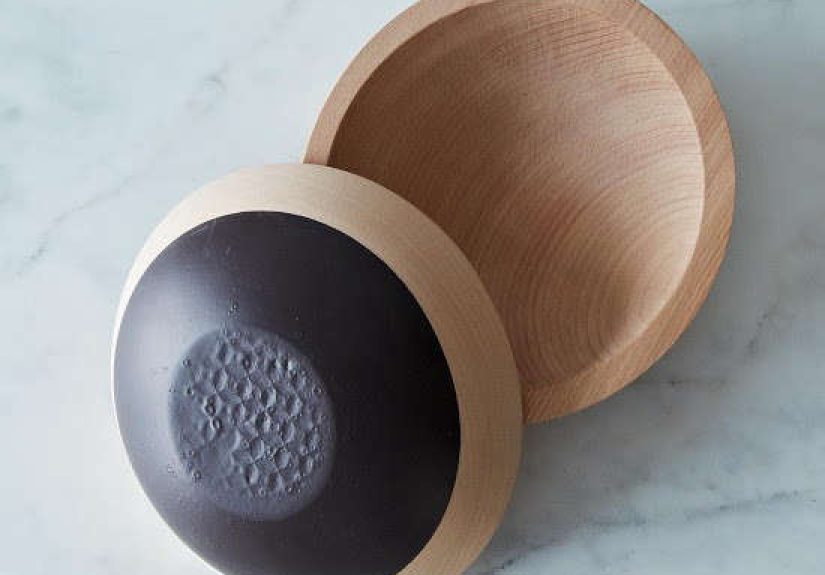
Hand dipped beech wood bowls are wooden bowls made from beech and partially dipped into a finish. That finish may be paint, milk paint, enamel-style coating, stain, lacquer, resin, wax, or another decorative sealant. The dipped area often creates a clean color-blocked look: natural wood on one side, color on the other. Popular versions feature white, black, navy, sage green, terracotta, mustard yellow, or soft pastels.
The phrase “hand dipped” usually means the piece is finished manually rather than sprayed by a machine in a fully automated production line. A maker may dip the base, the rim, or part of the exterior into color, then allow the finish to cure. Some artisans also sand, seal, oil, and polish each bowl by hand. Because of this process, no two bowls look exactly alike. One may have a slightly thicker color edge, another may show a tiny wave where the finish settled. These details are not flaws; they are the bowl’s signature.
Why Beech Wood Works So Well for Bowls
Beech is a pale hardwood with a fine, even grain. Its color often ranges from creamy beige to light pinkish tan, giving it a clean and subtle look. Compared with dramatic woods like walnut or olive wood, beech is quieter. It does not shout across the room. It politely clears its throat and says, “I have excellent taste.”
One of the biggest advantages of beech wood is its smooth texture. It can be sanded to a silky finish, making it comfortable to hold and pleasant to use. Its relatively uniform grain also accepts finishes well, which is important for dipped designs. When a bowl has both natural wood and a colored section, the surface must be smooth enough to create an attractive contrast.
Beech is also known for strength and wear resistance. It has commonly been used in chairs, tool handles, flooring, kitchen utensils, and turned objects. For bowls, that matters because the item may be handled daily, moved around the kitchen, filled with fruit, or passed across the table. A good beech wood bowl feels sturdy without looking bulky.
The Beauty of the Hand Dipped Finish
The dipped finish is what turns a plain wooden bowl into a design object. A fully natural beech bowl is lovely, but a hand dipped bowl adds contrast, color, and personality. It works especially well in modern farmhouse, Scandinavian, minimalist, coastal, bohemian, and transitional interiors. In other words, it plays nicely with almost every decorating style except “laundry pile chic,” and even then it might help.
Color Blocking with Warmth
Color-blocked bowls are popular because they give you the warmth of wood and the freshness of color at the same time. A white-dipped beech bowl looks clean and bright on a kitchen island. A black-dipped version feels more dramatic and modern. A blue or green dipped bowl can soften a neutral room. A terracotta dipped bowl adds earthy warmth that pairs beautifully with linen napkins, handmade ceramics, and plants.
Decorative but Still Practical
Many hand dipped bowls are decorative, but that does not mean they are useless. They can serve dry snacks, wrapped candies, dinner rolls, whole fruit, nuts in shells, or decorative items such as pinecones and ornaments. The important detail is the finish. If the dipped coating is not certified or labeled food-safe, avoid placing wet, hot, oily, or acidic foods directly on that surface.
Food Safety: What to Know Before Serving
Not every hand dipped beech wood bowl should be used the same way. Some are made for food service. Others are intended primarily for decoration. Before serving food, check the maker’s instructions, product label, or finish description. A bowl finished with food-grade mineral oil, beeswax, or a tested food-safe finish is more appropriate for direct food contact than a bowl painted with an unknown decorative coating.
As a practical rule, use decorative dipped bowls for dry foods unless the maker clearly states otherwise. Bread, crackers, nuts, wrapped treats, and whole fruit are safer choices. Avoid hot soup, saucy pasta, vinegar-heavy salads, citrus segments, or anything that could stain, soften, or react with the finish. Wood is wonderful, but it is not a ceramic cereal bowl wearing a tiny wooden costume.
How Hand Dipped Beech Wood Bowls Are Made
The process begins with selecting beech wood that is stable, dry, and suitable for turning or shaping. The wood may be cut into blanks, turned on a lathe, carved, or shaped with woodworking tools. Once the bowl form is created, the maker sands the surface through progressively finer grits to remove tool marks and create a smooth feel.
Next comes finishing. For a natural food-contact surface, artisans often use food-safe oils or wax blends. Mineral oil and beeswax are common because they help condition the wood and create a soft protective layer. For the dipped portion, the bowl may be masked with tape or held at a precise angle, then dipped into paint, stain, or another finish. After dipping, the bowl must dry or cure. Some makers repeat the process for deeper color or better durability.
The final step is inspection and polishing. A well-made hand dipped bowl should feel smooth, balanced, and pleasant to handle. The edge between the natural wood and colored finish should look intentional. It does not need to be machine-perfect, but it should not feel rough, sticky, or flaky.
Best Uses for Hand Dipped Beech Wood Bowls
1. Serving Dry Snacks
These bowls are excellent for pretzels, popcorn, almonds, pistachios, crackers, and wrapped candies. They make casual snacks feel special without requiring you to arrange anything with tweezers like a restaurant chef under pressure.
2. Displaying Fruit
Beech wood’s pale tone makes colorful fruit look vibrant. Apples, pears, oranges, lemons, and bananas all look beautiful in a wood bowl. For best results, keep fruit dry and avoid leaving overripe pieces in the bowl too long.
3. Holding Bread or Rolls
A hand dipped beech wood bowl can turn a simple bread basket into a centerpiece. Line it with a clean cloth napkin if the finish is decorative or if the bread is warm.
4. Organizing Small Items
Not every bowl has to live in the kitchen. Use one in an entryway for keys, sunglasses, or loose change. Place one on a desk for paper clips. Use a small bowl on a nightstand for jewelry. Suddenly, clutter becomes “curated.” That is the magic of a good bowl.
5. Seasonal Decorating
Hand dipped bowls are easy to style for holidays. Fill one with mini pumpkins in fall, pinecones in winter, painted eggs in spring, or shells in summer. Because beech wood is neutral, it adapts well to seasonal colors.
How to Care for Hand Dipped Beech Wood Bowls
Wooden bowls can last for years when handled properly. The care routine is simple: wash gently, dry quickly, oil when needed, and keep the bowl away from extreme moisture and heat. The dishwasher is not your friend here. It may be convenient, but it treats wood like it owes it money.
Wash by Hand
Clean the bowl with mild dish soap, warm water, and a soft sponge or cloth. Do not soak it in the sink. Long exposure to water can cause wood to swell, warp, crack, or lose its finish. If the bowl has a painted dipped section, be extra gentle around that area.
Dry Immediately
After washing, rinse the bowl and dry it with a clean towel. Let it air-dry fully before storing it. Avoid stacking damp wooden bowls tightly together because trapped moisture can create odors or damage.
Oil the Natural Wood
If the natural wood starts to look pale, dry, or rough, apply a small amount of food-grade mineral oil or a wood conditioner designed for cutting boards and bowls. Rub it in with a soft cloth, let it absorb, and wipe away excess. Do not use vegetable oil or olive oil; those can become sticky or rancid over time.
Avoid Heat and Direct Sun
Do not place the bowl near a stove, radiator, sunny window, or hot dishwasher vent. Heat can dry out the wood and may affect the dipped finish. A wooden bowl prefers the same environment most humans prefer: comfortable, dry, and not aggressively roasted.
How to Choose a Quality Hand Dipped Beech Wood Bowl
When shopping for hand dipped beech wood bowls, look beyond the color. A beautiful dipped finish is wonderful, but quality begins with the wood and craftsmanship. The bowl should feel solid but not clumsy. The surface should be smooth. The rim should not have splinters, cracks, or uneven sanding marks. If the bowl rocks dramatically on a flat surface, it may not be well balanced.
Also check the finish description. Phrases like “food-safe finish,” “food-grade mineral oil,” “beeswax finish,” or “safe for dry food” are helpful. If the product is described only as decorative, treat it as decorative. That does not make it less valuable; it simply means you should use it thoughtfully.
Size matters too. A small bowl works for salt, nuts, jewelry, or sauces only if the finish is food-safe. A medium bowl is ideal for fruit, bread, or snacks. A large bowl can serve as a centerpiece. If you are buying a set, varied sizes give you more styling options.
Design Ideas for Every Room
In the kitchen, place a white-dipped beech wood bowl on open shelving beside glass jars and ceramic mugs. In the dining room, use a black-dipped bowl as a centerpiece with pears or artichokes. In the living room, pair a soft green dipped bowl with books, candles, and a small plant. In a bedroom, a blush or cream dipped bowl can hold jewelry without making the dresser look crowded.
For a more modern look, choose bowls with sharp color contrast and simple shapes. For a rustic look, choose bowls with visible grain, softer edges, and earthy dipped colors. For a gift, select a neutral tone like white, charcoal, or natural beige. It is hard to offend someone with a tasteful wooden bowl, unless they have a very specific grudge against salad.
Common Mistakes to Avoid
The most common mistake is assuming every wooden bowl is suitable for every type of food. It is not. Always check the finish. Another mistake is soaking the bowl “just for a few minutes,” which somehow becomes three hours because life happens. A third mistake is using harsh cleaners, abrasive pads, or bleach directly on decorative finishes. These can dull or damage the surface.
Finally, do not ignore dryness. Wood needs occasional conditioning. If a bowl looks thirsty, it probably is. A little food-safe oil can revive the surface and help prevent cracking.
Real-Life Experiences with Hand Dipped Beech Wood Bowls
One of the easiest ways to appreciate hand dipped beech wood bowls is to actually live with one for a while. At first, it may seem like a simple decorative object. You set it on the counter, admire the clean line where the color meets the wood, and think, “Very nice. I am now a person with taste.” Then, slowly, it becomes one of those pieces you reach for all the time.
In a busy kitchen, a medium hand dipped beech wood bowl often becomes the unofficial fruit station. It holds apples during the week, lemons when someone is pretending they will make fresh lemonade, and bananas at that exact stage where they are either perfect or twelve minutes away from banana bread. The pale beech wood makes fruit look brighter, while the dipped color adds a decorative frame. Even when the fruit supply gets suspiciously low, the bowl still looks intentional.
For entertaining, these bowls are surprisingly useful. Put roasted almonds in a small one, crackers in another, and bread in a larger bowl lined with a cloth napkin. Suddenly the table feels warmer and more personal. Guests may not say, “What a fine example of hand dipped beech wood craftsmanship,” because most people do not talk like museum labels. But they will notice that the table feels inviting.
There is also a tactile pleasure to using beech wood. Ceramic can be beautiful, glass can be elegant, and metal can be sleek, but wood feels human. It has warmth. It does not clink loudly when moved. It softens the table setting. A dipped finish adds a playful touch without making the piece feel childish. This balance is especially helpful in homes that lean minimal but still need a little personality.
Another experience worth mentioning is maintenance. The first time you oil a wooden bowl, it can feel like you are doing something fancy and possibly unnecessary. Then the wood darkens slightly, the grain comes alive, and you understand the point. Conditioning a beech wood bowl is quick, satisfying, and oddly calming. It is five minutes of practical care that makes the item look better immediately. That is more than can be said for most household chores.
Hand dipped bowls also make excellent gifts because they feel thoughtful without being overly personal. You do not need to know someone’s shirt size, fragrance preference, or complicated relationship with throw pillows. A beautiful wooden bowl works for housewarmings, weddings, holidays, hostess gifts, and “I did not forget your birthday, I was simply curating” moments. Add a bag of good coffee, local honey, linen napkins, or specialty nuts, and the gift feels complete.
Over time, a hand dipped beech wood bowl may develop small signs of use. The natural wood may deepen slightly. The finish may gain tiny marks. This is part of the appeal. Unlike plastic, which often looks worse with age, a well-cared-for wooden bowl becomes more personal. It tells a quiet story of breakfasts, gatherings, snacks, holidays, and everyday life. That is the difference between an object that merely occupies space and one that becomes part of a home.
Conclusion
Hand dipped beech wood bowls bring together natural material, practical design, and artistic detail. Beech wood offers strength, smoothness, and a calm, elegant grain, while the dipped finish adds color and character. Whether used for dry snacks, fruit, bread, entryway organization, or seasonal display, these bowls are versatile pieces that make everyday spaces feel more intentional.
The best way to enjoy them is to choose carefully and care for them properly. Look for smooth craftsmanship, clear finish information, and a size that fits your lifestyle. Wash by hand, dry quickly, avoid soaking, and condition the wood when it starts to feel dry. With a little attention, a hand dipped beech wood bowl can remain useful and beautiful for years.
In a world full of disposable decor, these bowls offer something better: warmth, function, and a small reminder that even the simplest household objects can have personality. And honestly, if a bowl can hold your apples, improve your table, and make you feel slightly more put-together on a Tuesday, it deserves a little applause.