Table of Contents >> Show >> Hide
- What Makes a Trestle Table a Trestle Table?
- Why Handmade Hits Different
- Design Decisions That Actually Matter
- Picking Wood Like You Mean It
- The Joinery: Where the “Handmade” Shows
- Wood Movement: The Invisible Boss of Every Table
- Building a Handmade Trestle Table: A Practical Roadmap
- Finishing for Real Life (Spills Included)
- Customization Ideas That Add Character
- Mistakes to Avoid (Learned the Easy Way: Reading About Them)
- Real-World Experiences: What Builders Commonly Learn (Extra )
- Conclusion
If you’ve ever sat down at a table and thought, “Wow, this feels solid,” there’s a good chance a trestle base was doing the heavy liftingliterally. A handmade trestle table is one of those rare home pieces that can be rustic or modern, casual or formal, and still look like it belongs. It’s the jeans-and-a-blazer of furniture.
But the real magic isn’t just the look. It’s the engineering hidden inside the charm: smart joinery, a base designed for stability, and a tabletop that’s allowed to behave like… well, wood. (Wood moves. Wood will always move. Wood does not care about your deadlines.)
This guide breaks down what makes a trestle table special, what decisions matter most when designing one, and how to build and finish it so it survives actual lifespills, homework, holiday dinners, and that one friend who always “forgets” a coaster.
What Makes a Trestle Table a Trestle Table?
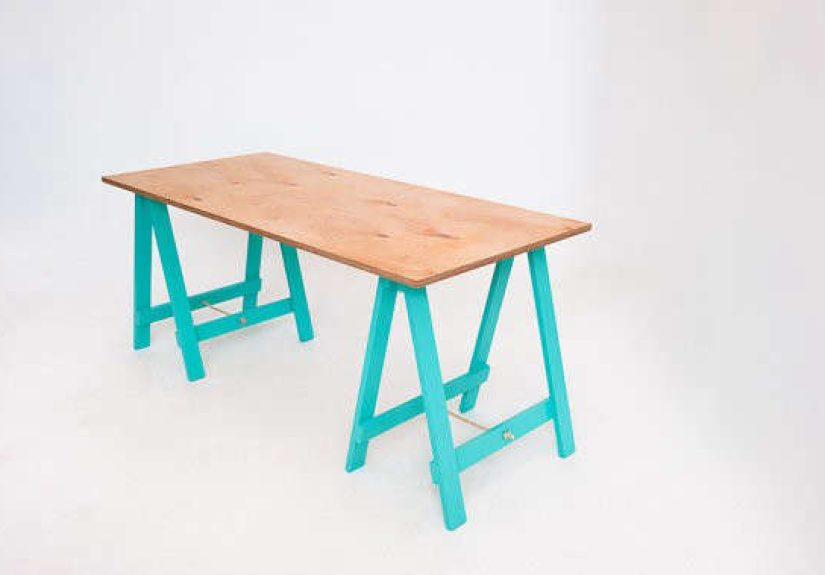
A trestle table is built around a base made of two (or sometimes more) end supports connected by a long horizontal member called a stretcher. The tabletop sits on top, while the base does the stability work underneath. Compared to a four-leg table, a trestle design often gives you more legroom along the sides and a sturdier stanceespecially for long dining tables.
The classic anatomy
- Top: The tabletop panel (usually solid wood in a handmade build).
- Two trestle “ends”: Each end typically includes a vertical post/leg and a foot.
- Stretcher: The long beam connecting the endsyour table’s backbone.
- Joinery: Mortise-and-tenon, bridle joints, wedged through-tenons, or other “this is not coming apart” connections.
The look can range from old-world farmhouse to clean-lined contemporary, but the structure stays recognizable: two anchors, one spine, and a top that ties everything together.
Why Handmade Hits Different
A store-bought table can be nice. A handmade trestle table can be yours in a way that’s hard to replicate. When you build (or commission) one, you’re deciding the things that actually affect daily use:
- Exact size: Built for your room, not for a warehouse display vignette.
- Comfort: Foot placement, knee clearance, and stretcher position planned for real people.
- Material honesty: Solid wood, stable joinery, and finishes chosen for your lifestyle.
- Repairability: A well-built trestle base can be tightened, refinished, and passed along.
Also, a handmade table is one of the few furniture pieces that can quietly become a family landmark. It’s where birthdays happen. It’s where you sign paperwork that changes your life. It’s where you pretend to eat salad while waiting for dessert.
Design Decisions That Actually Matter
1) Get the dimensions right (so everyone stays friends)
Most dining tables land around 28–30 inches tall, which works with standard dining chairs and comfortable knee clearance. For width, a common range is 36–40 inches for rectangular tops, though historical trestle tables can be much narrower (and surprisingly practical in tighter spaces).
Length depends on how many people you want to seat. A helpful rule of thumb is about 24 inches of table edge per person. That’s the difference between “cozy dinner” and “accidental elbow jousting.”
2) Plan the base for legroom and chair space
The trestle base is forgiving, but it has one big “don’t mess this up” detail: where the feet land. If the feet are too long or too wide, your guests will play footsie with the base all nightand not in a fun way. Keep chairs in mind:
- Place feet so chairs can tuck in naturally.
- Keep the stretcher positioned to avoid shin collisions.
- Allow clearance for armchairs at the ends if you use them.
3) Choose a top thickness that matches the vibe
A thinner top (around 1″) can look modern and light. A thicker top (1-1/4″ to 1-3/4″) reads more traditional and substantial. If you want the “heirloom farm table” feel, thickness helpsbut your joinery and base proportions need to match or the table can look top-heavy.
Picking Wood Like You Mean It
Wood choice affects everything: durability, movement, color, and how forgiving the build will be.
Hardwoods for long-term toughness
- White oak: Strong, classic grain, great for farmhouse or mission styles.
- Maple: Hard and clean-looking; takes a modern finish beautifully.
- Walnut: Rich color, tends to make everything look expensive (even leftovers).
- Cherry: Warms and darkens over time; elegant without being flashy.
Softwoods for rustic charm (and accepting dents as “character”)
Pine and similar softwoods can work well, especially for a painted or distressed farmhouse style. Just be honest with yourself: if you want a table that looks pristine forever, pine is basically a polite invitation for dings.
Grain orientation matters
For stability and nicer appearance, many builders prefer boards with straighter grain or rift/quartersawn stock where possibleespecially for legs and stretchers. It’s not mandatory, but it can reduce dramatic seasonal movement and make the piece look more refined.
The Joinery: Where the “Handmade” Shows
Trestle tables shine when the joinery is doing real structural work. This is where a handmade build separates itself from “flat-pack with optimism.”
Mortise-and-tenon (the classic for a reason)
A mortise-and-tenon joint connects a projecting “tenon” into a matching “mortise.” It’s strong, time-tested, and perfect for trestle bases because it handles racking forces (side-to-side wobble) really well.
Wedged through-tenons (strong and handsome)
Many traditional trestle designs use a through-tenon that exits the other side and is locked with wedges. The result is both structural and decorative: the joint becomes a feature, not something to hide.
Bridle joints and lap joints (smart options)
Depending on the style, bridle joints and half-laps can simplify construction while still offering strength. Some published trestle designs combine these approaches to keep the build accessible without sacrificing stability.
Wood Movement: The Invisible Boss of Every Table
If you only remember one thing, make it this: wood moves across the grain with seasonal humidity changes. It moves more in width and thickness than in length, which is why tabletop attachment and end details matter so much.
What movement means for your tabletop
A solid wood top will expand and contract across its width. If you lock it down too rigidlyby gluing cross-grain parts or screwing it tight with no allowanceyou’re basically asking for cracks, splits, or warping.
Attaching the top the right way
Use attachment methods designed to allow movement:
- Z-clips: Fit into a kerf and let the top shift slightly.
- Figure-8 fasteners: Pivot as the wood moves (installed in shallow recesses).
- Tabletop fasteners/desktop clips: Hook into a slot and allow expansion/contraction.
The goal is simple: the base holds the top down, but doesn’t “handcuff” it.
Breadboard ends: pretty, useful, and easy to mess up
Breadboard ends cap the end grain and can help with alignment, but they must be built to allow movement. Gluing a cross-grain board across the end of a panel is a classic mistake that can cause the top to self-destruct over time. If you love the look, do it with proper joinery and slotted fasteners so the center is fixed and the outer areas can float.
Building a Handmade Trestle Table: A Practical Roadmap
There are many valid build sequences, but a reliable approach looks like this:
Step 1: Plan the final size and mock it up
Use painter’s tape on the floor, cardboard, or a quick scrap mock-up for the base footprint. This is where you catch the “oops, the feet eat all the chair space” problem before it becomes a personality trait.
Step 2: Mill your lumber and let it rest
Flatten and square boards, then let them acclimate. If you mill aggressively and glue immediately, boards can move as internal stresses release. A little patience here saves a lot of creative vocabulary later.
Step 3: Build the tabletop
- Arrange boards for grain and color harmony.
- Joint edges for tight seams.
- Glue up in stages if needed (especially for wide tops).
- Flatten the panel (hand plane, router sled, or careful sanding/planing).
Step 4: Build the trestle ends
Cut joinery while the parts are still squarethen shape profiles later if your design includes curves or tapers. Many successful plans handle joinery first, shaping second, because it’s easier to reference clean edges.
Step 5: Fit the stretcher
Dry-fit everything. A trestle base lives or dies by alignment. If one end is even slightly twisted relative to the other, you can end up with wobble or a top that refuses to sit flat. Take the time to tune shoulders, tenons, and mating surfaces.
Step 6: Attach the top with movement-friendly hardware
Use your chosen fasteners (figure-8, Z-clips, etc.), and don’t overtighten in a way that prevents pivoting. The table should be secure, but not rigidly locked against seasonal change.
Finishing for Real Life (Spills Included)
A dining table finish has two jobs: look good and protect the wood from the messy reality of living. (If you don’t have messy reality yet, don’t worry. It will find you.)
Sanding that sets you up for success
A common sanding progression is to start around 80 grit to level and remove marks, then move to 120, and finish around 180 for many film finishes. The idea is to remove scratches from the previous grit rather than jumping around randomly like a caffeinated squirrel.
Finish options that make sense for tables
- Oil-based polyurethane/urethane: Very durable, good chemical and abrasion resistance, and often adds a warm amber tone.
- Wipe-on oil/urethane blends: Easier application, great look, slower build but beginner-friendly.
- Water-based topcoats: Clearer color, faster dry times, less odor; still durable when applied properly.
Whichever route you choose, follow the product directions for recoat time and full cure. A finish can feel dry long before it’s truly ready for heavy use.
Maintenance that doesn’t require a monastery
Use placemats for hot dishes, wipe spills promptly, and refresh as needed. A handmade table doesn’t need to be babied, but it does appreciate basic respectlike not using it as a cutting board unless you’re aiming for the “battle-scarred tavern” aesthetic.
Customization Ideas That Add Character
- Edge profiles: A soft round-over is family-friendly; a chamfer feels modern; a classic ogee leans formal.
- Leg shaping: Tapered posts look lighter; straight posts look traditional and sturdy.
- Decorative wedges: Use contrasting wood for wedged tenons to make joinery pop.
- Bench pairing: A matching trestle bench can save space and look intentional.
- Finish sheen choices: Satin hides wear better than gloss in many busy homes.
Mistakes to Avoid (Learned the Easy Way: Reading About Them)
- Rigidly attaching the tabletop: Wood movement will win. Always.
- Gluing breadboard ends fully across: If you do breadboards, do them correctly with movement allowance.
- Ignoring dry fits: Trestle tables demand alignmenttest assembly prevents heartbreak.
- Putting the stretcher where shins live: Comfort matters as much as strength.
- Rushing the finish cure: “Dry to the touch” is not the same as “ready for Thanksgiving.”
Real-World Experiences: What Builders Commonly Learn (Extra )
Because I can’t claim personal shop memories, here’s a collection of common, real-world experiences that woodworkers and furniture builders often report when making a handmade trestle tablethe stuff that doesn’t always show up on a cut list.
First: the tabletop glue-up is where optimism meets physics. Even with well-jointed edges, long boards can “skate” when clamps go on. Many builders learn to use alignment aidscauls, light clamping sequences, or careful clamp placementso the panel doesn’t turn into a subtle ramp. The best lesson here is unglamorous: slow down. Check for flatness during the glue-up, not after, when the glue has already made its commitment.
Second: wood movement becomes emotionally real the first time you see it. A top that fit perfectly in a dry shop can measure wider in a humid season. That’s why builders who’ve done a few tables become almost comically serious about movement-friendly attachments. The experience tends to go like this: the first table teaches respect, and every table after that gets better hardware planning. It’s not paranoia. It’s seasoning.
Third: base proportions matter more than you think. On paper, a chunky base looks “strong.” In a room, it can look heavyespecially if the top is thin. Many makers tweak foot thickness, post taper, or stretcher height after seeing a dry-fit in real space. The common takeaway: do a mock-up, even if it’s ugly scrap wood. Your eyes will catch what measurements don’t.
Fourth: the stretcher placement is a comfort issue disguised as a structural decision. Builders often hear the same feedback from family or clients: “I love it, but my feet keep hitting that bar.” The fix is usually simplemove the stretcher slightly, narrow it, or shape itbut you only learn the “shin zone” lesson once. After that, you start designing with chair legs, ankles, and human behavior in mind, not just geometry.
Fifth: finishing is where patience becomes a competitive sport. People who finish tables for the first time often underestimate dust control, dry times, and how easily a beautiful surface can pick up fingerprints before it cures. A common experience is applying a great-looking topcoat, then realizing the table needs to sit undisturbed longer than expected. The best builders develop a routine: sand in a sensible sequence, clean thoroughly, apply thin consistent coats, and give the finish the respect it needs to harden fully.
Put together, these experiences all point to the same truth: a handmade trestle table isn’t hard because it’s mysteriousit’s hard because it rewards care. And once it’s done, you end up with something that feels anchored, intentional, and surprisingly alive… because it is. It’s wood. It moves. It holds people up anyway.
Conclusion
A handmade trestle table is equal parts craftsmanship and common sense: thoughtful dimensions, strong joinery, and a tabletop that’s attached in a way that respects how wood behaves. Build it with real-world comfort in mindlegroom, chair clearance, stretcher placementand finish it for the life you actually live, not the life of a pristine furniture showroom.
Do it right, and your table won’t just be furniture. It’ll be a daily gathering place with enough strength to lastand enough character to earn stories.