Table of Contents >> Show >> Hide
- What a Healthy Kitchen Really Means
- Healthy Kitchen Pillar #1: Stock the Right Basics
- Healthy Kitchen Pillar #2: Make Cooking Methods Work for You
- Healthy Kitchen Pillar #3: Read Labels Like a Detective, Not a Victim
- Healthy Kitchen Pillar #4: Food Safety Is Part of Healthy Eating
- Healthy Kitchen Pillar #5: Set Up the Space to Support Better Choices
- Healthy Kitchen on a Budget
- Healthy Kitchen Habits That Actually Last
- The Real Experience of Building a Healthy Kitchen
A healthy kitchen does not have to look like a wellness influencer’s showroom where every oat is decanted into a matching glass jar and even the lemons seem emotionally fulfilled. In real life, a healthy kitchen is simply a space that makes good choices easier, safer, and more practical on ordinary Tuesday nights. It is less about perfection and more about setup. When your pantry, fridge, tools, and routines work together, cooking at home becomes less of a dramatic production and more of a “Hey, I can actually do this” moment.
That is the spirit behind this Healthy Kitchen Series: build a kitchen that supports better eating habits without turning your life into a never-ending kale documentary. A truly healthy kitchen starts with a few big ideas. Stock foods that make balanced meals possible. Use cooking methods that add flavor without piling on extra saturated fat, sodium, or added sugar. Learn to read labels so your “healthy” snack is not secretly dressed like dessert at a costume party. And finally, keep food safety front and center, because a chicken breast should be many things, but “mysterious” is not one of them.
What a Healthy Kitchen Really Means
When people hear the phrase healthy kitchen, they often imagine restriction. Goodbye bread. Farewell cheese. Adios joy. But a healthy kitchen is not a punishment zone. It is a home base for balanced meals that emphasize fruits, vegetables, whole grains, lean proteins, beans, nuts, seeds, and lower-fat dairy or fortified alternatives while cutting back on excess sodium, saturated fat, and added sugars. It is also a place where food is handled safely, leftovers are stored properly, and the odds of ordering fries out of sheer exhaustion start to shrink.
Think of it this way: your kitchen is a silent decision-maker. If the counter holds cookies, the freezer holds mystery ice crystals, and the vegetable drawer contains one heroic carrot and a bag of spinach in emotional collapse, the kitchen is steering you in a certain direction. If instead you have frozen vegetables, canned beans, brown rice, oats, eggs, tuna, yogurt, fruit, herbs, olive oil, and a few easy seasonings, the kitchen becomes a teammate instead of a tiny saboteur.
Healthy Kitchen Pillar #1: Stock the Right Basics
The easiest way to eat better is to make sure better food is already in the building. That sounds obvious, but this single step changes everything. A smart healthy kitchen pantry should include ingredients that can mix and match into quick meals. The goal is flexibility, not culinary acrobatics.
Pantry staples that earn their shelf space
- Whole grains like oats, brown rice, quinoa, whole-wheat pasta, or whole-grain crackers
- Beans and lentils, either dried or canned with no-salt-added or low-sodium options when possible
- Canned fish such as tuna or salmon
- No-salt-added tomatoes or tomato sauce
- Nuts, seeds, and natural nut butters
- Herbs, spices, garlic powder, cinnamon, pepper, and other flavor builders
- Healthy oils, especially oils used in small amounts for sautéing, roasting, or dressings
Your refrigerator and freezer deserve the same strategy. Keep eggs, yogurt, cut vegetables, fruit, and a few quick proteins ready to go. Frozen vegetables and fruit are not the lazy option. They are the smart option. They save time, reduce waste, and rescue dinner when your ambitious plan to shop “tomorrow” has now entered day four.
One underrated trick is to build around what heart-health educators sometimes call “dinner builders.” That means keeping simple, versatile ingredients around that can become soup, grain bowls, tacos, stir-fries, salads, or pasta in under 30 minutes. A can of beans, a bag of frozen broccoli, and cooked brown rice may not sound glamorous, but with olive oil, lemon, garlic, and a decent skillet, they become a respectable weeknight meal instead of a drive-thru regret.
Healthy Kitchen Pillar #2: Make Cooking Methods Work for You
Healthy cooking is not about making food bland enough to qualify as a personality test. It is about using methods that bring out flavor while keeping unnecessary fat and sodium in check. Roasting, baking, grilling, steaming, broiling, and sautéing with modest amounts of oil can all help create meals that are satisfying without feeling heavy.
Instead of frying everything like your stove owes you money, try these upgrades:
- Roast vegetables to bring out sweetness and texture
- Use herbs, citrus, vinegar, onion, and spices to add flavor before reaching for salt
- Swap cream-heavy sauces for yogurt-based sauces, tomato-based sauces, or blended vegetable sauces
- Choose leaner proteins and drain excess fat when needed
- Use nonstick pans or parchment paper to reduce the need for extra oil
A healthy kitchen also respects pleasure. Crunch matters. Color matters. Smell matters. If your “healthy meal prep” tastes like a sad apology, nobody is sticking with it. Roast carrots until they caramelize. Toast spices. Add acid at the end. Sprinkle seeds over a grain bowl. Use texture to make healthier meals feel intentional, not medicinal.
Healthy Kitchen Pillar #3: Read Labels Like a Detective, Not a Victim
Nutrition labels can look intimidating at first, but they are one of the best tools in a healthy cooking routine. Start with serving size. It tells you what the numbers actually refer to, which is very important when a tiny package quietly contains two or three servings and your snack suddenly reveals itself to be a full-blown plot twist.
Then look at a few key items:
- Sodium: Compare products and choose lower-sodium options when possible
- Added sugars: These are listed separately on the Nutrition Facts label and can add up fast in cereals, sauces, yogurt, and drinks
- Saturated fat: Lower is often better, especially in packaged foods
- Fiber: Higher-fiber foods can help meals feel more filling and balanced
For many people, one of the biggest kitchen wins is simply reducing hidden sodium and added sugars. The general advice from major U.S. nutrition guidance is to keep added sugars below 10% of daily calories, and many heart-healthy eating plans encourage keeping sodium at or below 2,300 milligrams a day, with lower targets sometimes used depending on personal needs. You do not have to memorize every number like you are cramming for a food-label final exam. Just compare similar products and choose the one with less sodium, less added sugar, and a shorter ingredient list when it makes sense.
Healthy Kitchen Pillar #4: Food Safety Is Part of Healthy Eating
A kitchen cannot be truly healthy if the food handling is questionable enough to star in its own crime series. Good nutrition and food safety go together. The basic principles are wonderfully straightforward: clean, separate, cook, and chill.
Clean
Wash hands, surfaces, utensils, and produce. Keep towels and sponges clean too. A cutting board that smells like last week’s onion saga is not exactly confidence-inspiring.
Separate
Keep raw meat, poultry, seafood, and eggs away from ready-to-eat foods. Use separate cutting boards if possible, or wash thoroughly between tasks to avoid cross-contamination.
Cook
Foods need to reach safe internal temperatures. A basic food thermometer is one of the least glamorous but most useful kitchen tools you can own. It may not impress anyone on social media, but it can prevent a lot of trouble.
Chill
Refrigerate perishables promptly. The two-hour rule matters, and if the room is especially hot, that window gets even shorter. Leftovers are wonderful when they are stored correctly and far less wonderful when they become a science experiment.
Smart storage also reduces waste. Label leftovers, use clear containers, and put older items where you can see them. A healthy kitchen should not function like a magic trick where food vanishes into the back of the fridge and reappears three weeks later wearing fur.
Healthy Kitchen Pillar #5: Set Up the Space to Support Better Choices
Your environment influences your behavior more than motivation ever will. That is why a healthy kitchen is also a visual and practical system. Put fruit where you can see it. Keep cut vegetables at eye level. Store whole grains and beans where they are easy to grab. Move less nutritious snack foods out of immediate sight, or at least make them work harder for attention.
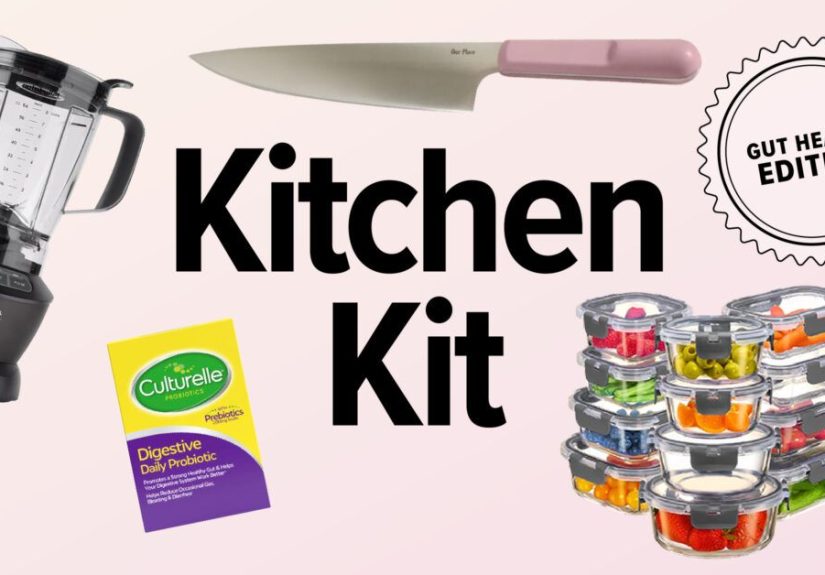
Even your tools matter. A sharp knife, a sheet pan, a skillet, measuring cups, a blender, storage containers, and a thermometer can cover an enormous amount of cooking territory. You do not need a gadget for every vegetable with a personality. You need a few reliable tools that help you prep food quickly and safely.
Meal prep also becomes easier when the kitchen is not overloaded. A cluttered counter invites takeout. A functional counter invites action. In a practical meal prep kitchen, you want enough room to chop, mix, and pack leftovers without playing countertop Tetris.
Healthy Kitchen on a Budget
Let’s address the myth wearing expensive organic pants: healthy eating does not require elite-level grocery spending. A budget-friendly healthy kitchen relies on planning, flexible staples, and smart substitutions. Frozen vegetables are excellent. Dried beans are affordable. Store brands are often perfectly fine. Oats, eggs, yogurt, peanut butter, canned tuna, potatoes, bananas, and cabbage can all punch way above their price point.
Make a grocery list before you shop. Plan a few meals that share ingredients so nothing goes to waste. Roast chicken one night can become grain bowls, sandwiches, soup, or tacos later. Extra vegetables can go into omelets, pasta, or stir-fries. A healthy kitchen loves leftovers because leftovers are just future-you’s problem-solving fund.
Budget cooking also benefits from strategy rather than intensity. Pick two breakfasts, two lunches, and three dinners for the week. Keep the formula simple. For example:
- Breakfast: oatmeal with fruit and nuts, or yogurt with berries
- Lunch: grain bowl with beans and vegetables, or turkey sandwich with fruit
- Dinner: salmon with roasted vegetables, bean chili, whole-wheat pasta with vegetables and lean protein
That is not boring. That is efficient. And efficient people tend to eat better than people who stand in front of the fridge at 7:12 p.m. whispering, “What even is dinner?”
Healthy Kitchen Habits That Actually Last
The best healthy kitchen habits are tiny enough to repeat. Wash produce after shopping. Cook one batch of grains. Prep one protein. Make one sauce. Keep a container of chopped vegetables ready. Read labels on a few packaged foods you buy often. Put leftovers in the fridge before exhaustion wins the argument.
Consistency beats intensity every time. You do not need a dramatic pantry purge at sunrise followed by a three-hour meal prep session soundtracked by motivational speeches. You need repeatable habits that lower friction. When healthy choices are easier, they stop feeling like chores and start feeling normal.
The Real Experience of Building a Healthy Kitchen
If you have ever tried to “start eating healthy” by buying spinach, chia seeds, and exactly one lemon, only to abandon the project four days later while eating crackers over the sink, welcome. You are not failing. You are having a completely standard human experience. Building a healthy kitchen is usually messy, gradual, and full of trial and error. That is part of the process, not proof that the process is broken.
Many people discover that the shift begins with one surprisingly small change. Sometimes it is keeping a bowl of fruit on the counter and actually eating it. Sometimes it is replacing sugary drinks with water or unsweetened options more often. Sometimes it is learning to roast vegetables well enough that they stop tasting like steamed disappointment. Over time, these changes create momentum.
There is also something quietly powerful about a kitchen that feels supportive rather than chaotic. When the freezer contains useful ingredients, the fridge is not packed with expired optimism, and the pantry has foods that can become real meals, you feel calmer. You make better decisions because the setup is better. It is not magic. It is systems. Delicious, practical systems.
One experience people often mention is how quickly cooking confidence grows once a few basics are mastered. A simple sheet-pan dinner, a hearty soup, an omelet, overnight oats, a grain bowl, or a stir-fry can become the backbone of home cooking. After that, the healthy kitchen stops feeling like a project and starts feeling like part of your identity. You are no longer “trying to be healthy.” You are just someone who knows how to feed yourself well.
Another real-life lesson is that healthy kitchens should include joy. Maybe that means taco night with lots of vegetables and lean protein. Maybe it means homemade popcorn, dark chocolate, or a weekend pancake breakfast served with fruit and laughter. A healthy kitchen that allows no pleasure will not last. A healthy kitchen that includes both nourishment and enjoyment has staying power.
And perhaps the biggest experience of all is this: the kitchen becomes less of a battlefield. You stop negotiating with every meal. You stop relying entirely on willpower. You create an environment where balanced choices are easier, safer, and more satisfying. That is what this Healthy Kitchen Series is really about. Not perfection. Not food guilt. Not turning dinner into a personality contest. Just building a kitchen that helps real people eat real food in a way that feels good and works in everyday life.