Table of Contents >> Show >> Hide
- Why Heidi Swanson’s Style Works So Well Outside
- The Core Rules of Healthy Outdoor Cooking, Heidi-Style
- How to Plan a Better Backyard Menu
- What Healthy Outdoor Cooking Gets Right About Nutrition
- Safety Matters Too, Because a Great Picnic Should Not End in Regret
- Specific Ways to Cook More Like Heidi Swanson Outdoors
- Outdoor Cooking Experiences Inspired by Heidi Swanson
- Conclusion
Outdoor cooking has a reputation problem. Somewhere along the way, “eating outside” became code for giant burgers, mystery potato salad, and a dessert table that looks like it lost a bet. Heidi Swanson of 101 Cookbooks offers a far fresher vision. Her style is colorful, produce-driven, practical, and deeply satisfying without feeling heavy. In other words, it is exactly the kind of cooking you want when the weather is warm, the grill is hot, and nobody wants to spend the afternoon trapped in a kitchen that feels like a toaster oven with feelings.
Swanson’s food has long revolved around vegetables, whole grains, natural ingredients, and recipes that real home cooks can actually pull off. That makes her approach especially useful for outdoor meals, where the best menus are simple, flexible, and built for sharing. If you want a smarter backyard dinner, a picnic that does not wilt into sadness, or a camping menu that does not rely entirely on chips and optimism, Heidi Swanson’s cooking philosophy is a gold mine.
This is not about pretending every cookout needs to become a wellness retreat with aggressive kale energy. It is about making outdoor food taste vibrant, generous, and balanced. Think grilled vegetables with bold marinades, grain salads that travel well, yogurt-based sauces, bright herbs, sturdy legumes, and desserts that feel celebratory without requiring a forklift of frosting. Healthy outdoor cooking, Heidi style, is less about restriction and more about building a table you actually want to sit at for hours.
Why Heidi Swanson’s Style Works So Well Outside
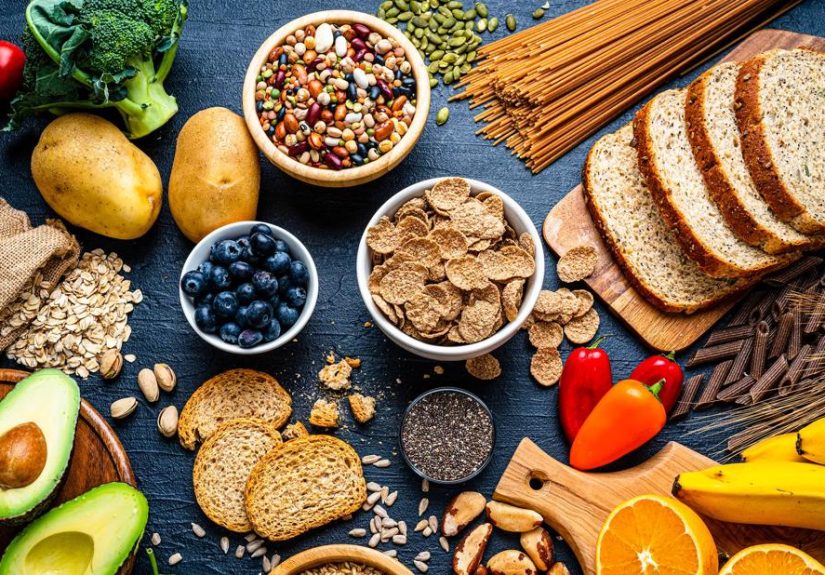
The first thing Heidi Swanson gets right is the foundation. Her recipes are rooted in ingredients that hold up well in real life: lentils, farro, herbs, yogurt, citrus, mushrooms, beans, good oils, seasonal vegetables, nuts, seeds, and cheeses with personality. These foods are not fussy, but they are flavorful. They also happen to be ideal for outdoor cooking because they can be prepped ahead, packed easily, and served at a variety of temperatures.
That matters more than people realize. Great outdoor meals are not won by dramatic grill marks alone. They are won by timing. You want dishes that can wait ten minutes while someone searches for tongs, another person debates charcoal like it is a doctoral thesis, and a third person insists the corn “just needs another minute.” Swanson’s cooking adapts beautifully to that kind of reality. Her best dishes are sturdy but lively, simple but not boring, and often even better after flavors have had time to mingle.
Her outdoor-friendly sensibility also avoids one of the biggest cookout traps: making meat the entire personality of the meal. Heidi’s recipes encourage a broader, more interesting table. A grilled meal can feature paneer and vegetables on kebabs, a farro salad full of briny and crunchy contrast, a lentil platter cooled with yogurt, or a platter of grilled produce with a punchy dressing. The result feels generous instead of overly worthy. Nobody is chewing through a “healthy option” and quietly wondering where the fun went.
The Core Rules of Healthy Outdoor Cooking, Heidi-Style
1. Put vegetables in the spotlight
Swanson’s work makes a strong case for vegetables as the main event, not an apologetic side dish shoved beside the protein like an afterthought. Outdoor cooking is one of the easiest ways to make vegetables shine. Heat brings sweetness to onions, zucchini, peppers, mushrooms, carrots, and corn. A little char adds complexity. A smart dressing or marinade turns “grilled vegetables” from a noble concept into something people actively compete for.
The trick is variety. Use a mix of textures and shapes. Combine mushrooms that turn meaty and juicy, onions that soften into sweetness, artichokes that bring depth, and sturdy vegetables that can handle the grate. Heidi Swanson’s kebab-friendly mindset is especially useful here because skewers encourage color, contrast, and easy portioning. They also make everyone feel slightly more sophisticated, which is never a bad thing at a cookout.
2. Build meals around whole grains and legumes
If outdoor food usually leaves you full for twenty minutes and sleepy for three hours, whole grains and legumes are your rescue plan. Farro, barley, brown rice, lentils, and chickpeas bring staying power without the heaviness of a plate that is 80 percent meat and 20 percent regret. Swanson has long shown how grains can be beautiful rather than bland, especially when paired with herbs, citrus, good olive oil, olives, nuts, or creamy dressings.
For outdoor eating, grain salads are especially smart. They travel well, can be made ahead, and improve after resting. A bowl of farro with walnuts, raisins, herbs, and olives feels hearty enough for dinner but still fresh enough for summer. A lentil salad layered over garlicky yogurt feels cooling, bright, and substantial. These are the dishes that keep a table grounded while the grill does its dramatic little smoke show.
3. Use marinades for flavor, not camouflage
One of the most useful lessons from healthy outdoor cooking is that marinade should add brightness and depth, not bury the ingredient under a sticky sugar blanket. Swanson’s flavors often lean on yogurt, citrus, herbs, spices, olive oil, garlic, and toasted notes rather than excessive sweetness. That is a big win outdoors. Lighter marinades cling well, help prevent dryness, and let the flavor of the vegetables or protein still come through.
They are also practical. A marinated skewer or platter component can be prepped in advance, which means less chaos once the heat is on. That is the secret weapon of good outdoor hosts: looking relaxed because your best work happened earlier in the day.
4. Make room for contrast
Heidi Swanson’s recipes often feel satisfying because they balance opposites. Creamy against crunchy. Bright against earthy. Cool yogurt against warm lentils. Chewy grains against tender vegetables. Outdoor meals need that same contrast. A grilled menu becomes far more memorable when it includes something cool, something crisp, something herby, and something rich enough to anchor the plate.
So yes, grill the vegetables. But also serve a spoonable yogurt sauce. Add toasted seeds or nuts. Finish with herbs, lemon, or a vinegar-forward dressing. Suddenly the meal does not feel like “healthy cookout food.” It just feels good.
How to Plan a Better Backyard Menu
A healthy outdoor menu inspired by Heidi Swanson should feel abundant, not strict. Start with one grilled star, one hearty room-temperature side, one crisp or creamy contrast, and one simple dessert. That formula works for a patio dinner, a picnic, or a campsite meal with very limited gear.
A sample menu that fits the mood
Main: spicy grilled vegetable and paneer kebabs, or tofu and mushroom skewers.
Substantial side: farro salad with olives, toasted walnuts, herbs, and a lemony dressing.
Cooling element: yogurt sauce with garlic, lemon, and fresh herbs, or a cucumber-heavy salad.
Extra produce: grilled corn, peppers, or zucchini finished with olive oil and flaky salt.
Dessert: fruit crisp, grilled fruit with yogurt, or a not-too-sweet cookie situation for people who insist dessert is a constitutional right.
This kind of menu feels elegant without being complicated. It also works for mixed groups. Vegetarians eat well. Meat-eaters do not feel punished. The host remains recognizable as a human being instead of dissolving into a cloud of smoke and serving spoons.
What Healthy Outdoor Cooking Gets Right About Nutrition
There is a reason this style of outdoor cooking feels good after you eat it. A balanced plate built around vegetables, grains, legumes, and moderate portions of protein offers fiber, texture, and staying power. Instead of an all-or-nothing feast, you get a meal with more color, more variety, and a better mix of nutrients.
That does not mean outdoor meals need to be joyless. It simply means you can make choices that improve the whole experience. Lean proteins, plant proteins, whole grains, and plenty of produce help the plate feel more balanced. Using herbs, citrus, spices, nuts, seeds, olives, yogurt, and good oils means the food still tastes exciting. Healthy outdoor cooking succeeds when nobody notices it is “healthy” because they are too busy going back for seconds.
Another overlooked advantage is that produce-heavy meals can handle heat better than many mayo-heavy or cream-heavy classics. Grain salads, bean salads, grilled vegetables, and yogurt sauces still need safe handling, of course, but they tend to be more practical for summer than dishes that feel one sunbeam away from a science experiment.
Safety Matters Too, Because a Great Picnic Should Not End in Regret
A smart outdoor cook thinks about safety as part of flavor. Keep raw and cooked foods separate. Use clean platters. Chill perishables properly. If you are grilling animal proteins, use a thermometer instead of the ancient and unreliable “poke it and hope” method. Marinate in the refrigerator, not on the counter. If it is very hot outside, get leftovers chilled quickly. Delicious food is great. Delicious food that does not stage a rebellion later is even better.
It is also worth paying attention to how food is grilled. Excess charring, heavy flare-ups, and thick sugary marinades can work against both flavor and a healthier approach. Leaner proteins, lighter marinades, and more vegetables on the grill make for a fresher, cleaner outdoor meal. This aligns nicely with Heidi Swanson’s cooking style, which tends to celebrate ingredient quality instead of blasting everything into submission over fire.
Specific Ways to Cook More Like Heidi Swanson Outdoors
Choose ingredients with personality
Swanson’s cooking is rarely plain. Even her simplest dishes usually include a detail that wakes everything up: a handful of herbs, briny olives, citrus zest, toasted seeds, a creamy dressing, a spice blend, or a surprising pairing. Apply that same logic outside. If you grill zucchini, finish it with lemon and mint. If you serve lentils, add yogurt and sunflower seeds. If you make a grain salad, throw in olives, walnuts, scallions, or fresh basil. You do not need twenty ingredients. You need a few confident ones.
Prep before the fire starts
Heidi’s camping and outdoor-friendly recipes repeatedly point toward the same truth: prep-ahead cooking is freedom. Wash and chop vegetables early. Mix sauces in advance. Cook grains ahead of time. Marinate skewers before guests arrive. Outdoor cooking becomes much more enjoyable when the grill is the finishing move, not the whole plan.
Think beyond burgers
This may be Heidi Swanson’s most useful contribution to summer cooking. Outdoor food can be more than burgers and buns. It can be skewers, warm salads, grilled bread, grain bowls, brothy sides, fruit desserts, and spreads you spoon onto everything. That shift instantly makes the meal feel more creative and more nourishing.
Outdoor Cooking Experiences Inspired by Heidi Swanson
One of the best things about cooking this way is how it changes the atmosphere of the meal. A table built around Heidi Swanson’s kind of food feels more relaxed, more colorful, and somehow more conversational. Instead of everyone hovering over one giant main dish like it is a sacred object, the meal spreads out into bowls, platters, and passing plates. Someone reaches for the farro salad. Someone else asks what is in the yogurt sauce. A person who “doesn’t really like vegetables” mysteriously eats six grilled mushrooms and pretends this is normal behavior. It is outdoor cooking as a shared experience, not a performance.
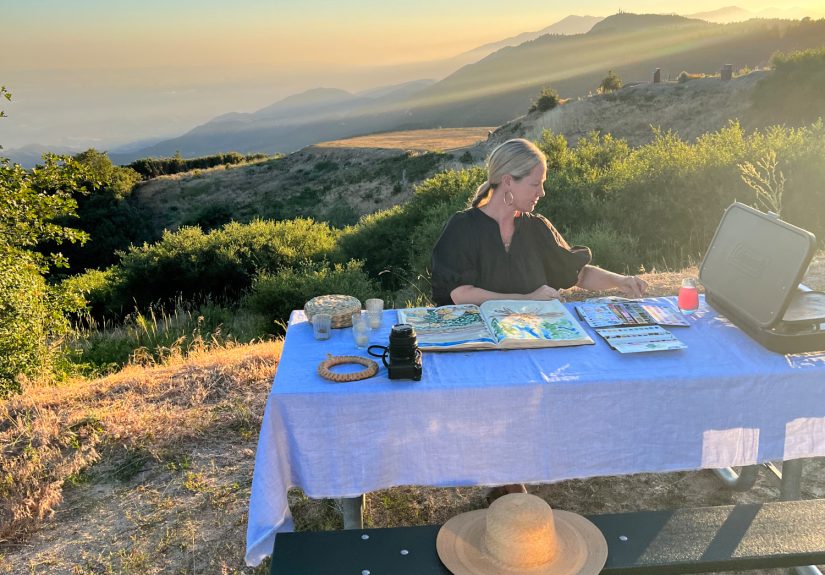
I think that is why her style works so well for gatherings. The food invites curiosity. A platter of paneer and vegetable kebabs looks cheerful and generous. A big salad full of herbs, grains, and crunch feels like something you can keep going back to. Even the colors matter. Outdoor meals already have a natural beauty to them, and Heidi Swanson’s food plays along. Deep greens, bright citrus, golden grains, charred edges, creamy whites, and bursts of fresh herbs all look good in late afternoon light. You do not have to stage the plate like a magazine cover. The ingredients do most of the work.
There is also a practical kind of pleasure in it. When you make outdoor food that includes grains, legumes, and sturdy vegetables, you are not panicking every five minutes. The salad can wait. The dressing can sit. The grilled vegetables are still good warm, room temperature, or tucked into leftovers the next day. Compare that with more fragile outdoor dishes, which can feel like tiny ticking clocks in serving bowls. Heidi-style outdoor cooking is not careless, but it is forgiving. That matters when you are hosting real people in real weather with real distractions.
Camping meals especially benefit from this mindset. Outdoor cooking away from home can get clunky fast if every dish requires fifteen tools and a miracle. But marinated vegetables, cooked grains, simple sauces, chopped herbs, toasted nuts, and sturdy produce pack well and adapt beautifully. You can assemble a satisfying meal without making the campsite look like a pop-up restaurant. The result feels thoughtful without being overbuilt, which is basically the sweet spot for any outdoor meal.
And maybe that is the bigger lesson from Heidi Swanson of 101 Cookbooks: healthy outdoor cooking should still feel like a treat. It should taste alive, not dutiful. It should make use of the season instead of fighting it. It should let the grill be one part of the meal, not the whole personality. Most of all, it should leave people feeling fed, refreshed, and ready to linger a little longer outside. That is the kind of meal worth repeating all summer.
Conclusion
Healthy outdoor cooking with Heidi Swanson’s sensibility is not a trend or a compromise. It is a smarter way to eat outside. By centering vegetables, grains, legumes, herbs, lighter marinades, and make-ahead dishes, you create meals that are fresh, satisfying, and easier to manage. You also create a table with more color, more balance, and more room for actual enjoyment.
If your usual cookout routine feels too heavy, too repetitive, or too dependent on one person shouting at a grill, Swanson’s approach offers a better path. Make the vegetables worth craving. Give whole grains some swagger. Use sauces and herbs like they matter. Prep ahead. Keep the menu flexible. Then eat outside like summer meant it.