Table of Contents >> Show >> Hide
- What Makes a Recipe Healthy?
- Healthy Breakfast Recipes That Actually Fill You Up
- Healthy Lunch Recipes for Busy Days
- Healthy Dinner Recipes That Do Not Feel Like a Compromise
- Healthy Snacks and Better-For-You Desserts
- How to Make Any Recipe Healthier
- Healthy Recipes on a Budget
- Healthy Recipes in Real Life: The Experience No One Talks About
- Conclusion
If the phrase healthy recipes makes you think of sad lettuce and chicken that tastes like a homework assignment, good news: that era is over. Modern healthy cooking is colorful, satisfying, fast enough for real life, and flexible enough for picky eaters, busy parents, meal-prep enthusiasts, and people who simply want dinner to stop judging them from the fridge. The best healthy meals are not punishment on a plate. They are practical, flavorful, and built from ingredients that help you feel full, energized, and reasonably proud of yourself by 8 p.m.
A truly healthy recipe does not need a halo, a hashtag, or a personality disorder. It usually follows a few smart principles: more vegetables and fruit, more whole grains, more beans, nuts, fish, or lean proteins, and less sodium, added sugar, and heavy saturated fat. In other words, healthy cooking is less about perfection and more about balance. That is why the most useful healthy recipes are the ones you will actually cook again next Tuesday when you are tired, hungry, and one minor inconvenience away from ordering fries the size of your emotions.
What Makes a Recipe Healthy?
A healthy recipe is not defined by a trendy label. It is defined by what it brings to the table. Strong healthy meal ideas usually include a smart mix of fiber-rich produce, quality protein, healthy fats, and carbohydrates that work harder than plain white bread. Think roasted vegetables instead of a side of regret, brown rice or quinoa instead of a giant pile of refined starch, and grilled salmon, beans, tofu, eggs, or skinless chicken instead of heavily processed meats.
One of the easiest ways to judge a recipe is to picture the plate. A balanced meal often looks like this: about half vegetables and fruits, one quarter whole grains, and one quarter protein. Add a sensible amount of healthy fat such as olive oil, avocado, seeds, or nuts, and suddenly your dinner has structure, flavor, and staying power. That combination can help turn a meal from “technically food” into something genuinely nourishing.
The Best Ingredients for Healthy Cooking
If you want your easy healthy meals to work consistently, stock ingredients that do the heavy lifting:
- Leafy greens, broccoli, carrots, peppers, tomatoes, mushrooms, and sweet potatoes
- Fresh or frozen berries, apples, citrus, bananas, and grapes
- Whole grains such as oats, brown rice, quinoa, farro, and whole-wheat pasta
- Lean proteins like fish, chicken breast, turkey, eggs, tofu, lentils, chickpeas, and black beans
- Healthy fats from olive oil, nuts, seeds, nut butter, and avocado
- Flavor boosters like garlic, lemon, herbs, yogurt, mustard, cumin, paprika, and vinegar
That last category matters more than people admit. A healthy recipe should taste like something. Herbs, spices, citrus, and vinegar can brighten food without loading it with extra salt or sugar. Healthy food that tastes good tends to get eaten. Healthy food that tastes like damp cardboard tends to become tomorrow’s science experiment.
Healthy Breakfast Recipes That Actually Fill You Up
Breakfast has one job: help you start the day without crashing before lunch or attacking a vending machine like it insulted your family. The best healthy breakfast recipes combine protein, fiber, and produce in a way that feels satisfying rather than saintly.
A bowl of oatmeal becomes far more powerful when you add berries, chopped nuts, chia seeds, and a spoonful of peanut butter. Greek yogurt can do the same when topped with fruit and homemade granola that is not secretly dessert in disguise. Eggs remain one of the most versatile ingredients in healthy cooking because they pair well with vegetables, beans, and whole-grain toast. A quick veggie scramble with spinach, tomatoes, and mushrooms delivers protein and color without requiring culinary theater.
Smoothies can work, too, but they need structure. A strong smoothie includes fruit, a protein source such as Greek yogurt or milk, and extra fiber from oats, chia, or flax. Otherwise, it is basically a milkshake wearing activewear.
Smart Breakfast Ideas
- Overnight oats with berries, walnuts, and cinnamon
- Whole-grain toast with avocado, egg, and sliced tomato
- Greek yogurt bowl with fruit, seeds, and low-sugar granola
- Veggie omelet with spinach, peppers, and a side of fruit
- Peanut butter banana smoothie with oats and plain yogurt
Healthy Lunch Recipes for Busy Days
Lunch is where good intentions often go to die in a parking lot. The solution is not heroic willpower. It is having healthy lunch recipes that are portable, fast, and sturdy enough to survive a day in the fridge. Grain bowls, salads with real substance, wraps, soups, and leftovers all deserve more respect.
A healthy lunch should not be made of lettuce and hope. Start with a base such as mixed greens, farro, quinoa, brown rice, or whole-grain wraps. Add protein from grilled chicken, tuna, tofu, lentils, chickpeas, or boiled eggs. Then pile on vegetables, add crunch with nuts or seeds, and use a dressing that has flavor without turning the bowl into a swimming pool of calories.
Soups are another underrated winner. Lentil soup, bean chili, vegetable soup with shredded chicken, or tomato soup paired with a half sandwich can be deeply satisfying. The same goes for a sturdy sandwich on whole-grain bread with turkey, avocado, mustard, lettuce, and a side of fruit. It is not glamorous, but neither is being hungry at 3 p.m. with a spreadsheet open and no patience left.
Healthy Dinner Recipes That Do Not Feel Like a Compromise
Dinner is where healthy dinner ideas must prove they belong in the real world. A good healthy dinner needs enough flavor and substance to satisfy everyone at the table, including the person who claims vegetables are “fine” while glaring at broccoli like it owes rent.
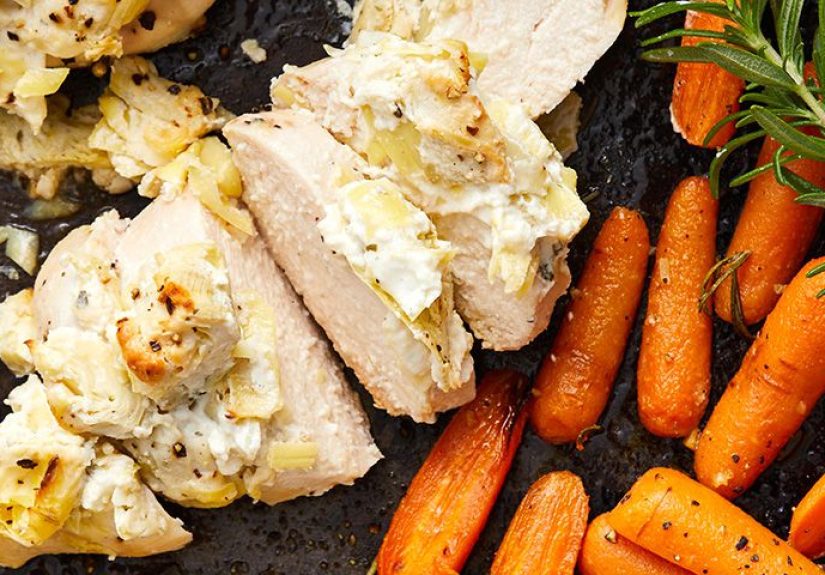
Sheet-pan meals are one of the simplest ways to win weeknights. Roast salmon or chicken with Brussels sprouts, carrots, onions, and sweet potatoes on one pan, then finish with lemon and herbs. Stir-fries are equally useful because they welcome almost any vegetable and pair beautifully with tofu, shrimp, or lean turkey over brown rice. Grain bowls with roasted vegetables, beans, greens, and a yogurt-based sauce also deliver the kind of texture and flavor that make healthy eating feel normal rather than performative.
Mediterranean-style dinners are especially effective because they rely on ingredients that are both nutritious and delicious: olive oil, vegetables, legumes, fish, herbs, yogurt, and whole grains. A farro bowl with roasted vegetables and lemon yogurt, grilled fish tacos with cabbage slaw, or a chickpea and tomato skillet served with brown rice can all feel hearty without becoming heavy.
Easy Healthy Dinner Ideas
- Sheet-pan Greek chicken with tomatoes, onions, and olives
- Salmon with roasted broccoli and quinoa
- Turkey and vegetable stir-fry over brown rice
- Lentil pasta with kale, garlic, and tomato sauce
- Black bean tacos with cabbage slaw and avocado
- Stuffed sweet potatoes with beans, salsa, and plain Greek yogurt
Healthy Snacks and Better-For-You Desserts
Snacks are not the enemy. Random snacking with no plan is the enemy. Healthy snacks can help bridge long gaps between meals and prevent the sort of ravenous dinner choices that begin with “I deserve this” and end with six mozzarella sticks and a vague sense of reflection.
The best snacks contain some combination of protein, fiber, and healthy fat. Apple slices with peanut butter, carrots with hummus, cottage cheese with fruit, nuts with grapes, or plain yogurt with berries are all simple, balanced options. Popcorn can be surprisingly smart when it is not drowning in butter and drama.
Dessert can also fit into a healthy eating pattern. Fruit crisp made with oats, yogurt topped with cinnamon and berries, dark chocolate with almonds, or homemade oat-based cookie bars give you sweetness with a little more nutritional value and a little less sugar chaos. Healthy recipes do not need to ban joy. They just need to stop handing joy the car keys.
How to Make Any Recipe Healthier
You do not need to throw away every favorite comfort food recipe and start living on steamed zucchini. In many cases, you can improve a familiar dish with a few thoughtful changes. This is where healthy cooking becomes sustainable.
- Swap refined grains for whole grains when possible
- Use beans, lentils, or vegetables to stretch meat-based dishes
- Choose baking, roasting, grilling, steaming, or sautéing over deep-frying
- Cut back on heavy cream, excess butter, and large amounts of cheese
- Use citrus, garlic, herbs, onions, and spices to reduce the need for salt
- Pick plain yogurt-based sauces instead of creamy bottled dressings
- Watch portion sizes for calorie-dense toppings, even the healthy ones
For example, mac and cheese can become more balanced with a smaller portion, a side salad, whole-grain pasta, and extra vegetables mixed in. Tacos become healthier when you swap fatty meat for grilled fish or beans and load them with cabbage, salsa, and avocado. Even dessert recipes can improve with more oats, fruit, nuts, and less added sugar. Tiny changes may not look glamorous on social media, but they work beautifully in actual kitchens.
Healthy Recipes on a Budget
Healthy eating gets unfairly framed as an expensive hobby for people who alphabetize their spice drawer. In reality, healthy recipes on a budget are absolutely possible when you lean on affordable staples. Beans, lentils, oats, eggs, frozen vegetables, canned tuna, plain yogurt, brown rice, seasonal produce, and peanut butter can all anchor low-cost, high-value meals.
Frozen produce deserves a standing ovation. It is convenient, reduces food waste, and makes it easier to keep vegetables and fruit in the house without losing half of them to the mysterious back corner of the refrigerator. Canned beans and tomatoes also save time and money, especially when you choose low-sodium or no-salt-added versions. Meal planning helps, too. A simple plan for the week makes it easier to repurpose ingredients into multiple meals instead of buying seventeen exciting items that never meet each other.
Try this practical formula: cook one grain, prep one protein, roast one tray of vegetables, and wash your greens at the start of the week. Suddenly you have the building blocks for bowls, wraps, salads, soups, and quick dinners. It is not flashy, but it is extremely effective.
Healthy Recipes in Real Life: The Experience No One Talks About
Here is the part many articles skip: eating healthier usually does not begin with a life-changing revelation in a perfectly lit kitchen. It begins with one decent meal. Then another. Then a week where you realize you did not have to “go on a diet” to feel better. The real experience of cooking healthy recipes is surprisingly human. It is messy, repetitive, slightly chaotic, and much more enjoyable once you stop expecting every meal to look like it came from a magazine spread curated by a very disciplined avocado.
For many people, the first noticeable change is not dramatic weight loss or a saintly glow. It is convenience. Once you keep basics at home and learn a few dependable meals, the mental load drops. Breakfast becomes easier. Lunch stops being a panic decision. Dinner stops feeling like a coin toss between takeout and despair. There is comfort in knowing that with eggs, oats, greens, beans, frozen vegetables, yogurt, and a decent loaf of whole-grain bread, you can make a surprising number of meals without overthinking them.
Another real-world experience is learning that healthy food does not need to be “clean,” perfect, or bland to count. Some nights, healthy cooking is a roasted salmon dinner with quinoa and asparagus. Other nights, it is a turkey sandwich on whole-grain bread with fruit and soup because you are tired and have exactly twelve minutes. Both can belong in a healthy routine. That flexibility matters. It keeps people consistent, and consistency is far more useful than a short burst of nutritional ambition followed by a week of cereal for dinner.
People also notice that their taste changes over time. Foods that once seemed too plain start tasting fresh and balanced. You begin to appreciate crunch, acidity, herbs, spice, and texture instead of expecting every bite to be loaded with salt, sugar, or heavy fat. That does not mean cravings disappear. It means your food preferences get broader, and your meals start doing more than just filling the silence between meetings.
There is also a quiet confidence that comes from cooking healthier recipes regularly. You get better at substitutions. You stop treating recipes as sacred documents and start using them as roadmaps. No spinach? Use kale. No salmon? Try tuna or chickpeas. No quinoa? Brown rice will survive the transition. That kind of adaptability is what makes healthy cooking sustainable. It becomes less about chasing the “perfect” recipe and more about understanding how to build a balanced meal from what you have.
And perhaps the most underrated experience is this: healthy recipes can make home feel more organized. Not fancy. Not flawless. Just calmer. A pot of soup in the fridge, chopped vegetables in containers, a cooked grain ready to go, and a few snack options on hand can change the rhythm of a week. You eat better not because you became a different person, but because your environment made the better choice easier. That is often the real secret behind healthy eating. It is not magic. It is momentum.
Conclusion
The best healthy recipes are not built on restriction. They are built on balance, flavor, and repeatability. They make room for vegetables, fruit, whole grains, lean proteins, legumes, and healthy fats while keeping excess sodium, saturated fat, and added sugar from running the whole show. More importantly, they fit into everyday life. A healthy recipe should taste good, work on a Tuesday, stretch a grocery budget, and leave you satisfied enough that you are not rummaging for cookies 20 minutes later.
So if you are trying to eat better, start small and keep it practical. Build a few breakfasts you can repeat. Learn two or three healthy lunch formulas. Master four weeknight dinners that do not require a pep talk. That is how healthy cooking sticks. Not with perfection, but with meals that make sense, taste great, and quietly improve the way you live.