Table of Contents >> Show >> Hide
- What the “Hey Pandas” lock screen prompt is really about
- The lock screen is also a privacy window (so let’s not accidentally livestream our lives)
- How to make your lock screen less “leaky” without making it boring
- What lock screens tend to reveal (in the nicest, least-creepy way)
- Specific examples of “lock screen stories” that hit every time
- How to take a lock screen screenshot (without accidentally posting the whole notification buffet)
- Want a better lock screen? Try these ideas
- Community etiquette for lock screen posting
- Why this prompt works (and why it keeps coming back)
- Extra: of experiences inspired by “Post your lock screen”
- Conclusion
Your lock screen is the tiniest billboard you ownand somehow it says everything.
It’s part mood board, part diary, part “please don’t read my notifications in public,” and part
“yes, I do need a photo of my dog to emotionally regulate.”
That’s why Bored Panda’s community challenges around lock screens are so weirdly irresistible:
everyone’s got one, everyone’s got a reason (even if the reason is “because it’s pretty”), and
the results range from cozy to chaotic to “I swear I’m fine.”
What the “Hey Pandas” lock screen prompt is really about
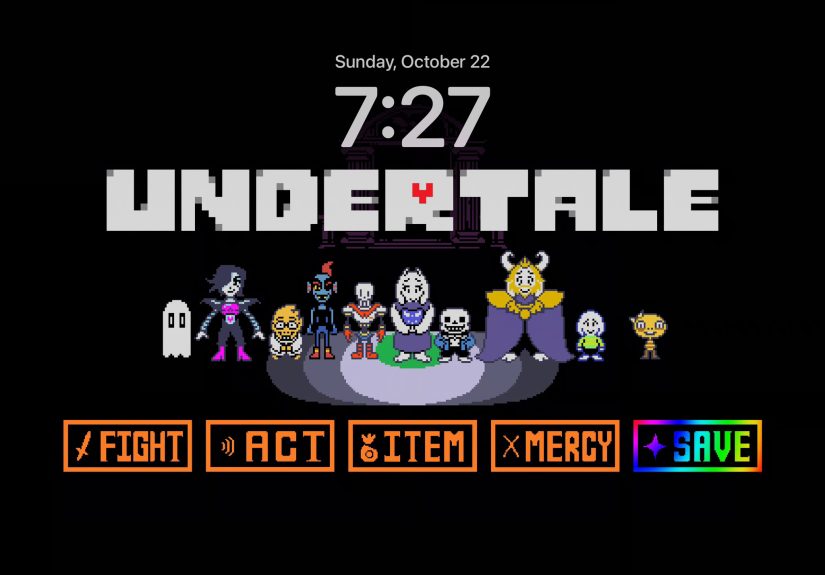
The premise is simple: post your phone’s lock screen andif you wantshare the story behind it.
And that second part is the secret sauce. A lock screen is rarely just a random picture. It’s
often a tiny symbol of what you miss, what you want, what you’re proud of, or what you’re trying
not to forget. (Sometimes it’s also a meme. Memes are valid emotional support animals.)
Why people love sharing lock screens
- Identity in one glance: fandoms, aesthetics, family, pets, travel, quotes, faith, humor.
- Micro-storytelling: a photo you took, a reminder you need, a feeling you’re chasing.
- Community pattern spotting: “Wait… we all use sunsets when we’re stressed?” Yes. Yes we do.
- Design joy: color palettes, widgets, typography, and the art of making a phone look expensive.
The lock screen is also a privacy window (so let’s not accidentally livestream our lives)
Before you post anything, remember: a lock screen can expose more than your taste.
Notifications can reveal private messages, two-factor codes, calendar events, addresses, and more.
The good news: both iPhone and Android let you reduce what shows on the lock screen without turning
your phone into a silent brick.
Quick “post-it-safely” checklist
- Crop or blur names, email addresses, phone numbers, and any visible notifications.
- Remove location clues (street signs, school names, work badges, identifiable landmarks).
- Hide sensitive widgets (calendar, health, finance, smart home controls).
- Double-check the top bar (carrier name, VPN name, hotspot indicatorssometimes these reveal more than you think).
- If kids are pictured, consider cropping faces or choosing a less identifying photo.
How to make your lock screen less “leaky” without making it boring
On iPhone: hide notification previews
If you’re on iPhone, you can control when notification previews appear. A popular privacy-friendly option is
showing previews only when the phone is unlocked (or not at all). That way, your lock screen stays cute and
your texts stay… not readable to the person behind you at the coffee shop.
On Android: hide sensitive notification content
Android offers settings to hide sensitive notification content on the lock screen. Depending on your phone brand,
the menus might look slightly different, but the goal is the same: keep the lock screen helpful without putting
personal info on display.
Extra lock screen safety knobs worth checking
- Lock screen access: limit what can be opened while the phone is locked (like control center / quick settings, reply actions, or notification center).
- Strong lock method: a longer PIN or passcode beats an obvious pattern. (Your fingerprint is not a personality trait; your PIN should not be “123456.”)
- Auto-lock timing: shorter auto-lock is mildly annoying and wildly effective.
- Physical security: if you leave your phone unattended, your lock screen isn’t the only thing at risk.
What lock screens tend to reveal (in the nicest, least-creepy way)
1) The Sentimental MVP
Family photos, partners, pets, best friends, late grandparents, a kid’s drawingthese are the lock screens that
basically whisper, “I have a heart. It’s soft. Please don’t step on it.” They’re common because they work:
you see the image dozens of times a day, which makes the phone feel less like a device and more like a pocket-sized home.
2) The “I’m Rebranding My Whole Life” quote
Motivational lock screens are modern-day sticky notes… except prettier and harder to ignore. People pick quotes for
fitness goals, sobriety milestones, grief, anxiety, confidence, career transitions, and the eternal quest to stop
doomscrolling at 1:47 a.m.
3) The Aesthetic Curator
Minimal gradients, soft film photos, vintage posters, anime art, abstract shapes, cottagecore floralsthis group
treats the lock screen like interior design for the eyeballs. The icons and widgets have to match. The color palette
must be consistent. If you don’t understand it, that’s okay. Art is subjective. (But also: please respect the vibe.)
4) The Chaos Goblin (said with love)
This lock screen might be a cursed meme, a blurry screenshot, a potato-quality photo of a raccoon, or something
that makes you laugh every time you unlock your phone. The story here is usually: “I needed joy, and my brain is weird.”
Honestly? Relatable.
Specific examples of “lock screen stories” that hit every time
- The travel freeze-frame: a sunrise you caught on a road trip, because it reminds you you’re capable of leaving your comfort zone.
- The pet portrait: a dog mid-zoomies or a cat looking offended, because emotional support is a daily requirement.
- The memorial photo: a loved one, because grief doesn’t vanishit changes shape, and sometimes it becomes a quiet background you carry.
- The goal snapshot: a diploma, a race bib, a “before” photo, because you want your future self to keep promises your past self started.
- The fandom flag: a character who got you through a hard season, because stories can be scaffolding.
How to take a lock screen screenshot (without accidentally posting the whole notification buffet)
Safer screenshot habits
- Turn on “Do Not Disturb” (or Focus mode) for 30 seconds so nothing pops up mid-screenshot.
- Clear notifications firstyes, even the “your package is arriving” one. It’s always the package one that betrays you.
- Take the screenshot and then use the edit tools to blur or crop any sensitive areas.
- Preview like a stranger: if someone who doesn’t know you saw this image, what could they learn?
Want a better lock screen? Try these ideas
Make it functional without clutter
- Pick a wallpaper with “quiet space” where time and widgets appear.
- Use one purpose per widget cluster: weather + calendar or habits + reminders, not everything everywhere all at once.
- Choose a color scheme that boosts readability (high contrast beats “pretty but illegible”).
Make it personal without oversharing
- Use a photo that means something, but crop out identifying details.
- Swap in seasonal wallpapers (holiday cozy, summer beach, autumn hike) like you’re decorating a tiny digital apartment.
- Create a “comfort collection” and rotate: pet, place, quote, artwhatever helps you reset.
Community etiquette for lock screen posting
If you’re joining a “Hey Pandas” prompt, a little etiquette keeps things fun:
- Be kind: people share sentimental images. Treat them like humans, not content.
- Respect privacy choices: if someone blurs details, don’t ask them to unblur.
- Credit creators: if it’s artwork, mention the artist when possible.
- Don’t one-up grief: this is not a competition. Let people share without turning it into a sadness Olympics.
Why this prompt works (and why it keeps coming back)
Lock screens are universal. They’re also low effort to share and high reward to browse. You get quick dopamine from
pretty images, plus the deeper satisfaction of seeing how strangers organize meaning. It’s like peeking into someone’s
backpack, except consensual and with better lighting.
Extra: of experiences inspired by “Post your lock screen”
If you’ve ever scrolled a lock screen thread, you know the experience is half wallpaper show-and-tell and half
accidental group therapy. One minute you’re admiring someone’s perfectly color-matched minimalist setup, and the next
you’re reading a caption that says, “This is my lock screen because it’s the last picture I took of my dad,” and suddenly
your snacks taste emotional. That swingbetween aesthetic and intimateis exactly why these prompts stick. A lock screen
is a tiny, repeated ritual: you see it every time you open your phone, which means the image becomes a daily anchor.
People often underestimate how practical that anchor can be. Someone sets their lock screen to a photo from a mountain
hike, not because they want to look outdoorsy, but because the picture reminds them they survived a hard year and still
found beauty in it. Another person uses a silly memesome wildly overconfident frog in sunglassesbecause it’s a cheap,
reliable laugh during anxious moments. The image doesn’t have to be deep to be useful; sometimes it just needs to interrupt
the spiral. And then there are the lock screens that act like gentle promises: a quote about boundaries, a sobriety day
counter widget, or a simple “breathe” placed where your thumb can’t avoid it.
The funniest part is how consistent the patterns are across strangers. Pets dominate (obviously). Sunsets and beaches show
up when people feel overwhelmed. Babies and partners appear when people are in their “this is my whole heart” era. Anime and
game art appears when someone wants comfort and identity in the same frame. And minimalism tends to spike when people are
trying to regain controlbecause if your brain is loud, a calm lock screen feels like turning down the volume. You also see
“privacy glow-ups”: blurred notifications, clean layouts, and wallpapers chosen specifically because they hide widget clutter.
It’s a quiet flex that says, “I enjoy beauty, but I also enjoy not being perceived by strangers in line at Target.”
If you post your lock screen, the most satisfying comments are rarely “nice wallpaper.” They’re the ones that recognize the
story: “That photo looks like it was taken on a really meaningful day,” or “I love that your lock screen makes you smile.”
The thread becomes a tiny museum of what people valuefamily, humor, peace, art, memory, motivationcurated one unlock at a time.
And if you don’t want to share publicly, you can still steal the best part of the prompt: ask yourself why your lock screen is
what it is. If it’s random, maybe that’s fine. But if you’re craving a small upgrade to your day, changing that one image might
be the easiest, cheapest mood shift you can make. No subscription required. Just you, your phone, and a background that feels like
you.
Conclusion
The “Hey Pandas” lock screen challenge is fun because it’s simple: share what you see every day. But it’s also sneakily meaningful,
because lock screens are tiny identity snapshots. Post one if you wantjust do it safely, blur what matters, and tell the story if you
feel like it. The best lock screens aren’t the fanciest. They’re the ones that make you feel something when your phone lights up.