Table of Contents >> Show >> Hide
- First, the facts: Who’s playing Harry, Hermione, and Ron?
- Why the casting announcement instantly “divided the internet”
- How HBO is building the new Harry Potter universe
- The real challenge: Casting the “Trio” is about chemistry, not headlines
- Why fans react so intensely to “new faces” in iconic roles
- What this casting “debate” gets rightand what it gets dangerously wrong
- How to enjoy the reboot without becoming the villain in someone’s origin story
- 500-word experiences: What fandom “recasting season” feels like in real life
- Conclusion: The internet can argue, but the story hasn’t even begun
The Boy Who Lived is about to live againthis time in 4K, weekly installments, and with enough discourse to power a small city. HBO’s upcoming Harry Potter TV series has officially cast its new trio: a fresh Harry, Hermione, and Ron stepping into roles that are basically sacred relics for an entire generation. And the internet, being the internet, reacted with the calm emotional balance of a Cornish pixie in a china shop.
Some fans are thrilled. Some are skeptical. Some are already writing 27-tweet threads about robe stitching accuracy. And a whole lot of people are having the same realization at once: this isn’t just “new casting.” It’s a cultural handofflike passing the Marauder’s Map to someone who uses Android when you’re an iPhone loyalist. (You can do it. You just might not feel good about it.)
First, the facts: Who’s playing Harry, Hermione, and Ron?
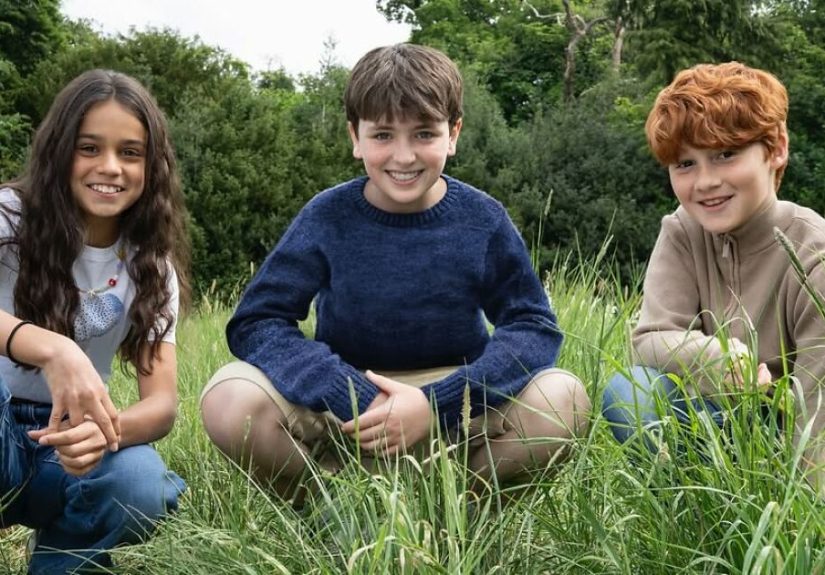
HBO has cast newcomers Dominic McLaughlin as Harry Potter, Arabella Stanton as Hermione Granger, and Alastair Stout as Ron Weasley. These are the three roles that carry the emotional weight of childhood memories, midnight book releases, and that one friend who still insists Prisoner of Azkaban is the best story and the best movie and they’ll debate you at brunch.
HBO has described the new show as a faithful adaptation of J.K. Rowling’s seven-book series, with a long-term structure that’s designed to give each book more breathing room than a film can. In other words: more classes, more castle corners, more character momentsand yes, probably more time for Peeves to finally become everyone’s problem in live action.
Why the casting announcement instantly “divided the internet”
If you’ve ever wondered whether people can form intense emotional attachments to fictional children who fight a snake-faced wizard, the answer is: yes, absolutely, and they will express those attachments at full volume online. When the trio casting dropped, reactions split into a few very recognizable camps.
1) Nostalgia is a powerful spell (and it has no off switch)
For many fans, Daniel Radcliffe, Emma Watson, and Rupert Grint are not just actorsthey’re memory anchors. They’re the faces people associate with growing up, reading under the covers, and learning that “friendship” sometimes looks like sharing a chocolate frog on a terrible day. So when a new trio arrives, it can feel less like a casting update and more like someone rearranged your childhood bedroom without asking.
That nostalgia creates a weird emotional paradox: fans want the series to succeed, but they also want the past to remain untouched. Which is a bit like asking the Time-Turner to move forward without changing anything. (Good luck, Hermione.)
2) “They’re kids” meets “the internet has no chill”
This reboot has something the old film era didn’t have in the same way: a fully mature social media ecosystem ready to form instant opinions. The new leads are child actors, and fansrightfullyhave concerns about how intense public attention can be when you’re eleven and just trying to remember your lines, your homework, and which pocket your snack is in.
Even supportive commentary often carries a protective tone: fans don’t just want the kids to be good; they want them to be safe from the kind of online noise that can turn exciting opportunities into exhausting experiences. The best reactions celebrate the newcomers while setting a boundary: critique the show later if you must, but don’t treat real children like a fandom punching bag.
3) “Book accuracy” debates (aka the Olympics of Being Right Online)
Any time a beloved book series gets adapted, “book accuracy” becomes a competitive sport. Fans debate hair, height, vibe, tone, and micro-details like whether a Hogwarts first-year would realistically look that well-rested in September. But with Harry Potter, the challenge is extra spicy because the film versions are already deeply embedded in pop culture. People aren’t comparing the new trio only to the booksthey’re comparing them to the actors who have basically been the default mental image for over two decades.
The tricky truth: “accurate” isn’t just a checklist. Casting is about performance, chemistry, and whether the trio feels like a believable friendship. That’s hard to judge from a press photo. And yet, the internet tries anywaybecause the internet never met a premature conclusion it didn’t like.
4) Franchise baggage: Rowling discourse and the reboot question
The new series exists in a complicated cultural moment. J.K. Rowling remains involved as an executive producer, and her public controversies continue to influence how some audiences feel about the project. For some fans, that’s a deal-breaker. For others, it’s something they bracket off to focus on the story itself. And for plenty of people, it’s simply part of the background noise surrounding any major Harry Potter announcement now.
That means the trio casting doesn’t land in a neutral spaceit lands in a loud room where other arguments are already happening. The kids didn’t start that fire, but they’re walking into the smoke. Which is exactly why the conversation around them should be handled with care.
How HBO is building the new Harry Potter universe
One reason this casting news feels so big is that HBO isn’t treating the series like a quick nostalgia snack. The plan is ambitious: a long-running adaptation that can explore plotlines and character arcs with a level of detail the films couldn’t always afford. That’s part of the appealespecially for book fans who still have a running list titled “Things The Movies Skipped That I Will Never Forgive.”
And the project isn’t relying only on the trio to carry the weight. HBO has been stacking the adult cast with recognizable names, including John Lithgow as Albus Dumbledore, Janet McTeer as Professor McGonagall, Nick Frost as Hagrid, and Paapa Essiedu as Severus Snapechoices that signal the series is aiming for prestige-TV energy, not just cosplay with a budget.
Production details have also fed fan interest: filming has taken place in the U.K. at the familiar studio home of the franchise, and HBO has released early promotional glimpses that instantly triggered the “pause and zoom” behavior fans reserve for important scientific worklike confirming whether a scarf stripe is canon.
The real challenge: Casting the “Trio” is about chemistry, not headlines
Here’s the part that doesn’t fit neatly into a viral post: the hardest thing to cast isn’t “Harry” or “Hermione” or “Ron” individually. It’s the relationship between them.
The story works because the trio feels like a real friendship: messy, loyal, occasionally jealous, frequently hungry, and constantly dealing with school stress that would be a lot more relatable if the exams didn’t involve life-and-death monsters. If HBO nails that group dynamic, a lot of the early skepticism will melt away. If it doesn’t, even perfect costumes won’t save the vibe.
That’s why many industry reports emphasized how extensive the search wasthis isn’t a random pick; it’s a carefully tested combination. And it’s also why judging the trio before seeing them act together is like reviewing a restaurant based on the font of the menu. (You can guess. You will probably be wrong. But you can guess.)
Why fans react so intensely to “new faces” in iconic roles
Big fandom reactions often look irrational from the outside, but they make sense emotionally. For a lot of people, Harry Potter wasn’t just entertainmentit was comfort, identity, community, and an entry point into reading for pleasure. The trio represented a kind of found-family fantasy: you can be ordinary, lonely, or misunderstood, and still discover a place where you belong.
When a new adaptation arrives, it asks fans to do something surprisingly hard: hold two truths at once. The original version mattered, and the new version might matter toofor a different generation, in a different medium, under different cultural conditions. That doesn’t erase anyone’s childhood. It just means the story is continuing to live.
What this casting “debate” gets rightand what it gets dangerously wrong
What the debate gets right
- Fans care. The intensity is partly proof that the story still matters.
- People want quality. High expectations can be annoying, but they also pressure studios to take the work seriously.
- Concerns about child actors are valid. The industry has a long history of not protecting young performers well enough.
What the debate gets wrong
- It treats a casting photo like a full performance review. Acting is not a headshot.
- It forgets these are real kids. Critique later, gently. Don’t turn children into targets.
- It assumes “different” means “worse.” Sometimes “different” is exactly how new magic gets made.
How to enjoy the reboot without becoming the villain in someone’s origin story
If you’re excited, be excited. If you’re skeptical, that’s fine too. But if you want a fandom take that ages well, here’s a simple code: judge what you see, not what you fear. Wait for scenes. Wait for chemistry. Wait for writing, directing, tone, and pacing. Let the work show you what it is.
And if you’re posting about the kids, keep it human. Praise is great. Constructive curiosity is fine. Cruelty is pointless. The most Potter-ish thing fans can do here is show a little empathybecause the whole story is basically a 4,000-page argument for kindness, courage, and not bullying people who are trying their best.
500-word experiences: What fandom “recasting season” feels like in real life
If you’ve ever lived through a major recast announcement in a beloved franchise, you know the emotional pattern is weirdly consistent like a ritual that starts the moment the news alert hits your phone. First comes the double-take: “Wait, is this real?” Then the group chats light up. Someone posts the headline. Someone else posts a screenshot of the photo. A third person sends a voice note that begins, “Okay, I’m trying to be normal about this, but” and then immediately fails.
For longtime Harry Potter fans, the new trio reveal can trigger a specific kind of nostalgia shock. You remember exactly where you were when you first saw the film cast back in the dayor when you first pictured the trio while reading. People start telling stories: the midnight release lines, the hand-me-down paperbacks, the school library holds, the Halloween costumes that were basically “robe + optimism.” It’s less like discussing casting and more like opening a memory box and realizing it’s still emotionally radioactive.
Then comes the scrolling. You see joy. You see panic. You see someone declare the reboot “ruined” before a single line of dialogue exists. You see another person post, “Protect these kids at all costs,” and that one lands because it’s true. The internet can be a stadium, and the stadium can be loud. Many fans have experience watching young actors become targets in other franchises, so the protective instinct kicks in fast: don’t feed the pile-on, don’t quote-tweet cruelty, don’t treat children like they’re responsible for corporate decisions.
In between the extremes, there’s a quieter, more relatable experience: cautious hope. A lot of fans want this series to do what TV does best slow-burn character growth, deeper side plots, richer Hogwarts atmosphere. They want the feeling of the books: the warmth, the dread, the humor, the ordinary school moments punctured by extraordinary danger. They don’t need a carbon copy of the films; they need a version that feels emotionally true. That’s why some people are willing to wait. They’re not “less passionate.” They’re just trying to keep their expectations from turning into a preemptive disappointment.
And finally, after the first wave of takes burns out, there’s a human moment that often arrives: you remember what it felt like to be a kid who loved stories. You imagine being cast as Harry, Hermione, or Ron and realizing that millions of strangers now have opinions about your face, your vibe, your everything. That thought tends to recalibrate the conversation. Because the best fandom experiencesreally the ones worth keepingare the ones where excitement doesn’t require cruelty, and where hope doesn’t demand perfection on day one.
Conclusion: The internet can argue, but the story hasn’t even begun
HBO’s new Harry Potter series is setting up a fresh take on one of the most famous stories in modern pop culture, and the casting of Harry, Hermione, and Ron was always going to be the lightning strike moment. The reaction being “divided” is almost inevitable: this fandom is huge, emotionally invested, and spread across multiple generations with different expectations.
But here’s the simplest truth: casting announcements are not the show. They’re the starting line. The real test will be the writing, the directing, the tone, andmost importantlythe chemistry between three young actors who now carry an enormous legacy. Until we see them on screen, the best move is the least dramatic one: let them act.