Table of Contents >> Show >> Hide
- Why bird photos hit different (and why “cute” starts with comfort)
- Before you hit “post”: the 60-second bird-welfare checklist
- How to take a ridiculously cute bird photo (with just a phone)
- Photo prompts that get comments (without annoying your bird)
- Captions that fit the “Hey Pandas” vibe (and boost engagement)
- Posting smart: keep your bird safe (and your comments section sane)
- If your bird hates photos, here’s the low-drama workaround
- Conclusion: the cutest bird photo is the one that feels like your bird
- Experiences From Bird People: What Usually Happens When You Try to Photograph “The Cutest Bird”
There are two universal truths on the internet: (1) people will stop mid-scroll for a tiny face, and (2) birds have the tiniest faces with the biggest attitudes. If you’ve ever watched a budgie stare directly into your soul like a judgmental blueberry, or seen a cockatiel crest pop up like a surprised emoji, you already know: birds were built for “aww,” “LOL,” and “please tell me their name” comments.
But here’s the twist: the cutest bird photo isn’t just about the lighting or the angle. It’s about capturing a real momentone that shows personality without stressing your feathered roommate out. This post is your friendly, fun, totally-not-a-photography-class guide to snapping an irresistible bird pic (with a phone!), telling a story that gets engagement, and keeping your bird safe, comfy, and confident while they do what they do best: be adorable chaos.
Why bird photos hit different (and why “cute” starts with comfort)
Birds are visual fireworksfeather patterns, glossy eyes, tiny feet that look like they belong on a dinosaur action figure. But they’re also prey animals, which means many birds hide discomfort until it’s serious. In other words: your bird may look “fine” while quietly thinking, “I would like to unsubscribe from this photoshoot.”
So the goal is a win-win: you get a photo that melts hearts, and your bird gets a low-stress experience that feels more like playtime than paparazzi. If you remember nothing else, remember this: no photo is worth a scared bird.
Before you hit “post”: the 60-second bird-welfare checklist
1) Read the feathers, not just the vibes
When birds are comfortable, you’ll often see relaxed behaviors like gentle preening, soft chirping, and calm body posture. Some birds grind their beaks when they’re settling down, which is commonly associated with comfort. On the flip side, stress can show up as biting, lunging, frantic movement, repetitive behaviors, or sudden changes in vocalizing (either more noise or noticeably less). Feather damaging behaviors can also be linked to stress, boredom, or health problemsso if you notice new or worsening plucking/picking, it’s time to consult an avian veterinarian.
- Green light cues: relaxed posture, curious leaning, gentle preening, calm blinking, “hangout” energy.
- Yellow light cues: backing away, tense posture, pinned/very wide eyes, repeated avoidance, “please stop” body language.
- Red light cues: lunging, biting, frantic flapping, repeated screaming, freezing in fear, or any sign of illness (fluffed and lethargic, drooping wings, not eating).
Rule of thumb: if your bird is choosing to engage, keep going. If they’re trying to leave the situation, let them. Cute is consent.
2) Set the stage for safety (because birds are basically toddlers with wings)
Quick “bird-proof” scan before you start snapping:
- Turn off ceiling fans.
- Close doors and windows (and block mirrors/glass if your bird tends to fly into reflections).
- Keep other pets out of the room.
- Skip candles, aerosols, and cooking fumes.
- Choose a stable perch (tabletop stand, cage top, favorite play gym).
3) Keep it short, sweet, and snack-supported
Birds don’t “pose,” they negotiate. Plan for mini-sessionsthink 2–5 minutesthen break. Use tiny treats (in moderation) or favorite toys to reward calm curiosity. Avoid physically moving your bird around like a decorative figurine. Let them choose the spot and the pace, and you’ll get better photos and a happier bird.
How to take a ridiculously cute bird photo (with just a phone)
1) Light: make it soft, make it flattering, make it not terrifying
Flash is the villain in many pet photosharsh shadows, weird eye reflections, and a startled subject who suddenly remembers they can fly. Instead:
- Use window light: place your bird near a window with indirect light.
- Avoid harsh midday sun: it creates intense contrast and “inky” shadows.
- Try morning or late afternoon: softer, warmer light brings out feather texture.
Pro move: if the light is too strong, diffuse it with a sheer curtain. Your bird gets a gentler environment, and your camera gets an easier job.
2) Focus on the eye (because that’s where the internet falls in love)
On most phones, tap the bird’s eye to lock focus. If your phone supports it:
- Enable burst mode for head tilts and quick blinks.
- Use Live Photo or short video, then grab the best frame.
- Lower exposure slightly so white feathers don’t blow out.
If your bird is a perpetual motion machine, back up a bit and zoom lessdigital zoom can soften detail. A sharp eye beats a “close” but blurry shot every time.
3) Get to their level (yes, even if it means sitting on the floor)
Photos taken at eye level feel intimate and expressive. When you shoot from above, you can accidentally make your bird look smaller or “flattened.” Eye level gives you that “we are equals” energylike your cockatiel is about to ask you for rent money.
4) Clean backgrounds = instant upgrade
Birds are visually busy (in the best way). Background clutter competes with the star. Try:
- A plain wall, curtain, or tidy corner.
- Step your bird a bit away from the background to create natural blur.
- Use “Portrait mode” carefullyfeathers can confuse edge detection, so take a few versions.
5) Capture behavior, not perfection
The cutest bird photos are rarely “perfect.” They’re real: a mid-preen fluffball, a curious head tilt, a tiny foot tuck, a proud stance after destroying a toy (again). Watch for micro-moments:
- Beak grind pre-nap calm
- Wing stretch “look at my span!”
- Bath-time sparkle shake
- Snack inspection (serious face, zero mercy)
Photo prompts that get comments (without annoying your bird)
The “Tiny Dinosaur” pose
Birds have prehistoric energy, and the camera loves it. Catch the upright stance, the alert eyes, the “I am a raptor” confidence. Bonus points if the feet are visiblepeople adore bird feet like they’re forbidden little hands.
The “Snack Auditor” close-up
Hold a safe treat slightly off to the side (not too close to the lens). Your bird will lean in, eyes bright, head angledinstant curiosity shot. Keep it brief so it stays fun.
Bath-time bliss
Many birds enjoy misting or shallow baths. If your bird likes it, photograph the post-bath fluffjust make sure the room is warm and draft-free, and never force water on a bird who hates it. The best bath shots happen when your bird is choosing the party.
The “soft nap” moment
If your bird is relaxed and sleepy, you might catch that cozy look: fluffed feathers, calm eyes, maybe a tucked foot. Keep the environment quiet and skip the sudden movements. This is the kind of photo that makes strangers whisper, “I would die for this bird.”
Bonded buddies (with a safety note)
Two birds snuggled up can break the internet. But avoid staging “together” photos with birds who aren’t already compatible. New birds should be handled thoughtfully (and often quarantined) to protect health and reduce stress. Stick to natural, established bonds.
Captions that fit the “Hey Pandas” vibe (and boost engagement)
A cute photo gets the click. A good caption gets the comments. Try one of these formats:
1) The “Meet & Greet” caption
- Name + species: “This is Kiwi, a budgie with main-character energy.”
- One habit: “He sings when I open the snack drawer.”
- One favorite: “Favorite toy: anything he can destroy in under 3 minutes.”
2) The “Tiny Backstory” caption
People love a mini-arc: how you met, a funny quirk, a small win (like stepping up, learning a whistle, trusting hands). Keep it warm and specific. The internet can tell when you’re being real.
3) The “Ask a Question” caption
- “What’s your bird’s most dramatic habit?”
- “Do your birds do the head-tilt like they’re decoding you?”
- “Show me your bird’s ‘I’m innocent’ face.”
Bonus: Add simple accessibility-friendly alt text (e.g., “Green-and-yellow budgie perched on a wooden stand, head tilted, bright eyes”). It’s good internet citizenship and helps more people enjoy your post.
Posting smart: keep your bird safe (and your comments section sane)
- Skip risky setups: no candles, no cooking areas, no open toilets (yes, really), no “cute” props that can be chewed.
- Avoid location oversharing: if your bird is rare or valuable, consider keeping identifiable details private.
- Don’t encourage wild bird handling: pet bird photos are the goal. Wildlife should be observed respectfully and safely.
- Health note: practice good hygienebirds can carry germs that may affect people, even when they look healthy. Wash hands after handling and keep cages and food areas clean.
If your bird hates photos, here’s the low-drama workaround
Some birds don’t mind cameras. Others treat your phone like a suspicious rectangle that might be plotting. If your bird is camera-shy:
- Start farther away and use gentle zoom.
- Photograph routine moments (eating, playing, preening) instead of “posing.”
- Use video first, then screenshot the best frame.
- Keep sessions short and reward calm behavior.
- Never chase your bird with the camerafear ruins trust fast.
Over time, many birds become comfortable if the camera is simply “part of the environment,” not a sudden, intense event.
Conclusion: the cutest bird photo is the one that feels like your bird
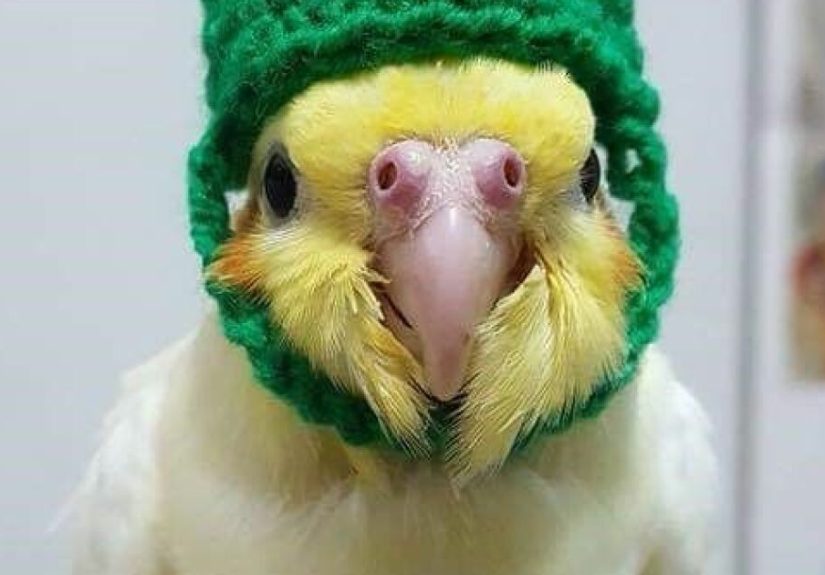
Your bird doesn’t need studio lighting, a tiny hat, or a contract with a talent agency (although let’s be honest, some parrots would negotiate for it). The best “Hey Pandas” posts capture something true: curiosity, silliness, calm, confidence, or that perfectly-timed head tilt that says, “I know I’m cute. Please proceed with admiration.”
So post the photo. Tell the little story. Invite people to share theirs. And keep it simple: soft light, eye focus, clean background, short sessions, and a bird who’s comfortable enough to be themselves. That’s the formula for cute that never goes out of style.
Experiences From Bird People: What Usually Happens When You Try to Photograph “The Cutest Bird”
If you’ve ever attempted a bird photo session, you already know it rarely goes according to planand that’s exactly why it’s fun. Bird owners often describe the same pattern: you start with a clear vision (“one adorable portrait”), and your bird responds with a creative counteroffer (“how about 47 blurry action shots and one perfect frame where I look like a Renaissance painting?”). The good news is that the chaos is part of the charm, and it teaches you how to work with your bird instead of trying to direct them like a tiny feathered model.
One common experience: the Phone Magnet. Plenty of birds are intensely curious about cameras and screens. You lift your phone, and suddenly you have a close-up of nostrils, beak, and the unmistakable expression of someone reading your search history. This is where backing up helpsgive your bird space to investigate without turning your lens into a chew toy. Many people discover that a slightly wider shot (with room to crop later) produces sharper, calmer photos because you’re not hovering in your bird’s personal bubble.
Another classic: the Head-Tilt Lottery. Birds tilt their heads to look at things in a way that makes humans immediately melt. But the perfect tilt happens in a fraction of a second, usually right when your focus locks onto the background instead. That’s why burst mode becomes a best friend. Bird folks often end up with 30 near-identical frames and one magical image where the eye is sharp, the feathers are crisp, and the tilt says, “Yes, I am listening, but only for compliments.”
Then there’s the Nap Trap. The moment your bird looks like a fluffy cloud of serenityfoot tucked, eyelids heavyyou reach for the camera… and your bird instantly wakes up like a security guard who heard a suspicious noise. A lot of owners learn to keep the phone nearby and move slowly, or capture a short video from a distance. The win here isn’t “stealth photography.” It’s respecting that your bird’s rest matters more than the shot. Ironically, the more you prioritize calm, the more you eventually get calm photos.
Many bird people also talk about the Background Realization: you finally nail focus and lighting, only to notice the scene includes yesterday’s mail, a lone sock, and a mysterious crumb that looks like evidence in a detective show. The fix is simpleshift the perch a few feet, rotate your angle, or use a plain wall. Bird owners often say this is the fastest “pro upgrade” they ever made, because birds are already visually stunning; they just need a quiet stage.
And finally, the best shared experience is the Personality Reveal. Once people stop trying to force a pose, they start capturing the bird they actually live with: the budgie who sings at the sink, the cockatiel who heart-wings when excited, the conure who must inspect every object like a tiny engineer, the parrot who makes direct eye contact like they’re in charge of the household budget. Those photos get the biggest response because they feel true. They also remind owners that the “cutest” picture isn’t always the prettiest oneit’s the one that shows a relationship, a routine, and a small moment of trust. That’s the kind of cute that lasts longer than a trend.