Table of Contents >> Show >> Hide
- Why People With High Blood Pressure May Be at Higher Risk
- Symptoms: What Comes From COVID-19, and What Comes From High Blood Pressure?
- Complications of COVID-19 in People With High Blood Pressure
- Treatments: What To Do If You Have High Blood Pressure and Get COVID-19
- How To Keep Blood Pressure Under Control During COVID-19 Recovery
- Can Coronavirus Cause High Blood Pressure?
- Prevention Tips for Higher-Risk People
- Real-Life Experiences and Everyday Challenges Related to High Blood Pressure & Coronavirus
- Conclusion
High blood pressure and coronavirus are not exactly the buddy-comedy duo anyone asked for. One is a quiet, stubborn condition that often causes no obvious symptoms. The other can show up like an uninvited guest, rearrange your plans, and leave a mess behind. Put them together, and people naturally wonder: Am I at higher risk? What symptoms matter? What treatments actually help?
The reassuring news is that having hypertension does not mean a severe COVID-19 case is guaranteed. But it does mean you should pay attention, move quickly if you get sick, and keep your blood pressure under control instead of pretending your home monitor is decorative. Experts have learned a lot since the early days of the pandemic, and the current picture is more nuanced than the original panic suggested.
In general, high blood pressure can raise concern because it often overlaps with other conditions that make COVID-19 more dangerous, including heart disease, obesity, diabetes, kidney disease, and older age. In other words, hypertension is often part of a bigger health puzzle. That is why doctors tend to treat people with high blood pressure as a group that should not “wait and see” too casually when coronavirus symptoms appear.
Why People With High Blood Pressure May Be at Higher Risk
High blood pressure affects the blood vessels, heart, kidneys, and overall cardiovascular system. Over time, it can make arteries stiffer, strain the heart, and increase the risk of stroke, heart attack, and kidney problems. COVID-19 can also affect the vascular system, trigger inflammation, and increase the risk of blood clots. That overlap is where things get more serious.
Researchers and public health experts have found that severe COVID-19 is more common in people with certain underlying medical conditions. Hypertension does not always act alone, but it often shows up in the same crowd as the conditions that do increase the likelihood of hospitalization, complications, or death. Think of it as less of a solo villain and more of a very suspicious member of a bad group chat.
Risk climbs further when high blood pressure is paired with:
- Older age, especially over 50 and even more over 65
- Heart disease or heart failure
- Chronic kidney disease
- Diabetes
- Obesity
- History of stroke
- Poorly controlled blood pressure
This is why doctors usually advise people with hypertension to stay current on prevention, test early when symptoms start, and ask about treatment quickly rather than waiting for the illness to become dramatic.
Symptoms: What Comes From COVID-19, and What Comes From High Blood Pressure?
One reason this topic is confusing is that high blood pressure and coronavirus do not behave the same way. COVID-19 usually causes symptoms. High blood pressure often does not. So when people say, “What are the symptoms of high blood pressure and coronavirus?” the honest answer is a two-part answer.
Common COVID-19 symptoms
Coronavirus symptoms can vary, but commonly include:
- Fever or chills
- Cough
- Sore throat
- Shortness of breath
- Fatigue
- Headache
- Muscle aches
- Congestion or runny nose
- Nausea, vomiting, or diarrhea
- Loss of taste or smell in some cases
Symptoms of high blood pressure
Most of the time, high blood pressure causes no symptoms at all. That is why it is often called a silent condition. Many people feel perfectly normal while their blood pressure is consistently too high. You usually find it through a cuff, not a dramatic speech from your body.
That said, very high blood pressure can sometimes cause symptoms such as:
- Severe headache
- Blurred vision
- Chest pain
- Shortness of breath
- Dizziness
- Neurologic symptoms like weakness or trouble speaking
If blood pressure reaches crisis levels, that becomes an emergency. A reading higher than 180/120 mm Hg deserves urgent attention, especially if symptoms are present.
When symptoms overlap
Shortness of breath and chest pressure can occur with severe COVID-19, a heart problem, or a hypertensive emergency. That is why people with hypertension should not brush off serious symptoms as “just stress” or “probably a bad night’s sleep.” Sometimes the body whispers. Sometimes it bangs pots and pans.
Complications of COVID-19 in People With High Blood Pressure
COVID-19 is best known as a respiratory infection, but it can also affect the heart, blood vessels, and kidneys. For people with high blood pressure, that matters a lot.
Lung and breathing complications
Like anyone else, people with hypertension can develop pneumonia, low oxygen levels, and severe breathing difficulty from COVID-19. If coronavirus becomes severe, the lungs may struggle to deliver enough oxygen to the body, which puts even more strain on the heart.
Heart-related complications
COVID-19 can trigger inflammation and stress that increase the risk of:
- Heart attack
- Heart failure flare-ups
- Abnormal heart rhythms
- Myocardial injury
If someone already has high blood pressure, the cardiovascular system may have less reserve to handle the added stress of infection, fever, dehydration, and inflammation.
Blood clots and stroke
One of the major concerns with COVID-19 is its effect on clotting. Abnormal blood clots can increase the risk of stroke, pulmonary embolism, or other vascular problems. Since hypertension is already a major stroke risk factor, the combination can be especially concerning.
Kidney strain
High blood pressure and kidney disease often travel together. COVID-19 can affect the kidneys directly or indirectly through dehydration, inflammation, or reduced oxygen levels. That can make blood pressure harder to control during and after infection.
Long-term effects
Some people experience lingering issues after the acute infection ends. These can include fatigue, palpitations, exercise intolerance, brain fog, and worsened cardiovascular symptoms. There is also growing evidence that COVID-19 may be linked to new-onset high blood pressure in some adults, which means some people leave the virus behind but take home an unwanted souvenir.
Treatments: What To Do If You Have High Blood Pressure and Get COVID-19
Treatment works best when it is practical, early, and boringly consistent. That may not sound glamorous, but it beats a hospital bracelet.
1. Do not stop your blood pressure medication on your own
This is one of the most important points. Early in the pandemic, people worried that ACE inhibitors and ARBs might worsen COVID-19. Medical guidance has since been clear: patients should generally continue these medications unless their own clinician tells them otherwise.
Stopping blood pressure medicine abruptly can lead to uncontrolled hypertension, heart strain, stroke risk, or worsening kidney function. In short, do not fire your medication without consulting management.
2. Test early and contact a clinician quickly
If you have high blood pressure and develop COVID-19 symptoms, test as soon as possible. Higher-risk patients may benefit from antiviral treatment, and timing matters. Some treatments work best when started within the first few days after symptoms begin.
This is especially important if you are older or have additional conditions such as diabetes, obesity, kidney disease, or heart disease.
3. Ask whether you qualify for antiviral treatment
For people at higher risk of severe illness, clinicians may recommend outpatient antiviral treatment. A common example is Paxlovid, though the right treatment depends on your health profile and medication list.
One caution: antiviral therapy can interact with certain medications. That is why your doctor or pharmacist needs a full list of everything you take, including prescription drugs, supplements, and over-the-counter products. This is not the moment for mystery pill energy.
4. Manage symptoms and monitor your condition at home
If your case is mild, home care may include:
- Rest
- Hydration
- Fever reducers or pain relievers when appropriate
- Tracking temperature and symptoms
- Checking blood pressure regularly if you have hypertension
- Using a pulse oximeter if recommended by your clinician
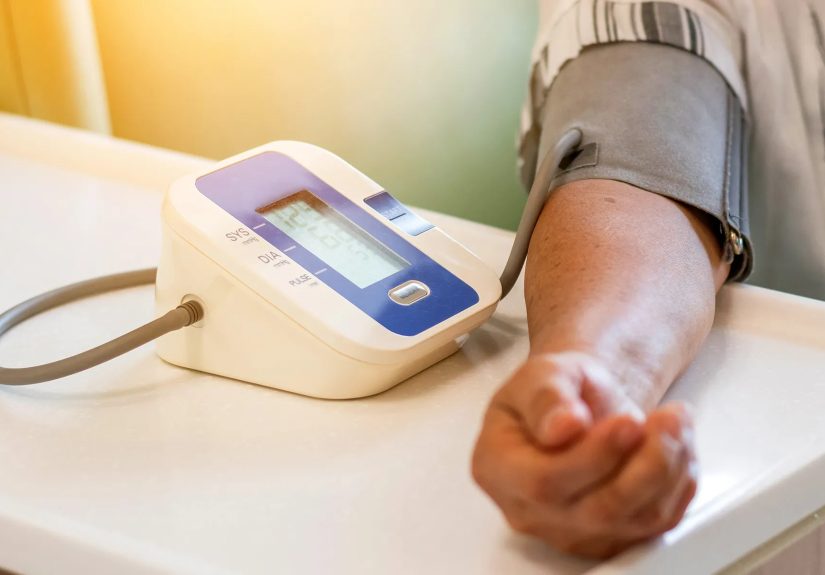
Home blood pressure monitoring can be especially useful during illness. Measure correctly: sit quietly, rest for a few minutes, keep your feet flat, and avoid caffeine, smoking, or exercise right before checking. A rushed blood pressure reading after climbing the stairs is more chaos than science.
5. Know when to seek urgent or emergency care
Call emergency services or get urgent medical help if you have:
- Trouble breathing
- Persistent chest pain or pressure
- New confusion
- Inability to wake or stay awake
- Pale, gray, or blue lips, nail beds, or skin depending on skin tone
- Very high blood pressure with concerning symptoms
These are not “let me finish my tea first” symptoms.
How To Keep Blood Pressure Under Control During COVID-19 Recovery
Even after the infection passes, your blood pressure may not behave perfectly. Stress, reduced activity, poor sleep, dehydration, and missed medication doses can all push numbers higher. Recovery is not always a straight line, and your blood pressure may decide to be extra opinionated for a while.
Helpful strategies include:
- Take your medications exactly as prescribed
- Monitor your blood pressure at home and keep a log
- Stay hydrated unless your doctor has told you to limit fluids
- Ease back into physical activity gradually
- Limit sodium and highly processed foods
- Prioritize sleep
- Follow up with your healthcare provider if readings stay elevated
Normal blood pressure is generally below 120/80 mm Hg. Stage 1 hypertension starts at 130/80, and stage 2 begins at 140/90. A reading above 180/120 may signal a hypertensive crisis, especially if symptoms are present. If your numbers remain high after COVID-19, do not assume they will magically drift down once life gets less annoying.
Can Coronavirus Cause High Blood Pressure?
Possibly, yes. Researchers are studying whether COVID-19 can contribute to new or worsened hypertension in some people. The reasons may include inflammation, changes in the vascular system, stress on the body, reduced activity, weight gain, sleep disruption, and long COVID effects. Pandemic-era lifestyle changes also played a role for many people, with blood pressure levels rising during the pandemic even outside of acute infection.
That means the relationship goes both ways. High blood pressure may complicate COVID-19 risk, and COVID-19 may worsen blood pressure control. It is less a straight line and more a very inconvenient loop.
Prevention Tips for Higher-Risk People
If you live with hypertension, prevention still matters because avoiding severe illness is easier than cleaning up after it.
- Stay up to date with recommended COVID-19 vaccination based on your age and risk profile
- Keep a current medication list
- Refill prescriptions before you run low
- Maintain regular primary care or cardiology follow-up
- Monitor your blood pressure at home if advised
- Test promptly if symptoms begin
- Ask early about antiviral treatment if you are at higher risk
Vaccination and early treatment are especially important for people whose hypertension comes with other cardiovascular or metabolic conditions.
Real-Life Experiences and Everyday Challenges Related to High Blood Pressure & Coronavirus
The scenarios below are illustrative examples based on common experiences people report and the kinds of situations clinicians frequently manage.
For many people, the experience of having high blood pressure during a COVID-19 infection is less about one dramatic moment and more about a steady buildup of concerns. A person may start with what seems like a routine sore throat or mild cough, only to spend the next few days watching every symptom more closely because they know they already have a cardiovascular risk factor. That mental load is real. Even a mild fever can feel bigger when you are also checking your blood pressure twice a day and wondering whether a slight headache is from congestion, anxiety, dehydration, or something more serious.
Some people describe the first challenge as uncertainty. They feel sick, but not sick enough to know whether they should simply rest at home or call their doctor. Someone with well-controlled hypertension may assume they are probably fine, then get rattled by a home blood pressure reading that is higher than usual. Illness, stress, poor sleep, extra sodium from comfort foods, and skipped walks can all push blood pressure upward. Suddenly, what began as “just COVID” starts to feel like a juggling act involving symptoms, numbers, medication schedules, and fear.
Another common experience is frustration with fatigue. People recovering from COVID-19 often expect to bounce back quickly, but recovery can be uneven. A person with high blood pressure may feel winded walking across the room, notice heart palpitations, or find their usual exercise routine temporarily impossible. This can be discouraging, especially when physical activity is one of the habits that usually helps keep blood pressure in check. It creates a strange loop: you want to move to support your heart health, but you also feel like your body replaced its batteries with damp paper towels.
Medication management can also become more complicated during illness. Some people lose appetite, sleep poorly, or develop nausea, which makes normal routines harder to follow. Others need to ask their doctor whether over-the-counter cold medicines are safe with hypertension, since some products can raise blood pressure. If antiviral treatment enters the picture, there may be another layer of pharmacy calls, interaction checks, and dose adjustments. None of this is impossible, but it does make clear instructions incredibly valuable.
Then there is the emotional side. People with high blood pressure often know they are in a higher-risk category, so every cough can spark a mental spiral. That stress alone can raise blood pressure further, which is both unfair and medically inconvenient. Many people find relief in practical steps: keeping a symptom diary, writing down blood pressure readings, setting phone alarms for medications, staying hydrated, and asking for help early instead of waiting until they feel awful. In real life, the people who tend to do best are not always the least worried. They are often the ones who respond early, stay organized, and treat both COVID-19 and blood pressure control like issues worth managing seriously.
Conclusion
High blood pressure does not guarantee severe coronavirus illness, but it does put you in a group that should take COVID-19 seriously. The biggest risks usually appear when hypertension overlaps with age, heart disease, kidney disease, diabetes, obesity, or poor blood pressure control. The key moves are simple: keep taking prescribed blood pressure medicine, test early if symptoms appear, ask quickly about antiviral treatment if you are higher risk, and seek emergency care for serious breathing trouble, chest pressure, confusion, or dangerously high blood pressure with symptoms.
The bottom line is not panic. It is preparation. High blood pressure and coronavirus are both easier to handle when you catch problems early, monitor carefully, and avoid freestyle decision-making with your medications. Your blood pressure cuff may not be glamorous, but it deserves a promotion.