Table of Contents >> Show >> Hide
- What Makes Central Sleep Apnea Different?
- Why Treatment Must Start With the Cause
- Positive Airway Pressure Therapy for Central Sleep Apnea
- Oxygen Therapy for Central Sleep Apnea
- Medication Options: Where Acetazolamide Fits
- Phrenic Nerve Stimulation: A Non-Mask Option
- Treating Related Conditions and Risk Factors
- How Doctors Choose the Right Treatment
- Common Challenges With PAP Therapy
- Follow-Up: The Part People Forget
- Practical Experiences With Central Sleep Apnea Treatment
- Conclusion
Central sleep apnea sounds like something your body should have handled without a meeting, a memo, or a machine. After all, breathing is usually the one job we expect the brain to keep running while we sleep. But with central sleep apnea, often shortened to CSA, the problem is not a blocked throat. The issue is that the brain and breathing muscles temporarily stop coordinating. Airflow slows or pauses, oxygen may dip, sleep gets chopped into tiny pieces, and the next day can feel like you tried to recharge your phone by plugging it into a potato.
The good news is that central sleep apnea treatments have come a long way. Today, care may include positive airway pressure machines, oxygen therapy, medication, treatment of heart failure or opioid-related breathing changes, and in selected cases, an implanted phrenic nerve stimulation device. The best treatment depends on why CSA is happening, how severe it is, what other conditions are present, and how well a person tolerates therapy.
This guide explains the major treatment options in plain American English, with practical examples and real-world tips for living with therapy. It is educational, not a substitute for medical care. Central sleep apnea deserves a sleep specialist, not a guess-and-go approach.
What Makes Central Sleep Apnea Different?
Sleep apnea is not one single condition. Obstructive sleep apnea happens when the upper airway repeatedly collapses or becomes blocked during sleep. Central sleep apnea is different: the airway may be open, but the brain briefly fails to send the right breathing signal. In simple terms, obstructive sleep apnea is more like a traffic jam in the throat; central sleep apnea is more like the traffic light going dark.
Central sleep apnea can appear in several situations. It may occur with heart failure, stroke, kidney disease, high-altitude exposure, opioid use, or certain neurological conditions. Some people develop treatment-emergent central sleep apnea when they start CPAP for obstructive sleep apnea. In other cases, doctors cannot find a clear cause, which is called primary or idiopathic central sleep apnea.
Why Treatment Must Start With the Cause
The first step in central sleep apnea treatment is not automatically choosing a machine. It is figuring out what is driving the unstable breathing. That usually means a detailed medical history, medication review, sleep study, and sometimes heart testing. A person with central sleep apnea related to heart failure may need a different plan than someone whose CSA appears after opioid therapy or a trip to high altitude.
For example, if heart failure is involved, optimizing heart failure treatment may reduce breathing instability. If opioids or sedatives are contributing, a clinician may review whether the dose can be lowered or whether safer alternatives exist. If the problem appears at altitude, descending, acclimatizing, or using oxygen may help. When the trigger is addressed, CSA sometimes improves without needing the most advanced device in the showroom.
Positive Airway Pressure Therapy for Central Sleep Apnea
Positive airway pressure, or PAP therapy, is one of the most common treatment categories for sleep apnea. PAP machines deliver pressurized air through a mask while a person sleeps. The goal is to stabilize breathing, reduce apnea events, improve oxygen levels, and help sleep become more restorative.
CPAP Machines
Continuous positive airway pressure, or CPAP, delivers one steady level of pressure. CPAP is best known for treating obstructive sleep apnea, but it can also help some people with central sleep apnea, especially when CSA overlaps with obstructive events or appears during treatment for obstructive sleep apnea.
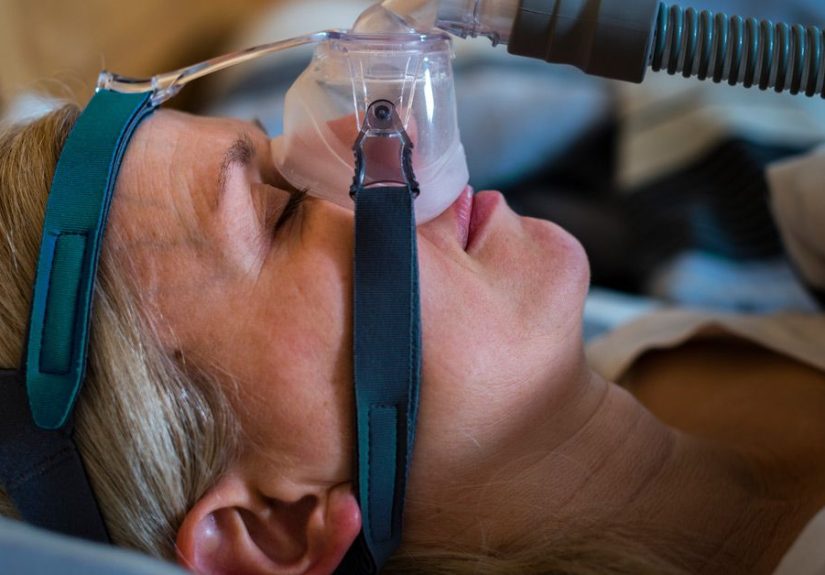
A CPAP setup usually includes a small bedside machine, tubing, a mask, filters, and often a heated humidifier. The mask may cover the nose, the mouth and nose, or sit under the nostrils. For some users, the first night feels like sleeping with a polite leaf blower attached to the face. That awkward stage is common. Mask refitting, humidification, pressure adjustments, and gradual practice can make a huge difference.
CPAP may not fully control central events in every person. If breathing pauses continue despite good mask fit and consistent use, the sleep specialist may consider another PAP mode, oxygen, medication, or a different therapy.
BiPAP With a Backup Rate
Bilevel positive airway pressure, often called BiPAP or BPAP, delivers one pressure for inhaling and a lower pressure for exhaling. For central sleep apnea, the important detail is whether the device has a backup rate. A backup rate means the machine can help trigger breaths if the person’s breathing becomes too slow or pauses.
BiPAP with a backup rate may be used for certain types of CSA, including CSA related to medical conditions or medication use. BiPAP without a backup rate is generally not the preferred choice for central sleep apnea because it may not reliably correct pauses caused by absent breathing effort. In some cases, it can even worsen breathing instability. This is why device selection should be handled by a trained sleep medicine clinician.
Adaptive Servo-Ventilation
Adaptive servo-ventilation, or ASV, is a more advanced PAP therapy. ASV monitors breathing and adjusts pressure support from breath to breath. If breathing becomes shallow, it increases support. If breathing stabilizes, it backs off. If a pause occurs, many ASV devices can help deliver a breath. Think of it as a very attentive dance partner: it follows your breathing rhythm and steps in when the rhythm gets wobbly.
ASV can be effective for certain patients with central sleep apnea, including treatment-emergent CSA and some forms related to medical conditions. However, it is not appropriate for everyone. People with heart failure with reduced ejection fraction need special caution, because earlier research raised safety concerns in a specific group of patients with symptomatic heart failure and reduced pumping function. Before starting ASV, patients should usually have cardiac evaluation and a careful discussion of benefits, risks, and alternatives.
Oxygen Therapy for Central Sleep Apnea
Low-flow oxygen therapy may be prescribed for some people with central sleep apnea, particularly when CSA is related to heart failure or high altitude. Oxygen does not force breathing the way a ventilatory device can, but it may reduce oxygen drops and help stabilize the body’s breathing control system.
Oxygen therapy is usually delivered through nasal cannula tubing connected to an oxygen concentrator, oxygen tank, or another prescribed oxygen source. The flow rate must be set by a clinician. More oxygen is not automatically better, and oxygen is not a do-it-yourself treatment. It requires safety precautions, especially avoiding smoking, open flames, and improper storage.
For high-altitude central sleep apnea, oxygen may help during sleep, but the bigger solution may involve acclimatization or moving to a lower altitude. For heart failure-related CSA, oxygen may be one part of a broader plan that includes cardiac care, medication optimization, and follow-up sleep testing.
Medication Options: Where Acetazolamide Fits
Medication is not usually the first thing people picture when they hear “sleep apnea treatment,” but certain drugs may help selected cases of central sleep apnea. One of the best-known options is acetazolamide. It changes the body’s acid-base balance in a way that can stimulate breathing and reduce central apnea events in some people.
Acetazolamide may be considered for CSA related to high altitude and, in selected cases, other CSA causes. It is not a casual sleep aid, and it is not right for everyone. Possible side effects include tingling in the fingers or toes, frequent urination, altered taste, dizziness, and changes in electrolytes. People with kidney disease, liver disease, sulfa allergy concerns, pregnancy, or complex medication lists need careful medical guidance.
Other medications have been studied in central sleep apnea, but drug therapy remains highly individualized. Patients should never start, stop, or combine medications for CSA without a clinician’s supervision.
Phrenic Nerve Stimulation: A Non-Mask Option
For adults with moderate to severe central sleep apnea who are not good candidates for standard therapies or who do not respond well to them, transvenous phrenic nerve stimulation may be an option. The phrenic nerve controls the diaphragm, the main muscle used for breathing. An implanted device stimulates this nerve during sleep to help stabilize breathing.
The best-known system is implanted under the skin in the upper chest, somewhat like a cardiac device. Leads are placed through veins near the phrenic nerve. After healing and programming, the device turns on automatically during sleep and helps regulate breathing patterns.
This treatment is not as simple as picking up a new mask from a medical equipment company. It involves an invasive procedure, specialist evaluation, cost considerations, and ongoing device follow-up. But for selected patients, especially those with persistent moderate to severe CSA, it can provide another path when mask-based therapy is difficult or ineffective.
Treating Related Conditions and Risk Factors
Central sleep apnea often travels with other medical baggage. Treating the baggage matters. If heart failure is present, guideline-based heart failure care may improve breathing patterns and overall health. If atrial fibrillation, stroke history, kidney disease, or neurological disorders are involved, coordinated care among specialists may be needed.
Medication review is especially important. Opioids can reduce respiratory drive during sleep and may contribute to central apneas. Alcohol and sedatives can also worsen breathing stability in some people. This does not mean every patient can simply stop a medication. Pain, anxiety, insomnia, and other conditions are real. But it does mean the prescribing clinician and sleep specialist should talk, not operate like two ships passing in the pharmacy aisle.
How Doctors Choose the Right Treatment
Choosing a central sleep apnea treatment is a process, not a coin toss. Clinicians look at the central apnea index, oxygen levels, sleep architecture, symptoms, medical history, cardiac function, medications, and whether obstructive events are also present. They also consider what the patient can realistically use night after night.
A treatment that looks perfect on paper but sits unused on the nightstand is not a treatment; it is expensive bedroom decor. Mask comfort, noise, travel needs, insurance coverage, dry mouth, nasal congestion, and anxiety all matter. A good sleep team will troubleshoot these barriers instead of simply saying, “Try harder.”
Common Challenges With PAP Therapy
PAP therapy can be life-changing, but the adjustment period can be bumpy. Common issues include dry nose, dry mouth, mask leaks, skin irritation, claustrophobia, aerophagia, and pressure discomfort. Many of these problems have practical fixes.
Mask Leaks
Mask leaks can make therapy noisy and less effective. They may also dry the eyes, which is a rude thing for a medical device to do while pretending to help. A different mask size, cushion style, or headgear adjustment often solves the problem.
Dryness and Congestion
Heated humidification, heated tubing, saline sprays, and treating allergies can improve comfort. If nasal congestion is severe, a nasal mask may feel impossible until the underlying congestion is managed.
Pressure Discomfort
Ramp features, expiratory pressure relief, or a different PAP mode may help. Patients should not change pressure settings randomly unless their clinician has instructed them to do so.
Follow-Up: The Part People Forget
Central sleep apnea treatment does not end when the machine arrives. Follow-up is essential. Device data can show usage hours, residual apnea events, leak rates, and breathing patterns. A repeat sleep study may be needed to confirm that therapy is actually working.
Patients should report persistent daytime sleepiness, morning headaches, shortness of breath, chest discomfort, worsening heart symptoms, or continued witnessed breathing pauses. These signs may mean the treatment needs adjustment or that another condition is contributing.
Practical Experiences With Central Sleep Apnea Treatment
Living with central sleep apnea treatment is often less dramatic than people fear, but it does require patience. Many patients start with one emotional reaction: “I have to sleep with what?” A PAP machine can feel strange at first. The mask may seem bulky, the tubing may wander around the bed like a confused garden hose, and the air pressure may feel unnatural. The first few nights are often about learning, not perfection.
One common experience is discovering that small comfort changes matter more than expected. A patient may think they “failed CPAP,” when the real problem was a mask that pinched the bridge of the nose or leaked every time they rolled over. Switching to a nasal pillow mask, adding humidification, or adjusting the strap tension can turn a miserable setup into something tolerable. The goal is not to win a toughness contest. The goal is to sleep and breathe better.
Another real-world lesson is that partners often notice improvement first. The person with CSA may still feel tired while adjusting to therapy, but a bed partner may report fewer awakenings, quieter nights, or less frightening breathing pauses. Sometimes the first sign of progress is not waking up feeling like a superhero. It is simply waking up with fewer headaches, needing less caffeine, or staying awake during an afternoon meeting without performing the ancient office ritual of “strategic blinking.”
Oxygen therapy has its own adjustment curve. Nasal cannula tubing is lighter than a PAP mask, but it can still be annoying. Tubing can tangle, the nose can get dry, and the oxygen equipment needs space and safety awareness. People using oxygen often learn to create a simple bedtime routine: check the flow setting, position the tubing, keep the cannula clean, and make sure the equipment is away from heat or flame. Boring? Yes. Important? Also yes.
People who use ASV or BiPAP with a backup rate may notice that the machine feels more responsive than standard CPAP. Some describe it as reassuring; others need time to stop noticing every pressure change. The key is communication with the sleep clinic. If the device feels like it is “fighting” the user, settings may need review. Therapy should support breathing, not turn bedtime into a wrestling match.
For patients who receive phrenic nerve stimulation, the experience is different because there is no nightly mask. However, there is a procedure, healing time, programming visits, and device checks. Some people appreciate the freedom from mask equipment, while others need reassurance during the adjustment phase as stimulation settings are refined. It is not instant magic, but for carefully selected patients, it can become a steady background therapy that works while they sleep.
The most successful patients usually share one habit: they report problems early. They do not wait six months while secretly hating the mask, ignoring dryness, or sleeping three hours a night. Central sleep apnea treatment is a team sport. The patient brings honesty, the clinician brings expertise, and the equipment brings the weird little fan noises.
Conclusion
Central sleep apnea treatments are not one-size-fits-all. PAP machines, oxygen therapy, acetazolamide, phrenic nerve stimulation, and treatment of underlying conditions all have a role, but the right choice depends on the cause and the patient’s overall health. CPAP may help some people. BiPAP with a backup rate or ASV may be better for others. Oxygen can be useful in specific situations such as heart failure-related or high-altitude CSA. Phrenic nerve stimulation may help selected adults with moderate to severe central sleep apnea when other options are not enough.
The main takeaway is simple: central sleep apnea is treatable, but it needs careful evaluation. If breathing pauses, daytime sleepiness, morning headaches, or disrupted sleep continue, a sleep medicine specialist can help identify the safest and most effective path forward. Better sleep may not arrive overnight, but with the right plan, it does not have to stay missing forever.
Note: This article is for general educational publishing purposes only and should not replace diagnosis, treatment, or follow-up from a licensed healthcare professional.