Table of Contents >> Show >> Hide
- What Is a Ground Chicken Pizza Crust (and Why Does It Work)?
- Ingredients for a Crispy, High-Protein Chicken Crust
- High-Protein Ground Chicken Pizza Crust Recipe (Step-by-Step)
- How to Keep Chicken Pizza Crust from Getting Soggy
- Best Toppings for a High-Protein Pizza Goal
- Protein and Nutrition: What to Expect
- Food Safety: Because “High-Protein” Shouldn’t Mean “High-Risk”
- Variations That Keep the Crust Strong
- Troubleshooting: Fixes for Common Chicken Crust Problems
- FAQ
- Real-World Experiences: What Making Chicken Crust Pizza Is Actually Like (500+ Words)
- Conclusion
Pizza night is fun until the crust shows up with the structural integrity of wet cardboard and the protein content of a motivational poster.
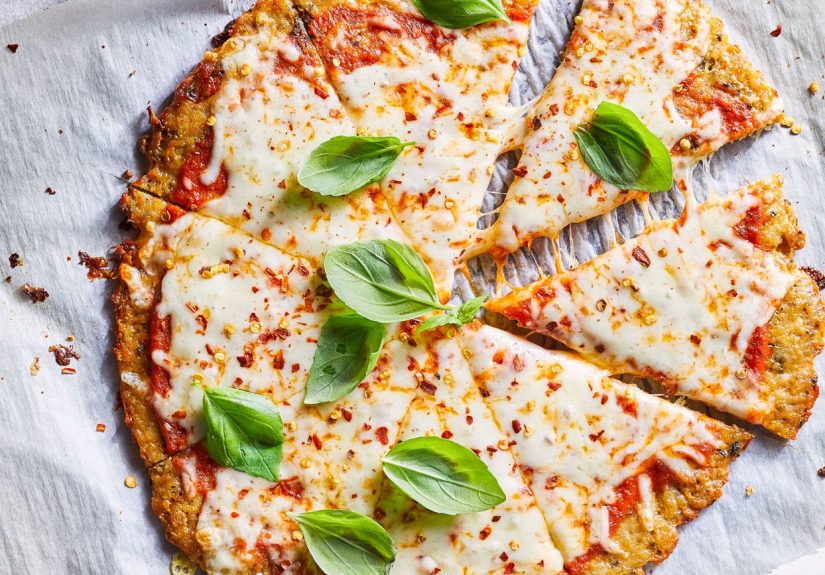
Enter: high-protein ground chicken pizza crusta fork-and-knife-friendly, surprisingly sturdy base that’s naturally
low-carb, gluten-free, and built for anyone who wants pizza that actually helps with their “I’m trying” era.
The idea is simple: seasoned ground chicken + a couple smart binders = a crust that bakes up firm enough to hold sauce and toppings, while keeping
protein front and center. The execution, however, has a few “don’t skip this” details (mostly about moisture). Let’s make a crust that slices like a champ,
not one that flops like a sad pancake.
What Is a Ground Chicken Pizza Crust (and Why Does It Work)?
A ground chicken pizza crust swaps traditional dough (flour, water, yeast) for a mixture of ground chicken, egg, and cheese (often Parmesan).
When baked, the proteins coagulate and set, while the cheese helps bind and adds savory structure. You’re basically making a thin, seasoned chicken “flatbread”
that can handle toppings after a pre-bake.
The key difference from bread dough: chicken is wet. Ground poultry naturally contains lots of water, and water is the sworn enemy of crisp crusts.
So the recipe strategy is all about shaping thin, baking hot, and letting steam escape.
Ingredients for a Crispy, High-Protein Chicken Crust
You don’t need a chemistry degreejust a bowl, a sheet pan, and the willingness to pat raw chicken with the seriousness of a spa facial.
Here’s what makes the crust behave:
Core Ingredients
- Ground chicken (1 lb): Use fresh or fully thawed. Lean is fine, but super-lean can dry fasteryour bake time matters.
- Egg (1 large): The binder that helps the crust hold together instead of crumbling into “pizza gravel.”
- Finely grated Parmesan (1/2 cup): Adds salty flavor and structure; finely grated melts and binds better than chunky shreds.
- Seasoning: Garlic powder, Italian seasoning/oregano, salt, pepper. (Chicken loves bold flavors. Give it a personality.)
Optional Upgrades (Worth It)
- Shredded mozzarella (1/2 cup): Adds chew and richness; can make the crust more flexible.
- Red pepper flakes: For “why is this pizza flirting with me?” heat.
- Onion powder or smoked paprika: Adds depth without adding moisture.
Ingredients to Use Carefully
- Wet add-ins (fresh salsa, watery veggies, lots of fresh mozzarella): Save them for after the crust is fully set.
- Too much sauce: Great for pasta. Risky for chicken crust. Keep it light.
High-Protein Ground Chicken Pizza Crust Recipe (Step-by-Step)
Step 1: Preheat Like You Mean It
Preheat your oven to 425°F. Line a rimmed baking sheet or pizza pan with parchment paper. (Chicken crust + bare pan = heartbreak.)
Step 2: Mix the Crust
In a large bowl, combine:
- 1 lb ground chicken
- 1 large egg
- 1/2 cup finely grated Parmesan
- 1 tsp Italian seasoning (or oregano)
- 1/2 tsp garlic powder
- 1/2 tsp salt (adjust if your Parmesan is salty)
- Black pepper to taste
Mix until cohesive. You’re not kneading dough; you’re just evenly distributing binders and seasoning.
Step 3: Shape It Thin (This Is the Crunch Lever)
Place the mixture on the parchment. Cover with another sheet of parchment (or plastic wrap) and press/roll into a round or rectangle,
about 1/4 inch thick. Thicker crust = softer center and a higher chance of “chicken lasagna base.”
Step 4: Pre-Bake to Set the Structure
Bake for 18–22 minutes, or until the crust looks dry on top, feels firm at the edges, and has golden spots.
If you see liquid pooling, that’s normal moisture releasedon’t panic. You’re winning.
Step 5: Drain and (Optional) Flip for Extra Crisp
Remove the pan. If there’s liquid around the crust, carefully blot it with paper towels (don’t wipe; blot).
For maximum crispness, place a second parchment-lined sheet pan on top, flip the crust, peel off the parchment,
and bake 5–8 minutes more. This extra bake dries the underside and helps the crust hold toppings better.
Step 6: Top and Finish Bake
Add a thin layer of sauce, a moderate sprinkle of cheese, and your toppings. Return to the oven for 8–12 minutes,
until the cheese is melted and bubbly. If you want browning, finish with 1–2 minutes under the broilerwatch closely.
Broilers turn “golden” into “archaeological evidence” very quickly.
How to Keep Chicken Pizza Crust from Getting Soggy
The #1 complaint with chicken crust is softness. The fix is mostly technique, not magic.
Moisture Management (Your New Side Hustle)
- Pre-bake before topping: This is non-negotiable for structure.
- Go thin: A 1/4-inch crust dries and firms faster than a thick layer.
- Blot released juices: After the first bake, remove excess liquid before topping.
- Use low-moisture toppings: Pre-cook mushrooms, blot mozzarella, go easy on sauce.
Heat Tricks for Better Texture
- Higher heat (like 425°F) helps drive off moisture and set the crust.
- Flip and bake for a drier underside if you want more “slice” and less “spoon.”
- Broil briefly at the end for browning and a more pizza-shop vibe.
Best Toppings for a High-Protein Pizza Goal
You can top this crust like a normal pizza, but “normal” is a spectrum. Here are combos that stay crisp and feel satisfying.
Classic High-Protein
- Marinara + part-skim mozzarella + turkey pepperoni
- BBQ sauce (light) + red onion + cooked chicken pieces
- Pesto (thin layer) + mozzarella + roasted peppers
Veggie-Forward (Without the Swamp Effect)
- Pre-cooked mushrooms (they release water; cook first)
- Roasted zucchini (roasting dries it out)
- Spinach (wilt and squeeze dry, or use lightly)
“This Is a Salad, But Make It Pizza”
- Bake pizza with cheese and light sauce, then add arugula, tomatoes, and a squeeze of lemon after.
- Finish with a drizzle of hot honey or balsamic glaze (small amounts go a long way).
Protein and Nutrition: What to Expect
A ground chicken crust is naturally high in protein, but exact macros depend on your chicken’s fat percentage and how much cheese you mix in.
As a practical rule: one pound of ground chicken plus Parmesan and egg typically yields a crust that can land in the
high double-digits of grams of protein for the whole crust. Slice it into 4 portions and you’re looking at a
protein-forward base before you even add toppings.
If you track macros, treat this like a recipe you can log: check your package label for ground chicken nutrition,
weigh your cheese, and you’ll get a reliable number. (And yes, it’s still pizza. Your tracker can cope.)
Food Safety: Because “High-Protein” Shouldn’t Mean “High-Risk”
Ground poultry should be cooked to a safe internal temperature of 165°F. Use a food thermometer and check the thickest area.
Ground meat doesn’t have the same “surface only” bacteria situation as whole cutsmixing distributes any contamination throughout.
- Skip washing raw chicken: Rinsing can spread bacteria around your sink and counters.
- Prevent cross-contamination: Wash hands after handling raw poultry; keep raw juices away from ready-to-eat foods.
- Storage: Refrigerate leftovers promptly; store slices in an airtight container.
One more health note: if you’ve been advised to limit protein due to kidney disease or other medical reasons,
check with a clinician or dietitian before making high-protein swaps your personality.
Variations That Keep the Crust Strong
Buffalo Chicken Crust Pizza
Season the crust with garlic powder + a pinch of cayenne. Top with a light layer of buffalo sauce, mozzarella, and cooked chicken chunks.
Finish with scallions after baking.
Mediterranean-Style
Add oregano and a little lemon zest to the crust mix. Top with a thin layer of sauce, mozzarella, olives, roasted red peppers,
and feta (use lightlysalty!). Add cucumbers or arugula after baking if you want freshness.
Dairy-Light Option
Keep Parmesan (it’s doing structural work), but reduce extra cheese on top and rely on roasted veggies and lean proteins for volume.
If you avoid dairy entirely, this specific crust style is tougher because cheese is a major binderconsider testing small batches first.
Troubleshooting: Fixes for Common Chicken Crust Problems
“My crust is soggy in the middle.”
- Press thinner (aim for 1/4 inch).
- Pre-bake longer until visibly dry and firm.
- Blot juices after the first bake; use less sauce and watery toppings.
- Try the flip-and-bake step.
“It stuck to the parchment / tore when I lifted it.”
- Use fresh parchment and a rimmed pan.
- Let it cool 3–5 minutes after pre-bake so proteins set before moving it.
- Flip with a second pan rather than trying to peel it up like dough.
“It cracked when I sliced it.”
- That usually means it got a bit dryreduce bake time slightly next round.
- Add a touch more cheese for flexibility.
- Let it rest a few minutes before cutting; slice with a sharp wheel or chef’s knife.
FAQ
Can I use ground turkey instead of ground chicken?
Yesground turkey behaves similarly. Watch moisture and cook to the same food-safe internal temperature for ground poultry.
Is chicken crust pizza keto or low-carb?
The crust itself is typically very low in carbs because it’s mostly chicken, egg, and cheese. Carbs will come from sauce and toppings.
Choose a lower-sugar sauce if you want to keep carbs minimal.
Can I meal prep this crust?
Absolutely. Pre-bake the crust, cool it, then refrigerate. Reheat on a hot sheet pan and add toppings right before serving.
It’s one of the easiest ways to make weeknight pizza feel effortless.
Real-World Experiences: What Making Chicken Crust Pizza Is Actually Like (500+ Words)
If you’ve never made a high-protein ground chicken pizza crust before, your first run might feel a little like learning to ride a bike:
exciting, slightly wobbly, and full of opinions from anyone watching. That’s normal. Most home cooks find there’s a tiny learning curve,
mainly because chicken behaves nothing like flour doughand your brain will try to treat it like dough anyway.
The most common “aha” moment is realizing that thin is your friend. People often start with a thick crust because it feels safer,
like more material should equal more stability. But chicken crust stability comes from setting and drying, not from thickness.
Once you’ve made it thin (and given it a full pre-bake), the whole experience changes: you can pick up a slice, the edges brown,
and suddenly it feels like pizza night again instead of an experimental casserole.
Another real-life moment: the juice puddle. You pull the crust after the first bake and see liquid around it.
Some people assume something went wronglike the crust is “leaking.” But that’s moisture leaving the meat, and it’s actually part of the process.
The cooks who end up loving this recipe are the ones who treat that puddle like a clue, not a catastrophe: blot it, flip if you want extra crisp,
and move on like a confident sitcom chef.
In meal-prep households, chicken crust becomes a quiet hero. The experience usually goes like this:
someone pre-bakes two crusts on Sunday, cools them, and stacks them in the fridge with parchment between.
Then, on a chaotic Tuesday, dinner becomes “assemble and bake” instead of “start from scratch.”
It’s especially popular with people who lift, run, or just want a satisfying dinner that doesn’t turn into
a second dinner 90 minutes later. Many also notice it’s easier to hit protein targets when the base of the meal is already protein-forward.
Families with picky eaters tend to have a funny pattern: kids are suspicious of the words “chicken crust,” but they’re loyal to pizza.
So the first win is making it look familiarclassic sauce, cheese, and a topping they already trust.
Once the kid takes a bite and realizes it tastes like a savory, cheesy crust (not “plain chicken”),
the negotiations get easier. Some parents even cut it into smaller squares for a “pizza bites” vibe,
which helps if someone is still in their “food must be handheld at all times” phase.
For anyone who hosts friends, chicken crust pizza has “party trick” energy. People ask questions.
Someone inevitably says, “Wait… the crust is chicken?” Then they try it, pause dramatically, and go,
“Okay, that’s actually good.” The experience is especially fun when you do a toppings bar:
one crust becomes classic pepperoni, another becomes buffalo, and someone makes a spicy jalapeño version
that becomes the unofficial favorite. The biggest hosting tip: pre-bake your crusts before guests arrive
so you’re not juggling raw chicken while making conversation. Your social life deserves better.
The bottom line: once you’ve made this a couple times, the process becomes almost automatic.
You’ll know your preferred thickness, your favorite topping-to-sauce ratio, and exactly how long your oven needs.
And you’ll have a new category of pizza nightone that feels indulgent, but still fits the goals you set on the days
you were feeling extremely responsible.
Conclusion
A high-protein ground chicken pizza crust isn’t just a “diet swap”it’s a legit, tasty way to make pizza night more filling and macro-friendly.
The winning formula is simple: bind it well, press it thin, pre-bake until firm, then top lightly and finish hot.
Do that, and you’ll get a crust that holds together, tastes savory, and makes leftovers something you actually look forward to.