Table of Contents >> Show >> Hide
- What is a stye, exactly?
- How long does a stye last?
- What affects how long a stye lasts?
- Treatment that actually helps (and what to skip)
- When you might need medical treatment
- When to see a doctor urgently
- How to prevent styes (because once is enough)
- Quick FAQ
- Conclusion
- Experiences people commonly report (about )
- SEO tags (JSON)
A stye is basically your eyelid’s way of saying, “Surprise! I’m hosting a tiny, angry bump today.”
It’s common, usually harmless, and almost always annoying at the exact moment you want to look awake and trustworthy.
The good news: most styes have a predictable timeline, and the best treatments are refreshingly low-tech.
The even better news: you don’t need to “pop” anything (please don’t), you don’t need a kitchen spice challenge,
and you don’t need to panicmost styes resolve on their own with simple care.
In this guide, we’ll break down how long a stye typically lasts, what affects the timeline, what treatments actually help,
and when it’s time to call a clinician or eye doctor. We’ll also cover “stye look-alikes” (hello, chalazion) and how to reduce
your chances of getting a repeat performance.
What is a stye, exactly?
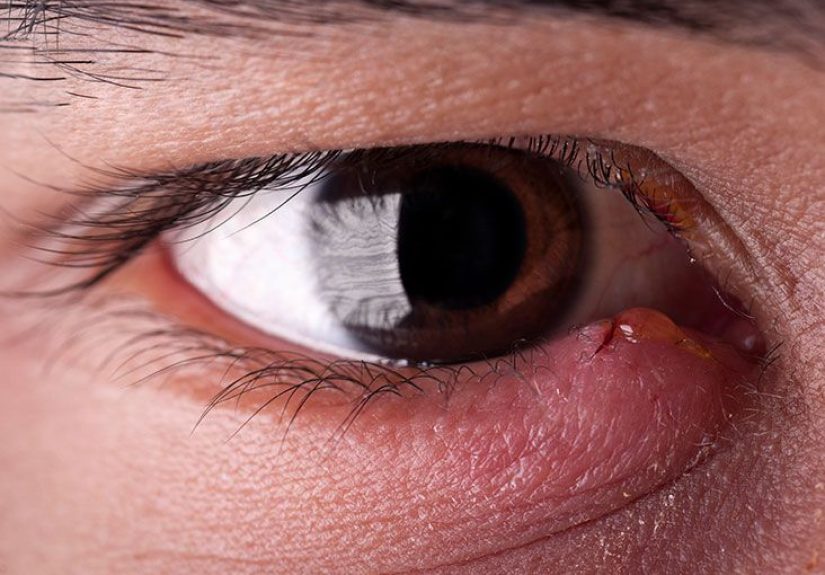
A stye (also called a hordeolum) is a tender, red bump that forms on or near the eyelid.
It happens when an oil gland or eyelash follicle gets blocked and then inflamedoften due to bacteria that normally live on skin.
Think of it like a clogged, irritated pore, except it chose the most dramatic possible location: your eyelid.
External vs. internal stye
-
External stye: Usually forms near the eyelash line. It tends to look like a small pimple on the lid edge and
can feel sore or gritty. -
Internal stye: Forms deeper inside the eyelid, involving oil glands that help keep tears from evaporating too fast.
These can cause more lid swelling and tenderness.
Stye vs. chalazion: why the difference matters
People call any eyelid bump a “stye,” but not every bump is one. A chalazion is a blocked oil gland that becomes a firm lump,
often less painful and more slow-moving than a stye. Chalazia can hang around longersometimes weekswhile typical styes
tend to peak and improve faster.
How long does a stye last?
For most people, a stye lasts about 7 to 14 days. Many resolve closer to a week, especially with warm compresses
and good eyelid hygiene. A stubborn stye can take longer, and bumps that persist beyond a couple of weeks may actually be a chalazion
or another eyelid condition worth getting checked.
A realistic timeline (what “normal” can look like)
Styes don’t all read the same instruction manual, but many follow a familiar pattern:
- Days 1–2: Mild soreness, tenderness, itching, or a “something’s in my eye” feeling. A small red bump may start to appear.
- Days 3–4: The bump often looks bigger and feels more irritated. Swelling may spread slightly on the eyelid.
- Days 4–7: With warm compresses, it may “come to a head” and drain on its own (sometimes you’ll just notice it gets less tender).
- Week 2: The redness and swelling fade. A tiny leftover lump can linger briefly even after pain is gone.
How long is too long?
Consider a medical check-in if:
- The bump isn’t improving after 48 hours of home care.
- It’s still clearly there after 1–2 weeks, especially if it’s turning into a firm, painless lump.
- You’re getting frequent repeats, especially in the same spot.
What affects how long a stye lasts?
Stye duration isn’t just luck. A few factors can speed things upor drag them out like a bad sequel.
1) Type and location
Internal styes may cause more lid swelling and can sometimes be slower to settle than small external ones.
Deeper gland involvement can mean it takes longer for inflammation to calm down.
2) Early home care (the sooner, the better)
Warm compresses started early can help the gland open and drain more smoothly. Waiting it out can still work,
but warmth tends to shorten the “peak drama” phase.
3) Eyelid conditions and skin issues
Chronic eyelid inflammation (like blepharitis) and skin conditions (such as rosacea, dandruff-related dermatitis, or acne-prone skin)
can increase recurrence and slow recovery. These conditions can contribute to clogged glands and ongoing irritation.
4) Habits that re-introduce bacteria
Touching or rubbing your eyes, wearing contacts during an active stye, using old eye makeup, or not fully removing makeup can keep bacteria
and debris in the areamaking healing slower and repeat styes more likely.
5) Your overall health
People with diabetes or conditions that affect immune function may be more prone to infections and may need earlier medical guidance if a stye is worsening.
Treatment that actually helps (and what to skip)
Warm compresses: the gold-standard home treatment
Warm compresses are the MVP. They help soften the blocked material in the gland and encourage natural drainage.
Aim for a warm (not hot), clean, damp cloth held on the closed eyelid for about 10–15 minutes,
3–4 times a day. If you’ve ever heard, “Just do warm compresses,” this is what your clinician meansand yes, it’s annoyingly effective.
Pro tip: Re-warm the cloth as it cools so it stays comfortably warm the whole time. And use a clean cloth each session.
Heat should never burnif it’s too hot for your wrist, it’s too hot for your eyelid.
Gentle eyelid hygiene
Keeping the lid margin clean can help your stye heal and may reduce the chance of another one. Options include:
- Gently cleansing the eyelid with diluted baby shampoo or a fragrance-free gentle cleanser (no scrubbing, no “exfoliating,” please).
- Commercial eyelid cleansing pads if your eyes tend to be sensitive.
- Handwashing before and after touching the eye area.
Hands off: don’t squeeze, pop, or “help it along”
It’s tempting. We get it. But squeezing a stye can worsen inflammation, push bacteria deeper, and increase the risk of spreading infection.
Let it drain naturallyyour eyelid is not a pimple-popping playground.
Pause contacts and eye makeup
Skip contact lenses and eye makeup until the stye has healed. Contacts can irritate the swollen lid and potentially transfer bacteria.
Eye makeup can trap debris near the lash line and may contaminate products (especially mascara and eyeliner).
If you used eye makeup while the stye was active, consider replacing those products afterward. It’s not being dramaticit’s being strategic.
Over-the-counter pain relief (if you can take it)
If the stye is painful, an OTC pain reliever (like acetaminophen or ibuprofen) may help. Follow label instructions and check with a clinician
if you’re pregnant, have medical conditions, or take other medications.
What NOT to put on a stye
Avoid home “hacks” that involve irritating substances near the eyelike spicy peppers, vinegar, garlic, or essential oils.
If it sounds like a dare, it probably shouldn’t go near your cornea.
When you might need medical treatment
Most styes improve with home care, but sometimes they need backupespecially if they’re persistent, severe, or spreading.
A clinician or eye doctor may recommend:
Topical antibiotic ointment
If there’s concern for bacterial involvement along the lid margin, an antibiotic ointment may be prescribed.
This is not always necessary for uncomplicated styes, but it can be useful in certain cases or if there’s associated eyelid inflammation.
Oral antibiotics (less common)
Oral antibiotics may be considered if the infection appears to be spreading beyond a localized bumpsuch as more diffuse eyelid redness, significant swelling,
or concern for preseptal cellulitis. This is a “call your clinician” situation, not a “wait and see for two weeks” situation.
Drainage by a professional
A stye that won’t resolve may sometimes be drained by a trained professional using sterile technique.
This is quick, controlled, and significantly safer than DIY attempts at home.
When to see a doctor urgently
Seek prompt medical care if you notice any of the following:
- Vision changes (blurriness that doesn’t improve with blinking, new trouble seeing, or light sensitivity that feels intense).
- Rapidly worsening swelling, especially if the entire eyelid is swollen shut.
- Redness spreading into the cheek or surrounding face.
- Fever or feeling generally unwell.
- Severe eye pain (more than “tender bump” pain).
- Recurrent styes or repeated bumps in the same spot.
How to prevent styes (because once is enough)
Prevention is mostly about reducing eyelid buildup and avoiding bacterial transfer. Helpful habits include:
- Wash your hands before touching your eyes or handling contact lenses.
- Remove eye makeup thoroughly before bed; avoid sleeping in mascara or eyeliner.
- Replace old eye makeup regularly and don’t share it.
- Keep contact lens hygiene strict (clean hands, correct storage, and replace lenses/cases as directed).
- Consider routine eyelid cleansing if you’re prone to blepharitis or recurrent styes.
- Manage underlying conditions like rosacea or chronic eyelid inflammation with clinician guidance.
Quick FAQ
Can a stye go away overnight?
Usually, no. You might feel better after a good warm compress session, but most styes need several days to calm down.
Be suspicious of “overnight cures,” especially the spicy ones.
Is a stye contagious?
The stye itself isn’t typically considered contagious in the way a cold is, but bacteria can transfer via hands, towels, makeup, and pillowcases.
Good hygiene helps protect you and everyone who shares your bathroom.
Why does my stye keep coming back?
Recurrence is common, especially if you have blepharitis, oily skin, rosacea, frequent eye rubbing, contact lens issues,
or makeup that isn’t fully removed. Recurrent styes are a great reason to ask an eye care professional about prevention strategies.
What if the bump isn’t painful anymore, but it’s still there?
That can happen when a stye transitions into a chalazion (a more chronic, blocked gland lump). Warm compresses can still help,
but persistent lumps may need an exam and, in some cases, in-office treatment.
Conclusion
Most styes last about one to two weeks and improve faster with warm compresses, gentle eyelid hygiene, and a strict “hands off” policy.
The big wins are simple: warmth, cleanliness, and patienceplus avoiding contacts and eye makeup until the lid settles down.
If your stye isn’t improving after a couple of days, keeps returning, spreads redness, causes significant swelling, or affects vision,
it’s time to loop in a clinician or eye doctor. Your eyelid deserves professional support when it starts acting like the main character.
Experiences people commonly report (about )
If you’re wondering what it’s “supposed” to feel like, you’re not alone. People often describe a stye as a slow-building annoyance that suddenly becomes
very noticeable the moment they have to be on camera, go to school, attend a meeting, or exist in bright lighting like a normal human.
While everyone’s timeline varies, the day-to-day experience tends to be surprisingly consistent.
Early on, many people notice a scratchy or gritty sensationlike an eyelash is stuck in the wrong placebefore they can even see a bump.
This stage can be confusing because it feels like “dry eye” or “allergies,” and the temptation is to rub the eye. The common report:
rubbing feels helpful for approximately 0.7 seconds, and then things get worse. A little later, the eyelid can start to feel tender to the touch,
especially near the lash line. Some people say it feels like a tiny bruise; others say it’s like a pimple that chose the worst possible address.
Around days two to four, people often report the “peak irritation” phase. This is when the bump is most noticeable and the eyelid can look puffy.
A frequent complaint is watery eyes or feeling like the eye is tired. Another common moment: realizing that eyeliner and mascara are now enemies,
because makeup suddenly feels heavy and irritating. Contact lens wearers often mention that lenses feel “off” or uncomfortable because the eyelid isn’t moving smoothly.
This is also the time when some people start googling, “How long does a stye last?” at 2:00 a.m., followed by, “Can I pop it?” (Answer: please don’t.)
People who use warm compresses consistently often describe a turning point: the bump starts to feel less tight, the lid becomes less tender,
and the swelling gradually eases. Some notice a small amount of drainage or crusting near the lashesusually a sign the blockage is opening.
Many report that comfort improves before appearance. In other words, you might feel better even while the bump is still visible.
This is normal and can be reassuring. A lot of people also mention that their patience gets tested because progress can be slow: one morning you think it’s gone,
and then you look in the mirror under a different light and… nope, still there.
By the end of the first week, many styes are clearly on the way out. The most common “late phase” experience is a small leftover bump that’s no longer painful.
People often wonder if they did something wrong because the lump lingers. In many cases, it’s simply residual inflammationor the bump behaving more like a chalazion.
The overall theme people report is that styes are more irritating than dangerous, and the best “life hack” is boring but true:
warm compresses, clean hands, and time. If the stye is escalating, recurring, or affecting vision, people also report significant relief
after seeing an eye professionalbecause sometimes the fastest route to peace is getting a clear plan.