Table of Contents >> Show >> Hide
- The Short Answer: What’s the Usual Mirena Timeline?
- Why Mirena Can Make Periods Lighter or Stop Them
- Month-by-Month: What to Expect as Mirena Settles In
- Does Mirena Always Stop Periods?
- What Affects How Fast Mirena Changes Your Period?
- What Is Normal, and What Is a Reason to Call a Doctor?
- If Your Period Stops on Mirena, Is That Safe?
- What If You Wanted Mirena to Stop Your Periods Faster?
- Common Mistakes People Make When Judging Mirena Too Early
- So, How Long Does It Usually Take for Mirena to Stop Your Periods?
- Common Experiences With Mirena and Period Changes
- 1. “The first three months were annoying, then everything got better.”
- 2. “My period never fully stopped, but it became a tiny shadow of itself.”
- 3. “It stopped around the one-year mark, not before.”
- 4. “I had no period for months, then random spotting showed up and scared me.”
- 5. “Mirena helped my heavy periods, but I still needed a doctor to check other issues.”
- 6. “I almost gave up too soon.”
- Final Thoughts
If you got Mirena and expected your period to vanish by next Tuesday, your uterus may have missed the memo. Mirena can absolutely make periods lighter, shorter, or disappear altogether, but it usually does not happen overnight. In real life, the timeline is more of a slow fade than a dramatic season finale.
For most people, the first few months are the “What is my cycle even doing?” phase. Spotting, irregular bleeding, and random surprise cameos from your period are common early on. Then, as your body adjusts to the hormone in the IUD, bleeding usually settles down. Some people still get a monthly period, just lighter. Some get only occasional spotting. And some eventually stop bleeding altogether.
So, how long does it usually take for Mirena to stop your periods? The most honest answer is this: many people notice lighter bleeding after a few months, but it often takes up to a year for periods to stop completely, and not everyone will become period-free. Mirena is very effective birth control, but it is not a magic mute button for menstruation. Think “gradual dimmer switch,” not “light switch.”
The Short Answer: What’s the Usual Mirena Timeline?
Here is the typical Mirena bleeding timeline in plain English:
First few days to first few weeks
Cramping and spotting are common right after insertion. This does not mean something is wrong. It usually means your uterus is having opinions.
First 3 to 6 months
This is the adjustment period. Bleeding can be irregular, spotting may happen between periods, and your cycle may seem less predictable than a weather app in spring. Some people bleed less right away, but others feel like things got messier before they got better.
Around 6 months
Many Mirena users notice that periods are lighter, shorter, or less frequent by this point. Cramping may also improve. If you started with heavy periods, you may still be thrilled even if your period has not disappeared completely.
By 12 months
A meaningful share of Mirena users stop having periods altogether by the one-year mark. That does not mean the rest are “failing” Mirena. It simply means bodies are gloriously inconsistent.
Beyond 1 year
Bleeding often continues to decrease with time. Some people who still had occasional bleeding at 12 months later find that it becomes very rare or stops completely. Others continue to have light monthly periods for the entire time they use Mirena.
The bottom line: if your question is, “How long does Mirena take to stop periods?” the most common answer is several months, often up to a year, with the strongest early changes usually happening after the first 3 to 6 months.
Why Mirena Can Make Periods Lighter or Stop Them
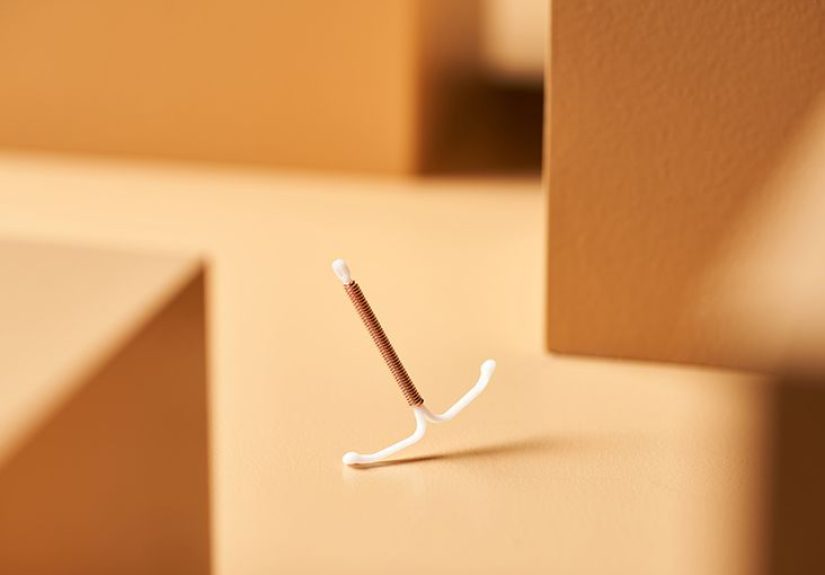
Mirena is a hormonal IUD that releases levonorgestrel, a form of progestin, directly inside the uterus. One of its biggest effects is thinning the uterine lining. Since periods happen when that lining builds up and sheds, a thinner lining usually means there is simply less material to shed each month.
That is why many people with Mirena notice lighter bleeding, fewer heavy days, less flooding, and sometimes no period at all. This is also why Mirena is often used not just for birth control, but also to help manage heavy menstrual bleeding.
Important detail: having no period on Mirena is not automatically harmful. For many users, it is an expected effect of the hormone on the uterine lining. In other words, the period is not “building up inside you.” That myth needs to retire.
Month-by-Month: What to Expect as Mirena Settles In
Month 1
You may have spotting, light bleeding, or irregular cramps. Some people feel almost normal quickly. Others feel like their period calendar has become abstract art. Both can be normal.
Months 2 to 3
This is still early. You may notice fewer heavy bleeding days, but it is also common to have unpredictable spotting. Do not judge Mirena too harshly during this stage. It is still warming up.
Months 3 to 6
This is when many people start seeing a pattern emerge. Periods may become shorter, lighter, or farther apart. If you had heavy periods before Mirena, this window often brings the first real sign that the device is doing its job.
Months 6 to 12
For some users, this is when periods fade dramatically or stop. For others, the period sticks around but becomes light enough to go from “cancel my plans” to “mild inconvenience.” That still counts as improvement.
After 1 year
If your periods have not stopped completely, they may still be lighter or less frequent than before. Mirena does not promise that every user will become period-free. It promises contraception first. The lighter-period bonus is common, but not universal.
Does Mirena Always Stop Periods?
No. And this is one of the most important things to understand before you start doom-searching at 1:14 a.m.
Some Mirena users stop bleeding completely. Some get occasional spotting every few months. Some keep having a light period every month. All three patterns can happen while Mirena is working exactly as intended.
So if you still have a period on Mirena, that does not mean the IUD is ineffective. Bleeding pattern and pregnancy prevention are related only loosely here. Mirena can be doing an excellent job even if your period did not pack its bags and leave town.
What Affects How Fast Mirena Changes Your Period?
There is no perfect stopwatch for this. Several factors can influence how quickly your bleeding pattern changes:
Your baseline periods
If your periods were already light, the change may be subtle. If they were heavy and miserable, Mirena may still help a lot, but the improvement can feel gradual rather than instant.
Your body’s hormone response
Some people adjust quickly. Others take months. This is frustrating, but it is normal. Hormonal IUDs are famously not one-size-fits-all when it comes to bleeding patterns.
Whether you are still in the adjustment window
If you are only 6 weeks in, it is usually too early to judge the long game. At 6 months, you can start looking for trends. At 12 months, you have a much clearer picture of your “Mirena normal.”
Underlying gynecologic issues
Fibroids, polyps, endometriosis, adenomyosis, or other causes of abnormal bleeding can affect how things play out. If bleeding is unusually heavy, painful, or persistent, it is worth checking in with a clinician instead of assuming Mirena is the whole story.
What Is Normal, and What Is a Reason to Call a Doctor?
Normal early on with Mirena can include:
- Spotting between periods
- Irregular timing
- Lighter or shorter periods
- Skipped periods
- Occasional random bleeding even after things seemed settled
However, do not shrug off everything. Reach out to a healthcare professional if:
- You have very heavy bleeding, especially if you are soaking through pads or tampons quickly
- You develop severe or worsening pelvic pain
- You have fever, chills, foul-smelling discharge, or feel sick
- Your bleeding suddenly changes a lot after months of being stable
- You think you might be pregnant
- You cannot feel the strings when you previously could, or you think the IUD may have moved
That last point matters. Mirena usually makes bleeding lighter over time, so a sudden return of heavier bleeding after a calm stretch can be a clue that something deserves evaluation.
If Your Period Stops on Mirena, Is That Safe?
In many cases, yes. For people using Mirena, no period can be a normal response to a thinner uterine lining. It is not the same thing as your body “holding in toxins” or “storing old blood.” The internet loves drama; reproductive biology is usually less theatrical.
Still, if your regular bleeding pattern changes abruptly to no periods at all, or if you have other symptoms like pelvic pain or pregnancy symptoms, checking in with a clinician is reasonable. Sometimes pregnancy testing is part of that conversation.
What If You Wanted Mirena to Stop Your Periods Faster?
This is the part nobody loves: patience is often part of the treatment plan. Mirena does not usually have a fast-forward button. The best move is often to give your body enough time to adjust unless the bleeding is severe, disruptive, or medically concerning.
A few practical ways to survive the adjustment phase:
- Track bleeding and spotting in an app or calendar so you can see whether things are improving over time
- Keep backup liners or period products handy during the first few months
- Talk to your clinician if bleeding is bothering you rather than silently suffering and resenting your uterus
- Do not assume a weird month means Mirena has failed
Common Mistakes People Make When Judging Mirena Too Early
Mistake #1: Expecting instant period suppression
Mirena often helps, but “immediate disappearance of periods” is not the standard timeline.
Mistake #2: Thinking spotting means something is wrong
Spotting is one of the most common early side effects of a hormonal IUD.
Mistake #3: Assuming monthly bleeding means Mirena is not working
You can still have a light monthly period and have excellent contraceptive protection.
Mistake #4: Ignoring red-flag symptoms
Not all bleeding changes are harmless. New severe pain, fever, very heavy bleeding, or a major late change in bleeding pattern deserves attention.
So, How Long Does It Usually Take for Mirena to Stop Your Periods?
Usually, Mirena does not stop periods right away. Most users need to get through an adjustment phase of about 3 to 6 months, and for those whose periods do stop completely, it often happens sometime within the first year. Some people never become fully period-free, but still end up with lighter, shorter, less painful periods.
That means a realistic expectation looks like this: early spotting and irregular bleeding, gradual improvement over several months, and the possibility of no periods later on. Mirena can be excellent for menstrual suppression, but it works on a slow timeline and with very human unpredictability.
If your bleeding feels manageable and trends lighter over time, that is often reassuring. If it is severe, painful, or suddenly changes after being stable, get checked. Your uterus may be dramatic, but you do not have to guess whether the plot twist is normal.
Common Experiences With Mirena and Period Changes
The experiences below are written as composite, real-world patterns people often describe when they ask, “How long does it take for Mirena to stop periods?” They are not promises, and they are not a substitute for medical advice. They are simply helpful examples of how varied the Mirena timeline can be.
1. “The first three months were annoying, then everything got better.”
This is one of the most common stories. Someone gets Mirena hoping for lighter periods, then spends the first several weeks wondering whether they made a terrible mistake. There is spotting, random bleeding, maybe a period that arrives late and then hangs around like an unwanted houseguest. But sometime around month three or four, the bleeding starts calming down. By month six, their period is shorter, lighter, and far less dramatic than before. It did not disappear completely, but it became so manageable that they considered the adjustment phase worth it.
2. “My period never fully stopped, but it became a tiny shadow of itself.”
Not everyone becomes period-free, and many people are surprised to learn that this can still be a great Mirena outcome. A person who once had heavy, painful, five-to-seven-day periods may end up with two days of light bleeding and mild cramps. Technically, yes, they still get a period. Practically, it feels like a completely different life. This experience matters because it reminds people not to measure success only by whether bleeding went to zero.
3. “It stopped around the one-year mark, not before.”
Some Mirena users do not see major menstrual suppression until later. They may have lighter periods by month four or five, occasional spotting for a while, and then slowly realize around month ten or twelve that they have not bought tampons in ages. This delayed timeline can feel frustrating when every online forum makes it sound like everyone else became period-free immediately. In reality, a slower progression is still well within the range of normal.
4. “I had no period for months, then random spotting showed up and scared me.”
This is another common experience. After several peaceful months with little or no bleeding, a random bout of spotting appears. Understandably, the person wonders whether the IUD moved, stopped working, or decided to become mysterious for sport. Sometimes it is just a temporary bleeding change and nothing serious. But if the spotting becomes heavy, painful, or is paired with other symptoms, that is the moment to call a clinician instead of relying on internet detectives.
5. “Mirena helped my heavy periods, but I still needed a doctor to check other issues.”
Sometimes Mirena improves bleeding but does not fix everything because something else is also going on. A person may still have prolonged bleeding due to fibroids, polyps, or another gynecologic condition. This experience is important because it highlights a key truth: Mirena can be incredibly helpful, but it is not a universal explanation for every bleeding pattern. When symptoms feel excessive or unusually painful, a proper evaluation matters.
6. “I almost gave up too soon.”
Many people who end up loving Mirena say there was a moment early on when they seriously considered removal. The spotting felt endless, the cycle felt unpredictable, and patience was in short supply. Then the bleeding gradually settled, cramps eased, and life became easier. Of course, nobody should force themselves to tolerate side effects that feel unbearable. But this common experience does show why clinicians often encourage people to give Mirena a reasonable adjustment window before deciding it is not for them, unless warning signs show up first.
Final Thoughts
If you are trying to figure out whether Mirena will stop your periods, the best expectation is a gradual timeline, not an instant one. Early spotting is common. Improvement often takes a few months. Complete period suppression may take up to a year, and even then, it does not happen for everyone. But lighter, easier, less disruptive periods are very common and often arrive before full amenorrhea does.
In other words, Mirena may not ghost your period immediately, but it often teaches it to keep a much lower profile.