Table of Contents >> Show >> Hide
- What Is Acorn Squash, Exactly?
- How to Choose the Best Acorn Squash
- How to Store Acorn Squash Before Baking
- What You Need to Bake Acorn Squash
- How to Cut Acorn Squash Safely
- Classic Method: How to Bake Acorn Squash Halves
- How Long to Bake Acorn Squash
- Sweet Ways to Season Baked Acorn Squash
- Savory Ways to Season Baked Acorn Squash
- Should You Eat the Skin?
- Common Mistakes to Avoid
- How to Serve Baked Acorn Squash
- Frequently Asked Questions About Baking Acorn Squash
- Kitchen Experiences and Real-Life Lessons From Baking Acorn Squash
- Conclusion
Acorn squash is one of those vegetables that looks like it belongs in a fall centerpiece until you cut into it and realize it is secretly dinner. It has a sweet, nutty flavor, a tender texture when cooked properly, and just enough natural drama to make an ordinary weeknight meal feel a little more put together. Better yet, it can swing both sweet and savory. Add butter, cinnamon, and brown sugar, and it tastes cozy enough to wear a flannel shirt. Add olive oil, garlic, sage, and black pepper, and suddenly it is elegant enough for a holiday table.
If you have ever stared at one in the produce aisle and wondered whether you were buying a side dish or a medieval weapon, you are not alone. The hard rind can be intimidating, but baking acorn squash is actually simple once you know the process. In this guide, you will learn how to choose a good squash, cut it safely, bake it until perfectly tender, season it in more than one way, and avoid the classic mistake of pulling it out too soon. Because undercooked squash is a tragedy, and we are here to prevent kitchen heartbreak.
What Is Acorn Squash, Exactly?
Acorn squash is a type of winter squash, which means it has a firm rind, dense flesh, and a longer storage life than tender summer squash varieties. It is usually small, dark green, and deeply ridged, though some squash will have patches of orange. The flesh inside is yellow-orange and turns silky, soft, and lightly sweet when baked.
One reason acorn squash is so popular is that its natural shape makes serving easy. When baked in halves, each side becomes its own edible bowl. That means you can serve it as a simple side, stuff it with grains or sausage, or scoop out the flesh for soups, mashes, and warm salads. It is flexible, affordable, and far more cooperative in the oven than it looks on the cutting board.
How to Choose the Best Acorn Squash
A great baked acorn squash starts at the store. Look for squash that feels heavy for its size, with firm skin and no cracks, bruises, or soft spots. A stem that is still attached is a good sign. Avoid squash that looks shriveled or damaged, because that usually means it has been hanging around too long.
Color matters too. A deep green acorn squash is typically a solid choice. Some orange coloring is normal, but a squash that has turned very orange all over can be tougher and more fibrous. In other words, you want something sturdy and handsome, not something that looks like it has had a rough semester.
How to Store Acorn Squash Before Baking
If you are not cooking it right away, keep whole acorn squash in a cool, dry place. It does not need to go straight into the refrigerator. Once cut, however, wrap it well and refrigerate it. Like many vegetables, it is happiest when left alone until its big moment arrives.
This makes acorn squash convenient for meal planning. Buy it on the weekend, leave it in a cool pantry or kitchen corner, and bake it a few days later when you want a comforting side dish without another grocery run.
What You Need to Bake Acorn Squash
Basic tools
- A sturdy chef’s knife
- A cutting board that does not slide around
- A spoon for scooping seeds
- A baking sheet or baking dish
- Parchment paper or foil, optional but helpful
Basic ingredients
- 1 or 2 acorn squash
- Olive oil or butter
- Salt
- Black pepper
From there, you can go sweet, savory, or somewhere gloriously in between.
How to Cut Acorn Squash Safely
This is the part that scares most people, and fair enough. Acorn squash has a firm rind and zero interest in becoming bite-size without persuasion. Start by washing and drying the outside. Then place it on a stable cutting board. If the rind feels extra stubborn, microwave the whole squash for a few minutes to soften it slightly before cutting.
Trim a little from the stem end if needed to create a stable surface. Slice the squash in half lengthwise, from stem to tip. Use a spoon to scrape out the seeds and stringy bits from the center. That is it. Now you have two beautiful squash halves ready for the oven.
If you prefer quicker roasting, you can cut the halves again into wedges. Wedges cook faster and develop more browned edges, which is excellent news if you like caramelization and do not enjoy waiting an hour for dinner.
Classic Method: How to Bake Acorn Squash Halves
This is the easiest and most reliable method, especially for beginners. Baking the squash in halves gives you tender flesh, a pretty presentation, and plenty of room for seasonings to settle into the center.
Step 1: Preheat the oven
Heat your oven to 400°F. This is a sweet spot for most acorn squash recipes because it is hot enough to encourage browning but not so aggressive that the edges burn before the center softens.
Step 2: Prep the squash
Brush the cut sides lightly with olive oil or melted butter. Season with salt and pepper. Place the squash halves cut-side down on a lined baking sheet or in a baking dish. Baking them cut-side down helps trap moisture and keeps the flesh from drying out.
Step 3: Bake until tender
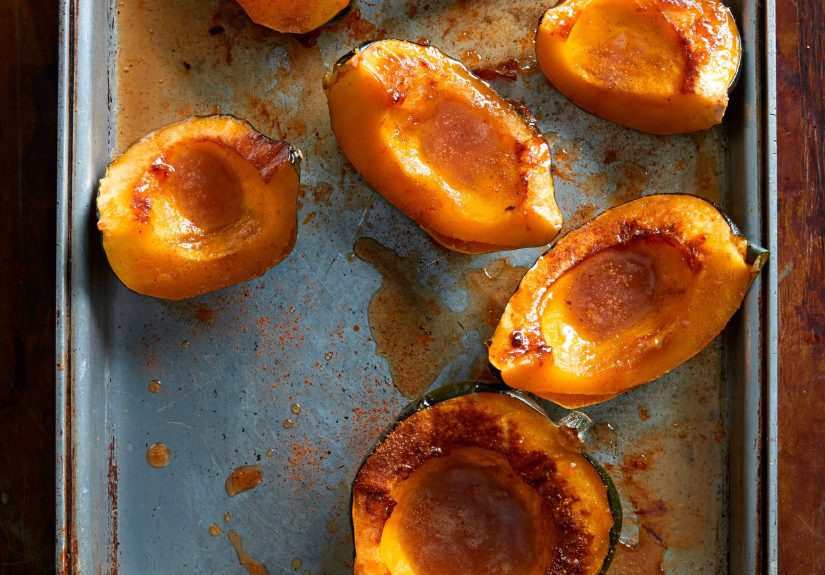
Bake for 40 to 60 minutes, depending on the size of the squash. Smaller squash may be ready sooner, while larger ones take longer. The best test is not the clock. It is the fork. When the flesh is easily pierced and soft all the way through, it is done.
Step 4: Flip and finish, if desired
For extra color and flavor, turn the halves cut-side up during the last 10 to 15 minutes of baking. This is the perfect time to add maple syrup, brown sugar, herbs, butter, or a sprinkle of cheese. That final blast of heat helps the top caramelize and makes the squash look like it knows it is the star of the plate.
How Long to Bake Acorn Squash
The exact baking time depends on the oven temperature, the size of the squash, and whether you are roasting halves or wedges.
- At 350°F: about 45 to 60 minutes for halves
- At 400°F: about 45 to 75 minutes for halves, depending on size
- At 425°F: about 25 to 40 minutes for wedges, or around 50 to 55 minutes for halves
If that sounds like a wide range, welcome to cooking vegetables. Squash is not a microwave dinner with an emotional support timer. Use doneness as your guide. It should be fork-tender, with flesh that scoops easily and edges that look lightly browned.
Sweet Ways to Season Baked Acorn Squash
If you grew up eating squash with butter and brown sugar, this section is for you. The classic sweet approach works because acorn squash already has a mild sweetness. You are not forcing a flavor on it. You are just giving it a supportive little pep talk.
Classic sweet combination
- Butter
- Brown sugar
- Cinnamon
- A pinch of salt
Add these after the squash has softened a bit or during the final stretch of baking. The sugar melts, the butter sinks into the center, and the whole thing starts smelling like the kitchen equivalent of a warm blanket.
Other sweet upgrades
- Maple syrup and nutmeg
- Honey and ginger
- Chopped apples and a little brown sugar
- Dried cranberries and toasted pecans
These versions are perfect for holiday dinners or chilly evenings when a plain vegetable side dish feels a little too responsible.
Savory Ways to Season Baked Acorn Squash
Sweet squash gets a lot of attention, but savory acorn squash deserves a standing ovation too. It pairs beautifully with herbs, garlic, pepper, cheese, and tangy sauces.
Simple savory combination
- Olive oil
- Salt
- Black pepper
- Garlic
- Sage or thyme
Brush the squash with olive oil, season generously, and roast until tender. Finish with Parmesan, crumbled feta, or a spoonful of garlicky yogurt sauce. You can also add smoked paprika, oregano, or red pepper flakes if you want a little more personality.
Great savory topping ideas
- Brown butter and fresh sage
- Parmesan and cracked black pepper
- Garlic-herb yogurt sauce
- Chimichurri or a parsley vinaigrette
- Wild rice, sausage, mushrooms, or lentils for stuffing
Savory baked acorn squash works especially well with roast chicken, pork, grain bowls, or holiday mains that need a vegetable side dish with actual flavor.
Should You Eat the Skin?
The skin of acorn squash is technically edible, especially after roasting. Some people enjoy it, particularly on wedges roasted until tender. Others prefer to scoop out the flesh and leave the skin behind. There is no wrong answer here. This is a dinner decision, not a moral test.
If you bake the squash in halves, the skin often serves as a natural bowl, whether or not you eat it. If you roast thinner wedges at a high temperature, the skin is more likely to soften enough to enjoy comfortably.
Common Mistakes to Avoid
1. Undercooking the squash
This is the big one. If the flesh is still firm, chalky, or hard to scoop, keep baking. Acorn squash gets better as it softens and caramelizes. Patience pays off.
2. Skipping salt
Even sweet versions need a little salt. Without it, the flavor can taste flat. A small pinch wakes everything up.
3. Crowding wedges on the pan
If you roast slices or wedges too close together, they steam instead of brown. Give them room. Vegetables also appreciate personal space.
4. Wrestling with a cold squash
If it is difficult to cut, soften it in the microwave for a few minutes first. Safer prep is always the right move.
5. Using too much sugar too soon
Sugary toppings can burn if added at the beginning of a high-heat roast. Add them later if needed, especially at 425°F.
How to Serve Baked Acorn Squash
The easiest way to serve acorn squash is straight from the oven as a side dish. But it can do much more than sit politely next to the main course.
- Serve halves with butter and cinnamon for a simple fall side
- Stuff the centers with rice, quinoa, sausage, mushrooms, or apples
- Scoop the flesh into mashed squash with butter and herbs
- Add roasted cubes or wedges to grain bowls and salads
- Blend the cooked flesh into soup for a creamy, cozy dinner
One medium squash can stretch surprisingly far, especially when paired with grains or protein. That makes it useful not only for holidays, but also for budget-friendly meal prep.
Frequently Asked Questions About Baking Acorn Squash
Do you bake acorn squash cut-side up or down?
Start cut-side down for tender flesh and better moisture retention. Flip cut-side up near the end if you want caramelization or plan to add toppings.
Do you need to peel acorn squash before baking?
No. In fact, it is much easier to bake with the skin on. You can scoop out the flesh after baking, or eat the skin if it has softened enough for your taste.
Can you make baked acorn squash ahead of time?
Yes. Bake it until tender, cool it, and refrigerate it. Reheat in the oven until warmed through. You can also roast it ahead and use the flesh later in soup, salads, or stuffed squash recipes.
Can you roast the seeds too?
Absolutely. Separate the seeds from the pulp, rinse and dry them, toss lightly with oil and seasoning, and roast until crunchy. It is a nice bonus for anyone who enjoys turning scraps into snacks.
Kitchen Experiences and Real-Life Lessons From Baking Acorn Squash
The first real lesson most people learn about baking acorn squash is that the vegetable is much less difficult than it looks. The outside says, “I am impossible.” The inside says, “Actually, I just needed 50 minutes and a little olive oil.” That contrast is part of the charm. Once you bake one successfully, acorn squash stops feeling like a seasonal mystery and starts feeling like an easy fallback for cool-weather dinners.
In many home kitchens, the first attempt usually falls into one of two camps. Either the squash comes out undercooked because someone trusted the shortest time on the recipe, or it comes out beautifully soft and everyone immediately wonders why they do not make it more often. The truth is that acorn squash rewards confidence. If it is not tender, keep going. It is one of those vegetables that often improves with a little more oven time, especially if you want deep flavor and lightly caramelized edges.
Another common experience is discovering that seasoning changes everything. A plain baked squash is pleasant, but a well-seasoned one is memorable. Butter and cinnamon make it taste nostalgic and cozy, the kind of side dish that belongs next to roast chicken or Thanksgiving turkey. Olive oil, garlic, and sage turn it into something more savory and dinner-party friendly. A spoonful of maple syrup, a pinch of salt, and a few toasted nuts can make it feel restaurant-level without restaurant-level effort.
There is also the oddly satisfying moment when baked acorn squash solves a meal problem you did not realize you had. Need a vegetarian main? Stuff it. Need a side dish that looks impressive? Roast the halves and bring them to the table whole. Need lunch for tomorrow? Scoop the flesh into a grain bowl. Few vegetables are this flexible while still looking like they arrived with decorative intentions.
Experienced cooks also learn that size matters more than recipes sometimes admit. A small acorn squash can bake relatively quickly, while a large one may need extra time, even at the same temperature. That is why the fork test matters so much. Real-life cooking is less about obeying the timer and more about noticing texture. If the flesh is soft and easy to scoop, you have won. If not, the oven is still hiring.
Perhaps the nicest thing about baking acorn squash is that it creates a certain kind of kitchen atmosphere. It smells warm, slightly sweet, and unmistakably comforting. It feels seasonal without being fussy. It works on random Tuesdays, at family dinners, and on holiday tables where every inch of oven space matters. And once you get comfortable with it, you stop following one exact recipe and start cooking by instinct. A little butter here, extra pepper there, maybe apples one night and Parmesan the next. That is when acorn squash becomes more than a recipe. It becomes part of the cold-weather rotation.
So if you have been hesitant to bake acorn squash, consider this your sign to stop admiring it from a distance. Cut it, season it, roast it, and give it enough time to become soft and golden. After that, you may find yourself buying two next time. One for dinner, and one because apparently you are now the kind of person who casually bakes acorn squash like you have been doing it forever.
Conclusion
Learning how to bake acorn squash is less about mastering a complicated technique and more about understanding a few simple basics: choose a good squash, cut it safely, season it well, and roast it until truly tender. From there, the possibilities open up fast. Go sweet with brown sugar and cinnamon, savory with olive oil and herbs, or make it hearty with a stuffed filling. However you serve it, baked acorn squash brings comfort, color, and real flavor to the table without demanding chef-level effort.
If you want a vegetable that feels seasonal, tastes rich, and can dress up or down depending on the meal, acorn squash is an easy win. Once you make it a few times, you will stop asking how to bake acorn squash and start asking what else you can do with it. That is a much more delicious question.