Table of Contents >> Show >> Hide
Independence sounds glamorous until you are staring at a blinking smoke detector, a due date you forgot, and a fridge containing only mustard, half a lemon, and questionable optimism. But real independence is not about doing everything alone or pretending you have life fully figured out. It is about knowing how to run your life with confidence, make solid decisions, recover from mistakes, and handle daily responsibilities without needing a rescue squad every other Tuesday.
If you have ever wondered how to be independent without turning into a stressed-out robot, you are in the right place. Becoming more independent is really a collection of learnable skills: managing money, setting boundaries, solving problems, taking care of your health, and building habits that make daily life easier instead of chaotic. Some of it is practical. Some of it is emotional. All of it is useful.
This guide breaks down 25 expert-backed tips to help you become a more independent person in a realistic, human way. No fake “wake up at 4 a.m. and drink kale fog” nonsense. Just smart, doable strategies that help you become more self-reliant, capable, and calm.
What Being Independent Actually Means
Before we jump into the list, let us clear up one common myth: independence is not isolation. Being independent does not mean refusing help, cutting people off, or acting like you are too tough to need anyone. That is not independence. That is usually just stress wearing a leather jacket.
Real independence means you can make decisions, manage responsibilities, regulate your emotions, and take action without always waiting for someone else to tell you what to do. It also means knowing when support is useful and how to ask for it in a smart, intentional way. In other words, independence is not “I need nobody.” It is “I can handle my life, and I know how to use help well when I need it.”
25 Expert-Backed Tips to Be More Independent
Mindset and Emotional Independence
- Define what independence means for your life.
Independence looks different for everyone. For one person, it means paying their own bills. For another, it means moving to a new city, speaking up at work, or finally making decisions without texting five friends for approval. Get specific. Write down what an independent life would look like for you in the next six months. Clarity makes progress easier.
- Make more decisions without over-polling the group chat.
Independent people do not outsource every little choice. Start small: pick the restaurant, choose the haircut, decide the weekend plan, commit to the class. The point is not to make perfect decisions. The point is to build decision-making confidence. You learn self-trust by using it, not by waiting until you feel magically fearless.
- Keep promises to yourself.
Want to feel more self-reliant? Become someone you can count on. If you tell yourself you are going to save fifty dollars, go for a walk, update your resume, or schedule a doctor’s appointment, do it. Every tiny follow-through builds self-respect. Every “I will do it later” weakens your trust in yourself a little bit. Independence grows when your actions match your words.
- Learn to tolerate being uncomfortable.
A lot of dependence comes from trying to avoid discomfort at all costs. We delay hard conversations, dodge unfamiliar tasks, and cling to routines that are not helping. Independent people are not immune to discomfort. They simply stop treating it like a stop sign. Feeling awkward, uncertain, or unprepared does not mean you are failing. It usually means you are growing.
- Practice solving the problem before asking for rescue.
There is nothing wrong with asking for help, but try this first: pause, breathe, and see if you can identify the next step on your own. Read the instructions. Search for the answer. Break the problem into smaller pieces. Try one solution. Even when you still need help later, you will ask better questions and gain more confidence from the process.
- Get comfortable being alone without feeling lonely.
Emotional independence means enjoying your own company. Eat alone sometimes. Go for a walk without headphones. Watch a movie by yourself. Take yourself out for coffee like the fascinating person you are. When you stop treating solitude like a punishment, you become less likely to stay in the wrong relationships, jobs, or routines just to avoid being alone.
- Set boundaries like an adult, not like a smoke alarm.
Healthy independence requires clear boundaries. That means saying no when something drains your time, energy, money, or peace. You do not need a dramatic speech or a courtroom presentation. A simple, respectful sentence works: “I can’t do that,” “That doesn’t work for me,” or “I need more notice next time.” Boundaries protect your independence because they stop your life from being run by other people’s urgency.
- Ask for help strategically, not helplessly.
This may sound backward, but knowing how to ask for help is part of being independent. Independent people do not pretend to know everything. They ask for advice, mentoring, or technical help when it saves time and prevents bigger mistakes. The difference is intention. You are not handing over your life. You are gathering tools so you can handle it better.
Financial Independence and Daily Life Skills
- Create a simple budget you can actually follow.
You do not need a color-coded spreadsheet that looks like it was designed by an accountant on espresso. Start with three categories: what comes in, what must go out, and what you want to save. A workable budget helps you avoid the classic independent-adult plot twist of having money on payday and confusion by Wednesday.
- Build an emergency fund, even if it starts embarrassingly small.
Financial independence is easier when life’s surprise expenses do not immediately turn into panic. Start with a mini emergency fund if that feels more realistic. Save what you can, consistently. The amount matters less than the habit at first. A small cushion can cover a prescription, a tire repair, or the “my laptop chose violence” moment.
- Pay bills on time and automate what you can.
Late fees are rude, unnecessary little gremlins. Use autopay for fixed bills when possible, and set reminders for the rest. Keep due dates in one place. Financial independence is not just about earning money. It is also about managing it in a way that protects your future self from stress, fees, and frantic midnight logins.
- Understand your credit and protect your identity.
Independence includes knowing how your financial life works behind the curtain. Review your credit report, watch for errors, and protect personal information carefully. Learn the basics of credit cards, interest, and fraud prevention. It is not the most glamorous life skill, but neither is discovering someone opened an account in your name while you were busy trying to become your best self.
- Learn to cook five basic meals well.
Cooking is one of the most underrated independence skills on earth. You do not need to become a chef who casually says “I reduced the sauce.” Just learn five affordable, repeatable meals: maybe chili, pasta, rice bowls, roasted vegetables with protein, soup, or eggs in several forms. Being able to feed yourself saves money, improves health, and dramatically lowers the chance of dinner becoming crackers and regret.
- Master laundry, cleaning, and basic home upkeep.
Independent living gets smoother when you can handle the ordinary stuff without panic. Know how to wash your clothes correctly, unclog a simple drain, reset a tripped breaker, replace batteries, and keep your space reasonably clean. These are not glamorous superpowers, but they do make life less expensive, less chaotic, and less likely to smell weird.
- Keep important documents organized.
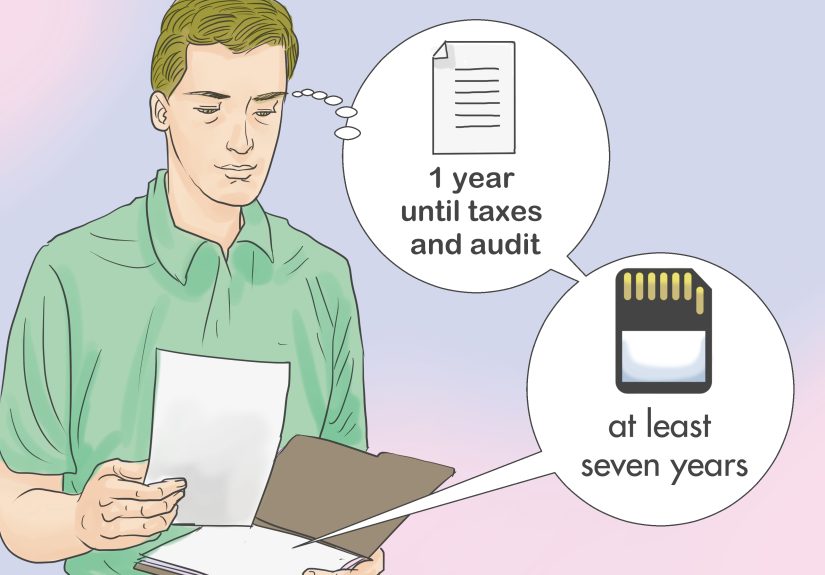
Save digital and physical copies of your ID, insurance cards, lease, tax records, medical information, and emergency contacts. Put them in one secure place you can access when needed. Few things feel more independent than being asked for a document and producing it in under ten seconds instead of muttering, “I know it was here somewhere in 2023.”
Time, Work, and Skill-Building
- Use a calendar, not just vibes.
Independent people do not rely entirely on memory and hope. Put appointments, deadlines, bills, events, and reminders in a calendar. Time management is self-respect in action. When you can see your week clearly, you make better decisions, avoid double-booking, and stop waking up at 2 a.m. because your brain suddenly remembered a form was due “soon.”
- Build routines so you do not need constant motivation.
Motivation is lovely, but it is also flaky. Routines are more loyal. Create a simple morning reset, weekly money check-in, meal prep habit, or Sunday planning session. The goal is not to become rigid. The goal is to make life easier by turning important tasks into normal ones. Independence often looks less like freedom and more like systems that quietly keep you steady.
- Strengthen soft skills that make adulthood work.
Communication, reliability, punctuality, teamwork, and problem-solving matter in jobs, relationships, and everyday life. These skills make you easier to trust and harder to overlook. If you want more independence at work and in life, become the person who communicates clearly, follows through, and handles challenges without immediately combusting.
- Keep learning skills that reduce dependency.
Learn how to negotiate, write a professional email, compare insurance plans, use basic technology tools, or fix simple things at home. Skill-building is one of the fastest ways to become more self-reliant. Every practical skill removes a layer of helplessness. You do not need to know everything. You just need to keep becoming more capable over time.
- Know how to advocate for yourself.
Speak up in doctor’s appointments. Ask questions at work. Clarify expectations. Request the information you need. Self-advocacy is a major independence skill because it stops you from passively drifting through important decisions. You are allowed to ask, “Can you explain that?” or “What are my options?” Independent adults do not pretend to understand what they do not understand.
Health, Resilience, and Support
- Move your body regularly.
Physical activity supports energy, mood, sleep, focus, and long-term health. It also helps everyday independence because it makes daily tasks feel easier. You do not need a cinematic training montage. Walking, strength training, stretching, dancing in your kitchen, and active hobbies all count. Pick movement you can repeat instead of punishment disguised as fitness.
- Protect your sleep like it pays rent.
Sleep affects mood, attention, memory, stress, and decision-making. In other words, it is deeply connected to how independent and functional you feel. Set a more consistent bedtime, reduce late-night scrolling, and build a wind-down routine your nervous system can recognize. A well-rested brain is far better at solving problems than an exhausted one running on caffeine and denial.
- Use healthy coping tools when stress shows up.
Stress is part of life. The trick is learning how to respond without wrecking your routines, budget, or relationships. Journaling, deep breathing, going outside, exercise, talking to someone you trust, and taking a break from endless bad-news scrolling are all solid options. Emotional independence is not “never feeling stressed.” It is having healthier ways to handle stress when it lands.
- Stay on top of basic health care.
Schedule checkups, refill prescriptions, keep track of symptoms, and do not ignore health issues until they become dramatic. Managing your health is part of managing your life. It is not boring admin. It is one of the most practical forms of self-respect. The more proactive you are, the less likely you are to be knocked sideways by preventable problems.
- Build a support circle instead of trying to be a lone wolf.
The most independent people are often the ones who know how to stay connected. Friends, mentors, family, neighbors, coworkers, and community groups can all be part of a healthy support system. Connection helps with resilience, accountability, and perspective. Independence becomes stronger, not weaker, when your life includes trustworthy people.
One More Tip That Ties It All Together
Review your life regularly and upgrade your systems. Independence is not a one-time achievement badge. It is maintenance. Once a month, look at your money, routines, stress level, schedule, and goals. What is working? What keeps breaking? What needs more structure? What can you learn next? That monthly reset is where independence stops being a personality trait and becomes a lifestyle.
Final Thoughts
If you want to know how to be independent, here is the honest answer: start smaller than your ego wants and stay steadier than your mood prefers. Independence is built in ordinary moments. It is in paying the bill on time, making your own appointment, cooking your own dinner, saying no without a two-page apology, and trusting yourself to handle the next challenge even if you are still learning.
You do not become independent overnight. You become independent by collecting skills, practicing courage, making mistakes, and adjusting. So do not wait until you feel fully ready. Ready is often just confidence wearing a fake mustache. Begin where you are, build one skill at a time, and let your life get stronger, calmer, and more self-directed month by month.
Real-Life Experiences: What Independence Actually Feels Like
One of the strangest things about becoming independent is that it rarely feels dramatic while it is happening. There is no orchestra. No confetti cannon. Usually, it starts with a small moment that looks boring from the outside. You make your own dentist appointment. You figure out how to compare phone plans. You realize you paid every bill this month without a single panic spiral. It does not feel like a movie montage. It feels like normal life getting a little steadier.
For many people, financial independence begins with a humbling stretch of trial and error. Maybe you overspend the first month you live on your own because groceries are more expensive than your brain had guessed. Maybe you forget a due date and get introduced to the deeply annoying concept of a late fee. But then you adjust. You start tracking expenses. You cook at home more often. You learn that independence is not about never messing up. It is about fixing the system so the same mess happens less often.
Emotional independence can feel even more surprising. At first, making decisions without constant reassurance may feel uncomfortable, almost rude. You might worry that choosing for yourself makes you selfish. Then, slowly, you notice something important: every time you trust your own judgment, you get stronger. You stop asking ten people what they think about every choice. You still value advice, but you do not need permission to run your own life. That shift is quiet, but powerful.
There is also a practical confidence that comes from learning ordinary life skills. The first time you cook a full week of decent meals, fix a minor household issue, organize your paperwork, or handle an awkward customer service call without wanting to vanish into a decorative pillow, something changes. You begin to see yourself as capable. Not perfect. Not endlessly competent. Just capable enough to keep going. And honestly, that is often the sweet spot.
Independence also teaches humility. There are moments when being on your own feels heavy. You get sick and still need groceries. Your sink leaks at 9 p.m. Your budget gets squeezed. A big decision lands on your lap and nobody can magically choose for you. Those moments can feel lonely. But they also teach resilience. You learn who to call, what to prioritize, when to rest, and how to keep from turning one stressful event into a full-blown identity crisis. That is growth in work boots.
Perhaps the best part of becoming independent is the calm that comes with it. You stop feeling like life is always happening to you. You start feeling like you can participate in it with more confidence. You know how to recover from mistakes. You know how to ask better questions. You know what your boundaries are. You know that even if something goes sideways, you can probably handle more than you used to think. That is real independence: not a perfect life, but a grounded one.