Table of Contents >> Show >> Hide
- First, What Does “Gluten Intolerance” Really Mean?
- 8 Foods to Avoid with a Gluten Intolerance
- 1. Regular Bread, Pasta, Crackers, and Baked Goods
- 2. Breaded, Battered, and Fried Foods
- 3. Beer, Malt Beverages, and Anything with Malt Flavoring
- 4. Soy Sauce, Gravies, Salad Dressings, and Marinades
- 5. Soups, Stews, and Sauces Thickened with Flour
- 6. Processed Meats and Meat Substitutes
- 7. Breakfast Cereals, Granola Bars, and Snack Foods
- 8. Regular Oats and “Healthy” Foods with Hidden Gluten
- 7 Foods to Eat Instead
- Smart Tips for Eating Gluten-Free Without Losing Your Mind
- What Real-Life Experience with Gluten Intolerance Often Feels Like
- Final Takeaway
If your stomach seems to throw a tiny protest march every time bread, pasta, or that “just one bite” of cake enters the chat, you may be dealing with what people often call gluten intolerance. That phrase gets used loosely, but the everyday takeaway is simple: some people feel much better when they stop eating foods made with wheat, barley, and rye. The tricky part is that gluten is not just hanging out in obvious places like bagels and pizza crust. It also hides in sauces, soups, seasoning blends, and foods that look innocent enough to deserve a halo.
The good news? Eating gluten-free does not have to mean living on sad rice cakes and emotional support lettuce. A smart gluten-free diet can still be flavorful, filling, and surprisingly fun once you know what to dodge and what to pile onto your plate instead. Below, we break down 8 foods to avoid with a gluten intolerance, plus 7 foods to eat that can help you build meals without the drama.
First, What Does “Gluten Intolerance” Really Mean?
In normal conversation, “gluten intolerance” often describes people who feel bloated, foggy, crampy, or generally miserable after eating gluten. In medical settings, the picture may be more specific. Some people have celiac disease, an autoimmune condition that requires a lifelong strict gluten-free diet. Others may have non-celiac gluten sensitivity, which can cause symptoms without the same intestinal damage. And some people are actually reacting to wheat rather than gluten itself. Translation: if gluten seems to be your villain origin story, it is smart to get checked by a healthcare professional before reinventing your pantry.
Still, whether you are newly diagnosed, strongly suspicious, or just trying to eat in a way that makes your body less cranky, food choices matter a lot. And that starts with knowing where gluten actually shows up.
8 Foods to Avoid with a Gluten Intolerance
1. Regular Bread, Pasta, Crackers, and Baked Goods
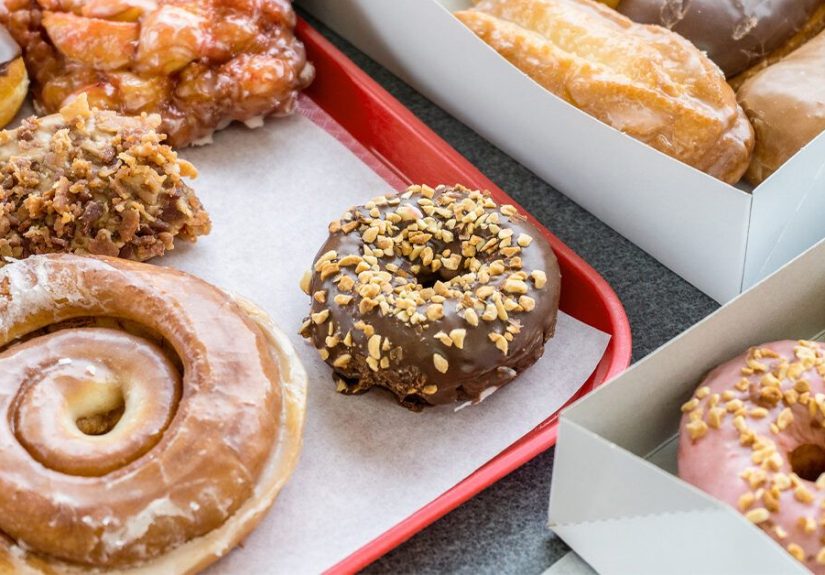
This is the obvious category, but it earns the number-one spot because it is still the biggest gluten traffic jam. Standard sandwich bread, dinner rolls, flour tortillas, bagels, muffins, cookies, cakes, donuts, pancakes, waffles, and conventional pasta are usually made with wheat flour. Even when the label looks wholesome and rustic, “artisan” does not mean gluten-free. It usually just means the bread costs more and has an opinion about olive oil.
If you have a gluten intolerance, these foods are often the first to trigger symptoms. The solution is not to swear off comfort food forever. It is to swap them for clearly labeled gluten-free versions made from rice, corn, quinoa, potato, cassava, almond flour, or other gluten-free ingredients.
2. Breaded, Battered, and Fried Foods
That crispy coating you love? It is frequently made with wheat flour or breadcrumbs. Chicken tenders, onion rings, fried fish, mozzarella sticks, tempura vegetables, and even fries can be risky if they are coated or cooked in shared fryers. This is where people get tripped up, because a food may seem naturally gluten-free until it gets a crunchy jacket and a one-way ticket to cross-contact city.
If you are eating out, ask whether the item is breaded and whether it is cooked in a dedicated fryer. “It looks like a potato” is not a reliable safety standard.
3. Beer, Malt Beverages, and Anything with Malt Flavoring
Regular beer is usually made with barley, which means gluten is very much invited to the party. Malt vinegar, malted milk powder, malt syrup, and malt flavoring can also cause problems. This catches a lot of people off guard because “malt” sounds charming and old-fashioned, like something from a cozy bakery. Unfortunately, for gluten-sensitive eaters, it is more like a plot twist.
Safer options include gluten-free beer, cider, wine, and distilled spirits if tolerated. As always, labels matter.
4. Soy Sauce, Gravies, Salad Dressings, and Marinades
Gluten loves to hide in condiments. Traditional soy sauce commonly contains wheat. Gravies may be thickened with flour. Bottled salad dressings, marinades, and simmer sauces can also contain wheat, barley, malt vinegar, or other gluten-containing additives. That “healthy salad” can go sideways fast when the dressing is basically liquid gluten wearing a vinaigrette costume.
Look for gluten-free soy sauce or tamari, and always read ingredient lists on sauces and dressings. Homemade versions are often easier to control and just taste better anyway.
5. Soups, Stews, and Sauces Thickened with Flour
Cream soups, canned soups, chowders, gravy mixes, cheese sauces, and restaurant sauces often use wheat flour as a thickener. Roux-based dishes are delicious, but if you are avoiding gluten, they are also a bit of a booby trap. Even brothy soups can contain pasta, barley, or sneaky seasoning blends.
Choose soups labeled gluten-free or make your own using cornstarch, arrowroot, mashed potato, or blended vegetables to get that same cozy texture without the digestive regret.
6. Processed Meats and Meat Substitutes
Plain chicken, beef, turkey, pork, and fish are naturally gluten-free. But once they become sausage, meatballs, veggie burgers, imitation crab, deli meats, or pre-marinated proteins, all bets are off. Fillers, binders, flavorings, and breadcrumbs can all introduce gluten.
This does not mean you need to fear every turkey slice in the refrigerated aisle. It just means you need to read the label like it owes you money. The simpler the ingredient list, the better.
7. Breakfast Cereals, Granola Bars, and Snack Foods
You might think a bowl of cereal is harmless. Then barley malt strolls in. Many cereals, granolas, protein bars, crackers, and chips contain wheat, barley, rye, or flavoring derived from those grains. Multi-grain products can be especially misleading. “Multi-grain” sounds virtuous, but one of those grains may absolutely be wheat.
Gluten-free cereals and bars do exist, but they should be clearly labeled. Do not assume that oats automatically make a product safe.
8. Regular Oats and “Healthy” Foods with Hidden Gluten
Oats themselves do not contain gluten, but they are commonly cross-contacted with wheat, barley, or rye during harvesting and processing. That is why people with gluten intolerance or celiac disease are usually advised to choose only oats labeled gluten-free. Even then, some people find oats do not agree with them, so it helps to introduce them carefully.
Also be cautious with “healthy” foods such as grain bowls, veggie burgers, bran snacks, flavored rice mixes, seasoning packets, and wellness products that use barley, wheat-based thickeners, or mystery ingredients that require detective work and maybe a snack break.
7 Foods to Eat Instead
1. Fruits and Vegetables
Fresh fruits and vegetables are the gold standard of naturally gluten-free eating. They are versatile, widely available, and not trying to surprise you with barley. Build meals around produce and you instantly make life easier. Think roasted broccoli, berries, apples, carrots, sweet potatoes, spinach, avocados, and bell peppers.
2. Plain Meat, Poultry, Fish, and Eggs
Protein is your friend, especially when transitioning away from gluten-heavy convenience foods. Plain chicken breasts, salmon, shrimp, ground turkey, eggs, and steak are all naturally gluten-free when unbreaded and unseasoned with questionable mixes. These foods help make meals satisfying and keep you from feeling like your dinner is just a side dish pretending to be a main course.
3. Rice, Quinoa, Corn, and Potatoes
These are the dependable starches of a good gluten-free diet. Brown rice, white rice, quinoa, corn tortillas, polenta, popcorn, roasted potatoes, and mashed potatoes can replace many wheat-based staples without making you feel deprived. They also work beautifully in meal prep, which means fewer desperate “guess I’ll just eat cheese” evenings.
4. Beans, Lentils, Nuts, and Seeds
Plant-based protein sources are naturally gluten-free and useful for adding fiber, texture, and staying power to meals. Black beans in tacos, lentils in soup, chickpeas in salads, almonds as a snack, chia in pudding, sunflower seeds on yogurtsuddenly your gluten-free menu starts looking pretty impressive.
5. Plain Dairy or Dairy Alternatives That Are Labeled Safe
Milk, plain yogurt, cottage cheese, and many cheeses are gluten-free. Flavored yogurts, dessert dairy products, and some dairy alternatives may contain additives, so labels still matter. But in general, dairy can be an easy way to add protein and convenience when your bread options have temporarily betrayed you.
6. Gluten-Free Oats
When tolerated, certified or clearly labeled gluten-free oats can make breakfast feel normal again. Oatmeal, overnight oats, oat flour pancakes, and gluten-free granola can all bring comfort back to the table. Just choose products that are specifically labeled gluten-free, not regular oats with a hopeful vibe.
7. Clearly Labeled Gluten-Free Packaged Foods
There is no prize for doing everything from scratch. Gluten-free bread, pasta, crackers, tortillas, cereal, pizza crust, and baking mixes can make the diet far more realistic. The key is picking products that are clearly labeled and made from ingredients you recognize. Convenience is allowed. Sanity is also allowed.
Smart Tips for Eating Gluten-Free Without Losing Your Mind
Read Labels Every Time
Do not assume a product is safe because you bought it before. Ingredients can change. Learn to scan for wheat, barley, rye, malt, brewer’s yeast, and vague seasonings that need a closer look.
Watch Out for Cross-Contact
Shared toasters, cutting boards, wooden spoons, bakery counters, and restaurant fryers can all expose gluten-free food to gluten. If symptoms continue even after you “cut out bread,” cross-contact may be the sneaky culprit.
Do Not Build Your Entire Diet Around Processed Gluten-Free Snacks
Yes, gluten-free cookies are a modern miracle. No, they should not become your personality. The best gluten-free eating pattern still leans heavily on whole foods: produce, proteins, legumes, gluten-free grains, and simple meals you can actually identify without needing a chemistry set.
Get Checked If You Have Ongoing Symptoms
If you suspect a gluten problem, it is wise to talk to a healthcare professional before going fully gluten-free, especially if celiac disease is a possibility. Testing is often more accurate before gluten is removed from the diet. In other words, do not let TikTok diagnose your intestine.
What Real-Life Experience with Gluten Intolerance Often Feels Like
For many people, the hardest part of changing to a gluten-free diet is not the biology. It is the everyday awkwardness. Breakfast suddenly becomes a strategy session. Lunch with friends turns into a game of twenty questions for the server. Family members say things like, “Can’t you just pick the croutons off?” and you stare into the middle distance, wondering whether this is how villains are made.
One common experience is the shock of realizing how often gluten appears in foods that do not look bread-related at all. A person may cut out obvious foods like pasta and bagels, then still feel sick because the soy sauce, canned soup, deli turkey, protein bars, and seasoning packets are doing quiet chaos in the background. This is why people often describe the first few weeks as both frustrating and strangely eye-opening. It is less about willpower and more about detective work.
Another typical experience is reliefsometimes dramatic reliefafter cleaning up the diet. People often say the bloating settles down first. Then maybe the brain fog lifts. Energy improves. The “I look six months pregnant after lunch” feeling eases. Some people also notice fewer headaches, less abdominal pain, and fewer random bathroom emergencies, which is the kind of luxury no one appreciates until it disappears and then blessedly returns.
Social situations can be the trickiest part. Office pizza parties are suddenly not cute. Airport snacks become a scavenger hunt. Dinner invitations can feel stressful even when friends mean well. Many people with gluten intolerance learn to eat before events, carry backup snacks, or bring a dish they know they can safely eat. It is not glamorous, but neither is spending the evening regretting a mystery sauce.
Grocery shopping also changes in a big way. At first, it takes forever. You read every label. You compare brands. You accidentally buy something with barley malt and feel personally betrayed by the packaging. Over time, though, shopping gets faster. Most people develop a rotation of trusted products, reliable brands, and simple meals that make life easier. What starts as confusion often becomes routine.
Emotionally, there can be a small grief phase too. People miss spontaneity. They miss easy takeout. They miss not having to explain themselves. But many also say that once they feel noticeably better, the trade-off becomes worth it. The goal stops being “eat like everyone else” and becomes “feel good in my body again,” which is a pretty solid upgrade.
The most successful long-term approach is usually the least dramatic one: keep meals simple, learn your safe staples, read labels carefully, ask questions without apology, and do not expect perfection overnight. A gluten-free diet gets easier with practice. So if you are standing in your kitchen holding a loaf of bread like it just ended the friendship, know this: you are not overreacting, you are not imagining things, and yes, there are still plenty of delicious things left to eat.
Final Takeaway
When managing gluten intolerance, the biggest wins come from knowing where gluten hides and building meals around foods that are naturally safe. The top foods to avoid include traditional breads and pasta, breaded fried foods, beer and malt products, soy sauce and condiments, flour-thickened soups and sauces, processed meats, many cereals and snack bars, and regular oats that are not labeled gluten-free. On the brighter side, fruits, vegetables, plain proteins, rice, quinoa, potatoes, beans, dairy, gluten-free oats, and labeled gluten-free products can make eating well feel normal again.
You do not need a perfect pantry on day one. You just need a better map. And now you have one.