Table of Contents >> Show >> Hide
- What “Bob and Weave” Actually Means
- When to Use Bobbing and Weaving (And When Not To)
- How to Bob and Weave in Boxing: 12 Steps
- Step 1: Start in a Stable Boxing Stance
- Step 2: Keep Your Guard Up and Your Eyes Forward
- Step 3: Learn the “Knees, Not Waist” Rule
- Step 4: Make the Movement Small on Purpose
- Step 5: Practice the Path: Down, Across, Up
- Step 6: Time It to the Punch (Don’t Go First)
- Step 7: Use Footwork to Stay in Range
- Step 8: Finish Balanced, Not Squared Up
- Step 9: Add a Simple Counter (Because Defense Should Pay Rent)
- Step 10: Drill It with a Slip Rope (Or a DIY Setup)
- Step 11: Train the Engine: Legs, Core, and Neck Stability
- Step 12: Pressure-Test It Safely (Pads, Then Light Sparring)
- 3 Drills That Make Bob and Weave Feel Automatic
- Common Mistakes (AKA How People Turn a Good Move Into a Bad Day)
- Safety Notes You Should Take Seriously
- Putting It All Together
- of Real-World “Experience” From the Gym Floor
Bob and weave sounds like something you do at a crowded concert to reach the snack bar. In boxing, it’s way cooler (and way more useful): you’re changing levels, slipping under punches, and coming back up in a spot where you can make your opponent regret throwing that hook in the first place.
If you’ve ever watched fighters like Mike Tyson or Joe Frazier look like they’re moving through invisible laser beams, you’ve seen bobbing and weaving in action. Done right, it’s not “duck and pray.” It’s a tight, balanced head-movement pattern that keeps you safe and sets up counters.
This guide breaks down exactly how to bob and weave in boxing in 12 practical stepsplus drills, mistakes to avoid, and how to train it safely so you don’t turn your spine into a question mark.
What “Bob and Weave” Actually Means
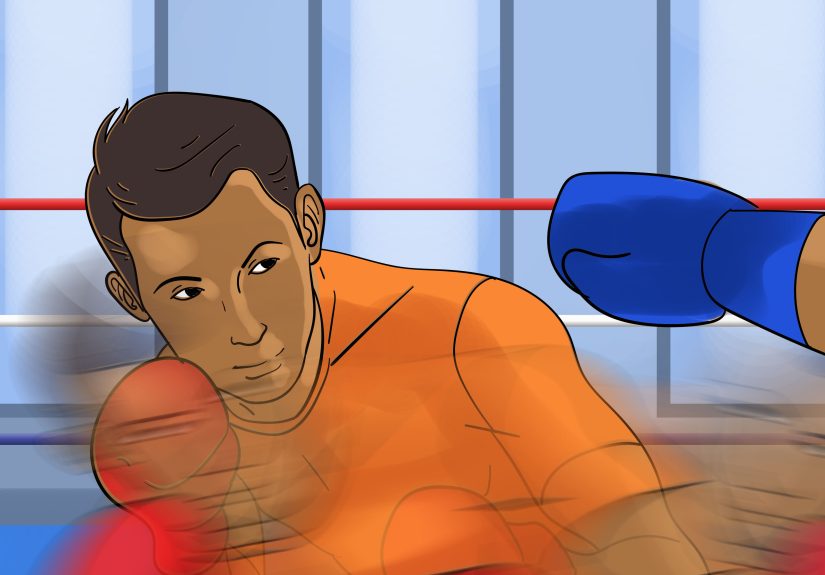
Bob is the level changedropping your height by bending your knees so a punch sails over your head. Weave is the side-to-side shift that moves your head off the center line as you come under and around the punch. Put together, your head and torso travel in a small “U” or “V” path, not a giant roller-coaster loop.
The goal isn’t to do a dramatic squat like you’re searching for a contact lens on the canvas. The goal is to move just enough to make punches miss while staying in balance and in position to punch back.
When to Use Bobbing and Weaving (And When Not To)
Bobbing and weaving shines most against hooks and wide punches where going under makes sense. It also helps you close distance against a longer opponentespecially if you’re an infighter who wants to work inside.
But here’s the honest truth: you don’t want to bob and weave everything. If you dip at the wrong time, you can run into uppercuts, knees (in other combat sports), or just fatigue yourself doing cardio for no reason. Think of bob and weave as a tool in your defensive toolboxpowerful, but not your only screwdriver.
How to Bob and Weave in Boxing: 12 Steps
Step 1: Start in a Stable Boxing Stance
Before you move your head, your base has to be trustworthy. Stand with feet about shoulder-width, knees soft, and weight balancednot glued to your heels. Your stance should feel like you could punch, defend, or move in any direction without needing a “loading screen.”
Tip: If you bob and weave and your feet feel stuck, your stance is too narrow or your weight is sitting too far back.
Step 2: Keep Your Guard Up and Your Eyes Forward
Hands up, elbows inclassic. The most common beginner glitch is dropping the rear hand while dipping, which turns your face into an open house. Keep your gloves near cheek level, and keep your eyes on your opponent’s chest/shoulders so you can read punches early.
You’re not looking down at the floor. The floor has never thrown a jab in its life.
Step 3: Learn the “Knees, Not Waist” Rule
If there’s one rule to tattoo on your brain (with a washable marker), it’s this: bob and weave comes from your legs. You bend at the knees and hips like a controlled athletic squat. If you fold at the waist, you lose balance, your head drifts forward, and uppercuts become your new problem.
Think: “Drop straight down a little,” not “bow to the boxing gods.”
Step 4: Make the Movement Small on Purpose
New boxers tend to weave like they’re avoiding rain in a hurricanehuge, slow, and dramatic. Real bobbing and weaving is compact. Move your head just enough so the punch misses cleanly. Smaller movement means you recover faster, counter faster, and waste less energy.
Quick check: If your shoulders end up way past your knees, you’re overdoing it.
Step 5: Practice the Path: Down, Across, Up
Picture the path your head takes as a tight “U.” You drop under the line of the punch, shift your head to the safe side, then rise back up ready to punch. The key is that you come back up into a punching stance, not into a twisted pose that belongs in modern dance.
Say it in your head: down → across → up. Smooth, not jerky.
Step 6: Time It to the Punch (Don’t Go First)
Bobbing and weaving works best when it’s a reaction to real threats, not a random rhythm that tells your opponent, “Hey, I’m about to dip now!” Wait until you see the punch beginshoulder turn, elbow flare, weight shiftand then slip under it.
If you bob on autopilot, a smart opponent will simply aim where you’re headed.
Step 7: Use Footwork to Stay in Range
Head movement without footwork can turn into “dodging while drifting away.” When you weave, take a small step to maintain distance or create an angle. This is especially important if you’re weaving under a hook: you want to end up beside the punch, not directly in front of the next one.
Example: Weave under a left hook and let your feet nudge you slightly toward the opponent’s outside linenow you’re set up to counter.
Step 8: Finish Balanced, Not Squared Up
At the end of the weave, your body should still be in a fighting stancehips under you, feet under you, and shoulders not squared straight to your opponent. Squaring up makes you easier to hit and harder to punch with power.
If you feel like you could be gently pushed and you’d topple, you’re not balanced yet.
Step 9: Add a Simple Counter (Because Defense Should Pay Rent)
A bob and weave that doesn’t create offense is like a smoke alarm that only screams and never helps you exit the building. The moment you come up from the weave is a prime counter window.
Classic counters: come up with a hook to the body, a hook upstairs, or an uppercutdepending on where you end after the punch misses. Start simple: weave → single counter. Then build into combinations later.
Step 10: Drill It with a Slip Rope (Or a DIY Setup)
The slip rope drill is the fastest way to make bobbing and weaving feel natural. String a rope (or even a line of tape, pool noodle, or band) at about head height. Move forward and back while weaving under the line. Keep your steps small and your posture athletic.
Start without punching. Then add: weave → jab/cross → weave → hook. The rope doesn’t lie. If you pop up too high or dip too low, it’ll call you out immediately.
Step 11: Train the Engine: Legs, Core, and Neck Stability
Good bob and weave is powered by your lower body. Build strength and endurance with squats, lunges, and controlled rotational core work. You also want neck stability (not “wrestler bridging your way into danger,” just smart strengthening) so your head stays controlled when you move and when you absorb light contact in training.
When your legs get tired, your technique gets sloppyand sloppy head movement is how people get clipped.
Step 12: Pressure-Test It Safely (Pads, Then Light Sparring)
Start with coach-led drills: mitts, controlled hook feeds, and predictable patterns. Then progress to light, supervised sparring only when your fundamentals are consistent. The goal is to practice the decision-making: when to weave, when to slip, when to step out, and when to block.
Golden rule: if your bob and weave makes you panic-breathe or lose your guard, slow down. Speed comes after control.
3 Drills That Make Bob and Weave Feel Automatic
1) The Rope Walk
Set a rope at head height. Move down the line: weave under → step → weave under → step. Keep your eyes forward and your hands up. Your head should travel in a compact U-shape, and your feet should keep you balanced.
2) Hook Feed + Counter (Partner or Coach)
Have a partner slowly feed a left hook. You weave under and come up with a single counter to the body. Reset. Repeat. Then alternate sides. This teaches timing and makes the counter part of the movement, not an afterthought.
3) Shadowboxing with “After-Punch Head Movement”
Throw a 1–2 (jab–cross) and immediately bob and weave to a new angle. This builds the habit of moving your head after you punch, not standing still admiring your work like it’s an art exhibit.
Common Mistakes (AKA How People Turn a Good Move Into a Bad Day)
- Bending at the waist: you lose balance and invite uppercuts.
- Going too low: you waste energy and can’t counter fast.
- Dropping your hands: the fastest route to getting tagged.
- Weaving in a predictable rhythm: opponents time patterns.
- Moving into the punch: your head should move to safety, not into the glove’s GPS coordinates.
Safety Notes You Should Take Seriously
Boxing is a contact sport. Even with good technique, head impacts can happen, and medical groups have raised concerns about youth boxing because the sport includes intentional blows to the head. If you’re under 18, train with a qualified coach, use proper protective gear, keep sparring controlled and supervised, and talk with a parent/guardian about what level of contact is appropriate.
If anyone shows signs of a concussion after a hitfeeling “not right,” headache, dizziness, confusion, nausea, light sensitivity, or balance problemsstop training and get medical guidance. Don’t “tough it out.” The toughest move is making the smart call.
Putting It All Together
Mastering bob and weave is less about being flashy and more about being efficient. Small level changes, clean angles, and a balanced finish turn defense into offense. If you train it with a rope, reinforce it with partner drills, and keep your counters sharp, you’ll start to feel why this move has been a staple for generations of fighters.
And remember: if your bob and weave looks like you’re trying to avoid a low ceiling fancongrats, you’re moving… but now let’s make it boxing.
of Real-World “Experience” From the Gym Floor
Ask a room full of boxers what bobbing and weaving feels like when you’re first learning it, and you’ll hear the same theme: awkward at first, magical later. Beginners often expect it to be a head tricklike the secret is “move your head faster.” Then they try it and realize their legs are doing all the work, their thighs are burning, and their balance is negotiating a hostile takeover. That moment is actually good news: it means you’ve discovered the truth that experienced fighters already knowgreat head movement is built from the ground up.
A common early experience is “I weaved and still got hit.” That usually happens for one of three reasons: the movement was too big and slow, the guard dropped, or the weave went the wrong direction. In a real exchange, punches come in combinations, not single-file lines like polite commuters. So when you weave under a hook, the follow-up might be a straight shot or another hook. This is why coaches keep hammering the idea of finishing in stance. In the gym, you’ll often hear: “Don’t just get out of the wayget into position.” The best bob and weave doesn’t end with you feeling safe; it ends with you feeling dangerous.
Another classic experience: people fall in love with bobbing and weaving and start doing it constantly. At first, it feels like you’ve unlocked invisibility. You’re moving, your partner is missing, and your confidence skyrockets. Then the better boxer in the room calmly waits, times your dip, and taps you with an uppercut (lightly, if they’re nice). That lesson sticks. Most fighters go through that phase once, and it’s an important checkpoint: bob and weave is strongest when it’s reactive and selective, not a repetitive dance step.
The slip rope drill also has a “humbling arc.” In the beginning, you bump the rope, pop up too high, or dip so low you can’t see your own hands. Over time, something clicks: your body starts tracing the correct path without you forcing it. Your shoulders relax, your steps get quieter, and the movement becomes smootheralmost boring in the best way. That’s when bob and weave stops feeling like a trick and starts feeling like a rhythm you can use while punching.
Finally, many boxers talk about the confidence shift that comes with reliable head movement. You’re less afraid of stepping into range because you trust your ability to change levels and angles. That doesn’t mean you become recklessit means you become calm. And in boxing, calm is a superpower. When you can bob and weave with control, you’re not just “hard to hit.” You’re hard to predict, hard to time, and hard to discouragebecause every miss your opponent throws is an invitation for you to answer back.