Table of Contents >> Show >> Hide
- Quick Answer: Can You Actually Clean a Smoke Buddy?
- Before You Clean Anything: A Reality Check on Indoor Smoke
- What You’ll Need (Keep It Simple)
- How to Clean a Smoke Buddy (What’s Safe to Do)
- What Not to Do (If You Like Your Smoke Buddy)
- How Often Should You Clean It?
- When to Replace a Smoke Buddy: The Real Signs
- Replacement FAQs (Because Everyone Asks)
- Storage Tips That Actually Help
- If Your Goal Is Cleaner Indoor Air, Consider These Upgrades
- Troubleshooting: Common Problems & Fixes
- Extended Experiences: What People Notice After Living With a Smoke Buddy (500+ Words)
- Conclusion
A Smoke Buddy is basically a pocket-sized “personal air filter” designed to reduce odors and particles from exhaled smoke.
The idea is simple: exhale into the device, and the internal filter media (typically activated carbon and other filtration layers) traps a lot of what would otherwise linger in the air.
The not-so-simple part? People assume it’s like a water bottle: rinse it, dry it, and you’re back in business forever.
Spoiler: the filter core isn’t meant to be washedand trying to “deep clean” it usually shortens its life or makes it less effective.
This guide breaks down what you can clean (the plastic exterior and mouthpiece area), what you can’t realistically clean (the internal filter media),
and the best signs that it’s time to replace your Smoke Buddy. Along the way, we’ll keep it real: if your goal is healthier air, the best “filter” is still avoiding indoor smoke in the first place.
But if you already own one, you can at least keep the outer shell sanitary and know when it’s past its prime.
Quick Answer: Can You Actually Clean a Smoke Buddy?
You can clean the plastic body and mouthpiece areas with a lightly damp cloth. You generally cannot clean the internal filter media in a way that restores it to “like new.”
Once activated carbon and filtration layers are saturated, they need to be replaced (meaning the device is replaced/disposed, since most are not designed for filter swaps).
Why the inside can’t be “washed back to life”
Activated carbon works by adsorptionodor-causing compounds cling to its surface. Over time, those sites get used up.
Washing can move grime around, introduce moisture where it doesn’t belong, and reduce performance. In many consumer products, carbon stages are considered consumable.
Translation: you’re not “cleaning” the filter; you’re just giving it a bath it didn’t ask for.
Before You Clean Anything: A Reality Check on Indoor Smoke
Indoor smokewhether from tobacco, fires, candles gone rogue, or anything else that produces combustion byproductscan worsen indoor air quality.
Public-health organizations consistently recommend minimizing exposure, especially for kids, people with asthma, and anyone with heart or lung conditions.
If smoke is a frequent indoor guest, a better long-term strategy is ventilation plus a properly sized portable air cleaner (and, ideally, a smoke-free space).
What You’ll Need (Keep It Simple)
- Microfiber cloth or soft cloth
- Warm water
- Mild dish soap (optional, for exterior only)
- Cotton swabs (optional, for crevices)
- Paper towels for drying
Avoid harsh cleaners, bleach, alcohol flooding, or anything that could degrade plastic or seep into the filter area.
The goal is surface hygiene, not “filter resurrection.”
How to Clean a Smoke Buddy (What’s Safe to Do)
Step 1: Inspect it like a detective
Look for sticky residue around the mouthpiece, dust on the exterior, or grime in seams.
Then do a quick “function check” by gently blowing through (no need to go full hurricane).
If it’s already hard to push air through, that’s less a cleaning problem and more a replacement problem.
Step 2: Wipe the exterior plastic
Lightly dampen a cloth with warm water. Wipe the outside of the device, including the area you handle most.
If you want to use soap, put a tiny drop on the cloth (not directly on the device), then wipe again with a clean damp cloth to remove soap residue.
Dry with a towel right away.
Step 3: Clean the mouthpiece area (without soaking it)
The mouthpiece is the most “germ-friendly” partbecause mouths are basically tiny theme parks for microbes.
Use a slightly damp cloth or cotton swab to clean around the opening and any removable cap area.
Keep moisture minimal, and don’t pour water into openings.
Step 4: Let it fully air-dry (upright)
Set it upright in a dry area for a bit to make sure any surface moisture is gone.
Moisture trapped near the intake/outlet area can create odors that have nothing to do with “filter life” and everything to do with “oops, damp plastic.”
Step 5: Don’t forget your hands (seriously)
If you handle any device frequently, the simplest “maintenance hack” is washing your hands before and after use.
Oils and residue from hands end up on the plastic and can create that lingering “mystery smell” that makes you blame the filter.
What Not to Do (If You Like Your Smoke Buddy)
- Don’t rinse the internal filter media or run water through the device.
- Don’t soak it in a sink or bowl.
- Don’t blast it with cleaning sprays that can seep into openings.
- Don’t use heat (hair dryers, heaters, direct sun baking) to “dry it faster.” Heat can warp plastic and create new smells.
- Don’t try weird “refresh” tricks that add scented materials inside. That usually adds odorit doesn’t remove it.
How Often Should You Clean It?
For basic hygiene: wipe the exterior and mouthpiece area weekly if it’s used often, or monthly if it’s used occasionally.
If you’re sharing it (not ideal from a germ perspective), clean it after each useat least the mouthpiece area.
The key is consistency. A quick wipe is better than letting months of residue build up and then trying to “power wash” your way out of it.
When to Replace a Smoke Buddy: The Real Signs
1) It’s hard to blow through
This is the biggest, most reliable sign. As the filter media loads up with particles and odor compounds, resistance increases.
If normal airflow becomes a struggle, the device is telling you it’s done.
2) Odor control drops (even when the exterior is clean)
If the plastic is clean but odors are noticeably returning, the internal media is likely saturated.
You can wipe the shell all dayonce the carbon is spent, performance won’t bounce back the way you want.
3) The device smells “stale” all the time
Some lingering smell is expected over time, but if it’s persistently funky (especially when dry), that’s a strong clue the filter stage is saturated.
A musty smell can also mean moisture got where it shouldn’tanother reason to avoid rinsing or soaking.
4) It’s been used heavily for weeks/months
Lifespan varies a lot by frequency and intensity of use. Some users report weeks, others a few months.
A practical approach: if it’s daily use and airflow is changing, start planning for replacement sooner rather than later.
5) You’re using it for indoor air “cleanup” in a smoky environment
A small personal filter isn’t a whole-room air cleaner. If there’s frequent smoke in the environment (wildfire smoke, heavy cooking smoke, indoor tobacco smoke),
a portable air cleaner with HEPA (and, optionally, a substantial carbon stage) will do more for overall air quality.
In those situations, your Smoke Buddy may saturate faster because the surrounding environment is already loaded.
Replacement FAQs (Because Everyone Asks)
Can you replace just the filter?
Many Smoke Buddy-style devices are designed as disposable units rather than serviceable filter systems.
If your specific model doesn’t offer a filter replacement mechanism, treat it like a consumable: when it’s clogged or performance drops, it’s time.
How do you dispose of it?
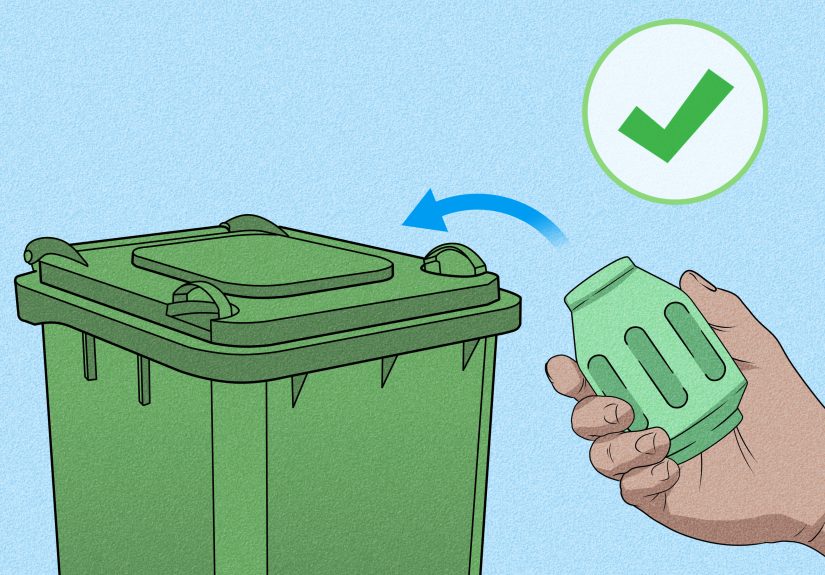
Follow local trash and recycling rules. Because the unit contains used filtration media, it’s often treated as household waste.
If you’re unsure, check your local municipality’s guidance for small plastic items and used filter products.
Is there a “best” way to make it last longer?
The safest, most straightforward way is keeping moisture out, keeping the mouthpiece area clean, and storing it in a dry, cool place.
Past that, the filter life is mostly dictated by use. No magic spell, no secret cheat codejust physics and carbon saturation.
Storage Tips That Actually Help
- Keep it dry: moisture can create odors and reduce comfort (and sometimes performance).
- Store it upright when possible to avoid residue pooling near openings.
- Avoid hot cars or direct sun for long stretches (plastic and heat are not best friends).
- Keep it away from strong smells (perfume, cleaning chemicals) that can “load” the carbon with non-smoke odors.
If Your Goal Is Cleaner Indoor Air, Consider These Upgrades
A Smoke Buddy is a small personal filter; it’s not a substitute for improving overall indoor air quality. If you’re dealing with ongoing smoke or odors indoors,
consider strategies backed by public-health and indoor-air guidance:
- Ventilation: bring in outdoor air when conditions allow.
- Portable air cleaner: choose a properly sized unit (HEPA is great for particles; carbon can help with some odors).
- Filter maintenance: replace air-cleaner filters when they look dirty or per manufacturer guidance.
- Smoke-free rules: the most effective “air filter” is preventing smoke indoors.
Troubleshooting: Common Problems & Fixes
Problem: “It smells weird, but airflow is okay.”
Try wiping the exterior and mouthpiece area and letting it air out in a dry place. If the smell persists, the internal media may be nearing saturationor moisture may have gotten inside.
If the odor is strong and permanent, replacement is the cleanest solution.
Problem: “Airflow suddenly got worse.”
A sudden jump in resistance can happen after heavy use or if the device has been exposed to dust and particles.
Since the filter media isn’t meant to be washed, your move is to replace it once airflow becomes consistently difficult.
Problem: “The plastic looks cloudy or sticky.”
That’s usually residue buildup. Clean the exterior with warm water on a cloth and a tiny bit of mild soap if needed. Avoid solvents that can damage plastic.
Extended Experiences: What People Notice After Living With a Smoke Buddy (500+ Words)
In real life, most people don’t start by thinking, “Ah yes, today I will master the fine art of personal air filter maintenance.”
They start because the device is convenient. It’s small, it’s simple, and it’s the kind of gadget you can toss in a drawer and forgetuntil the day it reminds you it exists.
Usually, that reminder arrives as a dramatic plot twist: you go to use it and suddenly it feels like you’re trying to inflate an air mattress with a coffee straw.
That’s the moment many users realize the device has a lifespan, and it’s not powered by positive vibes.
Another common experience is confusing “dirty plastic” with “spent filter.” The outside can get grimy from normal handling, and the mouthpiece area can collect residue over time.
A quick wipe makes the device feel fresh again, which leads to the hopeful belief that the filter is back to full strength too.
Sometimes it isif the only problem was surface gunk. But often, the real issue is internal saturation, which doesn’t reverse just because the shell is shiny.
People describe this as the “new phone case effect”: the outside looks brand-new, but the inside is still… the inside.
Storage habits make a bigger difference than many expect. Users who keep their Smoke Buddy in a dry drawer or a clean bag tend to report fewer “mystery odors.”
Users who toss it into a humid bathroom cabinet, a gym bag, or the trunk of a car in summer often notice it starts smelling stale faster.
Not because the carbon suddenly forgot its job, but because moisture and ambient smells can cling to or interact with the device’s materials.
A weird-but-true pattern: once something damp sits near the openings, people start blaming the filter when it’s really just trapped moisture doing what trapped moisture doesbeing unpleasant.
There’s also a learning curve around expectations. Some people expect a small personal filter to behave like a whole-room air purifier.
When they’re dealing with a genuinely smoky environmentsay, lingering cooking smoke, wildfire haze drifting indoors, or any space where smoke is consistently presentthe device can feel “overwhelmed.”
In those settings, people often end up upgrading their overall approach: they crack windows when outdoor air is safe, run a portable air cleaner, replace HVAC filters more diligently,
and treat the Smoke Buddy as one part of a larger plan rather than the main hero of the story.
The big takeaway they report is practical: small filters help with small, localized problems; big air quality problems need big solutions.
Finally, many users describe a surprisingly satisfying moment: the “retirement ceremony.”
Once airflow becomes noticeably difficult, continuing to use the device feels like fighting a losing battle. Replacing it brings instant relieflike swapping a clogged vacuum filter and suddenly your vacuum stops acting like it’s on strike.
People who track how long a unit lasts tend to get better at predicting replacement timing, and they stop trying to “fix” performance with aggressive cleaning attempts.
The experience becomes less stressful and more routine: wipe the exterior occasionally for hygiene, store it properly, and replace it when airflow and odor control clearly decline.
It’s not glamorous, but it’s effectiveand honestly, that’s what you want from a device whose whole job is to be quietly helpful.
Conclusion
Cleaning a Smoke Buddy is mostly about keeping the outer shell and mouthpiece area hygienicnot about restoring the internal filter media.
A gentle wipe with a damp cloth, minimal soap if needed, and a good dry-down will keep it pleasant to handle.
But when airflow becomes difficult or odor control drops, that’s your sign: the filter is saturated, and it’s time to replace the unit.
If you’re serious about cleaner air indoors, pair good habits (ventilation and smoke-free rules) with tools that move the needlelike a properly sized portable air cleaner.
Your lungs don’t care about gadgets; they care about what’s in the air.