Table of Contents >> Show >> Hide
- Why Carrots Turn Mushy in the First Place
- Start With Better Carrots
- How to Prep Carrots for Better Texture
- The Best Cooking Methods for Non-Mushy Carrots
- Timing Tips That Save Carrots From Disaster
- Common Mistakes That Make Carrots Mushy
- How to Cook Carrots Ahead of Time
- Best Seasonings for Carrots That Still Taste Like Carrots
- What “Perfect Carrot Texture” Actually Looks Like
- of Practical Kitchen Experience: What Home Cooks Learn About Non-Mushy Carrots
- Conclusion
If carrots had a dating profile, they would describe themselves as “sweet, dependable, and tragically misunderstood.” Too often, they end up boiled into submission, roasted into wrinkly sadness, or steamed until they surrender all structural integrity. But carrots do not have to live this way. When cooked properly, they can be tender, glossy, lightly caramelized, and still pleasantly firm in the center.
The secret is not some mysterious chef-only trick whispered over a stockpot. It is a combination of smart prep, the right cooking method, proper timing, and knowing when to stop. That last part matters most. Carrots go from perfect to mushy faster than people go from “I’ll just check one email” to “Why is it midnight?”
This guide breaks down exactly how to cook carrots without making them mushy, with practical tips for boiling, steaming, roasting, sautéing, glazing, and even working ahead for meal prep. You will also learn why cut size matters, how moisture affects texture, and what experienced home cooks notice after a few carrot-heavy dinners.
Why Carrots Turn Mushy in the First Place
Mushy carrots usually happen for one of four reasons: they are cut too small, cooked too long, crowded into a wet environment, or reheated without a plan. Carrots contain a lot of water, and once their structure breaks down too far, they lose that pleasant bite and become soft in a way nobody asked for.
The goal is not raw crunch, unless you are eating carrot sticks while pretending ranch dressing counts as a vegetable strategy. The goal is crisp-tender: soft enough to pierce with a fork, firm enough to hold shape, and flavorful enough that nobody leaves them lonely on the plate.
Another common issue is uneven size. If half your pan is thick carrot batons and the other half is thin coins, the thin pieces will overcook before the thicker pieces are ready. The result is a mixed bag of “almost perfect” and “baby food adjacent.” Uniform cuts solve a surprising number of carrot problems.
Start With Better Carrots
Texture problems sometimes begin before the stove even turns on. Fresh carrots are naturally firmer and easier to cook well. Older carrots can dry out, turn limp, or become more fibrous, which makes timing trickier. For the best results, choose carrots that feel firm, look smooth, and are not rubbery at the tips.
Medium carrots are usually the easiest to work with. Very large carrots can be woody or fibrous in the core, while tiny carrots cook so quickly that they can cross into mush territory before you have time to butter your bread. If you are using whole carrots, trim the tops and peel them if the skins seem thick or rough. If the carrots are young and clean, a good scrub may be enough.
Store carrots properly, too. If they sit around drying out in the refrigerator, they will not magically regain their crisp personality during cooking. Keep them cold, dry, and away from excess moisture.
How to Prep Carrots for Better Texture
Cut them evenly
This is the biggest non-dramatic secret. Cut carrots into even rounds, sticks, or diagonal slices so they cook at the same rate. If using whole carrots, halve or quarter thicker ones lengthwise so everything finishes together.
Do not cut them too thin
Super-thin carrot slices cook fast, but they also overcook fast. If you want more control, aim for medium slices or sticks instead of paper-thin coins. Slightly thicker pieces give you a bigger timing window and a better final bite.
Dry them well for roasting
If you are roasting carrots, dry them after washing. Wet carrots steam before they roast, and steam is great when you want tenderness fast, but not so great when you want caramelization and structure.
Salt with intention
A little salt helps bring out the carrots’ sweetness. Too much too early, especially in water-heavy cooking, can nudge them toward a softer finish. Season enough for flavor, but do not turn your pot into a science experiment.
The Best Cooking Methods for Non-Mushy Carrots
1. Roast them for the best flavor and texture
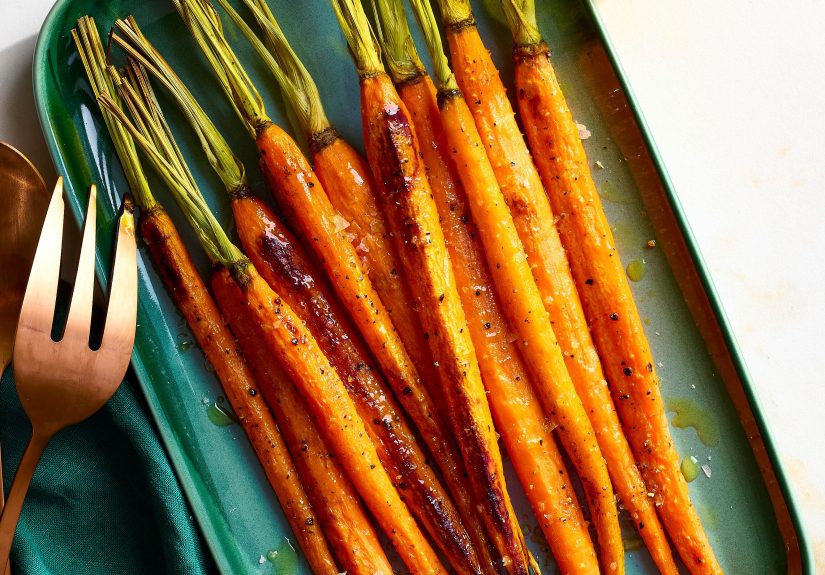
Roasting is the easiest way to make carrots taste like they belong at a holiday table and a weeknight dinner. High heat evaporates surface moisture, encourages browning, and concentrates sweetness. That means better flavor and less risk of soggy carrots.
How to do it:
- Preheat the oven to 400 to 425 degrees F.
- Cut carrots into even pieces.
- Toss with olive oil, salt, and pepper.
- Spread in a single layer with space between pieces.
- Roast 20 to 30 minutes, depending on size, tossing once halfway through.
The keys are heat and space. If the pan is crowded, the carrots steam instead of roast. If the oven is too cool, they soften before they brown. If the pieces are too small, they can shrivel before they develop that lovely roasted edge.
Want extra insurance? Roast on a metal pan rather than burying the carrots under layers of insulation and wishful thinking. Direct heat helps the outsides caramelize while the centers stay pleasantly firm.
2. Steam them when you want gentle control
Steaming is a strong choice when you want carrots that stay bright, clean-tasting, and nicely structured. Because the carrots are not submerged in water, they are less likely to become waterlogged.
How to do it:
- Bring an inch or two of water to a boil.
- Add carrots to a steamer basket.
- Cover and steam until crisp-tender.
- Start checking early, especially for thin slices.
For sliced carrots, this may take around 5 to 10 minutes depending on thickness. The important part is not worshipping the timer. Use the timer as a hint, then test. A fork should slide in with slight resistance. If the carrot collapses dramatically, you waited too long.
3. Boil them only if you keep it brief
Boiling has a bad reputation because it is the fastest route to mush when done carelessly. But careful boiling works. The trick is to use a small amount of boiling water, keep the pieces fairly large, and stop when they are just tender.
How to do it:
- Bring salted water to a boil.
- Add evenly cut carrots.
- Cook uncovered or lightly covered until crisp-tender.
- Drain promptly.
Do not leave boiled carrots sitting in hot water “just for a minute.” That minute has ruined many side dishes. Residual heat keeps cooking them, so drain as soon as they hit the texture you want.
4. Sauté or glaze them for fast, flavorful results
Sautéing and glazing are underrated carrot methods because they combine moisture control with flavor. Usually, the carrots cook in a skillet with a small amount of liquid, butter, stock, juice, or honey, then finish uncovered so the liquid reduces into a glossy coating.
This method works beautifully because you can watch the carrots closely. They become tender while still holding shape, then the liquid thickens instead of drowning them. It is basically the carrot version of getting dressed up without trying too hard.
Good flavor pairings include:
- Butter and honey
- Maple and black pepper
- Orange zest and thyme
- Brown butter and sage
- Garlic and parsley
5. Microwave them only if you watch the timing closely
Yes, the microwave can cook carrots well. No, it is not the glamorous answer. But it is fast and effective for busy nights. Add a little water, cover, and cook in short bursts. Stir once or twice and test early. The problem with microwaving is not quality; it is the temptation to hit “add 2 minutes” until the carrots become orange memory foam.
Timing Tips That Save Carrots From Disaster
If you remember only one thing from this article, let it be this: start checking early. Mushy carrots are rarely the result of a terrible recipe. They are usually the result of “I thought they needed just a little more time.”
Use these practical timing habits:
- Check roasted carrots 5 minutes before you think they are done.
- Check steamed carrots 2 minutes early.
- Drain boiled carrots the second they turn crisp-tender.
- For glazed carrots, reduce the liquid only until it coats, not until the carrots are simmering forever.
Also remember carryover cooking. Carrots continue softening slightly after they come off the heat, especially if they stay in a hot pan. Take them off when they are just shy of your ideal finish.
Common Mistakes That Make Carrots Mushy
Overcrowding the pan
Crowded carrots trap steam. Steam leads to softness before browning. Leave breathing room.
Using too much water
If carrots swim, they soften quickly and lose concentration of flavor. Use only what the method needs.
Cutting pieces too small
Thin carrots cook so fast they punish distraction. Bigger pieces are more forgiving.
Walking away
Carrots are not a slow-motion vegetable. They reward attention. This is not the moment to reorganize your spice drawer.
Reheating aggressively
Already-cooked carrots can go mushy during reheating. Warm them gently in a skillet or low oven instead of blasting them into oblivion.
How to Cook Carrots Ahead of Time
If you want to prep carrots for later, undercook them slightly. This is especially useful for holiday meals, meal prep lunches, or big family dinners where stove space is limited and someone is already arguing about the mashed potatoes.
For example, steam or boil carrots until almost tender, then cool them quickly. Later, finish them in a skillet with butter and herbs, or rewarm them in the oven just until hot. Roasted carrots can also be cooked almost all the way, cooled, and then reheated at high heat briefly to restore some edge and color.
If freezing carrots for future cooking, blanch them correctly first and cool them quickly. Proper blanching helps protect flavor, color, and texture, and quick freezing helps keep ice crystals smaller. That matters because large ice crystals can damage the cells and lead to a softer, mushier result after thawing.
Best Seasonings for Carrots That Still Taste Like Carrots
Carrots are naturally sweet, so they pair well with ingredients that add contrast. Acid, herbs, spice, and a little bitterness all help keep them interesting.
- Fresh herbs: dill, parsley, thyme, rosemary
- Acid: lemon juice, orange zest, balsamic vinegar
- Sweet accents: honey, maple syrup, brown sugar in small amounts
- Savory notes: garlic, cumin, coriander, black pepper
- Rich finishes: butter, brown butter, olive oil, yogurt sauce
The trick is balance. If you already roasted the carrots to bring out their sweetness, they may not need much additional sugar. Let the cooking method do some of the work.
What “Perfect Carrot Texture” Actually Looks Like
A perfectly cooked carrot is not crunchy like raw celery, and it is not soft like canned soup vegetables. It should be easy to bite through, keep a clean shape on the fork, and still feel lively rather than limp. The outside may be lightly browned, glossy, or buttery depending on the method, but the inside should not feel grainy, dry, or collapsed.
In other words, think “tender with backbone.” Carrots should have a little self-respect.
of Practical Kitchen Experience: What Home Cooks Learn About Non-Mushy Carrots
In real kitchens, the biggest lesson about carrots is that texture is usually lost in tiny moments, not big ones. A person roasts carrots for 25 minutes, opens the oven, sees that they look a little firm, and gives them another 10 without checking again. That second stretch is often where the trouble starts. The carrots are not ruined because roasting is a bad method. They are ruined because most vegetables do not send a formal warning letter before overcooking.
Another common experience happens on crowded sheet pans. Home cooks often pile carrots onto a tray with good intentions and limited dishes. It looks efficient. It feels practical. Then the carrots release moisture, steam each other, and come out soft instead of browned. People blame the recipe, but the real culprit is geometry. Carrots need space the way commuters need personal boundaries.
Many cooks also discover that thicker carrot pieces are more forgiving. Thin coins may seem convenient, but they can go from crisp-tender to floppy in what feels like three emotionally unstable minutes. Chunkier diagonal slices, batons, or halved whole carrots give better control. They also look nicer on the plate, which should not matter, but somehow always does.
There is also the issue of reheating. Plenty of cooks make carrots perfectly the first time, then sabotage them later by microwaving leftovers too long. Reheated carrots do best with gentle heat. A quick toss in a skillet with butter, a splash of water, or a little broth often brings them back better than a hard microwave blast. The goal is to warm them, not reenact their original cooking process.
Experience also teaches that flavor can trick people into overcooking. If carrots are underseasoned, cooks often leave them on the heat longer, hoping more cooking will somehow create more excitement. Usually it just creates softer carrots. The better move is to cook them properly, then add brightness with lemon, herbs, pepper, garlic, or a tiny drizzle of honey. Good seasoning fixes blandness more effectively than extra minutes ever will.
Another real-world observation: baby carrots are convenient, but whole carrots often give better texture and flavor. Whole carrots can be cut to the exact thickness you want, which makes timing easier. They also tend to roast more attractively and can develop better caramelization. Baby carrots are not the enemy, but they do sometimes cook unevenly, especially if some are much thicker than others.
Finally, the most experienced carrot cooks become testers, not guessers. They poke, taste, and check early. They do not treat timing as a legal contract. They know ovens vary, pans vary, and carrots absolutely vary. Two bunches that look nearly identical can cook differently because of age, moisture, or size. Once a cook starts treating doneness as something to observe instead of something to assume, mushy carrots become much less common.
So the real experience-based answer is simple: cook with attention, use the method that matches your goal, and stop earlier than your anxious inner perfectionist wants to. Carrots are sweetest when they still have a little bite left in them.
Conclusion
If you want to cook carrots without making them mushy, think like a texture strategist. Start with fresh carrots, cut them evenly, choose a method that controls moisture, and pull them from the heat while they are still crisp-tender. Roasting gives the best balance of sweetness and structure, steaming offers gentle control, boiling works when kept brief, and glazing turns simple carrots into something dinner guests mysteriously respect.
Most of all, stop cooking them before they lose their shape. Carrots do not need pity. They need timing.