Table of Contents >> Show >> Hide
- What Is a Blood Clot in Cats?
- How to Diagnose and Treat Blood Clots in Cats: 11 Steps
- Step 1: Recognize the Emergency Signs Immediately
- Step 2: Understand What a Feline Saddle Thrombus Usually Looks Like
- Step 3: Avoid Home Treatment and Get to a Veterinarian Fast
- Step 4: Expect a Focused Physical Exam First
- Step 5: Use Imaging and Cardiac Testing to Confirm the Diagnosis
- Step 6: Run Blood Work to Look for Complications
- Step 7: Start Pain Control and Stabilization Right Away
- Step 8: Use Antiplatelet or Anticoagulant Therapy Under Veterinary Supervision
- Step 9: Treat the Underlying Cause, Not Just the Clot
- Step 10: Support Recovery with Nursing Care and Physical Rehabilitation
- Step 11: Plan for Prognosis, Rechecks, and Recurrence Prevention
- How Veterinarians Tell a Blood Clot from Other Problems
- Common Mistakes Owners Make
- Can Blood Clots in Cats Be Prevented?
- Owner and Veterinary Experiences: What This Emergency Usually Feels Like
- Final Thoughts
If your cat suddenly cries out, drags one or both back legs, or starts breathing like they just ran a marathon they absolutely did not sign up for, do not chalk it up to “maybe she jumped funny.” A blood clot in cats is a true medical emergency. In feline medicine, the most famous villain in this story is the saddle thrombus, also called feline aortic thromboembolism. It happens when a clot forms, often in the heart, then travels and gets stuck where the aorta branches to the hind limbs. The result is fast, painful, and frightening.
The tricky part is that many cats look completely normal before this happens. No dramatic warning speech. No tiny memo taped to the fridge. One minute your cat is judging you from the sofa, and the next minute there is sudden pain, weakness, paralysis, cold paws, or open-mouth breathing. That is why learning the symptoms of blood clots in cats matters so much. Quick recognition, quick diagnosis, and quick veterinary treatment can make a real difference.
This guide walks through how veterinarians diagnose and treat blood clots in cats in 11 clear steps. It also explains what owners can do, what they should never do, and what recovery may look like afterward.
What Is a Blood Clot in Cats?
A blood clot is a clump of blood components that forms inside a vessel or heart chamber. In cats, the most devastating version is usually an arterial blood clot linked to heart disease, especially hypertrophic cardiomyopathy or HCM. With HCM, the heart muscle thickens, blood flow becomes less smooth, and clots are more likely to form in the enlarged left atrium. If part of that clot breaks free, it can travel down the bloodstream and lodge in a major artery.
Most people talking about blood clots in cats are really talking about a clot that blocks blood flow to the rear legs. That is why so many cats with this condition show sudden hind leg paralysis, severe pain, cold feet, or blue-tinted paw pads. Some cats also have congestive heart failure at the same time, which makes the situation even more urgent.
How to Diagnose and Treat Blood Clots in Cats: 11 Steps
Step 1: Recognize the Emergency Signs Immediately
The first step is not medical technology. It is noticing that something is badly wrong. Common signs of a blood clot in cats include sudden hind leg weakness or paralysis, crying out, panting, rapid breathing, anxiety, pale or bluish paw pads, and back legs that feel cool or cold. Some cats cannot stand. Others can stand for a second, then collapse like their rear end forgot the assignment.
If you see these signs, treat it as an emergency. Do not wait overnight. Do not “monitor and see.” Do not search for miracle home remedies while your cat stares at you in pain. A saddle thrombus is one of those conditions where minutes and hours matter.
Step 2: Understand What a Feline Saddle Thrombus Usually Looks Like
Not every blood clot looks identical, but the classic pattern is dramatic. A cat may suddenly lose use of one or both hind legs. The affected muscles can feel hard or tense, and the femoral pulses in the groin may be weak or absent. The tail may still move. Sometimes only one leg is affected, which can make the problem look like an orthopedic injury at first glance.
Other clot locations are possible too. A clot can affect a front limb, an organ, or, more rarely, the brain. But the rear-leg pattern is the one most owners and veterinarians recognize fastest. If your cat also has rapid breathing, open-mouth breathing, or obvious respiratory distress, there may be concurrent heart failure, which raises the stakes right away.
Step 3: Avoid Home Treatment and Get to a Veterinarian Fast
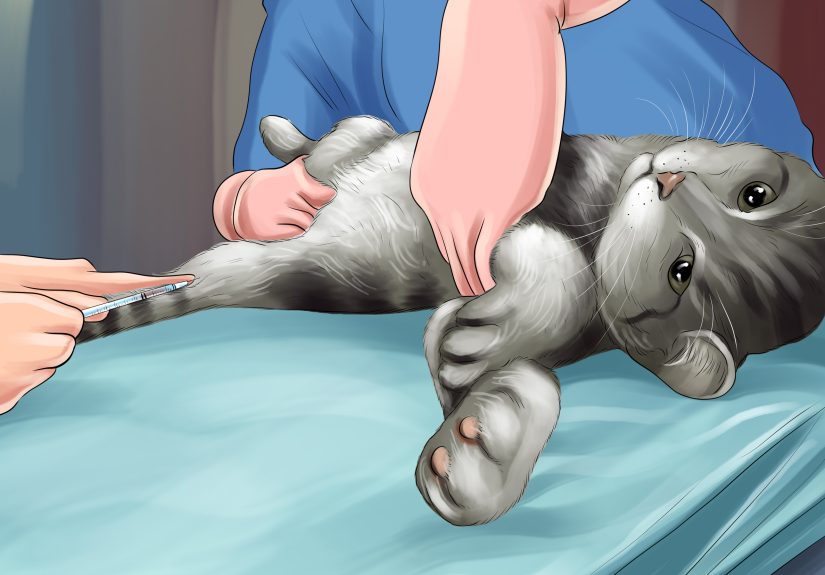
This is not a “Google it and try a warm towel” problem. Blood clot treatment in cats belongs in a veterinary hospital, often an emergency or specialty hospital. Do not massage the legs. Do not force walking. Do not give aspirin, ibuprofen, acetaminophen, or any human pain medicine unless a veterinarian explicitly prescribed something for your cat. Human medications can be dangerous or fatal to cats, and guessing wrong here is a terrible hobby.
Keep your cat as calm and still as possible during transport. Use a carrier with a soft towel, minimize stress, and call ahead if you can so the clinic is ready when you arrive.
Step 4: Expect a Focused Physical Exam First
Veterinarians often suspect feline aortic thromboembolism from the physical exam alone. They will look at limb temperature, paw pad color, pain level, ability to move the legs, muscle tone, and whether pulses can be felt in the affected limbs. They will also listen for heart murmurs, gallop rhythms, or irregular beats, because underlying heart disease is common even if it was never diagnosed before.
This exam matters because a blood clot in cats can be confused with trauma, spinal injury, or neurological disease. A careful assessment helps separate a true vascular emergency from other causes of sudden paralysis.
Step 5: Use Imaging and Cardiac Testing to Confirm the Diagnosis
Once the cat is stable enough, the diagnostic workup usually expands. Chest X-rays help veterinarians evaluate the heart and lungs and check for congestive heart failure. An echocardiogram, or heart ultrasound, is one of the most useful tests because it can identify cardiomyopathy, left atrial enlargement, and other structural heart problems.
Doppler blood flow readings or ultrasound of the terminal aorta may be used to confirm poor blood flow to the hind limbs or identify the location of the clot. Some cats also need an ECG to look for arrhythmias. If the cat has suspected HCM, additional testing may include blood pressure and thyroid screening, since high blood pressure and hyperthyroidism can complicate cardiac disease.
Step 6: Run Blood Work to Look for Complications
Blood work does not magically point to the clot with a neon sign, but it helps veterinarians understand how much collateral damage is happening. Muscle injury from poor blood flow can drive enzyme changes. Potassium may rise, especially when blood flow begins to return to oxygen-starved tissues. Kidney values, hydration status, acid-base changes, and clotting parameters may also influence treatment decisions.
This matters because the danger is not only the clot itself. Reperfusion injury, electrolyte abnormalities, and concurrent heart failure can all affect survival. In other words, the clot may open the door, but the metabolic chaos behind it is the party nobody wanted.
Step 7: Start Pain Control and Stabilization Right Away
One of the biggest priorities in treating blood clots in cats is aggressive pain management. These clots are extremely painful. Cats are often hospitalized for opioid-based pain control, oxygen therapy if needed, gentle handling, temperature support, and monitoring. If congestive heart failure is present, the veterinary team may also treat fluid in or around the lungs and adjust circulation support carefully.
Handling of the affected legs is usually minimal at first. The goal is stabilization, not turning the exam room into a feline CrossFit studio. Cats may also need help with eating, urination, defecation, and preventing secondary complications from immobility.
Step 8: Use Antiplatelet or Anticoagulant Therapy Under Veterinary Supervision
Medication is a cornerstone of treatment, but the exact protocol depends on the cat’s condition and the hospital’s approach. Commonly used drugs include clopidogrel and different forms of heparin. These medications are intended to reduce additional clotting and lower the risk of recurrence. In cats with cardiac disease and prior thromboembolism, clopidogrel is widely used for long-term prevention.
Some referral centers may consider thrombolytic drugs, but these are not routine first-line solutions for every case. They can carry significant risks, including reperfusion complications, and are typically reserved for specialized settings. Surgical clot removal is also generally not the standard option in most cases because these cats are often medically fragile.
Step 9: Treat the Underlying Cause, Not Just the Clot
A clot is often the headline, but heart disease is usually the publisher. Most cats with arterial blood clots have underlying cardiomyopathy, especially HCM, though other contributors like hyperthyroidism, cancer, sepsis, or other systemic disease can be involved. That means treatment has to include management of the root problem.
If HCM or congestive heart failure is diagnosed, the veterinarian may prescribe a longer-term plan that includes cardiac medications, anti-clot drugs, recheck imaging, and home monitoring. Without addressing the underlying disease, the risk of another episode remains high.
Step 10: Support Recovery with Nursing Care and Physical Rehabilitation
If the cat survives the initial crisis and circulation improves, recovery becomes a marathon instead of a sprint. Some cats begin to regain function over days to weeks. Others recover only partially. Supportive care may include gentle passive range-of-motion exercises once the veterinarian says it is safe, help getting to the litter box, bedding that protects skin and joints, and close monitoring of appetite and hydration.
Owners should also watch for pressure sores, worsening pain, inability to urinate, and signs of breathing trouble. Some cats need a quieter room, lower-sided litter boxes, and temporary assistance with basic daily life. This is one of those moments when your cat becomes both patient and tiny, angry supervisor.
Step 11: Plan for Prognosis, Rechecks, and Recurrence Prevention
The prognosis for blood clots in cats is guarded to poor overall, but it is not identical for every patient. Cats with one limb affected may do better than cats with both hind limbs involved. Cats that arrive severely hypothermic, have congestive heart failure, or lack motor function below the knees often have a tougher road. Recurrence is also a real concern, which is why long-term prevention matters.
Follow-up care commonly includes repeat blood work, chest X-rays, cardiac ultrasound, and medication adjustments. At home, owners may be asked to monitor resting breathing rate, appetite, mobility, and general comfort. A cat that has had one thromboembolic episode usually earns permanent membership in the “please watch me very carefully” club.
How Veterinarians Tell a Blood Clot from Other Problems
One reason cat blood clots are so dangerous is that they can mimic other emergencies. A spinal injury can cause rear-leg weakness. A fracture can cause pain. Neurological disease can cause dragging or stumbling. The difference is that a blood clot often produces a very specific combination: sudden pain, cold limbs, pale or bluish paw pads, and weak or absent pulses.
That is why the diagnostic approach is layered. The veterinarian uses the physical exam, pulse checks, Doppler or ultrasound, heart imaging, chest radiographs, and blood work together. It is not just about proving a clot exists. It is about discovering why it happened and whether the heart, lungs, kidneys, or electrolytes are also in trouble.
Common Mistakes Owners Make
- Assuming the cat pulled a muscle or landed wrong.
- Waiting to see if leg function comes back on its own.
- Giving human pain medication or leftover pet medication.
- Skipping the heart workup once the legs start to improve.
- Stopping anti-clot medication early because the cat “seems better.”
- Ignoring faster breathing at home after discharge.
In many cases, the blood clot is only one part of a broader heart disease picture. Missing that part can lead to repeat crises.
Can Blood Clots in Cats Be Prevented?
You cannot prevent every blood clot in cats, especially because some cats have silent heart disease and look perfectly healthy until the day they do not. Still, prevention is possible in some high-risk cats. Early diagnosis of HCM or other cardiomyopathy, routine rechecks, cardiac ultrasounds when indicated, and prescribed anti-thrombotic medication can lower risk.
Clopidogrel is commonly favored in cats with prior cardiogenic arterial thromboembolism, and some specialists may consider combination strategies in selected cases. Prevention is never a magic shield, but it is far better than pretending the heart will sort things out politely on its own.
Owner and Veterinary Experiences: What This Emergency Usually Feels Like
In real-world practice, the experience of a cat blood clot is often described the same way: sudden, shocking, and nothing like a slow-burn illness. Owners frequently say the episode began with a scream or a cry that did not sound normal. The cat may have been walking, jumping off a couch, or simply resting, and then suddenly the back end stopped working. One moment looked ordinary; the next looked like a disaster movie directed by chaos.
At home, many owners first think it is a broken leg, a spinal injury, or maybe a seizure. Then they touch the paws and notice the feet feel cold. They see the cat trying to move but not getting anywhere. Some cats pant, some hide, some stare with that wide-eyed look that says, “This is very bad, human.” In many cases, there was no earlier diagnosis of heart disease, which makes the event feel even more unfair. Families often say the hardest part is how abruptly it arrives.
From the veterinary side, these cases tend to trigger a rapid shift into emergency mode. The staff usually moves quickly to assess pulses, pain, breathing effort, and body temperature. There is often a balancing act between explaining the seriousness of the condition and keeping the owner from completely unraveling in the lobby. Blood clots in cats are emotional cases because the pain is obvious, the prognosis can be uncertain, and decisions sometimes have to be made fast.
For cats that are treated, the first day is often about pain relief, stabilization, and watching for complications. Owners may see tiny signs of hope that feel enormous, like a paw becoming warmer, a toe moving, or the cat finally resting after severe pain control begins. But the recovery phase can be slow and uneven. Some cats improve steadily. Others plateau. Some recover enough to walk again, though maybe with weakness or a changed gait. Some need help using the litter box, need appetite support, or need a carefully quiet room at home because their body is recovering but their dignity is still extremely offended.
Owners who have gone through it often describe the home-care period as intense but meaningful. They count breaths while the cat sleeps. They learn how to give medications with the precision of a pharmacist and the diplomacy of a hostage negotiator. They celebrate small victories: standing for a few seconds, making it to the food dish, getting one leg under control again, purring for the first time after the crisis. These details matter because recovery from a saddle thrombus is not usually one dramatic movie scene. It is a pile of tiny moments that add up.
Veterinarians also see the other side: cats who arrive colder, more compromised, or in heart failure, where the outlook is much worse. In those cases, families sometimes choose euthanasia because the pain is severe and the chance of meaningful recovery is low. Those decisions are heartbreaking, but they are also deeply loving when made to prevent suffering. So the “experience” of blood clots in cats is not one-size-fits-all. It ranges from crisis and recovery to crisis and goodbye.
What nearly all experiences share is this lesson: fast action matters. Owners who recognize the signs quickly, seek emergency care immediately, and follow through with heart disease management give their cats the best possible shot. Blood clots in cats are one of the scariest emergencies in feline medicine, but informed owners are not powerless. They are often the reason a cat gets help in time.
Final Thoughts
Diagnosing and treating blood clots in cats requires speed, skill, and a realistic understanding of what is happening inside the body. A saddle thrombus is not just a leg problem. It is usually a cardiovascular emergency tied to underlying heart disease, often HCM, and it can affect pain, breathing, circulation, metabolism, and long-term survival all at once.
The best strategy is simple, even if the condition is not: recognize the signs early, get emergency veterinary care fast, allow a full diagnostic workup, commit to supportive care, and take recurrence prevention seriously. Cats may be masters of acting fine when they are absolutely not fine, but a blood clot is one condition that usually tears the mask off in a hurry. When it does, quick action gives your cat the best chance possible.