Table of Contents >> Show >> Hide
- The Short Answer: Can You Dissolve a Blood Clot in Your Leg at Home?
- What Is a Leg Blood Clot, Exactly?
- When to Get Medical Help Right Away
- How Doctors Treat Blood Clots in the Legs
- Remedies That Support Recovery, But Do Not Dissolve the Clot
- What Does Not Reliably Dissolve a Leg Clot?
- How Doctors Diagnose a Blood Clot in the Leg
- What Recovery Can Look Like
- How to Help Prevent Another Blood Clot
- Bottom Line
- Experience-Based Section: What Recovery Often Feels Like in Real Life
- SEO Tags
If you typed this into a search bar because your leg is swollen, sore, warm, and acting suspicious, here is the plain-English truth: a deep blood clot in the leg is not a “wait and see while sipping herbal tea” kind of situation. It may be a deep vein thrombosis, or DVT, and while the internet loves miracle fixes, real treatment usually starts with medical care, not kitchen magic.
The good news is that doctors have effective ways to treat leg blood clots. The less-fun news is that most home remedies do not actually dissolve the clot. Instead, they support recovery, reduce discomfort, and help prevent complications while your body and the right treatment do the heavy lifting. In other words, your calf is not asking for a detox. It is asking for a proper plan.
The Short Answer: Can You Dissolve a Blood Clot in Your Leg at Home?
Usually, no. A true DVT is most often treated with anticoagulants, commonly called blood thinners. These medications do not directly melt the clot like an ice cube in July. Their job is to keep the clot from getting larger and reduce the risk of new clots forming while your body slowly breaks down the existing clot over time.
In more serious or select cases, doctors may use thrombolytics, often called clot-busting drugs, or procedures such as catheter-directed thrombolysis, thrombectomy, or other clot-removal techniques. Those treatments are generally reserved for extensive clots, limb-threatening situations, or cases where the risk of complications is especially high.
So if your question is, “What dissolves blood clots in the legs?” the medically honest answer is this: sometimes the body clears them gradually with help from anticoagulants, and sometimes specialists use clot-dissolving drugs or procedures. What does not count as a reliable DVT treatment? Random supplements, massage guns, social-media hacks, or a determined attitude.
What Is a Leg Blood Clot, Exactly?
A DVT is a blood clot that forms in a deep vein, most often in the lower leg, thigh, or pelvis. It can partially or completely block blood flow. The real danger is not just the clot staying put and making your leg miserable. The major risk is that part of the clot can break loose and travel to the lungs, causing a pulmonary embolism, or PE. That is when the situation goes from annoying to emergency-room-level serious.
Common symptoms of a leg clot may include:
- Swelling in one leg
- Pain or tenderness, often in the calf
- Warmth in the affected area
- Redness or skin discoloration
- A heavy, tight, or aching feeling in the leg
Risk factors can include recent surgery, injury, long periods of immobility, major illness, cancer, pregnancy, certain medications, smoking, and a personal or family history of clotting problems. Long-distance travel can also raise the risk, especially when it comes with hours of sitting and very little movement.
When to Get Medical Help Right Away
If you have symptoms of a possible DVT, you need prompt medical evaluation. And if you also have any signs of a pulmonary embolism, this becomes urgent. Call emergency services or seek immediate care if you have:
- Shortness of breath
- Chest pain, especially with breathing
- Coughing up blood
- Lightheadedness or fainting
- A very fast heartbeat
This is not the moment to crowdsource advice from your cousin’s roommate’s wellness podcast.
How Doctors Treat Blood Clots in the Legs
1. Anticoagulants: The Main Treatment
For most people with DVT, anticoagulants are the first-line treatment. These medicines help prevent the clot from growing and lower the risk that new clots will form. Common examples include heparin, enoxaparin, warfarin, apixaban, and rivaroxaban. Which one you get depends on your health history, kidney function, pregnancy status, cancer history, bleeding risk, and how quickly treatment needs to begin.
Many people stay on anticoagulants for at least three months. Some need them for a shorter window tied to a temporary trigger, such as surgery or an injury. Others need longer treatment if the clot was unprovoked, if they have repeated clots, or if they have an ongoing risk factor.
The catch is obvious but important: these medications can increase bleeding risk. That means follow-up matters, dose instructions matter, and “I’ll just stop taking this because I feel better” is a terrible plot twist.
2. Thrombolytics: The True Clot-Busters
When people talk about dissolving a clot, this is usually what they mean. Thrombolytics are medicines designed to break up clots more quickly. They are not used for every DVT because they can cause serious bleeding. Instead, they are generally considered for select patients with severe symptoms, very large clots, limb-threatening DVT, or emergencies involving the lungs.
These drugs may be given through an IV or delivered directly to the clot through a catheter. They can be extremely helpful in the right scenario, but they are specialist-level tools, not casual prescriptions.
3. Catheter-Based Treatment and Thrombectomy
Some patients need a more targeted approach. With catheter-directed therapy, a doctor threads a thin tube into the vein to deliver medicine directly into the clot, break it up, or remove part of it. Mechanical thrombectomy is another option in selected cases, especially when doctors are trying to preserve blood flow, protect the limb, or reduce long-term vein damage.
These procedures are more common with extensive clots in larger veins, severe swelling, or cases where symptoms are escalating fast. They are not routine for every DVT, but for the right patient they can be a very big deal in a very good way.
4. IVC Filters
If someone cannot safely take anticoagulants, a doctor may consider an inferior vena cava, or IVC, filter. This small device is placed in a major vein to help stop a clot from traveling to the lungs. It is not a first-choice treatment for most people, and it does not remove the existing clot. Think of it more as a defensive line than a cleanup crew.
Remedies That Support Recovery, But Do Not Dissolve the Clot
Now we get to the “remedies” part of the headline, with one giant asterisk. These steps may help symptoms, recovery, and prevention, but they are not substitutes for actual DVT treatment.
Walk and Move as Directed
In many cases, once treatment has started and your clinician says it is safe, walking is encouraged. Gentle movement helps circulation and may reduce some of that heavy, tight, log-in-a-pants-leg feeling. Bed rest used to be more common advice. Today, early movement is often part of recovery unless your medical team says otherwise.
Use Compression If Your Clinician Recommends It
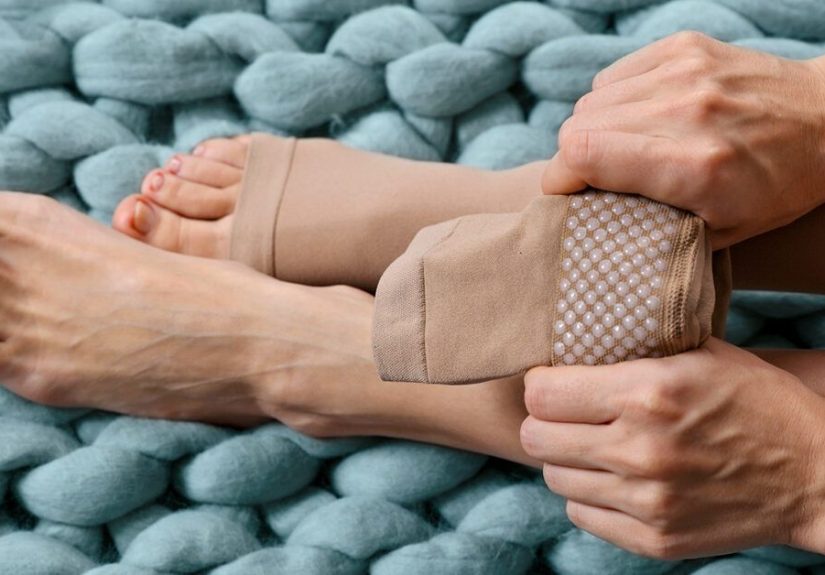
Compression stockings may help reduce swelling and discomfort in some people. They are also part of management for post-thrombotic syndrome, a long-term complication that can cause leg pain, heaviness, swelling, and skin changes after DVT. The key phrase here is if your clinician recommends it. Compression can be helpful, but the timing and type should fit the situation.
Elevate the Leg
Raising the leg above heart level at intervals can help reduce swelling and improve comfort. It is not glamorous, but neither is hobbling around with a leg that feels like it secretly swallowed a watermelon.
Stay Hydrated and Avoid Long Periods of Sitting
Hydration supports overall health, and regular movement matters even more. If you are working at a desk, traveling, or recovering from illness, set reminders to stand up and move around. The calf muscles help pump blood back toward the heart. They are basically your lower-leg backup crew, and they deserve more credit.
Follow Your Medication Plan Exactly
This may be the least exciting remedy and the most important one. Taking anticoagulants exactly as prescribed is what helps prevent the clot from worsening. Missing doses, doubling up without instructions, or stopping early can quickly turn a manageable problem into a dangerous one.
What Does Not Reliably Dissolve a Leg Clot?
Let us bust a few myths before they bust your timeline.
- Massage: Deep pressure on a leg with a suspected or confirmed clot is not a smart DIY move.
- Supplements and herbal cures: No reputable medical evidence says they can safely dissolve a DVT at home.
- Heat, wraps, or trendy gadgets: They may feel soothing, but they are not definitive treatment.
- Ignoring it because the pain comes and goes: Symptoms can be inconsistent. The risk is still real.
If you suspect a blood clot, the mission is not to “hack” the clot. The mission is to get diagnosed and treated.
How Doctors Diagnose a Blood Clot in the Leg
A leg clot cannot be diagnosed by vibes alone. Doctors typically use a physical exam, your symptom history, and imaging tests. Ultrasound is the usual first test for suspected DVT. In some cases, blood tests and additional imaging are used depending on the location of the clot and the overall picture.
This matters because calf pain can come from many causes, including muscle strain, cysts, vein issues, or injuries. Guessing wrong is easy. Getting checked is smarter.
What Recovery Can Look Like
Recovery is not the same for everyone. Some people feel better within days to weeks after starting treatment. Others have lingering swelling, tenderness, or fatigue in the affected leg for longer. A clot may shrink gradually, organize, or leave behind some damage to the vein valves even after treatment has done its job.
That is one reason post-thrombotic syndrome can happen. Symptoms may include heaviness, swelling, aching, itching, skin discoloration, or discomfort that worsens with standing. It is not a sign that treatment failed. It is more like the unwanted sequel no one asked for, but one that can often be managed with compression, movement, leg elevation, and follow-up care.
How to Help Prevent Another Blood Clot
Preventing recurrence is a huge part of the long game. Helpful strategies may include:
- Taking anticoagulants for the full prescribed duration
- Moving regularly during travel or desk work
- Following recovery instructions after surgery or hospitalization
- Wearing compression garments if your clinician recommends them
- Managing risk factors such as smoking, obesity, and immobility
- Keeping follow-up appointments, especially if you have ongoing clotting risk
If you have had one clot, future travel, surgery, pregnancy, hormone therapy, or periods of reduced mobility may require a prevention plan. That plan should come from a clinician, not from a random comment section where someone swears celery juice fixed everything.
Bottom Line
So, how do you dissolve blood clots in your legs? In most cases, you do not dissolve them at home. You get evaluated, start appropriate treatment, and let anticoagulants help stop the clot from growing while your body gradually breaks it down. In more severe cases, doctors may use thrombolytic drugs or catheter-based procedures to actively dissolve or remove the clot.
Home remedies have a supporting role, not a starring one. Walking, compression, leg elevation, hydration, and careful follow-up can all help during recovery. But if you think you have a DVT, the smartest remedy is quick medical care. That is not dramatic. That is just good survival strategy.
Experience-Based Section: What Recovery Often Feels Like in Real Life
The stories below are composite, experience-based examples drawn from common real-world recovery patterns described in U.S. patient education and clinical care settings. They are illustrative, not individual medical cases.
One common experience starts with confusion. A person thinks they pulled a calf muscle after a workout, a road trip, or a long day at work. The leg feels sore, then tight, then oddly warm. By evening it looks a little more swollen than the other leg. They tell themselves it is probably nothing because “nothing” is cheaper and less annoying than urgent care. Then the pain keeps showing up when they walk, and the leg starts to feel heavy instead of simply sore. That moment, when ordinary discomfort turns into something that feels off in a very specific way, is when many people finally seek help.
Another common experience happens after diagnosis: relief mixed with fear. Relief, because there is finally an explanation. Fear, because hearing the words “blood clot” tends to make a person imagine every catastrophic medical drama at once. Many people say the first few days after being diagnosed are the strangest. They are learning a medication schedule, watching for bleeding, reading discharge instructions, and trying not to panic every time they feel a twinge in their chest. It is a lot. The emotional side of DVT recovery does not get enough attention, but it is real.
Then comes the adjustment phase. People often describe recovery as less like flipping a switch and more like dimming a light slowly. Swelling may improve before the heaviness does. Pain may fade, but tenderness lingers. Walking can feel reassuring one day and awkward the next. Some people are surprised to learn that “feeling better” does not necessarily mean the clot is gone. Others are frustrated that compression stockings help but are not exactly the fashion equivalent of a red-carpet moment.
There is also a mental hurdle around movement. Many patients are initially afraid to walk because they think any movement will make the clot break loose. After they speak with their clinician and understand the plan, that fear often eases. Gentle walking becomes part of feeling normal again. That shift matters. It turns recovery from a passive, scary waiting game into something more practical and manageable.
Longer-term experiences vary. Some people recover and move on with only an occasional memory of “that weird month when my leg tried to ruin everything.” Others deal with lingering swelling, skin sensitivity, or fatigue in the affected leg, especially after standing for a long time. Travel can become emotionally complicated too. A person who once hopped on flights without thinking may now book the aisle seat, wear compression if advised, sip water, and get up to move every hour like it is a personal mission. Honestly, that is not paranoia. That is experience turning into wisdom.
What most people seem to learn after a clot is this: the best “remedy” is not a miracle cure. It is respecting the diagnosis, following the treatment plan, noticing symptoms early, and accepting that prevention is part of recovery. Not glamorous, not magical, but very effective. And sometimes boring medical advice is exactly the advice that saves the day.