Table of Contents >> Show >> Hide
- What the “Xbox 360 towel trick” actually is (and why people tried it)
- Before you do anything: identify which Xbox 360 you have
- The safer alternative: 7 steps to handle “towel trick” situations without the towel
- Step 1: Confirm the error and eliminate the “not actually broken” stuff
- Step 2: Check the power supply like a detective, not like a wishful thinker
- Step 3: Treat overheating as a symptom you can actually improve
- Step 4: Clean out dust bunnies like your Xbox depends on it (because it does)
- Step 5: Do a “minimum boot” test to isolate add-ons
- Step 6: Choose a repair strategy that matches reality (temporary vs. lasting)
- Step 7: Decide whether you’re repairing, recovering data, or retiring the console
- Common questions people ask about the Xbox 360 towel trick
- 500+ words of real-world experiences and lessons from the towel-trick era
- Conclusion
Quick safety note (and yes, it matters): the “Xbox 360 towel trick” is a well-known folk remedy for the Red Ring of Death (RROD) that involves intentionally overheating the console. Because that can create a real risk of burns, smoke, fire, and permanent hardware damage, I’m not going to provide step-by-step instructions for doing it.
What I will do instead: explain what the towel trick is, why it sometimes appeared to work, and give you a practical, safer 7-step plan that many owners and repair guides recommend for diagnosing and fixing Xbox 360 red-light failures the right waywithout cooking your console like a sad little burrito.
What the “Xbox 360 towel trick” actually is (and why people tried it)
The towel trick became popular during the peak RROD era because some Xbox 360 failures were related to heat and mechanical stress. The basic idea was: trap heat inside the console long enough to temporarily change how components and solder joints behave. Some people reported getting the system to boot againsometimes long enough to save game progress or eject a disc.
The problem: it’s uncontrolled overheating. You’re not “repairing” the root cause so much as rolling the dice and hoping heat briefly masks it. Even when it seems to help, it’s often short-lived, and you can easily make the underlying damage worse.
Why it might “work” briefly (the nerdy-but-useful version)
Many early Xbox 360 failures involved repeated heating/cooling cycles stressing the GPU/CPU packaging and solder connections. Heat can temporarily alter contact pressure or expand materials just enough to make a weak connection behave for a short time. That’s not a reliable fixmore like propping up a wobbly table with a napkin and calling it “engineering.”
Why it’s risky
- Fire and burn hazard: intentionally overheating electronics can cause scorching, melted plastic, or worse.
- Permanent damage: overheating can warp the motherboard, degrade capacitors, cook thermal paste, and damage the disc drive.
- Temporary results: even “successful” attempts often fail again soon because the root problem remains.
Before you do anything: identify which Xbox 360 you have
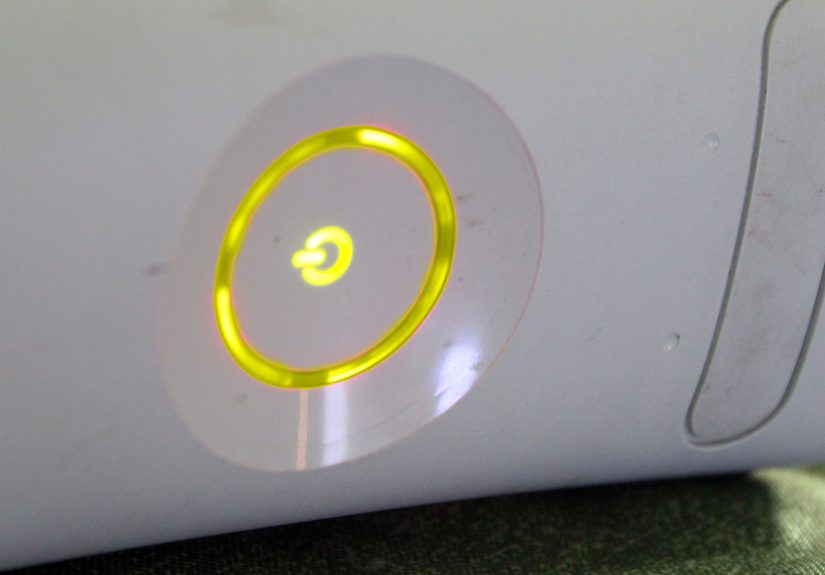
This matters because the original Xbox 360 (the one with the ring of four quadrants around the power button) reports errors differently than later models like the Xbox 360 S or E.
- Original Xbox 360: you may see 1–4 red quadrants lit.
- Xbox 360 S / E: you may see a single red indicator and often an on-screen message or error code.
If you’re seeing three flashing red lights on an original model, that commonly indicates a general hardware failureclassic RROD territory.
The safer alternative: 7 steps to handle “towel trick” situations without the towel
These steps are written for real-world troubleshooting. They help you confirm the failure type, rule out simple causes, reduce overheating issues, and decide whether a repair is worth it.
Step 1: Confirm the error and eliminate the “not actually broken” stuff
Start simple. A surprising number of “RROD panic” moments are really cable or power problems.
- Power everything off and unplug the console.
- Disconnect accessories (hard drive, USB storage, memory units, controllers, Kinect).
- Reseat video connections (HDMI/AV) and try a different cable or input if you can.
Example: On the original Xbox 360, four red lights can indicate an AV cable issuenot a dead console. That’s a much nicer problem to have.
Step 2: Check the power supply like a detective, not like a wishful thinker
The Xbox 360 power brick has its own indicator light, and it can reveal a lot.
- If the power supply is behaving oddly, try another wall outlet (direct to the wall, not a tired power strip).
- Inspect the power cable and connectors for looseness or damage.
- If possible, test with a known-good power supply that matches your console model.
Why this matters: some “hardware failure” symptoms can actually be “not enough stable power,” especially in older setups.
Step 3: Treat overheating as a symptom you can actually improve
If your console is overheating, the goal is to cool it better, not trap heat. (Wild concept, I know.)
- Move the console into open airno cabinets, no carpet, no hugging the wall.
- Stand it so vents aren’t blocked and keep at least a few inches of clearance.
- Power it off and let it fully cool before trying again.
Step 4: Clean out dust bunnies like your Xbox depends on it (because it does)
Dust buildup can choke airflow and raise internal temps. Over time, that increases stress on already-fragile components.
- Use compressed air to clear vents and fan areas (short bursts, avoid spinning fans excessively).
- Wipe external vents and ensure the console isn’t sitting in a lint farm.
Tip: If the fan ramps up like a jet engine and the console still overheats, airflow or thermal transfer may be compromised.
Step 5: Do a “minimum boot” test to isolate add-ons
Boot with the bare essentials only: console + power + video. Add pieces back one at a time.
- If it boots barebones but fails when you attach a hard drive or accessory, you may have a peripheral issue.
- If it never boots barebones, you’re likely dealing with internal hardware failure.
This step won’t magically heal solder joints, but it can prevent you from replacing a console over a bad cable or accessory.
Step 6: Choose a repair strategy that matches reality (temporary vs. lasting)
If you’re getting persistent three-red-light failures, lasting fixes are usually in the realm of real repair, not folk rituals. Practical options include:
- Professional repair (recommended): technicians can diagnose faults properly and perform appropriate board-level work.
- Thermal maintenance (for skilled DIYers): replacing dried thermal paste and ensuring proper heatsink contact can help overheating-related shutdowns.
- Understand “reflow” vs. “reball”: reflow-style heating may give temporary relief in some scenarios, while proper reballing is more complex and equipment-dependent.
Be wary of fixes that rely on uncontrolled heat. If the plan is “make it so hot something changes,” that’s not a planit’s a fever dream.
Step 7: Decide whether you’re repairing, recovering data, or retiring the console
Sometimes the best move is strategic retreat.
- If you just need a disc out, focus on safe disc-eject methods for your model rather than overheating the system.
- If you want to preserve saves, consider whether your saves are synced (if you used Xbox Live) or whether the hard drive can be migrated to another console model (where applicable).
- If repair costs exceed the console’s value, you might be better off buying a tested unit and keeping the broken one for parts.
Common questions people ask about the Xbox 360 towel trick
Is the towel trick a “real” fix?
It’s real in the sense that it’s widely discussed and some people reported temporary success. It’s not a reliable or safe repair method, and it can accelerate damage. Think of it like fixing a cracked windshield with a sticker: it might hide the problem for a minute, but it didn’t undo physics.
Why do three flashing red lights happen?
On the original Xbox 360, three flashing red lights generally indicate a hardware problem. The cause can vary (power, overheating stress, internal component failure), which is why structured troubleshooting matters.
What’s the “right” long-term solution?
Long-term success typically comes from correct diagnosis and proper repair (or replacement). Improved airflow, cleaning, and thermal upkeep can help prevent overheating issues, but persistent RROD symptoms often require professional attention.
500+ words of real-world experiences and lessons from the towel-trick era
If you were around during peak Xbox 360 years, you probably remember how the towel trick spread: one friend swore it saved their console, another friend swore it murdered theirs, and the internet provided the calm, measured energy of a thousand people yelling at once. That’s the vibe.
Across forums, repair communities, and old-school gamer chat, a few patterns show up again and again:
1) “It worked… long enough to do one important thing.”
A common story is that someone wasn’t trying to resurrect the console foreverthey just needed it to boot one last time. Maybe there was a disc trapped inside. Maybe they wanted to move saves, finish a final mission, or confirm an account login. In those scenarios, people chased any method that might produce a brief boot. The towel trick became a kind of digital CPR: not because it was medically sound, but because panic makes everyone a hobbyist engineer.
2) Temporary success created false confidence
When a console boots after any “heat-based” attempt, it’s easy to assume you fixed the root problem. Then you power it down, come back later, and the three red lights return like a sequel nobody asked for. That cycle trained owners into repeating increasingly risky rituals: more heat, less airflow, longer sessions, weird positions, extra pressure, you name it. The lesson here is simple: a symptom going away doesn’t always mean the cause is goneit might just be hiding.
3) Overheating “solutions” often made later repairs harder
Repair folks frequently point out that excessive heat can warp boards, degrade plastics, and bake thermal paste into crust. Once that happens, even legitimate repair steps (cleaning, reseating heatsinks, or professional board work) can become more difficult or less likely to succeed. In other words, a desperate shortcut can reduce the odds of a real fix laterlike using duct tape on a leaky pipe until the wall turns into a swamp.
4) The most “boring” wins were the most repeatable
Owners who had the best long-term luck tended to do unglamorous things: improving ventilation, cleaning dust, making sure the console had space to breathe, and using structured troubleshooting to rule out cables and power issues. Those steps don’t create a dramatic “IT LIVES!” moment, but they reduce heat stress and prevent avoidable failures. It’s the difference between superstition and maintenance.
5) The towel trick became a meme for a reason
It’s hard not to laughwrapping a console in a towel to fix it feels like trying to heal a headache by putting your head in an oven. But it also reflects something real: people loved their games, didn’t want to lose their progress, and were willing to try anything that promised a second chance. If nothing else, the towel trick era is a reminder that when hardware design meets real-world heat and time, users will invent “solutions” faster than manufacturers can write support articles.
Bottom line: if you’re dealing with the classic symptoms that inspired the towel trick, focus on safe troubleshooting and real repair paths. You’ll protect your hardware, your home, and your eyebrowsthree things that should never be optional.
Conclusion
The Xbox 360 towel trick is famous because it sometimes seemed to revive a failing consolebut it’s risky and rarely a lasting fix. If your Xbox 360 is showing three flashing red lights or other red-light errors, your best bet is a safer process: confirm the error, rule out power and cable issues, improve airflow, clean dust, test a minimum boot setup, and choose a repair strategy grounded in reality. Your console (and your smoke detector) will thank you.