Table of Contents >> Show >> Hide
- Why Burrs Stick So Well (and Why Some Coats Suffer More)
- First Rule: Identify What You’re Dealing With
- Quick Answer: The Safest Basic Method
- Your “Burr Emergency Kit” (Worth Keeping by the Door)
- Step-by-Step: How to Remove Burrs Without Turning It Into a Wrestling Match
- Step 1: Set up for success
- Step 2: Find the “burr zones” first
- Step 3: Start with fingersyes, really
- Step 4: Comb from the outside in
- Step 5: Add “slip” for stubborn burrs
- Step 6: Break up large burrs (only if it’s safe)
- Step 7: If it’s turning into a mat, don’t “snip and pray”
- Step 8: Post-removal check (the “did we miss anything?” sweep)
- Special Situations: Ears, Eyes, Paws, and “Please Don’t Make Me Guess” Areas
- Prevention: How to Stop Burrs From Happening Again (or at Least Make Them Less Dramatic)
- 1) Do a “two-minute comb-out” after walks
- 2) Keep the coat maintained for your dog’s lifestyle
- 3) Brush strategically (not randomly)
- 4) Use dog-safe coat products when appropriate
- 5) Dress for the trail (yes, dogs can wear outfits for reasons other than cuteness)
- 6) Walk smarter during peak burr/foxtail season
- When to Call a Groomer or Vet (No Shame, Just Wisdom)
- of Real-Life Burr Experiences: What Owners Commonly Run Into (and What Actually Helps)
Burrs are basically nature’s glitter: they show up uninvited, cling to everything, and somehow multiply while you’re looking right at them.
If your dog just came back from a walk wearing a full-body “sticker burr sweater,” don’t panic (or reach for the kitchen scissors like a movie villain).
With the right tools and a little strategy, you can get burrs out of dog hair safelyand prevent repeat performances.
Why Burrs Stick So Well (and Why Some Coats Suffer More)
Burrs cling because they’re built for it. Many have tiny hooks or spines that latch onto fur like Velcro. The longer, curlier, or denser the coat,
the more places those hooks can grab and the faster burrs can turn into tangles or mats.
- Long, silky coats (Golden Retrievers, Collies): burrs slide deep and “hide” close to the skin.
- Curly coats (Poodles, Doodles): burrs get tangled fast and can tighten into little knots.
- Double coats (Huskies, German Shepherds): burrs snag the outer coat and can trap loose undercoat into mats.
- Short coats (Boxers, Beagles): fewer burrs stick, but the ones that do can poke skin and irritate.
First Rule: Identify What You’re Dealing With
“Burrs” can mean different things. Most sticker burrs or cockleburs are annoying but manageable at home.
Foxtails (grass awns) are a different category: they can work their way into ears, noses, eyes, paws, or skin and may need a vet the same day.
If you suspect a foxtail is embedded (not just stuck in fur), skip the DIY and call your veterinarian.
Quick Answer: The Safest Basic Method
- Calm your dog (treats, a helper, good lighting).
- Hold the hair at the base (close to the skin) to reduce pulling.
- Work from the outside in using fingers + a wide-tooth metal comb.
- Add lubrication (pet-safe detangler or a small amount of cooking oil/conditioner) for stubborn burrs.
- Never cut near skin with scissors. If you must remove a tight clump, use clippersor get a groomer/vet.
Your “Burr Emergency Kit” (Worth Keeping by the Door)
You don’t need a fancy salon setupjust the right basics so you’re not improvising with a fork while your dog sprints away like a furry burr piñata.
- Gloves (burrs can poke your fingers)
- Wide-tooth metal comb (a “greyhound comb” style works well)
- Slicker brush (for finishing and small tangles)
- Detangling spray (dog-safe) or dog conditioner
- Small amount of cooking oil (vegetable/olive/coconutuse sparingly)
- Pliers or hemostats (optional, for large burrs you can safely break apart)
- Electric clippers (only if you know how to use them safely)
- Treats (the most important tool, honestly)
Step-by-Step: How to Remove Burrs Without Turning It Into a Wrestling Match
Step 1: Set up for success
Pick a bright spot and get your dog comfortable: non-slip mat, calm voice, and a steady supply of tiny treats.
If your dog is anxious, do this in short sessions (even 2–5 minutes at a time). A “done is better than perfect” approach prevents everyone from melting down.
Step 2: Find the “burr zones” first
Burrs tend to collect in the same places:
- Behind ears and around the neck (especially in fluffy dogs)
- Chest and armpits
- Feathering on legs and belly
- Tail plume
- Between toes and around paw pads
Step 3: Start with fingersyes, really
For small burrs, your fingers are the gentlest tool. Hold the fur at the base (near the skin) with one hand,
and use the other hand to tease the burr outward. Think “loosen the hair away from the burr,” not “yank the burr out like you’re starting a lawnmower.”
Step 4: Comb from the outside in
Use a wide-tooth metal comb and start at the tip/end of the hairthe outer edge of the tanglethen work gradually toward the skin.
This is the same logic as detangling long human hair: starting at the root is how you invent new swear words.
- Hold the base of the fur to reduce tugging.
- Short strokes beat aggressive ripping.
- Take breaks if your dog tenses or starts pulling away.
Step 5: Add “slip” for stubborn burrs
When burrs are glued into the coat, lubrication helps the hooks slide out instead of tightening into a mat.
Choose one:
- Dog detangling spray: great for most coats; spray, wait 30–60 seconds, then comb.
- Dog conditioner: dab a small amount, work it into the fur, then comb.
- Cooking oil (tiny amount): rub into the burr and surrounding hair, wait a minute, then gently comb out.
After using oil or conditioner, you may want to wipe the area with a warm damp clothor bathe laterso your dog doesn’t look like they just lost a cooking show challenge.
Step 6: Break up large burrs (only if it’s safe)
Big burrs can sometimes be crumbled into smaller pieces so you can remove them without pulling.
If you use pliers, keep your hand between the burr and your dog’s skin and be careful not to pinch skin or twist hair.
If you can’t clearly see what you’re grabbing, skip this step and move to clippers/pro help.
Step 7: If it’s turning into a mat, don’t “snip and pray”
Burrs often create mats near sensitive areas (armpits, groin, behind ears). Tight mats can trap moisture and irritate skin.
Scissors are risky because dog skin is flexible and can get caught in the mat.
If the burr clump is tight to the skin, the safest options are:
- Clippers (if you’re confident using them)
- Professional groomer (they do this all the time)
- Veterinarian (especially if the skin underneath looks sore, red, or smelly)
Step 8: Post-removal check (the “did we miss anything?” sweep)
Once the burrs are out, run your hands over your dog’s coat in both directions, then comb through quickly.
Look for:
- Redness, swelling, or warm spots
- Broken skin or scabs
- Your dog repeatedly licking one area
- Head shaking, sneezing, squinting, or limping (possible foxtail/foreign body issue)
Special Situations: Ears, Eyes, Paws, and “Please Don’t Make Me Guess” Areas
Burrs near the eyes
If anything is poking near the eye, don’t keep digging. Flush with sterile saline if you have it and call your vet.
Eyes are not the place for trial-and-error.
Burrs in the ear flap vs. inside the ear canal
Burrs on the outer ear flap can often be removed carefully with fingers and a comb.
If you think something is inside the ear canal or your dog is shaking their head and acting uncomfortable,
get veterinary helpdeep ear foreign bodies can be painful and risky to remove at home.
Burrs between toes
Spread the toes gently and check between them. If it’s just surface burrs, remove carefully.
If you see swelling, a puncture, discharge, or persistent limping, it could be a foxtail or embedded debristime for the vet.
Prevention: How to Stop Burrs From Happening Again (or at Least Make Them Less Dramatic)
1) Do a “two-minute comb-out” after walks
The easiest burr is the one you remove before it becomes a mat. Keep a comb in your car or by the leash.
A quick pass on the legs, belly, chest, and behind ears can prevent a 45-minute grooming saga later.
2) Keep the coat maintained for your dog’s lifestyle
If your dog is a professional bush explorer (self-appointed, unpaid), consider a practical trimespecially on feathering, belly, and behind ears.
You don’t need to shave; you just want fewer “Velcro landing strips.”
3) Brush strategically (not randomly)
- Long-haired/double-coated dogs: line-brush weekly and focus on friction zones (armpits, collar area).
- Curly-coated dogs: comb down to the skin regularly to prevent tight tangles that trap burrs.
- Short-coated dogs: wipe-downs and paw checks matter more than heavy brushing.
4) Use dog-safe coat products when appropriate
A light detangling spray can reduce static and snagging for some coats, especially during dry seasons.
Choose products made for dogs (or recommended by a trusted groomer/vet) and avoid heavy, greasy buildup.
5) Dress for the trail (yes, dogs can wear outfits for reasons other than cuteness)
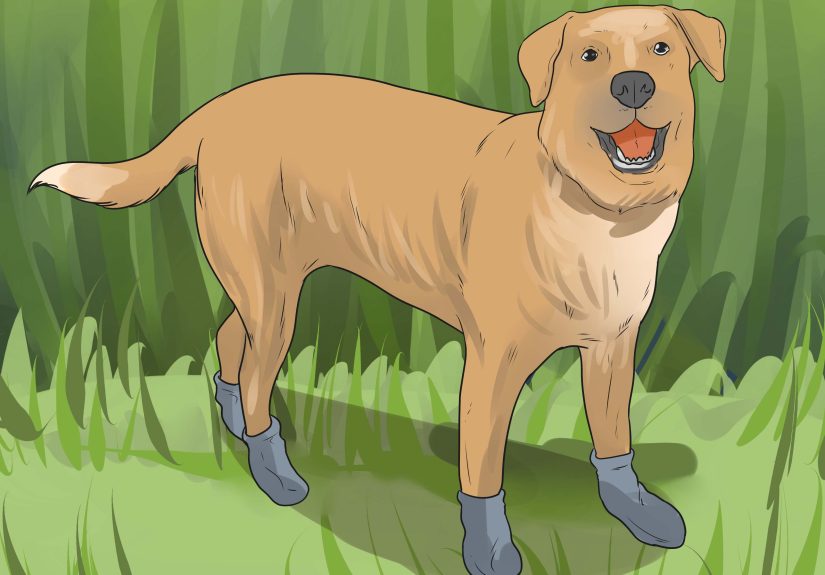
For burr-heavy areas, consider a lightweight dog jacket, body suit, or snood for long-eared dogs.
The goal is to block burrs from attaching to the “usual suspect” fur zones.
6) Walk smarter during peak burr/foxtail season
- Avoid tall dry grass and weedy edges of trails.
- Stay on maintained paths when possible.
- Keep your yard trimmed and remove burr-producing weeds.
- After hikes, do a full-body checkespecially paws, ears, and muzzle.
When to Call a Groomer or Vet (No Shame, Just Wisdom)
Home removal is great for loose burrs in easy-to-see spots. Get professional help if:
- The burrs have turned into a tight mat close to the skin
- Your dog is in pain, snapping, or can’t tolerate handling
- You suspect foxtails/awns embedded in skin, paws, ears, nose, or eyes
- You see swelling, discharge, bad odor, or signs of infection
The goal isn’t to “win” against burrsit’s to keep your dog comfortable and safe while preserving your sanity (and your Saturday).
of Real-Life Burr Experiences: What Owners Commonly Run Into (and What Actually Helps)
Here’s what the burr situation often looks like in real life: your dog sprints through a patch of “totally harmless” weeds,
then trots back with the proud expression of someone who just discovered treasure. You lean in for a hug and realize the treasure is
actually 37 burrs, three mystery twigs, and a leaf that has somehow fused to the fur like it signed a lease.
In many households, the first mistake is going straight for the biggest burr. It’s emotionally satisfyinglike pulling a sticker off a new water bottle
but it’s also the fastest way to make your dog decide grooming is a scam. What tends to work better is grabbing the “easy wins” first:
the loose burrs on the outer coat. Dogs often relax once they realize you’re not about to yank their entire soul out through a knot.
A few treats during those first quick removals can flip the whole session from “nope” to “fine, human, continue.”
Another common pattern: burrs that look small at first but are secretly entangled in undercoat. This shows up a lot on dogs with feathering
(hello, fluffy leg curtains). Owners will often notice that fingers alone aren’t enough, but a wide-tooth metal comb changes everythingespecially when you
hold the hair at the base so the tugging doesn’t travel to the skin. If a dog keeps flinching, people often discover they were combing too close to the root,
too fast. Slowing down and working from the ends can turn a painful pull into a gentle “un-velcro-ing.”
Curly-coated dogs add a twistliterally. Burrs can lock into curls and feel impossible until you add “slip.”
Many owners find that a dog-safe detangler (or a dab of conditioner) is the difference between a 3-minute fix and a 30-minute negotiation.
The burr doesn’t become magically cooperative, but the hair stops gripping it like a handshake that won’t end.
Afterward, owners often do a quick wipe or plan a bath later so the coat doesn’t stay slickbecause a greasy doodle is still adorable, just… shiny.
The most stressful experiences tend to involve sensitive zones: behind ears, armpits, and between toes. That’s where burrs can tighten quickly
and where dogs have the least patience. In these cases, it’s common for owners to split the job into mini-sessions:
remove a few burrs, take a break, come back later. This approach prevents the dog from associating grooming with a long, miserable ordeal.
And if the burr clump is tight to the skin, the smartest “real life” move is often calling a groomer.
People who try to shortcut with scissors usually don’t do it because they’re recklessthey do it because they’re tired.
But the risk near skin is real, and many owners end up relieved they chose clippers or professional help instead.
Finally, experienced dog-walkers will tell you prevention feels boring until it saves you. A two-minute post-walk check
paws, ears, belly, leg featheringcatches most burrs before they become mats. It’s not glamorous, but it keeps the burr saga from becoming a season finale.
And once you’ve done one late-night “burr extraction” under terrible lighting while your dog sighs dramatically, you’ll understand why a little routine
feels like a life hack.