Table of Contents >> Show >> Hide
- Why Ladybugs End Up Inside Your House
- Are Ladybugs Harmful?
- How to Get Rid of Ladybugs Fast
- What Not to Do
- The Best Long-Term Solution: Keep Ladybugs Out
- Can You Use Pesticides?
- When to Call a Professional
- Ladybugs in the Garden vs. Ladybugs in the House
- Quick Action Plan for Homeowners
- Final Thoughts
- Real-Life Experiences With Ladybugs in the House
- SEO Tags
If you have a windowsill full of “cute little ladybugs,” first: congratulations, your house has been selected as a seasonal insect resort. Second: you are not alone. Every fall and again on warm winter days, homeowners across the United States discover clusters of orange, red, or tan beetles gathering near windows, crawling across walls, and generally acting like they pay rent.
Here is the twist: in many cases, the bugs people call ladybugs indoors are actually multicolored Asian lady beetles. Outdoors, they help by eating aphids and other garden pests. Indoors, they become a nuisance. They do not chew through your walls or eat your couch, but they can leave stains, create odor, and turn your sunny window into an accidental beetle convention.
The good news is that getting rid of ladybugs in the house is usually simple. You do not need to panic, fumigate the planet, or duel them one by one with a paper towel. The smartest plan is a mix of quick indoor cleanup and long-term prevention. Below, you will learn what works, what does not, and how to stop these tiny houseguests from checking in again next season.
Why Ladybugs End Up Inside Your House
Lady beetles move indoors for one main reason: they are looking for a protected place to overwinter. In nature, they hide in cracks and sheltered spaces. Your home, unfortunately, offers warmth, dry crevices, and enough tiny gaps to make an insect feel like it just found a luxury condo.
They often gather on the sunnier sides of a house, especially around the south- and west-facing walls. Homes with light-colored siding, strong sun exposure, nearby woods, and lots of cracks or vents can be especially attractive. Once they slip inside wall voids or attics in the fall, they may stay hidden for weeks. Then a warm winter afternoon arrives, the indoor heat kicks on, and suddenly you have beetles strolling across the blinds like they own the deed.
This is why so many people say, “They showed up out of nowhere.” They did not teleport. They just spent a while behind the scenes, waiting for better weather and worse timing.
Are Ladybugs Harmful?
Usually, no. Lady beetles are more annoying than dangerous. They do not damage your home’s structure, and they are not known for spreading disease in the way some household pests can. Still, that does not mean they are welcome roommates.
Here is what makes them irritating:
1. They smell bad when disturbed
When threatened or crushed, they can release a yellowish defensive fluid. That fluid has an unpleasant odor and can stain walls, curtains, rugs, and light-colored furniture. In other words, squashing them is satisfying for about half a second and regrettable for much longer.
2. They can stain surfaces
If you swat or smash them, expect little yellow-orange marks. Those stains are one of the biggest reasons experts recommend vacuuming instead of crushing.
3. They may pinch or bite
Some species, especially Asian lady beetles, may occasionally nip if handled. It is usually minor and feels more like a pinprick than a true bite. Dramatic? No. Rude? Absolutely.
4. They may trigger allergies in some people
Large indoor infestations have been associated with irritation or allergy symptoms in certain individuals. It is not common for everyone, but if you notice eye irritation, sneezing, or respiratory discomfort around heavy infestations, it is worth taking seriously.
How to Get Rid of Ladybugs Fast
If you already have ladybugs in the house, the goal is to remove them quickly without making the problem smellier, messier, or more dramatic than it needs to be.
Vacuum Them Up
This is the easiest and most widely recommended method. Use a vacuum hose to remove ladybugs from windows, walls, ceiling corners, and baseboards. It is fast, clean, and far less likely to leave stains than crushing them.
For an even better trick, place a knee-high nylon stocking inside the vacuum hose or wand and secure it with a rubber band. The vacuum will collect the beetles into the stocking, making it easier to remove them without sending them into the vacuum bag. This works well if you want to release them outside or simply avoid having your vacuum smell like an insect locker room.
After vacuuming, empty the bag or canister promptly. Lady beetles are surprisingly good at surviving the trip, and nobody wants a comeback tour.
Sweep Them Into a Container
If there are only a few, you can gently sweep them into a jar, bowl, or dustpan and release them outdoors. This method works, but it is more likely than vacuuming to disturb them enough to release odor or staining fluid. Think of it as the slow and polite method, not the best method.
Use Soapy Water for Small Clusters
If you find a group gathered on a windowsill or in a corner, you can brush them into a container with a little dish soap and water. The soap breaks surface tension and makes disposal easier. This method is practical when the infestation is localized and you do not want to drag out the vacuum for six insects and a lot of attitude.
Try a Light Trap
If the ladybugs keep appearing in the same room, a light trap may help. These traps use light to attract beetles and capture them in a container or bag. They can be useful indoors, especially at night or in darker spaces. They are usually better for ongoing cleanup than for solving the root problem, but they can reduce the number you see crawling around.
What Not to Do
Sometimes pest control is less about what you should do and more about what you should stop doing immediately.
Do Not Crush Them
Yes, it is tempting. No, it is not smart. Crushing ladybugs can leave stains and odor. It turns a minor nuisance into a tiny crime scene.
Do Not Rely on Indoor Sprays
Indoor insecticides are usually not the best answer for ladybugs. Why? Because by the time you see them, many are already tucked inside wall voids or hidden spaces where sprays will not reach them well. That means you get the chemical exposure without much of the payoff. Not exactly a winning business model.
Do Not Use Foggers or “Bug Bombs”
Foggers may sound powerful, but they are generally a poor choice for this issue. They do not fix entry points, often do little against hidden beetles, and can leave residues where people and pets live. In short, they are a lot of drama for not much result.
Do Not Assume a Ladybug House Will Solve It
Those cute little “ladybug houses” sold for gardens may provide some outdoor shelter, but they will not stop beetles from entering your home. Your walls are still warmer, larger, and apparently more exciting.
The Best Long-Term Solution: Keep Ladybugs Out
If you want real results, prevention is the star of the show. The best time to stop ladybugs is before they settle in for the season.
Seal Cracks and Crevices
Inspect the outside of your home and seal gaps around windows, doors, siding, trim, vents, utility lines, and foundation openings. Use silicone or silicone-latex caulk for smaller gaps. For larger spaces, use appropriate materials such as foam sealant, mesh, or professional repair products.
If cold air can get in, ladybugs can probably get in too. Consider this your bug-proofing and energy-efficiency crossover episode.
Repair Window Screens
Check screens for tears, gaps, or loose edges. Even small holes can be enough for beetles to slip through. Repair damaged screens and make sure attic vents and other openings are screened properly.
Add Weather Stripping and Door Sweeps
Loose doors are basically an engraved invitation. Tight-fitting weather stripping and door sweeps help block gaps at entry points. Pay special attention to sliding doors, basement doors, and side entrances.
Remove Window Air Conditioners When Not Needed
Window AC units can create easy entry points around the frame. If you use one seasonally, remove it when the weather cools and seal any gaps left behind.
Inspect Sunny Exterior Walls
Lady beetles often cluster on the sunny side of the house before they enter. If you notice them gathering there in fall, take it as your sign to inspect, seal, and prepare. That wall is basically the bug version of a red carpet.
Can You Use Pesticides?
Sometimesbut carefully, and usually not indoors.
For most homeowners, pesticides are not the first or best step for getting rid of ladybugs. Indoors, they are often ineffective because the beetles are hidden in wall voids, attics, and cracks. Spraying visible beetles may kill a few, but it does not solve the main problem.
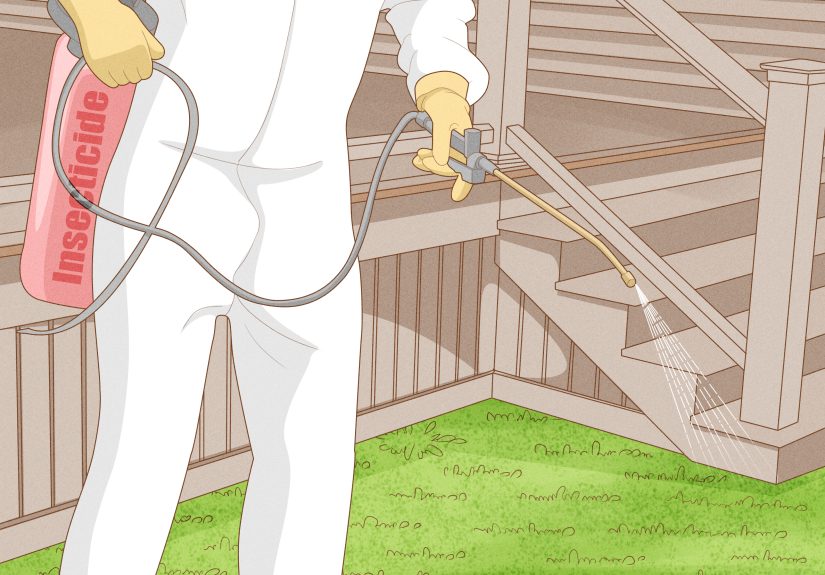
In recurring or severe cases, targeted exterior treatments may help when applied at the right time in the fall, before the beetles enter the home. Timing matters. Spray too late, and you are basically hosting an after-party for bugs already inside the walls.
If you are considering pesticide treatment:
- Read and follow the product label exactly.
- Never spray random indoor surfaces just because a beetle looked at you funny.
- Consider hiring a licensed pest professional if infestations happen every year or involve hard-to-reach exterior areas.
When to Call a Professional
You can handle most ladybug problems on your own. But professional help makes sense when:
- the infestation is heavy or returns every year,
- your home has many high exterior entry points,
- you suspect hidden clusters in wall voids or attic spaces,
- someone in the home has allergy concerns, or
- you want an exterior barrier treatment done safely and at the proper time.
A good pest pro can help identify the entry points, recommend exclusion work, and apply treatment more precisely than a typical do-it-yourself weekend adventure involving one ladder and excessive confidence.
Ladybugs in the Garden vs. Ladybugs in the House
This is the part where things get a little unfair. Outdoors, ladybugs are usually beneficial. They feed on aphids, scale insects, and other small pests that damage plants. That is why gardeners often like seeing them in the yard.
Indoors, however, it is a different story. Once ladybugs gather in large numbers around windows and walls, their helpful garden résumé does not really matter. You can appreciate their pest-eating talents while still wanting them very much not to live in your curtain rod.
A balanced approach is best: avoid unnecessary broad pesticide use outdoors, protect truly beneficial insects in the garden, and focus your home strategy on exclusion and careful indoor removal.
Quick Action Plan for Homeowners
If you want the short version, here it is:
- Vacuum the visible ladybugs instead of crushing them.
- Empty the vacuum promptly so they do not escape.
- Use a stocking in the vacuum hose for easy capture and removal.
- Seal cracks and gaps around doors, windows, vents, and siding.
- Repair screens and add weather stripping.
- Skip indoor foggers and most indoor sprays.
- Consider exterior treatment or professional help only for recurring, severe infestations.
Final Thoughts
If you are wondering how to get rid of ladybugs quickly and simply, the answer is wonderfully unglamorous: vacuum, seal, repeat. That is the winning formula. No magic potion. No dramatic showdown. Just practical pest control with a little patience and a caulk gun.
The real secret is understanding that the beetles you see today are often a symptom of gaps that were available yesterday. Once you close those entry points, future seasons become much less buggy. Until then, keep your vacuum handy and your flyswatter retired.
Because in the battle of homeowner versus ladybug, the goal is not revenge. The goal is making sure your house stops appearing in the insect travel brochure.
Real-Life Experiences With Ladybugs in the House
Ask enough homeowners about ladybugs, and you will hear the same story told in slightly different ways. It usually begins with one or two beetles near a sunny window in early fall. Nobody worries. They are small. They are colorful. They even look charming. Then a week later, there are twelve on the blinds, three in the bathroom, and one somehow doing laps around the ceiling fan like it has a gym membership.
One of the most common experiences is the “surprise winter hatch.” People think the problem is gone because they stopped seeing beetles in November. Then a bright, mild day arrives in January or February, and suddenly ladybugs appear around the warmest windows in the house. This catches people off guard, but it makes sense. The beetles were already inside wall voids, attic spaces, or hidden gaps, waiting for warmth to wake them up. To the homeowner, it feels mysterious. To the beetles, it is just Tuesday.
Another classic experience involves trying the wrong cleanup method first. Many people start by swatting, crushing, or scooping the bugs with a tissue. That tends to create two fast lessons: these insects can leave yellow stains, and they do not smell nearly as pleasant as their cheerful appearance suggests. After that, most homeowners become very loyal to the vacuum cleaner. It is one of those household moments where a person says, “I should have done this first,” while standing next to a windowsill and rethinking several life choices.
Homeowners also notice patterns. The bugs often gather on one side of the house more than the other, especially the sunny side. They turn up near recessed lights, attic access points, curtain tops, and upper-story windows. People who live near woods or in homes with older siding, loose trim, or worn weather stripping often report repeat invasions until they finally seal those openings. Once the gaps are caulked, screens repaired, and door sweeps replaced, the difference can be dramatic the following season.
Some families choose catch-and-release, especially if only a few beetles show up at a time. Others go straight for the vacuum-with-stocking trick because it is fast, tidy, and weirdly satisfying. Either way, the experience teaches the same lesson: the visible bugs are not the whole problem. Entry points are.
Perhaps the most relatable experience of all is emotional. People feel mildly guilty because they know ladybugs are beneficial in the garden, but deeply annoyed because those same insects are now marching across the living room lamp. That mix of respect and frustration is completely normal. You can appreciate their role outdoors and still want them nowhere near your cereal bowls, bath towels, or laptop screen.
In the end, most real-life stories do not conclude with a miracle spray. They end with simple fixes: vacuuming, sealing, weather stripping, and checking the house before fall. Not glamorous, no. Effective? Absolutely. And when the next warm winter afternoon arrives and the windowsill stays blissfully beetle-free, that is the kind of success story homeowners remember.