Table of Contents >> Show >> Hide
- Meet the Enemy: What Stink Bugs Look Like (So You Don’t Fight the Wrong Bug)
- Why Stink Bugs Keep Showing Up in Your House
- How to Get Rid of Stink Bugs Right Now (Without Making Your House Smell Like Regret)
- Stop the Cycle: How to Prevent Stink Bugs From Coming Back
- What About Your Garden? (Because Stink Bugs Don’t Just Love Houses)
- Do Insecticides Work on Stink Bugs?
- When to Call a Pro (Because Sometimes “DIY” Turns Into “Why Me?”)
- Stink Bug FAQ (Fast Answers to Common Panic Questions)
- of Real-World Experiences: What People Try, What Works, and What Backfires
- Experience 1: “I squished one… and immediately regretted my life choices.”
- Experience 2: “Vacuuming worked… but my vacuum smelled like defeat.”
- Experience 3: “We sealed ‘everything’… then found a torn attic vent screen.”
- Experience 4: “The light trap caught a bunch… and then we realized prevention was missing.”
- Experience 5: “We sprayed everything… and still had stink bugs.”
- Conclusion
Stink bugs are the kind of houseguest who shows up uninvited, raids your windowsills, and then has the audacity to
smell bad when you ask them to leave. If you’ve spotted a few (or a full-on reunion) indoors, you’re not alone
especially in late summer and fall when certain species, like the brown marmorated stink bug, go looking for cozy
places to “overwinter” (read: squat in your home).
The good news: stink bugs don’t bite, don’t chew your house like termites, and aren’t trying to set up a nursery in
your pantry. The bad news: they’re persistent, sneaky, and weirdly good at finding tiny gaps you didn’t know you had.
This guide walks you through how to get rid of stink bugs right now, plus how to prevent stink bugs from coming back
with practical steps, specific examples, and a few sanity-saving tips.
Meet the Enemy: What Stink Bugs Look Like (So You Don’t Fight the Wrong Bug)
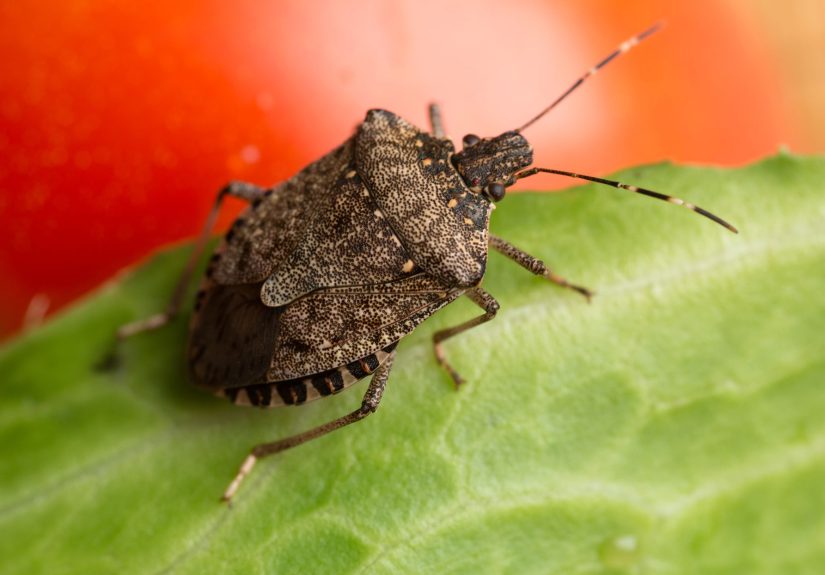
“Stink bug” is a broad nickname for shield-shaped bugs in the stink bug family. Outdoors, many are harmless or even
beneficial. Indoors, the main nuisance in much of the U.S. is the brown marmorated stink bug
(often shortened to BMSB), an invasive species known for mass “home invasions.”
Quick ID checklist (common indoor invaders)
- Shield-shaped body (like a tiny medieval knight’s shield).
- Mottled brown “marbled” pattern on the back for brown marmorated stink bugs.
- Light/dark banding on antennae is a common clue for BMSB.
- Odor when threatened or crushed (the signature “stink”).
If you’re mostly seeing them near sunny windows, attic spaces, or high walls, that’s classic stink bug behavior. They
like warmth and lightand they’re not shy about gathering in groups.
Why Stink Bugs Keep Showing Up in Your House
Stink bugs typically wander indoors for shelter when temperatures dip. Think of it as their version of booking a
winter cabin, except they forgot to reserve it and just walked into yours.
Common reasons you’re seeing stink bugs indoors
- Seasonal migration: late summer and fall are peak “let me in” months.
- Easy entry points: cracks, gaps, torn screens, utility penetrations, loose weatherstripping.
- Attraction to warmth/light: sunny exterior walls and bright windows are magnets.
- “Follow the crowd” chemistry: once a few find a good spot, more may join.
Important reality check: once stink bugs are inside, you can remove thembut the long-term win comes from
keeping them out. That’s the “prevent their return” part that actually works.
How to Get Rid of Stink Bugs Right Now (Without Making Your House Smell Like Regret)
The golden rule: don’t squash them. Crushing releases odor, can stain some surfaces, and turns a
simple removal into a scented memory you didn’t ask for.
Method 1: Vacuum them up (fastest for multiple bugs)
Vacuuming is one of the most recommended ways to remove stink bugs indoors because it’s quick and doesn’t require
chemical sprays in your living space.
- Best setup: a vacuum with a disposable bag.
- Bagless vacuum? Empty it immediately outdoors into a sealed bag, or dump contents into soapy water.
- Pro tip: If you’re dealing with lots of stink bugs, a small shop vac dedicated to “bug duty” can
spare your everyday vacuum from lingering odor.
If your vacuum starts to smell like stink bugs afterward, that’s normal. Wash removable canisters/filters if allowed
by the manufacturer, and let parts air out.
Method 2: The soapy water “drop jar” (simple and oddly satisfying)
This is the low-tech classic: fill a jar, cup, or bottle with water and a good squirt of dish soap. The soap reduces
surface tension so bugs can’t float or climb out.
- Hold the container under the bug.
- Gently tap the bug so it drops in (they often “play dead” and falluse that).
- Close the lid and dispose later.
Method 3: The light trap (great for nighttime wanderers)
If you’re seeing stink bugs around windows at night, a light trap can help you collect stragglers.
- Place a metal pan or reflective tray on the floor.
- Add water + dish soap.
- Shine a bright lamp directly over it in a dark room.
They’re often drawn toward the light and may land in the soapy water. This won’t “solve” an infestation alone, but
it’s a helpful cleanup tool alongside prevention.
Method 4: Hand capture (for the occasional solo explorer)
For one or two bugs, you can trap them with a cup and a stiff piece of paper like you’re relocating a spideronly the
stink bug will judge you the whole time.
What NOT to do indoors
- Skip foggers/bug bombs: they’re usually ineffective for stink bugs hiding in walls and can create unnecessary pesticide exposure indoors.
- Don’t spray random outdoor insecticide inside: labels matter, and indoor use can be unsafe or inappropriate.
- Avoid crushing: it’s the fastest way to stink up your day.
Stop the Cycle: How to Prevent Stink Bugs From Coming Back
If stink bugs are showing up repeatedly, that’s your cue: there’s a doorway somewhere. Prevention is basically
“homeproofing,” and it works best when you do it before peak invasion seasonlate summer through fall.
The 20-minute “where are they getting in?” inspection
Walk the outside of your home and look for places a bug can slip through. You’re hunting for gaps, not craters.
- Cracks around window frames and door jambs
- Worn weatherstripping and missing door sweeps
- Rips in window screens
- Openings around pipes, wires, AC lines, and outdoor faucets
- Unscreened attic vents, soffit vents, crawlspace vents
- Gaps where siding meets trim, brick, or foundation
- Loose or uncapped chimney openings (use appropriate chimney caps/screens)
Seal and screen: your best long-term defense
Once you find gaps, seal them with the right material:
- Caulk for small cracks and seams around windows/trim.
- Expanding foam (carefully) for larger gaps around pipes and penetrations.
- Weatherstripping for doors and operable windows.
- Door sweeps for the “welcome mat gap” under exterior doors.
- Screen repair kits for torn window/door screens.
- Mesh/screening for vents and other openings (use corrosion-resistant materials where needed).
Think of sealing like putting a lid on a container: you don’t need a fortress walljust fewer ways in.
Reduce outdoor “come hang out here” vibes
Stink bugs often gather on the outside of buildings before they slip in. You can make your exterior less attractive:
- Cut back vegetation touching your house (branches = bug bridges).
- Move clutter away from the foundation: leaf piles, stacked boards, unused planters.
- Store firewood away from the house when possible.
- Manage outdoor lighting: bright white lights can attract insects. Consider motion lighting or warmer “bug” bulbs where practical.
What About Your Garden? (Because Stink Bugs Don’t Just Love Houses)
Many stink bugs feed on fruits, vegetables, and ornamentals. If your yard or garden has a buffettomatoes, peppers,
beans, applesyour property can host them outdoors, and some may wander inside.
Garden-friendly control options
- Hand-pick early: knock adults into soapy water, especially in the morning when they’re sluggish.
- Check leaves for egg clusters: many are laid on the underside of leaves; remove and dispose.
- Use row covers on susceptible crops (especially when plants are young).
- Clean up debris at season’s end to reduce hiding spots.
- Encourage beneficial insects: a diverse garden can support natural predators and parasitoids.
If you’re seeing damage on producesmall pitted spots, cloudy areas, or deformed fruitstink bug feeding could be a
suspect. The fix is usually a combination of monitoring, targeted removal, and barrier methods (like row covers).
Do Insecticides Work on Stink Bugs?
Sometimesbut with important caveats. For home invasions, insecticides are usually most useful as a
targeted exterior treatment (not an indoor solution) and only when used correctly.
Smart, safer insecticide basics (if you choose to use them)
- Use only products labeled for stink bugs and for the location you’re treating (exterior perimeter, window/door thresholds, etc.).
- Follow label directions exactlyit’s the law and the safety guide.
- Avoid spraying flowers and pollinator-heavy areas; many broad-spectrum products can harm beneficial insects.
- Focus on entry points like window frames, door thresholds, and exterior crackswhere bugs actually travel.
If you’re dealing with heavy seasonal invasions every year, a licensed pest professional can help you time exterior
treatments and combine them with exclusion (sealing). In many cases, sealing delivers the biggest payoff, and
chemicals become the backup plannot the main event.
When to Call a Pro (Because Sometimes “DIY” Turns Into “Why Me?”)
Consider professional pest control if:
- You’re seeing dozens daily and they keep appearing in the same rooms.
- Your home has hard-to-reach entry points (high soffits, complex siding, multiple attic vents).
- You’ve sealed obvious gaps but the invasion continues.
- Someone in the home has sensitivities where pesticide decisions need extra care.
A good pro will talk exclusion firstthen discuss targeted treatments if needed. If someone’s solution is “spray
everything and hope,” you’re allowed to politely back away.
Stink Bug FAQ (Fast Answers to Common Panic Questions)
Do stink bugs bite people or pets?
Generally, stink bugs are considered a nuisance pest indoors. They’re not known for biting like mosquitoes, and they
don’t infest people or animals.
Do stink bugs reproduce inside the house?
In most home-invasion situations, they’re using your home as shelter, not as a breeding site. That’s why preventing
entry is the real long-term fix.
Why do they keep showing up near windows?
They’re drawn to light and warmth. Sunny windows and upper walls are common hangout zones.
Do “natural repellents” like peppermint help?
Strong scents (peppermint, clove, etc.) may help deter stink bugs in small areas, but they usually work best as a
supplement to sealing entry pointsnot a replacement. Outdoors, these scents fade quickly.
of Real-World Experiences: What People Try, What Works, and What Backfires
If you’ve ever Googled “how to get rid of stink bugs” while staring at one on your ceiling, welcome to the club.
Across homes in the U.S., the stories tend to repeatbecause stink bugs tend to repeat. Here are common experience
patterns homeowners share, plus the lesson each one teaches.
Experience 1: “I squished one… and immediately regretted my life choices.”
This is the stink bug rite of passage. Someone sees one, grabs a tissue, applies pressure, and instantly learns why
the insect’s marketing team went with “stink.” The takeaway is simple: don’t crush them. Once people switch to
vacuuming or the soapy-water jar method, the whole problem feels less dramatic (and the room stays livable).
Experience 2: “Vacuuming worked… but my vacuum smelled like defeat.”
Vacuuming is incredibly effective for fast indoor removal, but many folks report the odor lingering inside the vacuum
afterward. The workarounds that get repeated: use a bagged vacuum if possible, empty bagless canisters outside
immediately, and consider a cheap “bug-only” shop vac if stink bugs are a seasonal tradition where you live.
Basically, keep the stink bugs out of the machine as long as you canand get them out of the machine as quickly as
you can.
Experience 3: “We sealed ‘everything’… then found a torn attic vent screen.”
People often seal around doors and windows and still see bugsuntil they check higher, weirder places: attic vents,
soffit gaps, chimney areas, cable lines, and that tiny opening where the AC line disappears into the wall. The lesson:
stink bug prevention is won in the details. The best wins usually come from a slow, methodical inspection with a
flashlight and a checklistfollowed by the right fix (caulk, mesh, weatherstripping, or screen repair).
Experience 4: “The light trap caught a bunch… and then we realized prevention was missing.”
DIY traps can collect a surprising number of stink bugs, especially when the room is dark and the trap is placed near
a problem area. But people also notice traps don’t stop new bugs from appearing. Once they pair traps with
homeproofingsealing entry points and repairing screensthe trap becomes a cleanup tool instead of a nightly
obligation. In other words: a trap is great, but it’s not a door lock.
Experience 5: “We sprayed everything… and still had stink bugs.”
Broad spraying is a common “panic move,” but many homeowners report it doesn’t solve the problem long-term. Stink
bugs can shelter in wall voids, and random indoor spraying can create unnecessary exposure without stopping new bugs
from entering. The most successful stories usually sound boring (which is good): seal gaps, reduce entry points, keep
outdoor clutter away from the foundation, and use targeted exterior treatments only if you truly need them. The
biggest ‘aha’ moment people report? Prevention feels slowuntil one fall you realize you’re not dealing with stink
bugs anymore.
Conclusion
Getting rid of stink bugs is mostly about two moves: remove what’s inside (quickly and calmly), then seal up the ways
they’re sneaking in. Vacuuming and soapy-water traps handle the immediate mess. Weatherstripping, screens, caulk, and
vent protection handle the long game. If you do those well, stink bugs go from “seasonal nightmare” to “rare guest
appearance”and that’s a huge upgrade for your home’s peace (and smell).