Table of Contents >> Show >> Hide
- What Is a Persian Silk Tree?
- Before You Plant: One Very Important Warning
- Best Growing Conditions for Persian Silk Trees
- How to Plant a Persian Silk Tree
- How to Water and Feed Persian Silk Trees
- How to Prune Persian Silk Trees
- Common Problems With Persian Silk Trees
- How to Propagate Persian Silk Trees
- Seasonal Care Tips
- Is Persian Silk Tree Right for Your Yard?
- Real-World Experiences With Persian Silk Trees
- Final Thoughts
- SEO Tags
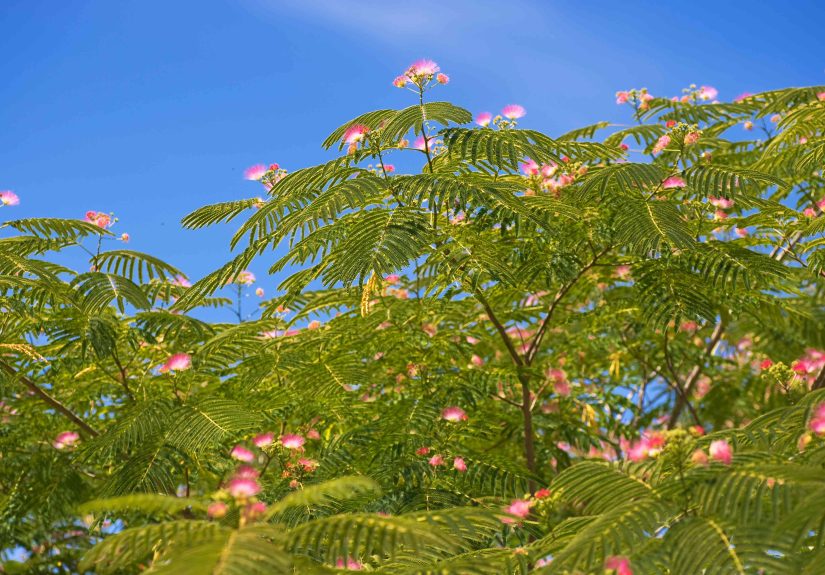
Some trees arrive in the landscape with all the subtlety of a parade float. The Persian silk tree, also known as the mimosa tree, is one of them. When it blooms, it looks like somebody fluffed pink powder puffs across a canopy of delicate, fern-like leaves. It is fast-growing, dramatic, and wonderfully tropical-looking for a deciduous tree. In other words, it knows how to make an entrance.
But here is the gardener’s reality check: Persian silk trees are not the “plant it and forget it” celebrities of the yard. They can be short-lived, prone to structural problems, vulnerable to pests and disease, and invasive in many parts of the United States. So if you want to grow one successfully, you need more than admiration. You need a plan.
This guide covers everything you need to know about growing and caring for Persian silk trees, from choosing the right site and watering correctly to pruning for stronger structure and spotting trouble before it turns into heartbreak with branches. If you love the look of this tree and live where planting it is allowed and appropriate, here is how to give it the best shot.
What Is a Persian Silk Tree?
The Persian silk tree (Albizia julibrissin) is a small to medium deciduous tree in the legume family. It is prized for its airy, bipinnate foliage and silky pink flowers that appear in late spring through summer. Mature trees usually form a broad, spreading, umbrella-like crown that creates light, dappled shade instead of the deep, cave-like kind that ruins lawn furniture and moods.
In warm climates, Persian silk trees grow quickly and can reach roughly 20 to 40 feet tall with a similar or even wider spread. That fast growth is part of the appeal, especially for gardeners who want a young yard to stop looking like a construction site as soon as humanly possible. Still, fast growth often comes with trade-offs, including weaker wood and a shorter lifespan than sturdier landscape trees.
Before You Plant: One Very Important Warning
Let’s not bury the lead under a mound of mulch: Persian silk tree is considered invasive in many areas of the United States, especially in parts of the Southeast and other warm regions where it escapes cultivation easily. It self-seeds, spreads into disturbed areas, and can compete with native vegetation. That means the first step is not digging a hole. The first step is checking whether your local extension office, state invasive plant council, or municipality recommends against planting it.
If the tree is discouraged where you live, that is your answer. Admire it in old photos, nod respectfully at it in someone else’s yard, and choose a better-behaved alternative for your own landscape. If it is permitted and you still want to grow it, move forward with full awareness of its strengths and weaknesses.
Best Growing Conditions for Persian Silk Trees
Sunlight
Persian silk trees flower best in full sun. They can tolerate light shade, but you will usually get the strongest bloom display, denser growth, and better overall performance when the tree receives at least six hours of direct sunlight each day. If you tuck it into too much shade, it may survive, but it will not deliver the full cloud-of-pink effect that made you want it in the first place.
Soil
One reason this tree has spread so widely is that it is not fussy about soil. Persian silk trees tolerate a broad range of conditions, including poor soils, sandy soils, loam, clay, and even somewhat alkaline ground. That said, the ideal planting site is still well-drained soil. Soggy soil is a bad idea for almost every landscape tree, and this one is no exception.
If your yard drains slowly after rain, improve the site before planting or choose another location. A tree that already has a reputation for drama does not need to be set up in a swampy corner where it can audition for a root problem.
Temperature and Hardiness
Persian silk trees are generally grown in USDA Zones 6 to 9, though winter performance can vary. They tend to do best where summers are hot and sunny. In colder parts of their range, young growth may suffer winter injury, and trees may struggle more than they would in warmer regions.
Water
Once established, Persian silk trees are fairly drought tolerant. That makes them appealing in hot climates and low-water landscapes. Still, “drought tolerant” does not mean “ignore it forever.” Newly planted trees need consistent moisture while they establish roots. Even mature trees often look better and flower better with occasional deep watering during long dry spells.
How to Plant a Persian Silk Tree
Pick the Right Spot
Choose a site with full sun, good drainage, and enough room for the mature canopy to spread. This is not a tree to cram five feet from the house and hope optimism will do the rest. Give it space overhead and to the sides.
Plant at the Right Time
In many climates, spring is the easiest planting season because it gives the tree a full warm season to establish roots. Fall planting can also work in milder regions, as long as the tree has enough time to settle in before any serious cold arrives.
Dig Smart, Not Deep
Dig a hole that is about two to three times wider than the root ball but no deeper than the root ball itself. The root flare should sit at or slightly above grade. Planting too deep is one of those classic landscaping mistakes that people make with confidence and then regret quietly for years.
Backfill and Water
Use the native soil to backfill unless your soil is truly awful. Water thoroughly after planting to settle the soil and eliminate air pockets. Add a layer of mulch around the base, but keep it a few inches away from the trunk. Mulch volcanoes are not decorative. They are tree sabotage with good marketing.
How to Water and Feed Persian Silk Trees
Watering Schedule
For the first growing season, water deeply whenever the top few inches of soil begin to dry. The goal is to encourage deeper rooting, not daily surface sipping. Frequent shallow watering trains roots to stay near the surface, which is helpful only if you are trying to grow a needy tree with poor resilience.
After establishment, reduce watering frequency and switch to occasional deep irrigation during prolonged drought. In average rainfall years, mature trees may need little supplemental water depending on soil type and climate.
Fertilizer
Persian silk trees usually do not need heavy feeding. In reasonably healthy soil, they often grow just fine without routine fertilizer. If your tree seems weak and a soil test shows nutrient deficiencies, a light application of a balanced fertilizer in spring may help. Avoid overfertilizing, which can push overly soft, fast growth and make a structurally weak tree even more high-maintenance.
How to Prune Persian Silk Trees
Pruning is one of the most important parts of caring for a Persian silk tree because the species is known for weak wood, brittle branches, and poor branch attachment. If you do nothing, the tree may still grow quickly, but it can develop a messy, breakage-prone form that becomes more trouble than charm.
Start Young
Young trees benefit from structural pruning that encourages one strong leader or a well-balanced multi-trunk form with sturdy spacing. Remove crossing branches, narrow crotch angles, weak shoots, and damaged growth. The goal is not to turn it into a sculpture. The goal is to reduce future branch failure.
Best Time to Prune
Do major pruning while the tree is dormant or just before vigorous spring growth begins. Light cleanup of dead or broken branches can happen whenever needed. Always use clean, sharp tools and make proper cuts without leaving long stubs.
What to Avoid
Do not top the tree. Do not shear it like a hedge. Do not hack at random branches and call it artistic. Persian silk trees already have enough structural issues without creative pruning making things worse.
Common Problems With Persian Silk Trees
Fusarium Wilt
This is the big one. Fusarium wilt is a serious and often lethal disease of Persian silk trees, especially in the southern United States. Symptoms can include yellowing leaves, wilting, dieback, bark cracking, branch decline, and eventual death. Once the disease is established, there is no magic rescue move waiting in the wings.
If your tree shows progressive wilt and decline, consult a local arborist or extension office for confirmation. In many cases, removal becomes the only realistic option. This disease alone is enough reason many experts do not recommend the tree for long-term landscape use.
Mimosa Webworm
Mimosa webworm can skeletonize foliage and leave leaves looking scorched or brown. The damage is unsightly and can weaken the tree over time, especially if repeated year after year. Good monitoring helps. If you see webbing or chewed leaflets, identify the pest early and follow local extension guidance for management.
Storm Breakage
Because the wood is relatively brittle, Persian silk trees may lose limbs in strong wind, heavy rain, snow, or ice. Strategic pruning helps reduce the odds, but it does not transform the species into an oak with a better publicist.
Messy Seed Pods and Seedlings
After flowering, Persian silk trees produce flat seed pods that can linger and scatter. In warm climates, volunteer seedlings may pop up in beds, fence lines, or nearby natural areas. Remove seedlings promptly if you want to prevent spreading.
How to Propagate Persian Silk Trees
Persian silk trees are commonly propagated by seed, and they can also be propagated from root cuttings or other vegetative methods. Seeds may have a hard coat and can remain viable for a long time, which partly explains why the tree can spread so aggressively in suitable climates.
If you are propagating this tree, be honest about why. If the answer is “because one tree seemed manageable, so naturally I would like six more,” it may be worth pausing. In regions where the species is invasive, propagation is exactly what you should not be helping along.
Seasonal Care Tips
Spring
Inspect for winter damage, prune as needed, refresh mulch, and begin regular watering for newly planted trees. Watch for new growth and early signs of pest problems.
Summer
Enjoy the flowers, water deeply during dry spells, and keep an eye on foliage quality. Summer is when the tree really performs, but it is also when structural weakness, pest activity, and wilt symptoms may become more obvious.
Fall
Rake or remove fallen pods if you want to reduce volunteer seedlings. Continue watering young trees during dry autumn weather. Evaluate branch structure after leaf drop so you can plan winter pruning.
Winter
In colder areas, monitor for cold injury. Dormant-season pruning is a good time to correct obvious structural issues and remove dead wood.
Is Persian Silk Tree Right for Your Yard?
The honest answer is: maybe, but only in the right place and for the right gardener. If you want a fast-growing ornamental with tropical flair, pink summer blooms, and dappled shade, the Persian silk tree can be very attractive. If you want a durable, low-mess, low-risk, long-lived shade tree, this is not that tree.
It suits gardeners who understand its limitations, are willing to prune thoughtfully, can monitor for disease, and live in an area where planting it is not discouraged. It is a tree with undeniable beauty and equally undeniable baggage. Think of it as the charismatic guest who makes every party brighter but also somehow breaks a chair.
Real-World Experiences With Persian Silk Trees
Gardeners who have grown Persian silk trees for years often describe the same emotional arc. First comes enchantment. A young tree leafs out with graceful, ferny foliage and quickly throws enough shade to make a patio feel intentional instead of accidental. Then summer arrives and the flowers appear like pink fireworks made of silk thread. Neighbors ask what it is. Pollinators show up. Someone inevitably says, “Wow, that tree is gorgeous.” At that stage, the Persian silk tree feels like a brilliant landscaping decision.
Then comes the part no glossy nursery tag really captures. Many gardeners notice that the tree grows fast enough to demand attention sooner than expected. A branch starts leaning awkwardly. Another develops a narrow angle that looks suspicious. After a storm, small limbs may snap. What seemed easy at first begins to ask for regular observation and selective pruning. People often discover that the tree rewards neglect with chaos, which is rude but consistent.
In hot climates, many growers report that established Persian silk trees handle dry weather better than thirstier ornamentals. That makes them tempting in places where summer heat settles over the yard like a heavy blanket. The tree can keep its airy look even when other plants are visibly offended by the season. Still, gardeners also learn that a little supplemental watering during prolonged drought improves flowering and keeps the foliage fresher. In other words, the tree can survive rough conditions, but it still performs better when not treated like a cactus with ambitions.
One of the most common shared experiences is the surprise of seedlings. A gardener plants one ornamental tree for beauty, and before long tiny volunteers appear in flower beds, at the edge of the lawn, or in the crack near the back fence where absolutely nothing useful was invited. In regions where Persian silk tree is invasive, this is more than a mild annoyance. It becomes a reminder that beauty and good behavior are not always the same thing in the landscape.
Experienced growers also talk about how much location matters. A Persian silk tree in a wide, sunny space with decent drainage and room to spread can look elegant and almost weightless. The same species wedged into a cramped foundation bed can become a lopsided maintenance story with seed pods. Gardeners who are happiest with the tree usually gave it room from the start and accepted that it needed shaping when young.
Then there is the emotional reality of disease. Some people enjoy their trees for years and then watch them decline from wilt with very little warning. That can be frustrating because the bloom display makes the tree feel like a star just before it turns dramatic in a completely unfun way. Many longtime gardeners end up describing Persian silk trees with both affection and caution. They loved the look. They did not love the uncertainty.
So the lived experience of growing Persian silk trees is rarely simple. It is often beautiful, sometimes messy, occasionally frustrating, and always educational. If you go into it knowing that, you are much more likely to appreciate the tree for what it is instead of resenting it for what it never promised to be.
Final Thoughts
Persian silk trees are undeniably striking. Their soft foliage, silky blooms, and broad canopy can make a garden feel lush, relaxed, and a little theatrical in the best way. But successful care depends on realism. Give the tree full sun, well-drained soil, smart watering, and structural pruning from an early age. Watch for wilt, webworm, storm damage, and self-seeding. Most of all, check your local guidance before planting, because in many areas the most responsible way to care for a Persian silk tree is not to plant one at all.
If it is suitable in your region and you are willing to stay involved, this tree can be a memorable part of the landscape. Just do not confuse fast growth and fluffy flowers with a no-maintenance fairy tale. Persian silk trees are beautiful, but they come with footnotes.