Table of Contents >> Show >> Hide
- What Is a Polka Dot Plant?
- How to Grow Polka Dot Plant Successfully
- Indoor vs. Outdoor Polka Dot Plant Care
- How to Keep a Polka Dot Plant Bushy Instead of Leggy
- How to Propagate Polka Dot Plant
- Common Polka Dot Plant Problems and How to Fix Them
- Seasonal Care Tips
- Is Polka Dot Plant Safe for Pets?
- Best Ways to Use Polka Dot Plant in Your Home or Garden
- Real-World Growing Experiences and Lessons From Polka Dot Plant
- Final Thoughts
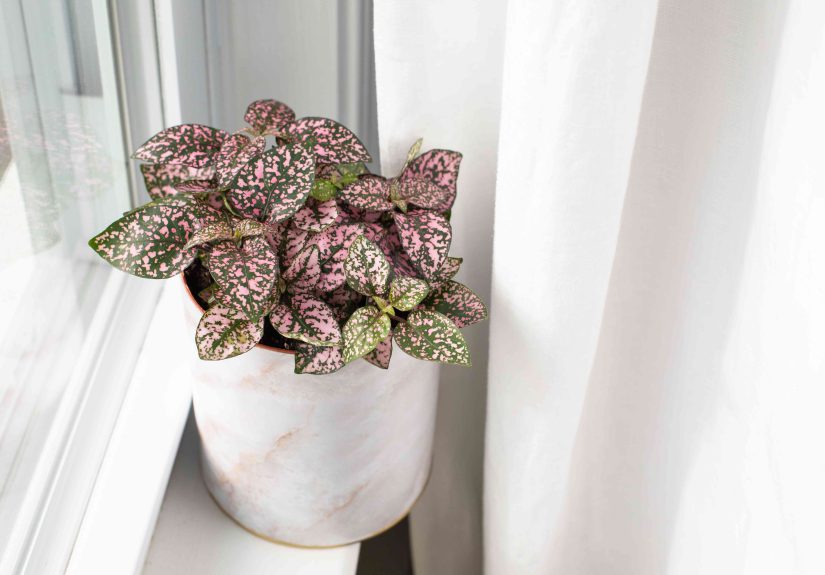
If houseplants had a party section, the polka dot plant would absolutely show up overdressed and somehow make everyone else look boring. With its speckled leaves in pink, red, white, or soft blush tones, Hypoestes phyllostachya brings color without demanding a full jungle-level commitment. It is tropical, cheerful, compact, and just dramatic enough to keep things interesting.
That said, this is not a plant you can ignore for two weeks and then greet with a guilty splash of tap water like nothing happened. Polka dot plant care is simple once you understand the rules: give it bright indirect light, steady moisture, warm temperatures, decent humidity, and regular pinching to keep it full instead of floppy. In return, it will reward you with colorful foliage that looks almost hand-painted.
This guide covers exactly how to grow and care for polka dot plant indoors or outdoors, how to keep the foliage vibrant, how to fix common problems, and how to turn one plant into several with easy propagation. If you have ever bought one because it looked cute and then watched it stretch into a sad green noodle, you are in the right place.
What Is a Polka Dot Plant?
Polka dot plant is a tropical foliage plant native to Madagascar. In frost-free climates, it can behave like a short-lived perennial, but in most American gardens it is grown as an annual or kept indoors as a houseplant. Its real star power comes from the leaves, not the flowers. The foliage is typically green with colorful spotting, while the flowers are small lilac spikes that many growers remove so the plant stays focused on leaf production.
Mature plants usually stay fairly compact, often around 1 to 2 feet tall and wide, which makes them perfect for desks, windowsills, plant shelves, terrariums, porch containers, and shady garden borders. It is one of those rare plants that can look playful in a kid’s room, stylish in a modern apartment, and charming in a cottage garden without causing a design identity crisis.
How to Grow Polka Dot Plant Successfully
Give it bright, indirect light
The best light for a polka dot plant is bright but filtered. Indoors, an east-facing window is often ideal, while a few feet back from a south-facing window can also work well. Outdoors, partial shade or dappled light helps the plant keep its vivid coloring.
Too much harsh direct sun can bleach or scorch the leaves. Too little light causes a different kind of heartbreak: the color fades, the stems stretch, and your compact beauty starts looking like it is reaching for better life choices. If your plant becomes pale and leggy, light is usually the first thing to adjust.
Use rich, well-draining soil
Polka dot plant likes soil that holds some moisture but drains well. A good indoor potting mix with organic matter works beautifully. If your mix feels dense or heavy, add a bit of perlite or pumice to improve drainage. The goal is simple: moist, airy soil that supports growth without turning the roots into soup.
For outdoor planting, choose a bed or container with fertile soil and reliable drainage. This plant enjoys moisture, but it does not want to sit in swampy soil pretending it is a bog species. It is not.
Water consistently, but do not drown it
One of the biggest secrets to healthy polka dot plant care is consistency. Keep the soil lightly and evenly moist. Let the very top layer begin to dry, then water thoroughly. If the plant dries out too much, it may wilt, crisp, or drop leaves. If it stays soggy for too long, yellowing and root rot can show up fast.
A good rule for indoor growers is to check the soil with your finger every few days. If the top half-inch to inch feels dry, it is time to water. In winter, growth often slows, so the plant may need a little less water. Do not follow a rigid schedule like “every Tuesday forever.” Plants do not own calendars.
Keep it warm and humid
This tropical plant likes warm conditions and does best when temperatures stay comfortably above 60 degrees Fahrenheit. It is not a fan of cold drafts, chilly windows, or sudden temperature swings. If you are comfortable in a light T-shirt, your polka dot plant probably is too.
Humidity matters more than many beginners expect. Dry indoor air can lead to crispy edges, drooping, and lackluster growth. Bathrooms with good light are often excellent spots. So are kitchens, plant cabinets, and bright corners near a humidifier. A pebble tray can help a little, but if your home air is very dry, a humidifier usually makes the biggest difference.
Feed it during active growth
Polka dot plant is not a heavy feeder, but it appreciates regular nutrition when it is actively growing. A balanced liquid fertilizer diluted to half strength once a month during spring and summer is usually enough. Too much fertilizer can lead to weak or overly fast growth, while too little may leave the plant dull and sluggish.
Skip the urge to overdo it. This is a colorful foliage plant, not a tomato on a mission.
Choose the right container
Always use a pot with drainage holes. That is non-negotiable. For forgetful waterers, plastic or glazed ceramic often works better than terracotta because it holds moisture a bit longer. Terracotta is attractive, but it dries out quickly, and polka dot plant already has enough opinions without adding chronic thirst to the list.
Indoor vs. Outdoor Polka Dot Plant Care
As an indoor plant, polka dot plant is compact, colorful, and easy to style. It works well on a shelf, side table, desk, or windowsill where the light is bright but not scorching. It also shines in mixed planters and terrariums, especially when paired with other moisture-loving foliage plants.
Outdoors, it is commonly used as a warm-season annual in shady beds, borders, patio containers, and window boxes. It looks especially good mixed with impatiens, caladiums, coleus, and ferns. In USDA Zones 10 to 11, it may survive year-round outdoors. In colder regions, treat it as an annual or bring it inside before temperatures fall.
If you move a plant from indoors to outdoors, ease it into brighter conditions gradually over several days. A sudden jump from cozy indoor light to strong sun is a quick way to get scorched leaves and regret.
How to Keep a Polka Dot Plant Bushy Instead of Leggy
If there is one grooming habit that changes everything, it is pinching. Polka dot plant naturally wants to stretch as it grows, especially in lower light. Regularly pinching the growing tips encourages branching and helps the plant stay fuller, denser, and far more attractive.
Use clean fingers or scissors to snip just above a leaf node. You do not need to butcher the plant. A little trimming every week or two during active growth is often enough to make a huge difference. Think of it as a haircut, not a personality reset.
Also, remove flower spikes when they appear if your goal is foliage. The blooms are small and not particularly showy, and once the plant starts flowering heavily, it may slow down or begin edging toward dormancy. In plain English: clip the spikes and let the leaves stay fabulous.
How to Propagate Polka Dot Plant
Polka dot plant propagation is wonderfully beginner-friendly. Stem cuttings root easily, which is helpful because older plants can get leggy with age. Many growers simply refresh their plant collection by taking cuttings every season.
Propagation in water
- Cut a healthy stem about 3 to 4 inches long.
- Remove the lower leaves.
- Place the stem in a small glass of water in bright, indirect light.
- Refresh the water regularly.
- Once roots are a couple of inches long, pot it into moist potting mix.
Propagation in soil
- Take a healthy cutting and remove the lower leaves.
- Insert it into moist potting mix, sand, or vermiculite.
- Keep it warm, bright, and evenly moist.
- Humidity helps, so a loose plastic cover can speed things along.
You can grow polka dot plant from seed too, but cuttings are usually faster, easier, and more predictable for home gardeners.
Common Polka Dot Plant Problems and How to Fix Them
Leggy stems
Cause: Usually not enough light, plus a lack of pruning.
Fix: Move the plant to brighter indirect light and pinch it back regularly.
Faded leaves
Cause: Low light can reduce color intensity.
Fix: Increase light gradually without exposing the plant to harsh midday sun.
Crispy edges or curling leaves
Cause: Too much direct sun, dry air, or inconsistent watering.
Fix: Reduce direct sun, raise humidity, and water more consistently.
Yellow leaves
Cause: Overwatering is a common culprit, especially in poorly draining soil.
Fix: Check the roots, improve drainage, and let the top layer of soil dry slightly between waterings.
Wilting
Cause: Could be underwatering or overwatering. Yes, plants love mixed signals.
Fix: Check the soil before reacting. Dry soil means water. Soggy soil means hold off and let the mix breathe.
Pests
Watch for aphids, mealybugs, and whiteflies, especially on indoor plants with stressed conditions. If you spot trouble, isolate the plant and treat it with insecticidal soap or neem oil. Good air flow, proper light, and steady care reduce pest problems dramatically.
Seasonal Care Tips
Spring: This is the plant’s favorite season for fresh growth. Repot if it is root-bound, begin monthly feeding, and take cuttings if you want more plants.
Summer: Growth is strongest now. Keep up with watering, pruning, and humidity. Outdoor containers may need more frequent checks in hot weather.
Fall: If the plant has been outdoors, bring it in before nights turn chilly. Inspect for pests before it joins your indoor plant crowd.
Winter: Growth often slows. Water a little less, hold fertilizer, and protect the plant from cold windows and dry heating vents.
Is Polka Dot Plant Safe for Pets?
Polka dot plant is generally considered non-toxic to dogs, cats, and horses, which makes it a more comfortable choice for pet households than many other colorful foliage plants. That said, “non-toxic” does not mean “salad.” If a pet chews on the leaves, mild stomach upset can still happen. The best strategy is still simple: keep the plant out of nibbling range whenever possible.
Best Ways to Use Polka Dot Plant in Your Home or Garden
Because it stays relatively compact and brings bold color, polka dot plant is surprisingly versatile. Here are a few smart ways to use it:
- On a desk or shelf: A small pot adds color without taking over the room.
- In a bathroom: Great humidity, often great results.
- In a terrarium: A classic choice for moisture-loving setups.
- In porch containers: Mix with ferns, caladiums, and impatiens for a lush shade display.
- As a garden edging annual: It can brighten the front of a partially shaded bed.
For a polished look, repeat the same leaf color in nearby decor or companion plants. Pink-speckled forms pair nicely with blush pots, burgundy foliage, or soft green trailing plants. White-speckled varieties look crisp and modern, especially in simple ceramic containers.
Real-World Growing Experiences and Lessons From Polka Dot Plant
One of the most common experiences people have with polka dot plant is buying it for the color, placing it somewhere “pretty good,” and then wondering why it slowly turns into a sparse green octopus. The lesson is almost always the same: this plant wants brighter light than many people assume, but not harsh direct sun. A shelf in a dim corner may look stylish in a photo, but the plant will eventually protest. Move it closer to a bright window, and suddenly the color deepens, the growth tightens up, and the whole plant seems to remember who it is.
Another very real experience is the watering learning curve. Beginners often hear that tropical plants like moisture and translate that into “daily puddles forever.” Polka dot plant appreciates moisture, yes, but it still needs oxygen around the roots. Growers who have the best luck tend to water thoroughly, then wait until the top layer dries slightly before watering again. Once that rhythm clicks, the plant becomes much easier to read. Limp and dry means thirsty. Yellow and mushy means you loved it a little too aggressively.
Humidity is another detail that separates a decent plant from a gorgeous one. People who grow polka dot plant in bathrooms with bright windows often report fuller leaves, less browning, and faster growth. The same plant in a heated living room during winter may start crisping at the edges unless you add a humidifier or group it with other plants. It is one of those species that teaches you your house has microclimates. Apparently, your home is not one climate. It is several tiny weather systems arguing with each other.
Pruning also changes the whole relationship. Many first-time owners are nervous about trimming a plant that already seems small. Then they finally pinch off the tips, and within weeks the plant becomes much fuller. It is one of the best examples of how a little maintenance creates a much better-looking houseplant. People who skip pruning often think the plant is “hard.” People who prune it regularly usually think it is easy. Same plant, different haircut policy.
Propagation tends to be where polka dot plant wins people over for good. A cutting in water roots surprisingly quickly, which feels a little magical even when you know the science. It is satisfying to turn one plant into three, especially because older specimens can get lankier over time. Many experienced growers simply treat propagation as part of normal care. Instead of trying to keep one aging plant beautiful forever, they refresh it with cuttings and keep the display looking young and colorful.
Outdoor growers often love polka dot plant for containers and shady borders because it gives instant color without relying on flowers. It can brighten a porch planter, soften the edge of a bed, or fill in around larger tropicals. The practical lesson outdoors is that placement matters. Morning sun and afternoon shade usually look great. All-day blazing sun usually does not. The plant may survive in tougher spots, but survival and looking fabulous are not the same thing.
In the end, most real-world experiences with polka dot plant point to the same conclusion: it is not difficult, but it is expressive. When it is happy, it glows. When it is unhappy, it tells you quickly and with impressive theatrical energy. Once you learn its cues, though, it becomes one of the most rewarding small foliage plants you can grow.
Final Thoughts
If you want a colorful tropical houseplant that stays manageable and adds real personality to your space, polka dot plant is a fantastic choice. Give it bright indirect light, lightly moist soil, warm temperatures, and enough humidity, and it will reward you with vivid speckled foliage that looks cheerful year-round. Add a little pruning and occasional propagation, and you can keep the plant compact, fresh, and endlessly shareable.
In other words, this plant is a little high-maintenance only if you ignore what it is asking for. Meet its basic needs, and it becomes less of a diva and more of a reliable scene-stealer.