Table of Contents >> Show >> Hide
- Why Pruning Burning Bush Matters
- When to Prune Burning Bush
- Before You Start: Tools and Preparation
- How to Prune Burning Bush Like a Pro
- How to Handle an Overgrown Burning Bush
- Common Pruning Mistakes to Avoid
- Special Note: Burning Bush Can Be Invasive
- Season-by-Season Quick Plan
- Real-World Experience: What Pruning Burning Bush Actually Feels Like in Practice
- Conclusion
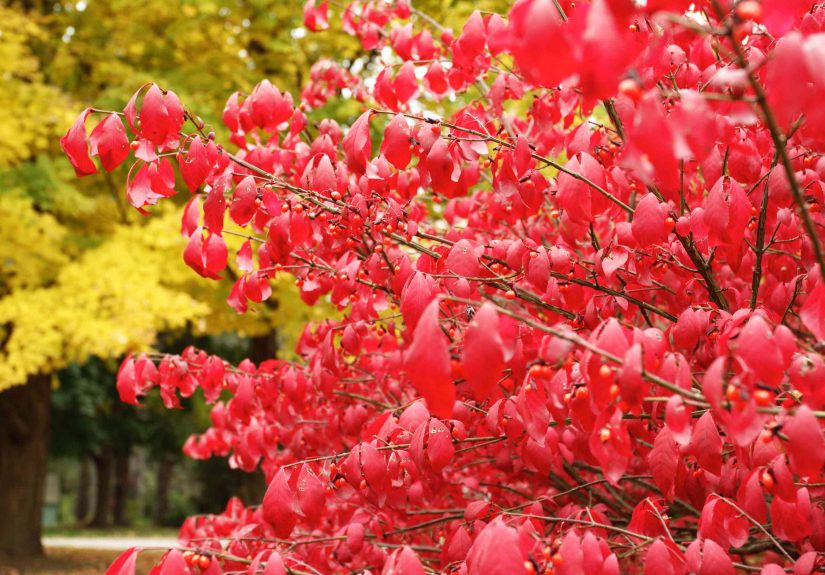
If you have a burning bush in your yard, you already know its favorite party trick: turning a blazing shade of red in fall and stealing the spotlight from everything else on the block. The problem is that this shrub can also grow like it has big dreams and no calendar. One year it looks tidy and elegant. The next, it is lunging over the sidewalk, crowding the mailbox, and acting like it pays property taxes.
That is where smart pruning comes in. When done at the right time and in the right way, pruning helps a burning bush stay full, healthy, and nicely shaped without turning it into a stiff green meatball. The secret is not just cutting it back. The secret is knowing when to prune burning bush, which branches to remove, how much to take off, and when to leave the shrub alone.
In this guide, you will learn exactly how to prune burning bush like a pro, whether you want to maintain a compact foundation shrub, rescue an overgrown monster, or simply keep that famous fall color on a plant that still looks polished. We will also cover the biggest pruning mistakes, the best tools to use, and a few real-life lessons that make the job much easier.
Why Pruning Burning Bush Matters
Burning bush, also known as winged euonymus, is popular for a reason. It tolerates a range of conditions, handles sun to partial shade, and responds well to pruning. In landscape beds, it can be used as a hedge, screen, accent plant, or informal shrub border. In other words, it is not exactly fragile. This is a plant that can take a haircut and come back asking whether you missed a spot.
Still, good pruning is about more than size control. A well-pruned burning bush usually has better air circulation, a cleaner structure, and fewer tangled interior branches. It also keeps the shrub from getting overly woody, leggy, or top-heavy. If you ignore it for too long, you may end up with a dense shell of leaves on the outside and a messy, bare interior that looks like a closet no one wants to open.
Pruning also helps you match the shrub to the space it is in. A compact cultivar may need only light maintenance, while a larger variety can quickly outgrow a small front bed. Instead of waiting until the plant becomes a neighborhood inconvenience, it is much better to prune regularly and intentionally.
When to Prune Burning Bush
The Best Time for Major Pruning
The best time for major pruning on burning bush is late winter to early spring, before new growth begins. This is the ideal window for structural pruning, thinning, size reduction, and rejuvenation. At that point, the plant is still dormant, so you can clearly see the branch framework and make better decisions without all the leaves getting in the way like unhelpful stage curtains.
Pruning in late winter or early spring gives the shrub a full growing season to recover. It also encourages fresh new growth once temperatures warm up. If your burning bush is too tall, too wide, too dense, or just generally behaving like an uninvited giant, this is the time to step in.
When Light Touch-Ups Are Fine
You can do light shaping in late spring or early summer if needed, especially if the shrub pushes out a few enthusiastic shoots after its main pruning. A quick touch-up can help refine the outline. Just keep it light. Think “tidy trim,” not “full remodel.”
If your burning bush is planted as a formal hedge, you may need more frequent clipping during the growing season to keep it neat. Even then, it is smarter to avoid constant aggressive shearing. Too much clipping can create a dense outer shell that shades the interior and eventually leaves the plant woody and sparse inside.
When Not to Prune
Avoid heavy pruning in late summer and early fall. Cutting hard at that time can trigger tender new growth that may not harden off before cold weather arrives. That new growth is more vulnerable to winter injury, which is gardening’s way of saying, “This seemed like a good idea until January showed up.”
You should also avoid pruning during periods of extreme heat or drought stress. When a shrub is already struggling, a major haircut adds more stress. If the plant is thirsty, crispy, or clearly unhappy, deal with those issues first.
Before You Start: Tools and Preparation
Professional-looking results usually come from professional-looking cuts, and that starts with the right tools. You do not need a truck full of equipment, but you do need clean, sharp tools that match the size of the branches you are removing.
- Hand pruners: Best for small stems and precise cuts.
- Loppers: Useful for thicker branches deeper inside the shrub.
- Pruning saw: Helpful if the plant has old, woody stems that laugh at your pruners.
- Gloves: Because your hands deserve better than mystery scratches.
If you are cutting out diseased wood, sanitize your tools as you work. Wiping or dipping the blades in 70% isopropyl alcohol is a simple way to reduce the chance of spreading problems from one cut to the next. And yes, this matters more than many gardeners think. A clean cut from a clean tool heals better and causes less trouble.
How to Prune Burning Bush Like a Pro
Step 1: Stand Back and Look at the Whole Shrub
Before you make the first cut, step back and study the plant from several angles. This sounds obvious, but many pruning disasters begin with one bold snip made in total confidence and zero planning. Look for the natural shape of the shrub, its height and spread, crowded spots, and any obvious dead or damaged branches.
Ask yourself what you are trying to accomplish. Do you want to reduce size? Improve shape? Remove old wood? Open up the center? Restore balance on one side? Clear a walkway? Your answer determines how aggressive the pruning should be.
Step 2: Remove Dead, Damaged, Diseased, and Rubbing Branches
Always begin with cleanup cuts. Remove any dead wood, broken stems, diseased branches, or branches that cross and rub against each other. These cuts improve health and make the rest of the pruning easier to see. Cut diseased wood back into healthy tissue, and if disease is present, sanitize the blades between cuts.
This step alone can improve the look of a neglected burning bush more than many people expect. Sometimes the plant does not need a dramatic pruning session. Sometimes it just needs you to stop letting the branch equivalent of traffic accidents happen in the middle of the shrub.
Step 3: Thin the Shrub Instead of Just Shearing the Surface
This is where the “like a pro” part begins. Rather than simply clipping the outside into a tight shell, remove selected branches all the way back to their point of origin or to a larger branch. These are called thinning cuts, and they are generally better than random heading cuts when you want a natural-looking shrub.
Thinning opens the interior to light and air, reduces crowding, and preserves a more graceful shape. It also helps prevent that classic over-sheared look where the outer layer is dense and green but the inside resembles a broom closet of dry sticks.
Focus on removing a few of the oldest, thickest stems first, especially if the shrub is mature or congested. Taking out a portion of old wood from the base encourages younger shoots and keeps the plant from becoming all age and attitude.
Step 4: Reduce Height and Width Selectively
If the shrub is too large, reduce its size by cutting long branches back to a lateral branch or outward-facing bud. This keeps the plant looking more natural than simply shaving the outer surface flat. When making a heading cut on a smaller stem, cut slightly above a healthy bud and angle the cut so it sheds water.
Do not remove too much at once unless you are intentionally doing a rejuvenation prune. For routine maintenance, taking off no more than about one-quarter to one-third of the shrub in a season is a comfortable rule of thumb. Slow, thoughtful pruning usually produces a better-looking result than one dramatic afternoon of overconfidence.
Step 5: Shape for the Plant, Not Against It
Burning bush naturally has a rounded, somewhat arching form. Work with that habit instead of forcing it into a shape it clearly did not request. If you are maintaining an informal specimen, keep the top slightly narrower than the base so sunlight can reach the lower branches. This helps prevent thinning at the bottom.
If you are pruning a hedge, the same principle applies. A hedge that is wider at the base and slightly narrower at the top stays fuller all the way down. A hedge with a broad top and shaded bottom tends to get leggy and bare where you least want it.
How to Handle an Overgrown Burning Bush
If your burning bush has crossed from “vigorous” into “small suburban legend,” you have two main options: gradual renewal or full rejuvenation.
Option 1: Gradual Renewal Pruning
This is the gentler method and often the best choice for homeowners who still want the shrub to look decent during the recovery process. In late winter or early spring, remove about one-third of the oldest stems near ground level. The next year, remove about half of the remaining older stems. In the third year, take out the rest of the old wood and thin the new growth as needed.
This staggered approach keeps the shrub functional in the landscape while slowly replacing tired wood with younger, stronger growth. It is the pruning equivalent of cleaning the garage in phases instead of dragging everything into the driveway and hoping for the best.
Option 2: Full Rejuvenation Pruning
If the shrub is severely overgrown, badly misshapen, or simply in the wrong place but still worth saving, you can cut it back hard in early spring. Some deciduous shrubs respond well to being cut down to just a few inches above the ground. Burning bush is quite tolerant of pruning, so it can often bounce back from a severe reset.
That said, full rejuvenation is not always the prettiest short-term choice. You will sacrifice the mature look for a while, and the plant may respond with a burst of vigorous shoots that need follow-up thinning later. Use this option when the shrub has clearly become unmanageable and subtlety has left the chat.
Common Pruning Mistakes to Avoid
- Pruning too late in the season: Late summer and fall pruning can encourage tender growth before winter.
- Shearing constantly: Repeated surface clipping may look neat for a while, but it can create dense outer growth and a woody interior.
- Ignoring the center of the shrub: If you never thin the interior, the plant becomes crowded and less attractive over time.
- Using dull tools: Ragged cuts heal slowly and stress the plant.
- Removing too much at once: Over-pruning can leave the shrub looking sparse and stressed.
- Forgetting the plant’s mature size: If you are pruning the same shrub into submission every year, the real issue may be that it is simply too large for the spot.
Special Note: Burning Bush Can Be Invasive
Here is the part where the article puts on sensible shoes. In many parts of the United States, burning bush is considered invasive. It can spread by seed into natural areas, where it competes with native vegetation. In some places, it is restricted, discouraged, or no longer recommended for planting.
What does that mean for pruning? First, pruning alone does not solve the invasive issue. In fact, regular trimming may keep a plant attractive in the landscape while it still produces seeds and spreads. Second, if you live in a region where burning bush is regulated or widely recognized as invasive, it is smart to check local guidance before planting more of it or deciding to preserve old specimens long-term.
If you already have one and want to keep it tidy while you decide what to do, pruning is still useful. But if you are replacing shrubs or redesigning a bed, this may be a good time to consider noninvasive alternatives that offer strong fall color without the ecological downside.
Season-by-Season Quick Plan
Late Winter to Early Spring
Do major pruning, thinning, renewal pruning, rejuvenation pruning, and structural shaping before new growth starts.
Late Spring to Early Summer
Do light touch-ups if needed. Remove awkward shoots, refine the outline, and monitor for pests such as euonymus scale or mites.
Late Summer to Fall
Avoid heavy pruning. Let the plant harden off and save your energy for enjoying the fall color instead of creating cold-damaged regrowth.
Real-World Experience: What Pruning Burning Bush Actually Feels Like in Practice
On paper, pruning a burning bush sounds wonderfully straightforward. Late winter, sharp tools, thinning cuts, done. In real life, it tends to go something like this: you walk outside with noble intentions, glance at the shrub, and realize it is both bigger and more emotionally complicated than you remembered.
One of the first things many gardeners learn from experience is that a burning bush often looks denser than it really is. From the sidewalk, it appears full and uniform. Once you get close and start moving branches aside, you may find old interior wood, crossing stems, and the occasional mystery branch that seems to begin in another zip code. That is why stepping back first matters. If you start cutting without a plan, it is very easy to create holes in the wrong places.
Another practical lesson is that less is often more on day one. Many people approach an overgrown shrub with the energy of a home renovation show and regret it halfway through. The smarter approach is to remove a few major offenders, step back again, and reassess. Burning bush responds well to pruning, but that does not mean it needs every branch to face a dramatic ending. Selective cuts almost always look better than impulsive surface chopping.
Experience also teaches you the difference between a shrub that needs shaping and one that needs strategy. A mildly overgrown plant may need only thinning and a few reduction cuts. A neglected shrub that has been sheared for years may need a full renewal plan over multiple seasons. Gardeners who get the best results are usually the ones who stop trying to “fix it all today” and start thinking in stages.
There is also the matter of cleanup, which no glamorous gardening photo shoot ever wants to discuss. Burning bush can produce a surprising volume of branches, especially when you thin out older wood from the center. What looked like a modest pruning job can suddenly create a brush pile worthy of a small frontier settlement. Experienced gardeners solve this by pruning with cleanup in mind: cut, stack, pause, and keep a tarp nearby. Future-you will be grateful.
One more thing that becomes obvious with experience is how much better a burning bush looks when you preserve its natural shape. The most attractive shrubs are usually not the ones clipped into geometric obedience. They are the ones that still look like shrubs, just cleaner, lighter, and more balanced. When light reaches the lower branches and the center is not packed solid, the whole plant looks healthier. It also tends to color up more attractively in fall because the structure beneath the foliage makes visual sense.
Finally, experienced gardeners learn to ask a bigger question: Should this plant still be here? That is not about being harsh. It is about honesty. If a burning bush constantly outgrows the bed, blocks windows, needs repeated heavy pruning, or sits in a region where it is considered invasive, the most professional move may not be better pruning. It may be replacement. A pro does not just know how to cut. A pro knows when the maintenance burden is trying to tell the truth.
So yes, pruning burning bush like a pro is about timing and technique. But it is also about observation, restraint, and knowing that shrubs are easier to manage when you work with them instead of trying to win a personal feud with every branch. Gardening gets better the moment you stop trying to dominate the plant and start reading what it is telling you. Even when it is telling you that it has once again eaten half the front walk.
Conclusion
If you want a burning bush that looks polished instead of panicked, the formula is simple: do major pruning in late winter or early spring, use thinning cuts to keep a natural shape, remove old and damaged wood first, and avoid heavy pruning late in the season. For overgrown shrubs, choose either gradual renewal or full rejuvenation based on just how far the plant has wandered from your original plans.
The best-looking burning bushes are not the ones hacked into submission. They are the ones pruned with patience, structure, and a little common sense. Give the shrub room to breathe, keep the base wider than the top, and remember that every cut should have a reason. That is how you go from random trimming to truly professional burning bush pruning.