Table of Contents >> Show >> Hide
- What Is Silver Falls Plant (and Why Does Everyone Want It in a Basket)?
- Where Silver Falls Grows Best
- How to Plant Silver Falls
- Silver Falls Plant Care: The Big Three (Light, Water, Pruning)
- Propagation: How to Make More Silver Falls (Without a Magic Wand)
- Overwintering Silver Falls: Keeping It Alive Past the First Frost
- Common Problems (and How to Fix Them Without Panicking)
- Pests and Diseases: What to Watch For
- Design Ideas: How to Use Silver Falls Like a Pro
- Silver Falls Care Checklist (Printable-in-your-head Edition)
- FAQ
- Experience Notes: Real-World Tips Gardeners Learn the Fun Way ()
- Conclusion
If your hanging basket looks a little… upright and responsible, it might be missing one key ingredient:
a dramatic trailing plant that spills over the edge like it’s late for brunch. Enter the Silver Falls plant
(Dichondra argentea ‘Silver Falls’), a silvery, cascading stunner that turns ordinary containers into
“whoa, what is that?” conversation starters.
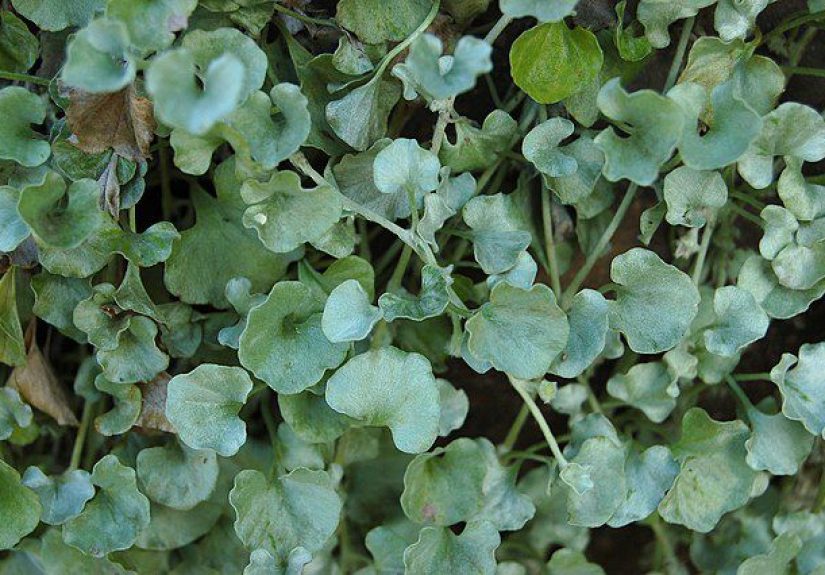
Silver Falls is prized for its soft, shimmering foliage (tiny, rounded leaves on slender trailing stems) and its
“low effort, high reward” personality. It’s heat-tough, drought-tolerant once established, and usually grown as an
annual in most of the U.S.but in warm zones it can behave like a tender perennial and keep the party going year after year.
This guide covers how to plant, grow, prune, water, overwinter, and troubleshoot Silver Falls so it stays lush, silver,
and delightfully dramatic.
What Is Silver Falls Plant (and Why Does Everyone Want It in a Basket)?
Silver Falls is a cultivar of Dichondra argentea, sometimes nicknamed silver nickel vine or
silver pony’s-foot. It forms a low mat (often just a few inches tall) but sends out trailing stems that can
spill several feet, making it ideal as a “spiller” in container designs.
Quick facts at a glance
- Botanical name: Dichondra argentea ‘Silver Falls’
- Plant type: Trailing foliage plant; tender perennial in warm climates, annual elsewhere
- Best feature: Metallic silver foliage and fast trailing growth
- Light: Full sun is best; tolerates light/partial shade
- Soil: Well-draining (sandy/loamy is ideal)
- Water: Low to moderate; prefers drying between waterings
- Common uses: Hanging baskets, window boxes, rock walls, edging, ground cover
Where Silver Falls Grows Best
USDA zones and temperature tolerance
Silver Falls is often described as a tender perennial in warmer climates and a warm-season annual
in most of the country. In practical terms: if your winters include frost, Silver Falls will not be thrilled about it.
Gardeners in very warm areas can sometimes grow it as a perennial ground cover; everyone else typically plants it after the
last frost and enjoys it until fall.
It’s happiest in warm weather and can handle heat like a champ, which is why it shows up in summer containers all over the U.S.
The main threat is cold: even a light frost can damage foliage, so treat it as seasonal outdoors unless you overwinter it inside.
Light requirements (aka: how to keep it silver, not sad-green)
For the best color and density, give Silver Falls full sun (about 6+ hours of direct light). It can tolerate
partial shade, but the foliage may become less brilliantly silver and growth may get a bit more “stringy.”
Indoors, place it in the brightest spot you’ve gotthink a sunny south- or west-facing window.
Soil and drainage
The #1 rule with Silver Falls is simple: drainage matters. This plant prefers well-draining soil and does not
enjoy sitting in moisture. In the ground, sandy or loamy soils are ideal. In containers, use a quality potting mix and make sure
the pot has drainage holes (no holes = plant hostage situation).
If you’re improving garden beds, focus on texture and drainage rather than making the soil rich and heavy. Overly rich,
moisture-holding soil can push leafy growth that’s greener and can increase the risk of rot.
How to Plant Silver Falls
When to plant outdoors
Plant Silver Falls after the last frost, once nights are reliably warm. If you’re in a region with cool springs,
wait until your containers can safely live outside without cold snaps. Silver Falls is a warm-season performerit wants summer,
not suspense.
Planting in containers (most popular option)
Silver Falls shines in hanging baskets, window boxes, and mixed containers. Use it around the edge so it can trail freely.
A simple container formula:
- Thriller: something upright (ornamental grass, salvia, coleus)
- Filler: something mounding (petunias, calibrachoa, begonias)
- Spiller: Silver Falls, doing its waterfall thing
Pot size matters: in a 12–14 inch hanging basket, 2–3 Silver Falls plants can create a full cascade over time.
Use a potting mix that drains well, and consider adding perlite if your mix is heavy.
Planting in the ground as a seasonal ground cover
Silver Falls can also spread as a low ground cover or cascade down a slope or rock wall. Space plants so they have room to fill in;
a common spacing is about 18–24 inches apart if you want coverage without crowding right away.
It will knit together as stems root along the surface.
Silver Falls Plant Care: The Big Three (Light, Water, Pruning)
Watering: “thorough, then chill”
Silver Falls is drought-tolerant once established, but “drought-tolerant” doesn’t mean “never water it.”
It means it prefers a rhythm: water well, then let the soil dry a bit. In containers, check moisture by feeling the top inch
of soilwater when it’s dry to the touch.
In summer heat, baskets may need watering more often simply because pots dry fast. The goal is not constant moisture; the goal is
avoiding extremes (bone-dry for days, then flood). If it wilts slightly, it often perks up quickly after a good drink.
If it stays limp and the soil is wet, that’s your clue to back off.
Fertilizing: less is more (silver likes subtlety)
Silver Falls generally doesn’t need heavy feeding, especially when grown as a seasonal annual. If you’re using it in mixed containers
with heavy feeders (like petunias), a light, balanced fertilizer schedule can helpbut go easy. Too much nitrogen can encourage greener,
softer growth and reduce that crisp silver look.
A practical approach: start with a good potting mix, then use a diluted liquid fertilizer every few weeks during peak growth,
or mix in a slow-release fertilizer at planting and let it do the work. If your plant is growing fine, you can skip extra feeding.
Silver Falls is not a “more fertilizer, more glory” type of plant.
Pruning and pinching: the secret to a fuller cascade
Want it thick and lush instead of long and stringy? Trim it. Snip back long runners to encourage branching and
a denser look. You can do this anytime during the growing season. Pruning also helps keep the center of a container from thinning.
Tip: don’t just trim the ends like a bad haircutoccasionally cut back a few stems closer to the base to stimulate fresh growth.
The plant responds well and fills in with more stems, which means more silver, more spill, more “ooh.”
Propagation: How to Make More Silver Falls (Without a Magic Wand)
Propagation by stem cuttings (easy and fast)
Silver Falls is famously easy to propagate from cuttings. Choose a healthy trailing stem and cut a few inches. Remove leaves from the
lower section and place the node area in moist potting mix. Keep it lightly moist (not soggy) until roots form, then gradually treat it
like a normal plant.
Layering (the “pin it down and let it root” method)
Because stems can root where nodes touch soil, you can propagate by layering. Lay a runner across a nearby pot of
moistened mix, pin it gently so nodes contact the soil, and wait for roots to form. Once it’s rooted, cut it free from the parent.
It’s the plant equivalent of “copy, paste.”
Starting from seed
Some gardeners grow dichondra from seed, typically starting indoors well ahead of the last frost. If you go this route, plan on
starting seeds roughly 8–12 weeks before your last frost date and provide warmth and bright light for steady growth.
Seed-grown plants may not look instantly dramaticgive them time and sun, and they’ll catch up.
Overwintering Silver Falls: Keeping It Alive Past the First Frost
If you love your Silver Falls enough to invite it indoors (no judgment), overwintering is doable. Before frost arrives, take cuttings
or bring a pot inside. Place it in bright light, reduce watering, and keep it on the dry side. Growth will slow in winter, which is normal.
The easiest overwintering strategy is often: take cuttings in late summer, root them, and keep those small plants indoors.
Then you can replant outdoors after the danger of frost passes next spring. It’s like saving your favorite movie for a rewatchsame star,
new season.
Common Problems (and How to Fix Them Without Panicking)
Problem: Yellowing leaves
Yellowing is often a sign of too much water or poor drainage. Let the soil dry more between waterings and confirm your
container drains freely. If the pot feels heavy and wet all the time, adjust your soil mix or watering routine.
Problem: Brown spots or crispy edges
This can happen from underwatering during heat, sudden sun scorch if the plant was moved from shade to full sun too quickly, or pest stress.
Check soil moisture first. If watering looks fine, inspect the undersides of leaves for tiny pests (especially if grown indoors).
Problem: Leggy, thin growth
Usually caused by not enough light and/or not enough pruning. Move it to a sunnier spot and trim back
trailing stems to encourage branching. In a container, rotate the pot weekly so one side doesn’t hog all the sunshine.
Problem: The plant looks “green” instead of silver
Silver Falls keeps its best color in strong light. If it’s in shade or indoors without enough brightness, the foliage can lose some of its
metallic effect. Another culprit can be heavy feedingease up on fertilizer and prioritize sun.
Pests and Diseases: What to Watch For
Silver Falls is generally low on drama, but a few issues can show up:
- Root rot: the most common “disease,” usually from soggy soil or poor drainage.
- Spider mites: more likely indoors or during hot, dry spells; look for stippling and fine webbing.
- Aphids/mealybugs: occasional on tender new growth, especially in mixed plantings.
- Dichondra flea beetles: regional pest noted in parts of the western U.S., can damage foliage and roots.
- Leaf spots/rust: uncommon, but possible if foliage stays wet and airflow is poor.
The best prevention is good culture: sun, airflow, well-draining soil, and watering the soil (not constantly misting the leaves).
If pests appear, start with a firm spray of water, then use insecticidal soap as needed, following label directions.
Design Ideas: How to Use Silver Falls Like a Pro
1) The “silver + purple” high-contrast combo
Silver foliage looks incredible next to purple blooms. Try Silver Falls with purple petunias, verbena, or salvias in a sunny basket.
The silver acts like a spotlight for the colors around it.
2) Rock walls, slopes, and raised beds
Let it spill over a stone edge or raised planter for a “soft waterfall” effect. It’s especially good in hot, reflective spots where other
plants sulk.
3) A modern, drought-smart container
Pair Silver Falls with succulents or heat lovers (like lantana) in a gritty, fast-draining mix. The texture contrastsoft silver leaves against
bold shapeslooks intentionally designed, even if you planted it in a five-minute burst of motivation.
Silver Falls Care Checklist (Printable-in-your-head Edition)
- Sun: Full sun for best silver color
- Soil: Well-draining; don’t trap water
- Water: Deeply, then let dry slightly; containers need more frequent checks
- Fertilizer: Light feeding only if needed
- Prune: Trim runners to thicken growth
- Cold: Protect from frost; overwinter indoors or take cuttings
FAQ
Does Silver Falls come back every year?
In warm climates, it can behave like a tender perennial. In most areas with frost, it’s grown as an annual unless you overwinter it indoors
or restart from cuttings.
Is Silver Falls invasive?
It’s a vigorous trailer, but it’s typically used as an ornamental and is not generally treated as invasive in garden settings. If you’re using it
as ground cover, keep edges trimmed where you want it contained.
Is Silver Falls safe around kids and pets?
It’s commonly considered non-toxic, but it’s still smart to discourage nibbling (plants aren’t snacks, no matter how fancy they look).
If you have a pet that samples everything, place baskets out of reach.
Experience Notes: Real-World Tips Gardeners Learn the Fun Way ()
Silver Falls has a reputation for being easy, and it usually isright up until someone loves it a little too much with the watering can.
A common gardener experience is this: you plant it, it looks a bit modest for the first couple of weeks, and you start wondering if you got
the “Silver Drizzle” variety by mistake. Then a heat wave hits, the sun gets intense, and suddenly it takes off like it’s auditioning for a
shampoo commercial. The biggest lesson is patience early on, followed by regular trimming once it starts trailing. That first haircut feels
wrong (“But it’s finally growing!”), yet it’s often what turns a few long strings into a thick, cascading curtain.
Another frequent discovery is how much container choice changes the whole relationship. In a hanging basket, Silver Falls dries out fast
and may need more frequent checksespecially on windy patios where moisture disappears like a magician’s assistant. In contrast, the same plant in a
wide, shallow pot with a gritty mix can look lush with surprisingly little watering. Many gardeners end up “mixing for drainage” on purpose: potting mix
plus perlite, or potting mix plus a handful of grit, because the plant seems to reward airy soil with healthier roots and brighter foliage.
People also notice that Silver Falls is a color-shifter depending on light. In strong sun, it’s intensely silver and reflective. Move it into partial shade,
and it can look softer, sometimes slightly greener, and a bit less dense. This shows up a lot in mixed containers: the side facing the sun becomes the star,
while the shaded side looks like it’s still waking up. The fix is simple and oddly satisfyingrotate the pot once a week. You’ll be amazed how evenly it fills in
when you stop letting it lean toward the light like a houseplant in a teen movie.
Overwintering stories tend to fall into two camps. Camp A brings the whole container inside and then learns that indoor light is not the same as outdoor sun.
Growth slows and stems can stretch. Camp B takes late-summer cuttings, roots them, and keeps small starter plants through winter in a bright window. Camp B is
usually happier in spring because small plants adjust better and take up less space. Either way, the “aha” moment is that winter care is mostly about restraint:
less water, brighter light, and accepting that it won’t look like peak-summer glory while it’s inside.
Finally, gardeners often end up loving Silver Falls as a design tool. It’s one of those plants that makes bright flowers look brighter and dark foliage look richer.
Try pairing it with purple petunias or deep burgundy coleus and you’ll see why it’s a container favorite. It’s also a “texture softener” in landscapesspilling over
rocks, edges, and walls to make hard lines look intentional and cozy. The most common real-world takeaway: if you give it sun, let it dry a bit between waterings,
and trim it like you mean it, Silver Falls will do the restand it will do it with style.
Conclusion
Silver Falls plant care is refreshingly straightforward: sun, sharp drainage, and a light hand with water.
Give it a bright spot, let the soil dry slightly between waterings, and trim runners to encourage fullness. Whether you use it as a shimmering spiller in a hanging basket,
a soft cascade over a rock wall, or a low seasonal ground cover, Silver Falls delivers huge visual impact with minimal fussexactly the kind of overachiever we like in a plant.