Table of Contents >> Show >> Hide
- What Is a Black Pepper Plant?
- Best Growing Conditions for Black Pepper
- How to Plant Black Pepper
- Give the Vine Something to Climb
- Watering Black Pepper the Right Way
- Fertilizing Black Pepper
- Pruning and Training the Plant
- When Will Black Pepper Produce Peppercorns?
- How to Harvest Black Peppercorns
- Common Problems When Growing Black Pepper
- Growing Black Pepper Indoors
- Growing Black Pepper Outdoors
- Best Companion Setup for Containers
- Extra Growing Experiences and Practical Lessons
- Conclusion
- SEO Tags
Note: This guide is written for home gardeners who want to grow Piper nigrum, the true black pepper plant, in warm outdoor climates, greenhouses, sunrooms, or indoor containers. It focuses on practical growing steps, realistic expectations, and care tips based on established horticultural guidance.
Black pepper is so common on the dinner table that it is easy to forget it comes from an actual plantnot from a tiny shaker mine operated by dinner elves. The real source is Piper nigrum, a tropical evergreen vine that produces clusters of small fruits called peppercorns. Those fruits can become black, white, green, or red pepper depending on when they are harvested and how they are processed.
Learning how to grow black pepper is not difficult, but it does require the right expectations. This is not a fast annual like basil or cilantro. It is a warm, humidity-loving, climbing vine that wants steady moisture, filtered light, rich soil, and patience. In tropical regions, it can grow outdoors year-round. In most of the United States, gardeners grow black pepper as a greenhouse plant, houseplant, or patio container that comes indoors before cold weather arrives.
The reward? A glossy, unusual, conversation-starting peppercorn plant that may eventually produce real peppercorns. Even if your harvest is small, grinding pepper from your own vine feels wonderfully ridiculous in the best possible waylike telling your salad, “Yes, I raised this seasoning myself.”
What Is a Black Pepper Plant?
Black pepper, botanically known as Piper nigrum, is a perennial tropical vine in the Piperaceae family. It is native to humid tropical regions of South and Southeast Asia and is now cultivated in many warm parts of the world. Unlike bell peppers and chili peppers, which belong to the nightshade family, true black pepper is a climbing vine with heart-shaped leaves and small flower spikes.
The edible part is the fruit, commonly called a peppercorn. The same plant can produce several familiar forms of pepper. Black pepper is made from immature green fruits that are dried until they wrinkle and darken. White pepper comes from fully mature fruits with the outer skin removed. Green peppercorns are usually harvested young and preserved before drying. Red peppercorns from Piper nigrum are the fully ripe fruits, though they should not be confused with pink peppercorns from unrelated plants.
Best Growing Conditions for Black Pepper
Black pepper is a tropical plant, so the closer you can get to “warm rainforest vacation,” the happier it will be. It prefers temperatures above 60°F, with stronger growth when daytime temperatures stay around 70°F to 85°F. The plant dislikes cold drafts, frost, and sudden temperature swings. If your winter involves scraping ice off a windshield, your black pepper plant belongs indoors before fall gets serious.
Light Requirements
Black pepper grows best in bright, indirect light or partial sun. Outdoors, it appreciates dappled shade, especially in hot afternoon conditions. Indoors, place it near a bright east-facing window or a filtered south-facing window. Too little light leads to weak, stretched growth, while harsh direct sun can scorch leaves, especially on plants raised indoors.
Soil Requirements
The ideal soil is fertile, rich in organic matter, and well-draining while still holding consistent moisture. A good container mix might include high-quality potting soil, compost, orchid bark, and perlite. The goal is simple: moist but not swampy. If the potting mix stays soggy for days, roots can rot. If it dries into a brick, the plant sulks dramatically, and frankly, it has a point.
Humidity and Airflow
Black pepper enjoys moderate to high humidity. Indoors, dry air can cause brown leaf edges and slow growth. A humidifier, pebble tray, or grouping the plant with other tropical houseplants can help. Good airflow matters too. Humid does not mean stale. A warm room with gentle air movement is better than a sealed jungle box where fungal problems can throw a houseplant party.
How to Plant Black Pepper
You can grow black pepper from seed, but starting from a healthy young plant or rooted cutting is usually easier. Seeds must be fresh to germinate well, and many dried peppercorns sold for cooking have been processed in ways that make them unsuitable for planting. In other words, do not expect the pepper grinder on your table to become a farm. It has already chosen its career path.
Growing Black Pepper from Cuttings
Stem cuttings are the most reliable way to propagate black pepper. Choose a healthy vine section with several nodes. Remove the lower leaves, place the cutting in a moist propagation mix, and keep it warm and humid until roots develop. A clear humidity dome or plastic cover can help, but open it regularly to prevent mold. Once the cutting has strong roots and new growth, move it into a small pot with rich, well-draining soil.
Growing Black Pepper from Seed
If you have access to fresh, viable seeds, soak them in warm water for about 24 hours before planting. Sow them shallowly in a warm, moist seed-starting mix. Keep the soil consistently moist and maintain warm temperatures. Germination can be slow and uneven, so patience is required. This is not the crop for gardeners who check the pot every 11 minutes and whisper, “Are we there yet?”
Choosing the Right Pot
For container growing, start with a pot that is slightly larger than the root ball and has drainage holes. An 8- to 10-inch pot can support a young plant, while mature vines may need a larger container. Avoid oversized pots at the beginning because extra wet soil around small roots can increase the risk of rot. Repot gradually as the plant grows.
Give the Vine Something to Climb
Black pepper is a climbing vine, not a compact little herb that politely stays in one corner. It needs support. Use a moss pole, cedar stake, bamboo cane, trellis, or rough wooden post. The vine naturally grows upward and may root at nodes when conditions are humid. Tie stems loosely with soft plant ties until they grip the support.
In tropical gardens, black pepper is often grown on living trees or support posts. In containers, a sturdy stake or trellis works well. Keeping the vine vertical also improves airflow, makes pruning easier, and encourages a more attractive shape. A sprawling pepper vine is charming in theory, but in practice it becomes a leafy shoelace across your floor.
Watering Black Pepper the Right Way
Water black pepper when the top inch of soil begins to feel slightly dry, but do not let the entire root ball dry out. The plant prefers even moisture. During active growth in spring and summer, it may need more frequent watering. In cooler months, indoor plants usually need less.
The most common watering mistake is keeping the plant constantly wet. Moist soil is good. Waterlogged soil is trouble. Use a pot with drainage holes, empty saucers after watering, and choose a mix that drains freely. Yellowing leaves, mushy stems, or sour-smelling soil may signal overwatering. Crispy leaf edges and wilting in dry soil may mean the plant needs more moisture or humidity.
Fertilizing Black Pepper
Black pepper is a moderate feeder. During the growing season, feed it with a balanced liquid fertilizer every two to four weeks, diluted according to label directions. You can also top-dress with compost or use a gentle organic granular fertilizer. Avoid overfertilizing, which can burn roots or push weak, floppy growth.
In fall and winter, reduce or pause feeding if growth slows. Indoor tropical plants often rest when light levels drop. Feeding heavily during low-light months is like serving a full buffet to someone taking a nap. Technically generous, but not very useful.
Pruning and Training the Plant
Pruning helps black pepper stay manageable and encourages branching. Trim long, weak, or tangled stems with clean pruners. Remove yellowing or damaged leaves as needed. If you want a fuller plant, pinch back growing tips lightly during active growth.
As vines lengthen, guide them onto the support. Do not tie stems tightly. Leave room for growth and movement. A well-trained peppercorn plant can become an attractive indoor specimen with glossy leaves and a tropical look, even before it produces fruit.
When Will Black Pepper Produce Peppercorns?
This is the big question, and the honest answer is: not immediately. Black pepper may take several years to flower and fruit, especially when grown indoors or in containers. Strong light, warm temperatures, high humidity, steady care, and maturity all improve the odds.
Flowers appear as slender spikes, followed by small round green fruits if conditions are right. The plant is capable of producing fruit in a container, but indoor harvests are usually modest. Think of homegrown black pepper as a specialty project, not a plan to overthrow the spice aisle.
How to Harvest Black Peppercorns
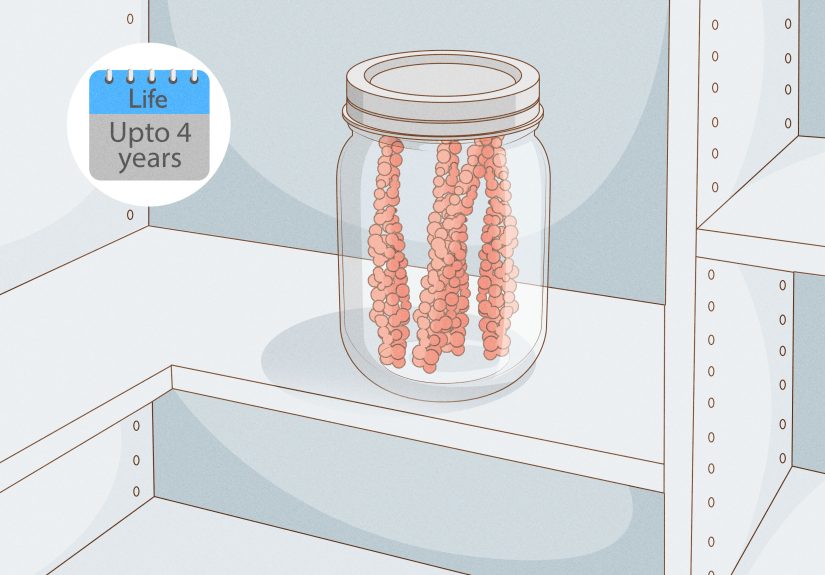
To make black pepper, harvest the fruit spikes when the peppercorns are full-sized but mostly green, often just as a few berries begin to blush red. Remove the fruits from the spike and dry them in a warm, well-ventilated place until they turn dark, wrinkled, and hard. This drying process creates the familiar black peppercorn appearance.
For white pepper, the fruits are typically allowed to ripen more fully, then soaked so the outer fruit layer can be removed before drying the inner seed. Green peppercorns are harvested young and preserved rather than fully dried. For most home gardeners, black pepper is the easiest style to process.
Common Problems When Growing Black Pepper
Yellow Leaves
Yellow leaves often point to overwatering, poor drainage, low light, or nutrient imbalance. Check soil moisture first. If the pot is heavy and soggy, let it dry slightly and improve drainage. If the plant is in a dim corner, move it to brighter indirect light.
Brown Leaf Tips
Brown tips usually come from dry air, inconsistent watering, fertilizer buildup, or mineral-heavy water. Increase humidity, water evenly, and occasionally flush the potting mix with clean water to remove excess salts.
No Flowers or Fruit
A young plant may simply need more time. Mature plants also need warmth, bright light, humidity, and steady nutrition. If your plant looks healthy but refuses to fruit, improve light and warmth before blaming it for laziness.
Pests
Indoor black pepper plants may attract mealybugs, spider mites, scale, or aphids. Inspect leaf undersides and stem joints regularly. Treat early with insecticidal soap or horticultural oil, following product directions. A healthy plant in the right environment is less likely to suffer major pest problems.
Growing Black Pepper Indoors
For most American gardeners, indoor growing is the most practical option. Choose a warm room with bright light and stable temperatures. A sunroom, greenhouse, or bright kitchen window can work well. Use a humidifier if winter air becomes dry. Keep the vine away from heating vents, air conditioners, and cold windows.
If light is limited, a full-spectrum grow light can make a major difference. Place the light above the plant and run it for 12 to 14 hours per day during darker months. This helps maintain steady growth and may improve the chance of flowering once the vine matures.
Growing Black Pepper Outdoors
Outdoor black pepper is realistic only in frost-free, tropical or subtropical climates. In the continental United States, that usually means very warm areas or protected microclimates. Gardeners in cooler regions can move potted plants outdoors for summer, then bring them inside before nighttime temperatures drop too low.
When moving a plant outdoors, acclimate it gradually. Start in shade, then slowly increase light exposure over one to two weeks. Sudden direct sun can burn indoor-grown leaves. When fall approaches, inspect for pests before bringing the plant back inside. Nobody wants to import a spider mite convention into the living room.
Best Companion Setup for Containers
A successful container setup includes a breathable pot, rich potting mix, vertical support, humidity, and bright filtered light. Add mulch such as fine bark or leaf mold over the soil surface to conserve moisture, but keep it away from the stem base. Use a saucer only if you empty it after watering.
For a polished indoor display, place the vine on a moss pole in a heavy ceramic pot. For a greenhouse setup, use a larger nursery pot with a tall wooden stake. The plant cares less about style than stability, but humans enjoy pretending the pot color was part of a grand botanical design plan.
Extra Growing Experiences and Practical Lessons
One of the biggest lessons from growing black pepper is that consistency beats intensity. Many gardeners try to “boost” the plant with extra fertilizer, extra water, extra sun, and extra attention. The vine usually responds better to boring reliability: warm room, bright filtered light, evenly moist soil, gentle feeding, and enough humidity. Black pepper does not need drama. It needs a steady tropical routine.
Another useful experience is learning to read the leaves. Glossy, firm, medium-green leaves usually mean the plant is comfortable. Pale leaves may suggest low nutrients or insufficient light. Drooping leaves can mean thirst, but they can also appear when roots are too wet and struggling. That is why checking the soil before watering matters. The finger test is simple and still one of the best tools. Push a finger into the top inch of soil. If it feels lightly moist, wait. If it feels nearly dry, water thoroughly.
Container gardeners often discover that black pepper grows more confidently after it finds support. A young vine left to flop over the pot may survive, but it often looks messy and grows slowly. Once tied gently to a pole or trellis, it tends to produce more organized vertical growth. This makes sense because the plant is naturally built to climb. Giving it a support is not decoration; it is a lifestyle upgrade.
Patience is also part of the experience. Many first-time growers expect peppercorns within a season. In reality, the first year is mostly about roots, leaves, and structure. The second and third years may bring stronger vines. Flowering and fruiting are more likely once the plant is mature and conditions remain warm and bright. If the plant never fruits indoors, it can still be a beautiful tropical houseplant. The harvest is a bonus, not the only measure of success.
Humidity can be the secret difference between a plant that merely survives and one that looks lush. In dry homes, especially during winter heating season, leaf tips may brown even when watering is correct. A small humidifier near tropical plants can improve growth noticeably. Grouping plants together also helps create a slightly more humid microclimate. Just avoid crowding them so tightly that air cannot move.
Repotting teaches another important lesson: bigger is not always better. A small black pepper plant placed in a huge pot can sit in wet soil too long, leading to root problems. Move up one pot size at a time. Repot when roots fill the container or watering becomes difficult because the root ball dries quickly. Fresh mix and a slightly larger home can restart growth, but oversized containers often cause more problems than they solve.
Finally, harvesting even a small handful of homegrown peppercorns changes how you think about spices. Each peppercorn represents months or years of plant care, warm temperatures, watering decisions, and patient observation. That tiny sprinkle over scrambled eggs suddenly has a backstory. Growing black pepper is not the fastest gardening project, but it is one of the most satisfying for curious gardeners who enjoy tropical plants, edible houseplants, and the occasional bragging right at dinner.
Conclusion
Growing black pepper is a rewarding project for gardeners who can provide warmth, humidity, bright filtered light, and patience. Start with a healthy plant or cutting, give the vine a sturdy support, keep the soil evenly moist but never waterlogged, and feed gently during active growth. In warm climates, black pepper can grow outdoors as a climbing tropical vine. In cooler regions, it performs best as a container plant, greenhouse specimen, or indoor tropical houseplant.
The secret is to treat Piper nigrum like the tropical vine it isnot like a quick kitchen herb. Give it time to mature, and it may reward you with real peppercorns. Even before harvest, the plant brings glossy foliage, climbing growth, and a little spice-rack magic to your home garden.