Table of Contents >> Show >> Hide
- Why Dill Is Worth Growing (Even If You Only Want It for One Recipe)
- Choose the Right Dill Variety for Your Garden Goals
- Where to Plant Dill: Sun, Soil, and Wind (Yes, Wind)
- When to Plant Dill (and Why Direct-Sowing Usually Wins)
- How to Plant Dill Seeds Step by Step
- Dill Plant Care: Watering, Feeding, and Keeping It Bushy
- Growing Dill in Containers (Because Not Everyone Has a Backyard)
- Companion Planting: Where Dill Plays Nicely (and Where It Doesn’t)
- Troubleshooting: Common Dill Problems (and What to Do)
- How to Harvest Dill (Leaves, Flowers, and Seeds)
- How to Store Dill So It Doesn’t Turn Into Sad Green Confetti
- Cooking With Dill: Practical Ideas (So Your Harvest Gets Used)
- Gardeners’ Real-Life Dill Experiences (and What They Teach You)
- Conclusion: Grow Dill Like a Pro (and Cook Like One Too)
Dill is the herb equivalent of that friend who shows up to the party with snacks, good stories, and a spare phone charger.
It smells amazing, tastes like summer, feeds pollinators, andif you let itwill happily reseed itself like it pays rent.
Whether you’re growing dill for fresh fronds (aka “dill weed”), for those umbrella-shaped flower heads, or for the seeds that make pickles taste like pickles,
this guide will walk you through how to grow dill successfully in a home garden or a containerand how to harvest it without turning your plant into a sad little stick.
Why Dill Is Worth Growing (Even If You Only Want It for One Recipe)
Dill (Anethum graveolens) is a fast-growing, aromatic annual herb with feathery foliage and yellow flowers. It’s beloved in the kitchen for everything from
tzatziki and potato salad to salmon, soups, andof coursedill pickles. In the garden, dill attracts beneficial insects and pollinators, and it can be an easy,
low-drama addition to a veggie bed, raised bed, or herb pot.
The big dill benefits
- Quick harvests: You can start snipping foliage within weeks of sprouting.
- Great for succession planting: Sow small batches every few weeks to keep the flavor coming.
- Dual-purpose: Leaves for fresh cooking, flowers and seeds for pickling and spice blends.
- Pollinator-friendly: Umbel flowers are basically a buffet sign for beneficial insects.
Choose the Right Dill Variety for Your Garden Goals
Not all dill grows the same way. Some varieties stay compact and slow to bolt, while others shoot up tall and produce generous seed heads.
Choosing the right type makes the whole “how to grow dill” process easierand makes your harvest more predictable.
Popular dill varieties (and why you’d pick them)
- ‘Fernleaf’: Compact, container-friendly, and often slower to boltgreat for patio herb gardens.
- ‘Bouquet’: A classic choice for both leafy harvest and seed heads.
- ‘Long Island Mammoth’: Tall and generous, especially useful if you want lots of flowers and seeds for pickling.
Where to Plant Dill: Sun, Soil, and Wind (Yes, Wind)
Dill likes conditions that are simple but specific: plenty of sun, well-drained soil, and enough space to grow without competing.
Because dill can grow tall with airy foliage, it also appreciates protection from strong windsor a little support if it’s living its skyscraper dreams.
Sunlight
For best growth and flavor, give dill full sun (aim for 6–8 hours of direct sunlight). In very hot climates,
light afternoon shade can help slow bolting and keep foliage tender.
Soil
Dill grows well in well-draining soil and doesn’t need heavy fertility. Too much rich nitrogen can make it lush but floppy,
and constantly soggy soil is a shortcut to weak growth. If your soil is compacted or clay-heavy, amend with compost and plant on a slight mound or in a raised bed.
Wind and spacing
Tall dill can lean in wind, especially once it starts flowering. Plant it near a fence, tuck it behind shorter plants,
or be ready to stake tall varieties. Spacing matters toocrowding reduces airflow and encourages pests to move in like they own the place.
When to Plant Dill (and Why Direct-Sowing Usually Wins)
Dill is famously not a fan of transplanting. It develops a taproot, and disturbing it can slow or stunt growth.
That’s why most gardeners get the best results by direct-sowing dill seeds where the plant will live.
Timing outdoors
- After frost danger passes: Sow in spring once hard frosts are done.
- Cool-season advantage: Dill grows happily in mild spring weather and often performs again in early fall.
- Succession planting: Sow a small patch every few weeks for a steady supply of fresh dill for cooking.
Can you start dill indoors?
You can, but it’s tricky because dill doesn’t love being moved. If you start seeds indoors, use deep, biodegradable pots
(or soil blocks) and transplant gently while seedlings are small. For most home gardeners, direct sowing is easier and more reliable.
How to Plant Dill Seeds Step by Step
Planting dill is refreshingly low-tech. You don’t need a greenhouse, a chanting circle, or a moon-phase app (though if that’s your vibe, no judgment).
You just need seeds, soil, light, and a little patience.
Step 1: Prep the planting area
- Loosen the top few inches of soil so roots can dive in.
- Mix in compost if your soil is very sandy or depleted.
- Choose a spot that drains well after rain.
Step 2: Sow the seeds
- Planting depth: About 1/4 inch deep, then lightly cover.
- Water gently: Keep the seedbed evenly moist, not swampy.
- Germination: Expect sprouts in roughly 1–3 weeks, depending on temperatures.
Step 3: Thin seedlings (this is the part everyone “forgets”)
Once seedlings are up and growing, thin them so plants have breathing room. Aim for about 9–12 inches between plants
(a bit more for taller varieties). Thinning feels mean, but overcrowding is meaner.
Dill Plant Care: Watering, Feeding, and Keeping It Bushy
Watering
Water dill consistently while it’s young, then shift to a “deep but not daily” rhythm. The goal is steady growth without waterlogging.
Check soil with a finger: if the top inch is dry, it’s usually time to water. If it’s damp, let it be.
Fertilizing
Dill typically doesn’t need heavy fertilizing. If you’ve added compost at planting time, that’s often enough.
Overfeeding can push lots of soft growth that flops over and bolts faster in heat.
Pruning and pinching
Want more leafy dill for cooking? Start harvesting early and often. Snipping the tips encourages branching and helps keep plants fuller.
If your dill starts racing toward flowering and you want leaves, you can remove some flower stems to slow the processthough you’ll sacrifice seed production.
Growing Dill in Containers (Because Not Everyone Has a Backyard)
Dill can thrive in containers as long as the pot is deep enough for its taproot. This makes dill a smart choice for patios, balconies,
and anyone whose garden is technically “a sunny windowsill and optimism.”
Container dill checklist
- Pot depth: Choose a container at least 10–12 inches deep.
- Soil: Use quality potting mix with good drainage.
- Sun: Place where it gets strong light (moveable pots are great for chasing the sun).
- Water: Containers dry out faster, so monitor more oftenespecially in summer.
Companion Planting: Where Dill Plays Nicely (and Where It Doesn’t)
Dill is often described as a “beneficial insect magnet,” which can help in an integrated pest management plan.
But like any garden neighbor, it has preferences.
Good garden neighbors for dill
- Cucumbers: A classic pairing, especially if pickles are in your future.
- Cabbage-family crops (broccoli, kale, cabbage): Dill’s flowers can attract beneficial insects that help manage pests.
- Lettuce and other cool-season greens: They share similar timing in spring and fall.
Plants to keep at a distance
- Fennel: Avoid planting near fennel; they can cross-pollinate and produce odd-tasting seedlings.
- Carrots and related crops: Dill is in the same family (Apiaceae), and close planting can increase pest and disease overlap.
- Tomatoes: Some gardeners report slowed tomato growth if dill is too closegive them space if you’re unsure.
Troubleshooting: Common Dill Problems (and What to Do)
Problem: Dill is tall and floppy
- Likely causes: Too much shade, too much nitrogen, or wind exposure.
- Fix: Move container dill into more sun, skip fertilizing, thin crowded plants, and stake tall stems.
Problem: Dill bolted (flowered) fast
- Likely causes: Heat stress, dry spells, or the plant simply hitting maturity.
- Fix: Succession-plant every few weeks, water consistently, and consider afternoon shade in hot weather.
- Silver lining: Flowers are edible, great for garnishes, and you can harvest seeds for pickling or saving.
Problem: Pests are chewing on leaves
Dill can attract aphids and caterpillars. Sometimes that’s frustrating; sometimes it’s nature doing nature things.
If you spot clusters of aphids, try a strong spray of water to dislodge them. If caterpillars are present,
decide whether you’re okay sharing (some gardeners plant extra dill specifically because it’s a host plant for swallowtail butterflies).
How to Harvest Dill (Leaves, Flowers, and Seeds)
Harvesting is where dill goes from “cute feathery plant” to “the reason your potato salad disappears first.”
Timing matters, because dill’s flavor changes as it flowers. You can harvest at multiple stages depending on how you cook.
Harvesting dill leaves for cooking
- When: Start snipping once plants are about 6 inches tall and have several leafy stems.
- How: Use clean scissors and cut above a leaf node to encourage branching.
- Rule of thumb: Don’t take more than about one-third of the plant at a time.
- Best flavor: Many cooks prefer leaves before full flowering, when the taste is bright and delicate.
Harvesting dill flowers
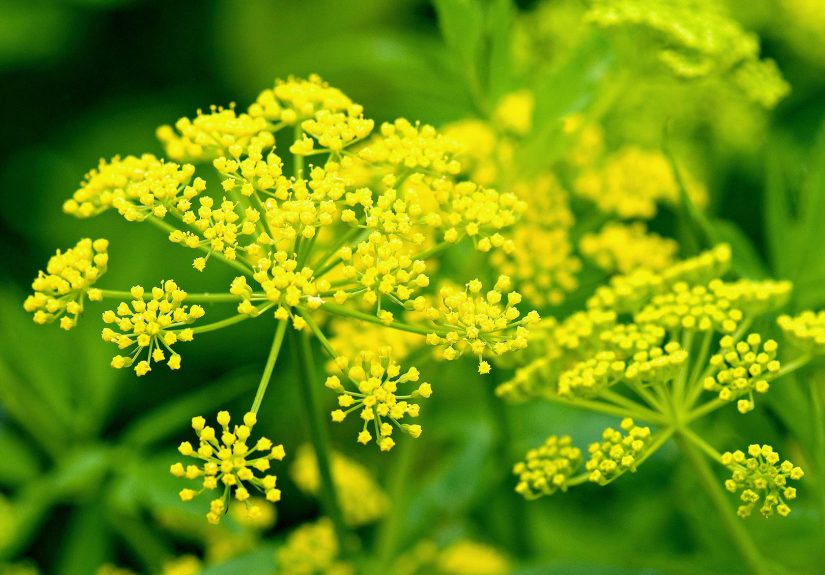
Dill flower heads (those flat, umbrella-like clusters) are edible and can be used in pickling brines or as a garnish.
If you want seeds later, let some flower heads remain on the plant.
Harvesting dill seeds (for pickles, spice, or seed saving)
- When: Harvest when seed heads begin to turn tan/brown and dry, before seeds shatter.
- How: Cut seed heads and dry them in a paper bag so falling seeds are captured.
- Bonus: Saved dill seeds are both a kitchen spice and next year’s garden plan.
How to Store Dill So It Doesn’t Turn Into Sad Green Confetti
Fresh dill is fragrant and delicate, which is a polite way of saying it can wilt dramatically if stored poorly.
If you want dill for cooking all year, preservation matters almost as much as growing.
Short-term storage (fresh)
- Wrap fronds in a slightly damp paper towel and store in a bag/container in the fridge.
- Or stand stems in a jar with a little water, loosely covered, and refrigerate.
Freezing
Freezing is one of the best ways to preserve dill’s flavor. Chop and freeze in small portions, or freeze whole sprigs.
You can also freeze chopped dill in ice cube trays with water or broth for easy soup and sauce add-ins.
Drying
Drying works well for seed heads and can work for leaves toojust know the flavor shifts.
Dried dill is best in cooked dishes where it can rehydrate and mellow in.
Cooking With Dill: Practical Ideas (So Your Harvest Gets Used)
Growing dill is satisfying, but eating dill is the real victory lap. Here are a few ways to use fresh and preserved dill without repeating the same recipe forever.
Quick dill ideas
- Classic: Stir chopped dill into Greek yogurt with lemon, garlic, and salt for a fast sauce.
- Weeknight upgrade: Add dill at the end of cooking for scrambled eggs, roasted potatoes, or salmon.
- Pickle power: Use flower heads and seeds in quick pickle brines for cucumbers, carrots, or green beans.
- Herb butter: Mix softened butter with dill, lemon zest, and a pinch of saltfreeze in a log for later.
Gardeners’ Real-Life Dill Experiences (and What They Teach You)
If you ask a group of gardeners about dill, you’ll get a surprisingly emotional range of answers: love, frustration, pride, and the occasional
“it reseeded everywhere and now I’m basically running a dill daycare.” That’s because dill is one of those plants that responds quickly to your choices.
Give it good conditions, and it rewards you fast. Ignore a few basics, and it will still growbut it might do it in a way that teaches you a lesson.
One of the most common experiences is the “why is my dill flowering already?” moment. Gardeners plant dill for tender fronds and imagine weeks of leafy harvest,
then suddenly there’s a yellow umbrella and the plant looks like it’s trying to audition for a wildflower meadow. The takeaway:
dill is a cool-season herb that reacts to heat and dryness by rushing toward reproduction. Gardeners who succeed long-term don’t fight thisthey plan for it.
They sow smaller batches every few weeks, harvest early, and treat bolting as a phase rather than a failure. Once you expect dill to bolt eventually,
it becomes less of a drama and more of a schedule.
Another familiar story is the “container dill surprise.” People often pop dill into a cute little pot, then wonder why it looks stunted or dries out every afternoon.
The lesson here is simple: dill wants depth. A deeper container holds moisture longer and gives the taproot room to grow, which translates to stronger stems
and a more forgiving watering routine. Gardeners who switch from a shallow pot to a deeper one often report an immediate improvementmore vigor,
less wilting, and fewer “I watered this two hours ago” complaints.
Then there’s the beneficial-insect experience: gardeners notice dill flowers buzzing with tiny pollinators and helpful predators, and suddenly they understand
why people talk about planting for biodiversity. Dill’s umbels are like landing pads for beneficial insects, and gardeners often see improved garden “balance”
nearbyfewer pest blow-ups, more natural predation, and a general sense that the garden is working as a system rather than a collection of isolated plants.
The practical takeaway is to let at least a few dill plants flower, even if you’re primarily growing dill for cooking. You can still harvest leaves early,
and later you’ll gain flowers, seeds, and insect activity as a bonus.
Of course, not every dill experience is peaceful. Some gardeners discover chew marks and find caterpillars. The emotional arc usually goes:
annoyance → curiosity → acceptance → planting extra dill next time. Dill can be a host plant for swallowtail butterflies, and gardeners who enjoy wildlife
often decide to “share” by growing a few extra plants. The lesson: if you want perfect leaves, grow more dill than you think you need and harvest early.
If you’re okay with nature’s snack tax, let a portion of the patch be a habitat zone. Either way, your best strategy is abundancedill grows fast,
and extra plants mean you don’t have to panic over every missing frond.
Finally, many gardeners have the delightful experience of accidental self-seeding. One year you plant dill; the next year dill politely reappears
like it remembered your address. This is greatuntil it pops up in the “wrong” spot. The lesson is to manage self-seeding intentionally:
decide where you’re okay with volunteer seedlings, pull extras early, and thin ruthlessly. With a little editing, self-seeding becomes free planting
instead of garden chaos. And if you do end up with too much dill? Congratulations: you’ve just become the friend who brings the best dip to every gathering.
Conclusion: Grow Dill Like a Pro (and Cook Like One Too)
Growing dill for the garden and cooking comes down to a few reliable principles: give it sun, keep the soil well-drained, sow seeds where the plant will live,
thin for airflow, harvest early for leafy flavor, and succession-plant so you’re never stuck with “all flowers, no fronds.” Let some plants bloom if you want seeds,
pickling heads, and pollinator action. And remember: dill is generous. If you grow a little extra, you’ll have enough for cooking, preserving, and sharingwithout
negotiating with your plant like it’s a tiny green landlord.