Table of Contents >> Show >> Hide
- What “Groin Fat” Usually Means
- Can You Target Groin Fat With Exercise?
- Why Men Tend to Hold Fat in This Area
- The Best Workout Strategy for Losing Groin Fat
- Sample Weekly Plan
- Diet Tips That Actually Help
- Lifestyle Habits That Make Fat Loss Easier
- What Not to Do
- When It’s Not Just Fat
- Real-World Experience: What Men Often Notice During the Process
- Conclusion
If you searched for “how to lose groin fat,” you’re probably not writing a doctoral thesis on anatomy. You’re looking in the mirror, noticing extra softness around the upper inner thighs, hip crease, or lower-ab area, and wondering how to slim it down without signing your soul over to celery sticks and misery.
Here’s the honest answer: you can strengthen the muscles around your groin, hips, core, and legs, but you can’t force your body to burn fat from only that one spot. The body likes to lose fat on its own schedule, which is rude, but very on-brand for biology. The good news is that you can reduce overall body fat, improve muscle definition, and make that whole region look leaner with the right mix of training, nutrition, recovery, and patience.
This guide explains what people usually mean by “groin fat,” why spot reduction doesn’t work, which exercises actually help, how to eat for steady fat loss, and what signs mean it’s time to stop Googling and talk to a doctor.
What “Groin Fat” Usually Means
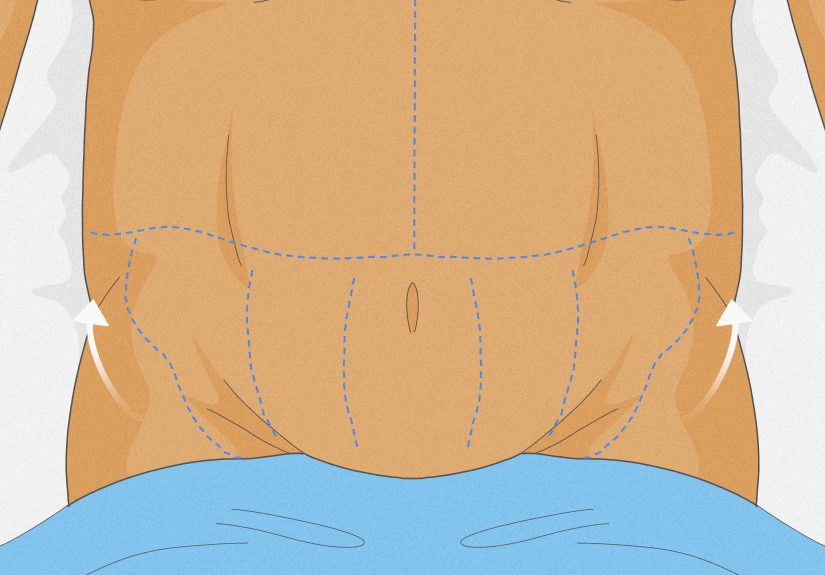
Most men are not talking about a separate, magical pocket of fat with its own ZIP code. In real life, “groin fat” usually refers to one or more of these areas:
- Upper inner thigh fat
- Fat near the hip crease
- Lower abdominal fat that hangs toward the groin
- Soft tissue around the pelvis and upper legs
That matters because different tissues can create a similar look. Sometimes it’s simply body fat. Sometimes it’s poor posture, weak core and glute muscles, bloating, or loss of muscle tone. And sometimes a bulge in the groin is not fat at all. A groin lump, swelling, or painful bulge can be related to a hernia or another medical issue and should not be brushed off as “I guess I just need more squats.”
Can You Target Groin Fat With Exercise?
Not directly. You can target muscles. You cannot target fat loss from one specific body part.
This is where a lot of guys get trapped in the land of “I did 200 side lunges and my inner thighs still look the same.” That’s because endless reps of one movement do not melt nearby fat. What they can do is strengthen the adductors, glutes, quads, hamstrings, and core. Over time, as overall body fat comes down, stronger muscles underneath can help the area look firmer and more athletic.
So the winning strategy is simple: lose total body fat while building the lower-body muscles that shape the area around the groin.
Why Men Tend to Hold Fat in This Area
Men often store extra fat in the lower abdomen, waist, hips, and upper thighs depending on genetics, hormones, age, activity level, sleep, and diet quality. That means two men at the same weight can look very different. One stores more fat in his belly. Another carries it through the thighs and pelvic area. Neither body is broken. It’s just different fat distribution.
That also means comparison is a terrible coach. The best plan is to focus on habits you control: strength training, cardio, smart food choices, sleep, and consistency over time.
The Best Workout Strategy for Losing Groin Fat
1. Prioritize Full-Body Fat Loss
If your goal is to slim the groin area, your training should not revolve around one tiny patch of anatomy. It should revolve around total energy expenditure and muscle retention. That means:
- Strength training 3 to 4 days per week
- Cardio 2 to 5 days per week, depending on your current activity level
- Walking more every day
- Reducing long stretches of sitting
A good rule of thumb is to treat fat loss like a team sport. Your diet is the captain. Strength training is the MVP. Cardio is the high-motor teammate. Daily movement is the glue guy nobody respects enough until he leaves.
2. Build Muscle in the Lower Body
These exercises won’t magically burn groin fat, but they are excellent for strengthening the muscles around that region and improving how your lower body looks and performs:
- Goblet squats: Great for quads, glutes, and core
- Bodyweight or dumbbell lunges: Train balance, legs, and hips
- Side lunges: Especially useful for the inner thighs and adductors
- Romanian deadlifts: Build hamstrings and glutes
- Step-ups: Improve unilateral leg strength
- Glute bridges or hip thrusts: Help support pelvis and hips
- Copenhagen planks or modified adductor holds: Target inner-thigh strength
- Planks and dead bugs: Build core stability so your lower body mechanics improve
If you’re new to training, start with 2 to 3 sets of 8 to 12 reps per movement and leave your ego in the parking lot. Form matters more than loading up the bar like you’re auditioning for an action movie montage.
3. Add Cardio That You’ll Actually Stick With
Cardio helps create the calorie deficit needed for fat loss, but it doesn’t have to mean punishing treadmill sessions that feel like emotional warfare. Choose options you can repeat:
- Brisk walking
- Cycling
- Jogging
- Swimming
- Rowing
- Elliptical training
- Short interval sessions once or twice a week
For many men, the underrated move is walking. It burns calories, is easy to recover from, and doesn’t fry your legs for strength training. Ten thousand steps is not a magical number, but getting more daily movement absolutely helps.
4. Do Mobility Work So the Area Feels Better, Too
Tight hips and adductors can make the groin area feel stiff, cranky, or awkward during exercise. A short warm-up can help:
- Leg swings
- Walking lunges
- Hip circles
- Dynamic adductor rocks
- Light lateral shuffles
Save longer static stretching for after workouts or separate mobility sessions. If a stretch causes sharp pain, don’t “push through it.” That is not grit. That is bad decision-making in gym clothes.
Sample Weekly Plan
Monday: Lower Body + Core
- Goblet squat
- Romanian deadlift
- Side lunge
- Glute bridge
- Plank
Tuesday: Brisk Walk or Bike
30 to 45 minutes at a moderate pace
Wednesday: Upper Body + Walking
Strength training plus extra steps
Thursday: Interval Cardio
For example, 20 minutes alternating harder efforts with easy recovery
Friday: Lower Body + Adductor Focus
- Lunges
- Step-ups
- Copenhagen plank variation
- Dead bug
- Hip mobility work
Saturday: Long Walk, Hike, or Recreational Activity
Keep it enjoyable and sustainable
Sunday: Recovery
Mobility, light walking, and sleep like a champion
Diet Tips That Actually Help
1. Create a Small, Sustainable Calorie Deficit
If you want to lose fat, you need to take in fewer calories than you burn over time. That does not mean crash dieting. It means eating slightly less, moving more, and repeating that long enough for your body to respond.
A moderate deficit is usually more realistic than a dramatic one. Go too hard, and you end up hungry, irritable, tired, and one pizza commercial away from folding like a lawn chair.
2. Center Meals Around Protein
Protein helps preserve muscle during weight loss and usually makes meals more filling. Good options include:
- Chicken breast or thighs
- Turkey
- Eggs
- Greek yogurt
- Cottage cheese
- Fish
- Lean beef
- Tofu, tempeh, beans, and lentils
Try building each meal around a quality protein source first, then add vegetables, fruit, whole grains, or potatoes depending on your needs and activity level.
3. Eat More High-Fiber Foods
Fiber helps with fullness and can make it easier to stay in a calorie deficit without feeling like you’re surviving on sadness and carrot sticks. Helpful choices include:
- Vegetables
- Fruit
- Beans and lentils
- Oats
- Whole grains
- Nuts and seeds in reasonable portions
4. Watch Liquid Calories and “Healthy” Overeating
Some men eat pretty well but accidentally drink their progress away. Soda, sweet coffee drinks, alcohol, juice, and oversized smoothies can add up fast. Even foods with a health halo can become calorie grenades when portions drift: nut butter, trail mix, granola, protein bars, and restaurant bowls that could feed a small soccer team.
5. Build a Plate You Can Repeat
Instead of chasing a trendy diet every two weeks, use a simple structure:
- Half the plate: vegetables and fruit
- One quarter: protein
- One quarter: whole grains or starchy carbs
- Some healthy fat: avocado, olive oil, nuts, seeds, or fatty fish
This works because it is boring in the best possible way: practical, balanced, and repeatable.
Lifestyle Habits That Make Fat Loss Easier
Sleep More
Poor sleep can make fat loss harder by increasing hunger, worsening food choices, and making workouts feel terrible. Most adults do best with consistent, adequate sleep. Translation: your late-night scrolling habit is not helping your inner thighs become more defined.
Manage Stress
Stress doesn’t automatically create fat in one exact body part, but it can push you toward overeating, poorer recovery, less activity, and worse sleep. Walking, lifting, journaling, stretching, and keeping a sane schedule are not glamorous, but they work.
Be Patient With the Timeline
Areas like the lower belly, hips, and upper thighs are often stubborn. That doesn’t mean your plan is failing. It usually means your body is losing fat in stages. Stick with the process long enough to let it show up.
What Not to Do
- Do not starve yourself
- Do not do hundreds of tiny “groin fat exercises” and expect local fat loss
- Do not buy every supplement with the word “shred” on the label
- Do not confuse temporary dehydration with real fat loss
- Do not ignore pain, swelling, or a bulge in the groin
Also, be careful with social media advice. If a guy is whispering about a secret hack while standing shirtless in dramatic lighting, skepticism is your friend.
When It’s Not Just Fat
See a medical professional if you notice:
- A lump or bulge in the groin
- Pain with coughing, lifting, or straining
- Swelling that came on suddenly
- Redness, warmth, or tenderness
- Testicular pain or a scrotal lump
- Groin pain that does not improve
Those symptoms can point to something other than normal body fat, such as a strain, hernia, or another condition that deserves proper care.
Real-World Experience: What Men Often Notice During the Process
One of the most common experiences men report is frustration during the first few weeks. They clean up their diet, start walking more, maybe even dust off the dumbbells, and then immediately check the mirror like it owes them a refund. But early fat loss usually doesn’t appear in one dramatic “before and after” moment. At first, the change is often subtle. Pants fit a little better. The hip crease feels less tight. Walking upstairs feels easier. You move better long before you look dramatically different.
Another common experience is realizing that “groin fat” was partly a muscle issue. Men who begin lifting consistently often notice that stronger glutes, legs, and core improve posture and pelvic position. That can make the whole lower body look tighter even before major fat loss occurs. A guy may think, “I haven’t lost much scale weight, but I look less soft around the upper thighs.” That’s not imagination. Better muscle tone changes shape.
Many men also learn that cardio alone is not the hero they hoped for. Running hard every day while eating randomly tends to produce one of two outcomes: burnout or a deep emotional relationship with post-workout burritos. The men who usually do best are the ones who pair smart eating with strength training and moderate cardio. They stop trying to punish the fat off their bodies and start building routines they can maintain for months.
Food habits are another eye-opener. Lots of guys discover they weren’t “eating healthy” so much as “eating healthy-sounding things in heroic portions.” A smoothie with peanut butter, protein powder, oat milk, banana, honey, and granola can quietly become dessert in camouflage. Likewise, handfuls of nuts, restaurant rice bowls, weekend beers, and mindless snacking during gaming or streaming sessions can erase a weekday calorie deficit fast. Experience teaches portion awareness far better than wishful thinking ever will.
Sleep is the sneaky factor many overlook. Men who start sleeping more consistently often report fewer cravings, better workouts, and less late-night snacking. The difference can be weirdly dramatic. A tired brain wants comfort food and convenience. A rested brain is far more willing to cook chicken, go for a walk, and not treat cookies like emotional support equipment.
Then there’s the timeline issue. Stubborn areas usually change last, and this messes with people mentally. A man may lose inches from his waist and still complain that the upper inner thigh area looks unchanged. Then, somewhere around the second or third month of consistent habits, he notices that shorts fit differently, leg lines look cleaner, and the area he was obsessing over is finally catching up. Progress often arrives like a delayed flight: annoying, unpredictable, but eventually real.
The best long-term results usually come from men who stop chasing perfection. They don’t eat like robots. They don’t train seven days a week. They aim for mostly solid meals, regular lifting, enough walking, decent sleep, and a plan they can follow during normal life. That includes birthdays, travel, takeout, and the occasional burger that did absolutely nothing wrong.
In other words, the men who succeed are rarely the ones using the most extreme strategy. They’re the ones who stay in the game long enough for sensible habits to work.
Conclusion
If you want to lose groin fat, focus on what actually works: lower your overall body fat, build lower-body muscle, eat in a manageable calorie deficit, move more, sleep better, and stay consistent long enough for stubborn areas to respond. There is no secret exercise that melts fat from the groin. But there is a very real path to looking leaner, moving better, and feeling stronger.
And that, unlike miracle shortcuts, is a plan your body can actually use.