Table of Contents >> Show >> Hide
- Why People Search for a Heart Keyboard Shortcut
- How to Make a Heart on a Windows Keyboard
- How to Make a Heart on a Mac Keyboard
- Heart Symbol vs. Heart Emoji: What Is the Difference?
- When a Heart Shortcut Does Not Work
- Where You Can Use a Heart on a Keyboard
- Quick Reference: Fastest Ways to Type a Heart
- Final Thoughts
- Experiences Related to “How to Make a Heart on a Keyboard: Windows & Mac Computers”
- SEO Tags
Sometimes you do not need a grand speech. Sometimes you just need a tiny heart. Maybe you are replying to a sweet text, adding a playful touch to an email, naming a folder for your favorite photos, or making a post feel a little less robotic and a little more human. That is where the humble heart symbol comes in. The only problem? Most keyboards do not exactly come with a giant blinking key labeled “press here for romance.”
If you have ever wondered how to make a heart on a keyboard, the good news is that it is easy once you know where to look. Whether you use a Windows PC or a Mac, there are several quick ways to type a heart symbol, add a heart emoji, or pull up special characters without hunting around the internet and copy-pasting from some sketchy corner of the web.
In this guide, you will learn the easiest keyboard shortcuts, the best backup methods, and a few practical tips for using hearts in messages, documents, social posts, usernames, and more. We will cover both Windows and Mac computers, plus the difference between a heart symbol and a heart emoji, because yes, your keyboard has layers. It is basically an onion with Wi-Fi.
Why People Search for a Heart Keyboard Shortcut
The heart symbol is one of the most searched special characters for a reason. It is simple, recognizable, and useful in all kinds of everyday typing. You might want a classic heart like ♥, a red heart emoji like ❤️, or even a quick text-style heart like <3. Each version has its own vibe.
The standard heart symbol feels neat and universal. The emoji version looks brighter and more expressive, especially in messaging apps and social platforms. The text heart is old-school internet charm, like dial-up nostalgia wearing a hoodie. Knowing how to make all three gives you options depending on where you are typing and how dramatic you are feeling that day.
How to Make a Heart on a Windows Keyboard
If you are using Windows 10 or Windows 11, the easiest method is the built-in emoji and symbols panel. This is the fastest option for most people, especially on laptops without a full numeric keypad.
Method 1: Use the Windows Emoji Keyboard
Click inside any text field where you want the heart to appear. Then press Windows key + . (period). On many systems, Windows key + ; also opens the same panel. A small popup will appear with emoji, GIFs, kaomoji, and symbols.
From there, type heart into the search bar or browse the symbols and emoji categories. You can choose from several heart styles, including the classic heart emoji, colored hearts, and heart-related icons. Click the one you want, and Windows inserts it right where your cursor is sitting, waiting patiently like a golden retriever.
This is the best method for everyday use because it is quick, visual, and does not require memorizing codes. It also works in many common apps, including email, documents, notes, messaging apps, and browser text fields.
Method 2: Use a Heart Alt Code on Windows
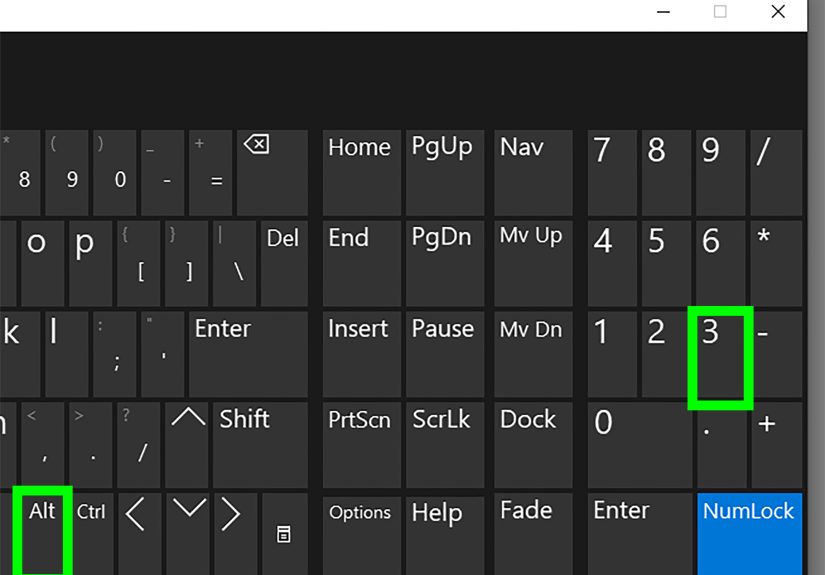
If you want a more old-school shortcut, you can try an Alt code. A commonly used one is Alt + 3, which can produce a heart symbol on many Windows setups. Hold down the Alt key, then press 3 on the numeric keypad, and release.
There is one important catch: this method usually works best on keyboards with a dedicated numeric keypad. If you are on a compact laptop, the shortcut may not work the same way, or at all. Some laptops have an embedded number pad that works with Fn and Num Lock, but behavior varies by model.
That is why the Windows emoji panel is often the safer choice. Alt codes are handy, but they can feel like keyboard folklore: powerful, mysterious, and slightly moody.
Method 3: Open Character Map
If you want full control, open Character Map in Windows. Search for it from the Start menu, launch it, and browse the available symbols in your installed fonts. You can search, select the heart character you want, copy it, and paste it wherever needed.
This method is especially useful if the emoji panel is not available, the Alt code is failing, or you want a specific style of heart from a particular font. It also helps when you are working in older applications that do not play nicely with colorful emoji.
Best Windows Option for Most People
If you want the short answer, here it is: use Windows + . and search for heart. It is easy, modern, and works on most current Windows systems. Save the Alt code and Character Map for backup.
How to Make a Heart on a Mac Keyboard
On a Mac, the easiest method is the Character Viewer. Apple makes this pretty painless, which is nice because Mac users already spend enough energy explaining why they say “trackpad” with such confidence.
Method 1: Use the Mac Character Viewer
Click where you want to type the heart. Then press Control + Command + Space. This opens the Mac emoji and symbols viewer. From there, search for heart or browse through the available categories.
You can insert a red heart emoji, a black heart, a white heart, decorative hearts, or other related symbols depending on the app and font support. Just click the character, and it appears in your text.
This is the easiest and most reliable method for typing a heart on a MacBook, iMac, or external Apple keyboard. It works in many apps including Mail, Messages, Notes, Pages, and web browsers.
Method 2: Use the Edit Menu
If you do not love shortcuts, there is a menu-based route too. In many Mac apps, click Edit > Emoji & Symbols. That opens the same Character Viewer. It is slightly slower, but it is useful if you forget the shortcut or prefer clicking over key combos.
Method 3: Copy a Favorite Heart Once, Then Reuse It
If you use the same heart symbol often, keep one in a note, sticky note, or text replacement shortcut. For example, you can save ♥ or ❤️ in a quick-access note and paste it anywhere. This is not as flashy as a shortcut, but it works beautifully if you always use the same style.
Best Mac Option for Most People
The winner is simple: press Control + Command + Space, search heart, and click the symbol you want. It is fast, built in, and beginner-friendly.
Heart Symbol vs. Heart Emoji: What Is the Difference?
This matters more than people think. A heart symbol like ♥ is a text character. A heart emoji like ❤️ is an emoji graphic. In many apps they may look similar, but they are not always handled the same way.
Heart symbols often behave better in plain text, file names, spreadsheets, and older software. Heart emojis are more expressive and colorful, but some platforms display them differently. In one app, your red heart may look polished and shiny. In another, it may look like it skipped sleep and came straight from a software update.
If you are typing in a professional document, a plain heart symbol may be safer. If you are messaging a friend, the emoji version is usually more fun. If you are posting online and want compatibility, the text heart <3 is still a surprisingly reliable little legend.
When a Heart Shortcut Does Not Work
If your keyboard shortcut fails, do not panic. Your computer is not heartless. It is usually one of these common issues:
Your Keyboard Does Not Have a Numeric Keypad
That is the big one for Alt codes on Windows. Without a dedicated numpad, those shortcuts may not work properly. In that case, use the emoji panel or Character Map instead.
The App Does Not Support the Character Well
Some older programs or stripped-down text fields may not display emoji correctly. Try a plain heart symbol or use <3 if appearance matters more than perfection.
Your Font Changes the Look
Special characters can look different depending on the font. If a heart appears as a box, blank shape, or odd symbol, switch fonts or use another insertion method.
Your Keyboard Layout Is Different
International layouts, compact keyboards, or remapped keys can change how shortcuts behave. If one shortcut does not work, go with the visual tools like Character Viewer or the Windows emoji picker.
Where You Can Use a Heart on a Keyboard
Once you know how to make a heart on a keyboard, you will start seeing opportunities everywhere. You can add a heart to:
- Text messages and chat apps
- Email subject lines or signatures
- Social media captions and bios
- Notes, journals, and personal documents
- Folder names and file labels
- Slides, invitations, and greeting cards
Just use a little restraint. One heart can be sweet. Seven hearts in a work email to your accountant may create questions you are not prepared to answer.
Quick Reference: Fastest Ways to Type a Heart
Windows
Easiest method: Press Windows + ., then search for heart.
Backup method: Open Character Map and copy the heart symbol.
Alt-code method: Try Alt + 3 on a keyboard with a numeric keypad.
Mac
Easiest method: Press Control + Command + Space, then search for heart.
Backup method: Use Edit > Emoji & Symbols.
Repeat-use method: Save your favorite heart in a note or text replacement setup.
Final Thoughts
Learning how to make a heart on a keyboard is one of those tiny tech skills that pays off immediately. It is quick, useful, and oddly satisfying once you know the trick. On Windows, the emoji panel is usually the easiest answer. On Mac, the Character Viewer is your best friend. And if you want to feel like a keyboard wizard, Alt codes and special character tools are waiting in the wings.
The best part is that you do not need special software, a fancy app, or a secret romance certification. You just need the right shortcut. After that, your keyboard can handle the rest, one tiny heart at a time.
Experiences Related to “How to Make a Heart on a Keyboard: Windows & Mac Computers”
The funny thing about learning how to type a heart on a keyboard is that it rarely starts as a technical problem. It usually starts as a very human one. Someone wants to make a message feel warmer. Someone is finishing a birthday card in a document at the last second. Someone is naming a photo album for their dog and suddenly decides that plain text is not enough. That is when the search begins: how do I make a heart on this thing?
Many Windows users first discover the heart shortcut while trying to dress up an email, a social post, or a chat message. At first, they try random keys. Then they try copy-pasting a heart from somewhere else. Then they eventually find the Windows + . shortcut and realize the answer was built into the computer the whole time. It feels a little like finding a hidden drawer in your kitchen that contains exactly the utensil you needed.
Mac users often have a similar moment with Control + Command + Space. Once they open the Character Viewer and type “heart,” it is hard not to feel slightly overpowered. Suddenly there is not just one heart, but a whole menu of tiny emotional accessories. A simple message can go from neutral to affectionate in one click. A note can look friendlier. A caption can feel less stiff. Even a to-do list can look more cheerful if you are the kind of person who believes errands deserve emotional support.
There is also a practical side to these little experiences. Students use hearts in digital notes. Parents add them to lunchbox labels and printable signs. Friends use them in shared documents and group chats. People making invitations, slides, scrapbooks, or memory albums often need a quick symbol that looks cleaner than clip art and faster than opening a design app. In those moments, a keyboard heart is not just cute. It is efficient.
Then there are the small tech frustrations that turn into lessons. A person tries an Alt code on a laptop and nothing happens. Another inserts a red heart emoji into a document, only to find that it looks different after pasting it somewhere else. Someone else realizes the plain heart symbol works better in a file name than the emoji version. These are the kinds of tiny real-world discoveries that do not seem dramatic, but they make everyday computer use smoother. The heart becomes a gateway symbol. Once people learn this one, they start exploring stars, arrows, check marks, and other special characters too.
What makes these experiences memorable is that they mix utility with personality. Most keyboard shortcuts help you save time. A heart shortcut helps you add tone. It softens a message, brightens a note, or adds charm to something otherwise plain. That is surprisingly powerful for a single little character. It reminds people that typing is not just about efficiency. It is also about expression. And sometimes the smallest symbol on the screen does the biggest emotional job.