Table of Contents >> Show >> Hide
- Why Dried Paint Is So Tricky on Hardwood Floors
- Step One: Figure Out What Kind of Paint You Have
- What You Need Before You Start
- How to Clean Dried Paint Off of Hardwood Floors, Step by Step
- Mistakes to Avoid When Removing Paint From Wood Floors
- When to Call a Professional
- How to Prevent Paint on Hardwood Floors Next Time
- Real-Life Lessons and Experiences With Dried Paint on Hardwood Floors
- Conclusion
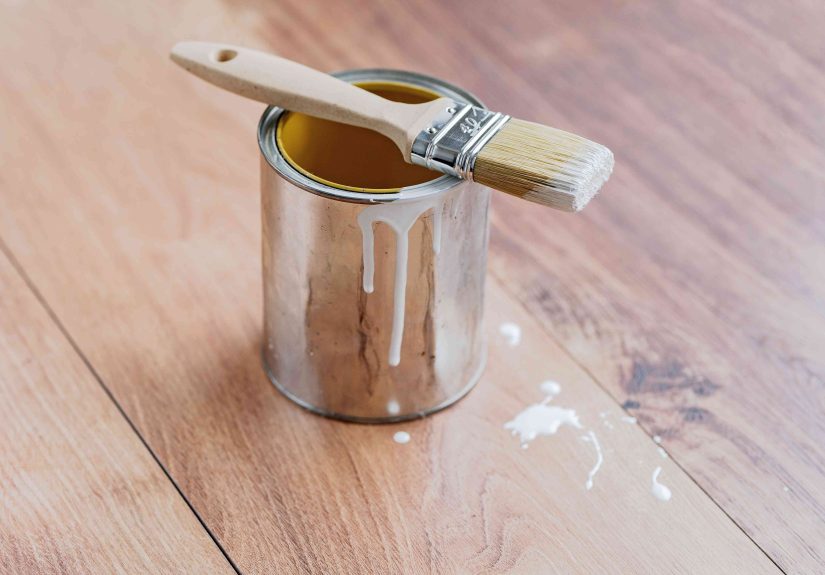
Hardwood floors are beautiful, timeless, and just dramatic enough to make you nervous the second a paint can gets within ten feet of them. One tiny drip can feel like a full-blown home-improvement betrayal. The good news is that dried paint on wood flooring is usually removable. The better news is that you do not need to attack it like a pirate with a sword and a sander.
If you want to know how to clean dried paint off of hardwood floors without wrecking the finish, the winning strategy is simple: start gentle, figure out what kind of paint you are dealing with, and only move to stronger methods if the soft approach fails. In most cases, warm water, dish soap, a microfiber cloth, and a plastic scraper will do a surprising amount of heavy lifting. For stubborn spots, rubbing alcohol, careful heat, or a floor-safe solvent may help. The keyword here is careful. Hardwood can handle a lot, but it does not appreciate panic.
Why Dried Paint Is So Tricky on Hardwood Floors
Paint on hardwood is annoying for one big reason: you are not just removing paint, you are protecting a finish at the same time. That finish may be polyurethane, wax, oil-based, or something older and moodier than your family’s attic furniture. So while paint itself may soften with moisture, alcohol, or heat, the floor coating underneath can dull, soften, discolor, or scratch if you get too aggressive.
This is why the best methods for removing dried paint from hardwood floors are not the same methods you would use on concrete, brick, or a random garage shelf. Hardwood wants restraint. It wants patience. It wants you to stop reaching for the metal putty knife like you are in an action movie.
Step One: Figure Out What Kind of Paint You Have
Before you scrub, scrape, or mutter dramatic things under your breath, test the paint. If the dried splatter softens or transfers when dabbed with rubbing alcohol on a cotton ball, it is likely water-based or latex paint. If nothing happens, it may be oil-based paint, which is usually tougher to remove.
This matters because water-based paint usually responds well to warm water, dish soap, and mild friction. Oil-based paint is more stubborn and often needs heat or a solvent such as mineral spirits or paint thinner used very carefully and only after spot-testing.
Also, if your home was built before 1978, slow down immediately. Older paint can contain lead, and sanding, scraping, or stripping it carelessly can create hazardous dust. In that case, the smartest move is testing first and bringing in a lead-safe professional if needed.
What You Need Before You Start
You do not need a heroic amount of gear. You need the right gear. Gather these supplies before you begin:
- Microfiber cloths
- Warm water
- Dish soap
- A plastic putty knife or old credit card
- Rubbing alcohol
- Lemon juice
- A soft toothbrush or nylon-bristle brush
- A hair dryer
- Mineral spirits or paint thinner for stubborn oil-based paint
- Gloves and good ventilation for any stronger product
One more thing: keep a dry cloth nearby. Hardwood floors hate being soaked. The goal is “damp and controlled,” not “mini indoor lake.”
How to Clean Dried Paint Off of Hardwood Floors, Step by Step
1. Start With Warm Water and Dish Soap
If the paint is water-based, mix a few drops of dish soap into warm water. Dampen a microfiber cloth, wring it out well, and rub the paint spot in the direction of the wood grain. That “wring it out well” part is doing a lot of work here. You want moisture, not saturation.
Let the damp cloth sit on the dried paint for a minute or two if the spot is especially crusty. Then rub again. Often, the top layer begins to soften and lift. Wipe away loosened paint with a clean, dry cloth as you go so you are not just relocating the mess from one board to the next.
Example: Small latex paint freckles from trim work or wall touch-ups often come off at this stage. If your floor just looks like it survived a mildly chaotic Saturday makeover, you may be done already.
2. Use a Plastic Scraper for Stuck-On Drips
If the paint loosens but does not fully release, use a plastic putty knife or the edge of an old credit card to gently lift it. Hold the scraper low and work slowly. Think “persuade” rather than “bulldoze.” A metal blade can gouge the finish, leave scratches, and turn a paint problem into a refinishing problem.
Work with the grain whenever possible. If a paint blob is thick, scrape the edges first instead of jabbing at the center. That reduces the chance of digging into the floor.
3. Bring In Rubbing Alcohol for Stubborn Water-Based Paint
If the paint still refuses to leave like an unwanted party guest, try a stronger but still targeted solution: three parts rubbing alcohol and one part lemon juice. Dampen a cloth with the mixture and place it over the dried paint for a few minutes. Then rub gently with the cloth or a soft toothbrush.
This method can be especially useful for dried splatters that are thin, patchy, or baked onto the floor after someone forgot them for a few days. Which, naturally, has never happened in any household ever.
After the paint lifts, wipe the area with a lightly damp clean cloth, then dry it immediately.
4. Use Heat Carefully for Thick or Older Paint Spots
For tougher dried paint, especially thicker drips, a hair dryer can help soften the paint so it lifts more easily. Aim warm air at the spot for a short burst, then scrape gently with a plastic putty knife. A heat gun can work faster, but it is riskier on hardwood because too much concentrated heat can damage or dull the finish.
A hair dryer is the safer option for most homeowners. It takes longer, but so does fixing a finish you scorched because you got impatient.
Once the paint softens, wipe the residue away with a damp cloth and dry the area thoroughly.
5. Use Mineral Spirits or Paint Thinner Only for Oil-Based Paint
If your test suggests the dried paint is oil-based, it may not respond much to soap and water. At that point, a small amount of mineral spirits or paint thinner on a cloth may help. The key is to test it first in an inconspicuous spot. Hardwood finishes vary, and what works beautifully on one floor can make another floor look like it has seen things.
Apply a little solvent to a cloth, not directly to the floor. Rub the paint gently, allow it to soften, and use a plastic scraper if necessary. Keep windows open, wear gloves, and do not overdo it. You are treating a spot, not marinating a steak.
Afterward, wipe the area with a slightly damp cloth and then buff it dry with a clean microfiber towel.
6. Clean, Rinse, and Dry the Floor
When the paint is gone, finish by wiping the area with a hardwood-safe damp cloth to remove any residue. Then dry the floor right away. If the surface looks slightly dull afterward, a wood floor cleaner approved for your finish can help restore a more even appearance.
Mistakes to Avoid When Removing Paint From Wood Floors
Do Not Soak the Floor
Excess water is a classic hardwood enemy. Too much moisture can seep into seams, dull the finish, or even contribute to warping over time. Damp is fine. Wet is trouble.
Do Not Use a Metal Scraper First
Yes, a metal blade can remove paint faster. It can also leave a scratch that catches the light forever and quietly judges you every morning. Plastic tools are slower but much safer.
Do Not Reach for Steam
Steam and hardwood are not close friends. Steam can force moisture into wood and damage the surface. Even if it softens paint, it may create a second problem you did not ask for.
Do Not Sand Unless You Truly Need Refinishing
Sanding can remove dried paint, but it can also cut through the finish, create a visible patch, and turn a simple cleanup into a repair project. On older floors, sanding also raises safety concerns if lead paint is possible.
Do Not Ignore Ventilation
Any time you use rubbing alcohol, paint thinner, mineral spirits, or a paint stripper, open windows and keep air moving. Solvents are not the sort of thing you want collecting in a small room while you kneel over a floor muttering, “Almost got it.”
When to Call a Professional
Some situations are worth handing off. Call a pro if:
- Your home may contain lead-based paint
- The paint covers a large area instead of a few drips
- The floor finish is already damaged or very old
- You tried gentle methods and the paint still will not move
- You started removing the paint and now the floor looks cloudy, scratched, or discolored
There is no shame in tapping out before a small cosmetic problem becomes an expensive hardwood floor restoration story.
How to Prevent Paint on Hardwood Floors Next Time
Because the best way to clean dried paint off hardwood floors is, of course, to not get dried paint on hardwood floors in the first place.
- Use canvas drop cloths instead of thin plastic sheets that slide around
- Tape edges near baseboards and trim
- Keep a damp rag nearby while painting
- Wipe fresh drips immediately before they become archaeology
- Move furniture and give yourself room to work
Fresh paint is much easier to remove than dried paint. That is not a thrilling revelation, but it is a useful one.
Real-Life Lessons and Experiences With Dried Paint on Hardwood Floors
Here is what people usually learn the first time they deal with dried paint on hardwood floors: the panic is worse than the paint. A tiny white drip on dark oak looks catastrophic at first. It feels like the floor is ruined, the room is ruined, and somehow your entire reputation as a functioning adult is ruined too. Then you slow down, test the spot, use the least aggressive method, and realize the floor is a lot more forgiving than your imagination.
One of the most common experiences happens after trim painting. You finish the room, step back proudly, admire your crisp white baseboards, and then notice what appears to be thirty-seven tiny specks of paint on the floor. They always seem to appear only after cleanup, never during the project itself. In these cases, homeowners often find that warm soapy water and a microfiber cloth remove more than expected, especially when the paint is latex. The surprise is not that the paint comes off. The surprise is that patience works better than brute force.
Another familiar experience involves old drips that were not noticed until days later. Maybe the room lighting was bad. Maybe the splatter was hiding under a chair. Maybe everyone simply chose denial. At that stage, the paint has had time to harden and bond more firmly, which is when rubbing alcohol or careful heat starts to shine. What many people notice is that the process becomes less about “scrubbing harder” and more about “softening smarter.” Once the paint loosens, the job becomes manageable. Before that point, it feels like trying to erase a tattoo with optimism.
There is also the classic kids-and-crafts version of this problem. Acrylic paint seems innocent enough when it is in a little bottle on a newspaper-covered table. Then one artistic detour later, there are turquoise dots on maple flooring leading down the hallway like a tiny modern art crime scene. In these situations, the experience teaches a valuable lesson: not every paint mess needs a full cleaning arsenal. Spot treatment is usually better. Homeowners who attack the whole floor with too much water or a random household cleaner often create haze or streaks that are more noticeable than the original paint.
People also learn quickly that tool choice matters. Someone always reaches for a metal scraper because it seems efficient. Then a faint scratch appears, and suddenly efficiency does not look so charming. The better experience usually comes from using a plastic putty knife, taking smaller passes, and resisting the urge to “just get under it” with more force. Hardwood rewards restraint. It really does.
Then there is the emotional journey of oil-based paint. Water-based paint removal feels like a challenge. Oil-based paint removal feels like a personal insult. It is slower, smellier, and far less impressed by dish soap. But even then, careful solvent use, ventilation, and a soft touch often get the job done. The lesson here is simple: the stronger the method, the more targeted it should be.
In the end, the experience most homeowners remember is relief. The paint looked permanent, but it was not. The floor looked doomed, but it was not. And the whole episode becomes one of those oddly satisfying home stories you tell later with a laugh, right after you say, “Next time, I’m putting down a better drop cloth.”
Conclusion
If you are wondering how to clean dried paint off of hardwood floors, the safest answer is also the smartest one: identify the paint, start with the gentlest method, work slowly, and protect the finish at every step. Warm water and dish soap are often enough for water-based paint. Rubbing alcohol can help with stubborn spots. Heat may soften thicker drips. Mineral spirits or paint thinner can work on oil-based paint, but only with caution and good ventilation. And if your home is older or the job is bigger than a few splatters, bring in a professional before a simple cleanup turns into floor repair.
Hardwood floors do not need heroics. They need careful hands, good judgment, and just enough patience to avoid creating a second mess while fixing the first one.