Table of Contents >> Show >> Hide
- Why a Pallet Bed Frame Is So Popular
- Before You Start: What You Will Need
- Step 1: Measure Your Mattress and Plan the Frame
- Step 2: Find Safe Pallets and Inspect Every Piece
- Step 3: Clean, Dry, and Sand the Wood
- Step 4: Lay Out the Base and Cut Everything to Size
- Step 5: Fasten the Pallets Together and Add Proper Mattress Support
- Step 6: Finish the Frame, Assemble the Room, and Add the Mattress
- Common Mistakes to Avoid
- Is a Pallet Bed Frame Right for You?
- Real-World DIY Experiences: What People Usually Learn Along the Way
- Conclusion
- SEO Tags
If you love the look of rustic wood, appreciate a good budget win, and have ever looked at a shipping pallet and thought, “You could be furniture,” then a pallet bed frame might be your next favorite weekend project. It is affordable, customizable, and full of character. It is also one of those DIY ideas that can go spectacularly right or hilariously wrong depending on whether you choose safe pallets and build in proper mattress support.
That is the big secret. A pallet bed frame is not just a stack of wood with delusions of grandeur. For it to look good and sleep well, you need the right pallets, a smart plan, a smooth finish, and enough structure underneath so your mattress does not sag like it just gave up on life. This guide walks you through exactly how to make a pallet bed frame in six clear steps, plus the mistakes to avoid, the tools that help, and the real-world lessons many first-time builders learn the hard way.
Why a Pallet Bed Frame Is So Popular
Pallet bed frames have a lot going for them. First, the style works. They fit farmhouse bedrooms, industrial spaces, minimalist rooms, and apartments that need a little texture without a lot of money. Second, they are often cheaper than buying a solid wood platform bed. Third, they are flexible. You can keep the frame low and modern, raise it with legs or casters, stain it dark, paint it white, or leave it natural for that “I definitely know what reclaimed wood means” look.
But here is the grown-up part of the conversation: not every pallet is safe for indoor furniture, and not every pallet layout supports every mattress. The best pallet bed frames combine style with common sense. Think of it as rustic, but with a tape measure.
Before You Start: What You Will Need
Basic materials
- Safe, clean wood pallets or pallet wood boards
- Wood screws
- Metal mending plates or corner braces
- Optional 2×4 lumber for added internal support
- Optional extra slats, bunkie board, or a mattress-approved support panel
- Wood filler for small cracks or holes
- Paint, stain, clear sealer, or furniture wax if desired
- Felt pads, furniture glides, or rubber feet
Tools
- Tape measure
- Pry bar or pallet buster if you are taking pallets apart
- Hammer
- Power drill or driver
- Sander or sanding block
- Sandpaper in coarse and medium grits
- Circular saw or miter saw if trimming boards
- Safety glasses
- Dust mask or respirator
- Work gloves
How to choose the right pallets
This part matters more than the stain color. For indoor furniture, use pallets that are clean, dry, odor-free, and clearly marked. Avoid pallets with mystery stains, oily patches, mold, insect damage, or strong chemical smells. If the stamp is missing or unreadable, skip it. A bargain pallet is not a bargain if it comes with a side of “What leaked on this?”
Look for heat-treated pallets whenever possible. Those are typically marked with HT. Avoid pallets marked MB, which indicates methyl bromide fumigation. Also avoid pallets that seem heavily weathered, crumbly, or split beyond repair. Indoor furniture needs wood you would actually want in the same room where you sleep, which feels like a low bar, but apparently it still needs saying.
Step 1: Measure Your Mattress and Plan the Frame
Start with the mattress, not the pallets. Measure the exact width and length of your mattress and sketch a simple top-view plan of the frame. Standard mattress sizes are a good starting point, but your actual mattress can vary slightly by brand, so measure the real thing if you already own it.
A good rule is to build the platform so the mattress fits neatly without hanging over the sides. You can leave about half an inch to one inch of wiggle room around the perimeter for easier bed-making. If you want a wider ledge around the bed for a platform look, build that into your plan on purpose instead of accidentally creating it because math got emotional halfway through the project.
At this stage, decide which type of pallet bed you want:
- Whole-pallet platform: Faster, easier, chunkier, and more rustic
- Cut-and-custom frame: More polished, more work, better for exact mattress sizing
If your pallets are the common warehouse size, they may not match your mattress dimensions neatly. That is normal. You can trim them, combine them with extra boards, or break them down and rebuild a custom platform. The goal is not to force your mattress to adapt to pallet geometry like some kind of furniture hostage situation.
Step 2: Find Safe Pallets and Inspect Every Piece
Once you know your target size, gather enough material. If you are using whole pallets, lay them on the floor and test different arrangements. If you are building a custom frame, inspect every usable board before you start cutting.
Check for:
- Loose nails or staples
- Cracked deck boards
- Warped stringers
- Rot or soft spots
- Black stains, spills, or mildew
- Sharp splinters and rough edges
Pull every stray fastener you can find. Run your gloved hand lightly across each surface to catch rough spots, but do not go full action hero here. Pallets are very good at one thing: pretending to be harmless while hiding splinters the size of tiny javelins.
If you are dismantling pallets, work slowly so you do not split the boards. A pry bar helps, but patience helps more. Many first-time builders lose more wood to rushing than to the pallet itself. The goal is salvage, not revenge.
Step 3: Clean, Dry, and Sand the Wood
Before any assembly happens, clean the pallets thoroughly. Brush off dirt and dust first. If needed, wipe them down with a damp cloth or scrub lightly with mild soap and water. Do not soak the wood like it is competing in a diving event. Too much water can raise the grain and increase drying time.
After cleaning, let the wood dry completely in a well-ventilated area. Completely means actually dry, not “probably fine.” If you trap moisture inside a bed frame and then add a mattress on top, you are creating a cozy little microclimate for odors, mildew, and regret.
Then sand. Start with a coarse grit to knock down splinters, rough saw marks, and uneven patches. Follow with a medium grit for a smoother finish. Pay extra attention to corners, edges, and the boards most likely to be touched when you tuck in sheets or walk around the bed barefoot at 2 a.m.
If you are cutting or sanding, wear eye protection and a dust mask or respirator. Wood dust is not a personality trait, and your lungs do not need a rustic makeover.
Step 4: Lay Out the Base and Cut Everything to Size
Now build the shape of the bed. On a flat floor, arrange the pallets or boards according to your sketch. Measure again before cutting anything. Then measure one more time because wood projects have a magical way of punishing confidence.
If you are using whole pallets, trim them so the finished footprint matches your mattress plan. If you are making a cleaner custom frame, build a rectangular base and use pallet boards across the top as slats or decking. Keep everything square as you go. A crooked base may not look dramatic in the garage, but in a bedroom it will stare at you every day forever.
At this point, think about height. A pallet bed can sit very low to the floor, which looks modern but can be annoying if you prefer a higher sleeping surface. You can keep one layer for a low profile, stack and secure a second layer for more height, or add legs if your design and structure allow it.
Also check floor clearance and room flow. A bed frame that looks charming in theory can feel like an obstacle course in a smaller room. Leave enough walking space around it so you are not shin-checking reclaimed wood every morning.
Step 5: Fasten the Pallets Together and Add Proper Mattress Support
This is the step that separates “stylish DIY bed” from “wooden stage prop.” Once your base is laid out and square, fasten the sections together securely with wood screws and metal mending plates or corner braces. If you are stacking layers, screw the top and bottom layers together in multiple spots so they act like one unit instead of a wobbly sandwich.
Then check the surface support. Mattresses need even support, and many brands recommend closely spaced slats. If the gaps between boards are too wide, add more slats, additional crosspieces, or a mattress-approved support layer. For queen and larger beds, center support is especially important. Add a middle rail or reinforced support underneath so the frame does not sag in the center over time.
A good pallet bed frame should feel rigid when you push on it from the sides. If it rocks, shifts, creaks excessively, or sounds like it is writing a protest song, reinforce it before moving on.
Check for exposed screw tips and make sure all hardware sits flush. Tighten every connection. Your future self, half asleep and carrying laundry, will appreciate the extra effort.
Step 6: Finish the Frame, Assemble the Room, and Add the Mattress
Once the structure is secure, decide how you want it to look. You can leave the wood natural for a rougher industrial style, stain it for a richer finish, paint it for a cleaner look, or apply a clear sealer to preserve the color while adding some protection. If the frame will be used indoors, choose products intended for interior furniture and let them cure fully before bringing the bed into everyday use.
Add felt pads or rubber feet to protect the floor and reduce shifting. Then place the frame in its final position, level it if needed, and set the mattress on top. Make sure the mattress sits flat with no unsupported edges or obvious dips.
Now the fun part: style it. Add neutral bedding for a modern loft look, warm linen for a farmhouse feel, or layered throws and soft lighting if you want the room to whisper “boutique hotel” instead of “warehouse chic.” A simple headboard, wall-mounted sconces, or built-in underbed baskets can make the whole setup feel surprisingly polished.
Common Mistakes to Avoid
- Using mystery pallets: If you do not know where they came from or how they were treated, do not use them indoors.
- Skipping sanding: Rustic should not mean splinter roulette.
- Ignoring support gaps: A beautiful frame can still ruin a mattress if support is uneven.
- Forgetting center support: Bigger beds need more structure, not just more optimism.
- Sealing damp wood: Trapped moisture can lead to odor and long-term trouble.
- Assuming all pallets are the same size: They are not. Pallets love variety almost as much as DIYers hate re-cutting.
Is a Pallet Bed Frame Right for You?
A pallet bed frame is a smart project if you want an affordable platform bed, enjoy hands-on DIY work, and are willing to spend time on prep. It is less ideal if you want a fast, flawless furniture-store look with zero sanding and zero measuring. Pallet projects reward patience, careful material selection, and a willingness to fix little problems before they become big ones.
In other words, a pallet bed frame is perfect for the kind of person who thinks, “I can build that,” and then actually enjoys the process of proving it.
Real-World DIY Experiences: What People Usually Learn Along the Way
One of the most common experiences with a pallet bed frame project is discovering that the hardest part is not the assembly. It is the prep. Most first-time builders assume the main job is screwing boards together, but the real time goes into sorting pallets, pulling nails, sanding rough wood, and deciding which boards are worth keeping. The bed itself may come together in an afternoon, while the wood preparation quietly eats up a whole weekend and a decent amount of elbow grease.
Another very real lesson is that pallets have personality. Some are straight and sturdy. Some are warped, chipped, or held together by a suspicious level of optimism. People often start with a vision of a clean, symmetrical frame and then realize they need to adapt as they go. One pallet is slightly wider. Another has better top boards but a cracked support underneath. That is why experienced DIYers lay everything out on the floor before committing to cuts. What looks like “random wood” at pickup becomes a strategy game once you get home.
There is also the famous sanding moment. Nearly everyone underestimates it. The first ten minutes feel manageable. The next hour feels educational. By the second pallet, many builders become passionately devoted to power sanders, proper dust masks, and the concept of taking breaks. The upside is that sanding transforms the project. Raw pallets can look rough, dirty, and borderline hostile, but once the edges are softened and the surface is cleaned up, the wood starts to look intentional instead of accidental.
Support is another area where experience changes the outcome. A lot of people love the look of widely spaced pallet boards until they put a mattress on top and notice uneven support. That is usually when the project evolves from “simple pallet platform” into “simple pallet platform with smarter reinforcement.” Adding extra slats or center supports may not sound glamorous, but it is often the detail that turns a frame from decorative to truly functional.
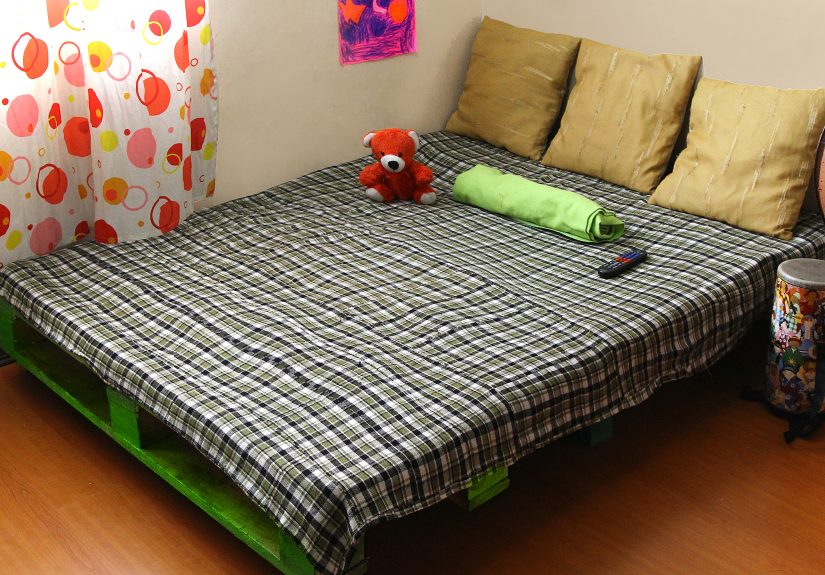
Then there is the final surprise: once the bed is in the room, it often looks far better than expected. Even a modest build can make a bedroom feel warmer, more custom, and more grounded. The wood brings texture, the low profile feels modern, and the whole project tends to earn compliments that sound suspiciously like disbelief. That is part of the fun. A pallet bed frame begins as shipping material and ends as a piece of furniture with a story. Yes, it takes work. Yes, it creates sawdust in places you did not know sawdust could go. But for many DIYers, that mix of challenge, creativity, and payoff is exactly why the project is worth doing.
Conclusion
Making a pallet bed frame is not complicated, but it does reward careful choices. Start with safe pallets, plan around your mattress, sand thoroughly, build solid support, and finish the wood so it looks intentional. Do that, and you can end up with a bed frame that feels custom, costs less than many store-bought options, and brings real character into the room. Not bad for a project that started life in a loading dock.