Table of Contents >> Show >> Hide
- The Fluffiness Formula (It’s Mostly Bubbles)
- A Reliable Base Recipe for Fluffy Pancakes
- Ingredient Choices That Make Pancakes Taller (Not Tougher)
- Mixing: The “Don’t Overmix” Rule, Explained Like You’re Busy
- Heat and Timing: Where Fluffiness Is Won or Lost
- Advanced Upgrades for Extra-Fluffy Pancakes (Pick One)
- Troubleshooting: Why Your Pancakes Aren’t Fluffy Yet
- Easy Variations That Keep Pancakes Light
- Keeping Pancakes Warm (So Everyone Eats Together)
- Wrap-Up: Your New Pancake Superpowers
- of Real-Life Pancake Experiences (So You Recognize What “Right” Feels Like)
Fluffy pancakes look so innocent, don’t they? Just a cozy little stack, minding its own businessuntil you try to make it and end up with
“crepes with self-esteem issues.” The good news: tall, tender, cloud-like pancakes aren’t magic. They’re the result of a few repeatable
techniques (and a willingness to let your batter be a little lumpy and a lot unbothered).
This guide breaks down the why behind fluffy pancakes, then gives you the howfrom leavening and mixing to heat control,
flipping cues, and fixes for flat stacks. You’ll also get a dependable base recipe and upgrades that add height without turning breakfast into a chemistry final.
The Fluffiness Formula (It’s Mostly Bubbles)
Pancake fluffiness is basically a bubble-management program. You want lots of tiny air pockets that expand on the griddle and set before they escape.
That rise comes from:
- Chemical leavening: baking powder (and sometimes baking soda) creates gas that lifts the batter.
- Trapped air: mixing and resting can hold bubbles in a thicker batter (yes, thickness matters).
- Heat timing: the surface needs to set at the right speedtoo hot browns before the inside rises; too cool lets bubbles fizzle.
Translation: you’re not “cooking batter.” You’re baking a tiny, fast cake on a hot plate. Act accordingly.
A Reliable Base Recipe for Fluffy Pancakes
Use this as your baseline. Once you nail it, you can freestyle with add-ins and upgrades.
Ingredients (makes about 10–12 medium pancakes)
- 2 cups all-purpose flour
- 2 tablespoons sugar
- 2 teaspoons baking powder
- 1/2 teaspoon baking soda (use if you’re using buttermilk)
- 1/2 teaspoon fine salt
- 2 large eggs (room temp if possible)
- 2 cups buttermilk (or milk; see substitutions below)
- 3 tablespoons melted butter (cooled slightly) or neutral oil
- 1 teaspoon vanilla extract (optional, but charming)
Method (the short version)
- Whisk dry ingredients in a large bowl.
- Whisk wet ingredients in a second bowl.
- Pour wet into dry and stir gently until just combined. Stop while it still looks lumpy.
- Rest the batter 10 minutes while the pan heats.
- Cook on a preheated skillet/griddle over medium heat. Flip when bubbles pop and leave little holes.
Ingredient Choices That Make Pancakes Taller (Not Tougher)
1) Measure flour like you want happiness
Too much flour is the #1 way to get thick pancakes that are dense instead of fluffy. If you’re using measuring cups,
spoon flour into the cup and level it rather than scooping straight from the bag (which packs flour in like it’s moving day).
If you own a kitchen scale, it’s the easiest path to consistency.
2) Baking powder does the heavy liftingmake sure it still has a job
Baking powder is the main lift for most fluffy pancake recipes. But it weakens over time. If your pancakes have been coming out flat lately,
your baking powder might be on “quiet quitting” mode. A quick freshness check: a small spoonful in warm water should fizz. No fizz? Replace it.
3) When to use baking soda (and why too much tastes weird)
Baking soda needs acid (like buttermilk) to react well. It boosts rise and browning, but too much can leave a metallic/soapy aftertaste.
If you’re using buttermilk, a little baking soda alongside baking powder is a smart combo.
4) Buttermilk: tender pancakes, better flavor, nicer browning
Buttermilk adds tang and acidity, helps tenderize, and supports browning. No buttermilk? Make a quick substitute:
stir 1 tablespoon lemon juice or white vinegar into 1 cup milk, then let it sit 5 minutes. It won’t be identical, but it will absolutely get you fluffy pancakes.
5) Fat = tenderness (and a little drama control)
Butter adds flavor. Oil adds softness and stays tender longer. Either works. Melted butter should cool slightly before mixing so it doesn’t cook your eggs
and turn your batter into a confused breakfast scramble.
Mixing: The “Don’t Overmix” Rule, Explained Like You’re Busy
Separate wet and dry first
Whisk your dry ingredients together so leaveners distribute evenly. Whisk wet ingredients separately to avoid overworking the flour.
When you combine them, stir with a spoon or spatulanot a mixeruntil you don’t see dry flour pockets.
Leave it lumpy (seriously)
Smooth batter feels “right,” but fluffy pancakes don’t care about your feelings. Overmixing develops gluten, which makes pancakes chewy and heavy.
Lumps are not a problem; they’re a strategy. Your batter should look thick and slightly bumpymore “cozy oatmeal” than “silky smoothie.”
Rest the batter for 10 minutes
Resting does two helpful things: it lets flour hydrate (so lumps soften naturally without extra mixing), and it gives leavening a head start.
Your batter often thickens slightly as it rests, which helps trap bubbles and rise better on the griddle.
Heat and Timing: Where Fluffiness Is Won or Lost
Preheat properly
Medium heat is usually the sweet spot. If your pan is too hot, the outside browns before the inside sets and rises.
Too cool, and the pancakes spread thin and dry out before they get lift.
A simple test: flick a few drops of water on the surface. They should sizzle and dancenot instantly vanish in fear, and not sit there like a sad puddle.
Oil lightly, then wipe
For even browning, lightly oil or butter the pan, then wipe with a paper towel. Too much grease can fry the edges and interfere with a clean rise.
You’re aiming for “nonstick help,” not “shallow breakfast bath.”
Flip cues: look for holes, not just bubbles
Flip when bubbles rise and pop into little holes and the edges look set. If you flip too early, the center hasn’t structured itself yet.
Flip too late, and you’ll dry them out.
One flip. No pressing.
Flipping multiple times knocks out air. Pressing down with the spatula knocks out air and your pancake’s confidence. Let it rise.
Advanced Upgrades for Extra-Fluffy Pancakes (Pick One)
Whipped egg whites (for special-occasion height)
Separate eggs. Mix yolks with wet ingredients. Whip whites to soft peaks, then gently fold them in at the end. This can increase lightness,
but it’s only worth it if you’re in a “brunch theater” mood.
Ricotta, sour cream, or yogurt (for plush, tender crumb)
A small scoop of ricotta or sour cream can make pancakes feel extra tender and rich. Use it as a partial swap for some liquid, and keep the batter thick.
This is how you get “diner-style but better” vibes at home.
A splash of lemon (for flavor + leavening support)
A little acid brightens flavor and can help baking soda do its job. Think of it as turning up the volume without adding more ingredients to wash later.
Troubleshooting: Why Your Pancakes Aren’t Fluffy Yet
Problem: Pancakes are flat
- Likely cause: expired baking powder or overmixed batter.
- Fix: replace leaveners, mix gently, rest batter, and keep it thicker.
Problem: Pancakes are tough or chewy
- Likely cause: too much mixing or too much flour.
- Fix: stop stirring sooner; measure flour more carefully; add a small splash of milk if batter is paste-thick.
Problem: Outside is brown, inside is raw
- Likely cause: heat too high.
- Fix: lower to medium; cook a little longer on the first side so structure sets before flipping.
Problem: Pancakes spread thin
- Likely cause: batter too thin or pan not preheated.
- Fix: rest batter; reduce liquid slightly next time; preheat longer.
Easy Variations That Keep Pancakes Light
Blueberries or chocolate chips
Sprinkle add-ins onto the pancake after you pour the batter onto the griddle (instead of mixing everything in). This prevents streaky batter and keeps pancakes rising evenly.
Whole wheat
Swap in whole wheat flour for up to half the all-purpose flour. Whole grains absorb more liquid, so you may need a splash more milkand a slightly longer rest.
No eggs?
You can still make tender pancakes using common substitutes (like a flax “egg” or similar binders). Keep the batter thick, don’t overmix,
and focus on good heat control for a nice rise.
Keeping Pancakes Warm (So Everyone Eats Together)
If you’re cooking in batches, keep pancakes warm in a low oven (around 200°F) on a baking sheet. Don’t stack them tightly while hot;
steam can soften the edges. A single layer is best, or stack loosely.
Wrap-Up: Your New Pancake Superpowers
Fluffy pancakes come down to a few repeatable moves: fresh leavening, minimal mixing, a short rest,
and steady medium heat. Once you master those, you can make pancakes as tall as your weekend ambitionswithout turning breakfast into a rescue mission.
of Real-Life Pancake Experiences (So You Recognize What “Right” Feels Like)
The funniest thing about learning how to make fluffy pancakes is that your first “win” usually feels wrong. You’ll stir the batter, see lumps,
and your brain will whisper, “We should fix that.” This is the moment you practice doing… nothing. You put the spoon down, take a breath,
and let the batter exist as an imperfect creature. Then you cook itand suddenly you understand why every good pancake tip sounds like it was written
by someone trying to stop you from being too helpful.
Another common experience: the “first pancake curse.” Your first pancake often comes out paler, flatter, or oddly shaped because the pan is still dialing in.
That pancake isn’t a failure; it’s a temperature scout. Once you see how it browns, you adjust the heat and move on. Plenty of excellent pancake cooks
quietly eat the first one like it never happened. Consider it quality control with benefits.
You’ll also notice how much batter texture changes with time. Right after mixing, it may look slightly looser. Ten minutes later, it often thickens.
That’s hydration at work, and it’s one reason resting helps. If you’ve ever cooked pancakes back-to-back and wondered why later pancakes seem thicker and taller,
it’s not your imaginationyour batter is maturing like it just got a raise and started drinking nicer coffee.
Heat management becomes your personal pancake personality test. Some people crank the heat because they’re hungry; some keep it too low because they fear burning.
Fluffy pancakes reward calm, steady medium heat. When you finally get it right, you’ll see the surface bubbles rise, pop, and leave those little holes
and you’ll feel a small surge of joy that makes no sense until you’ve been betrayed by undercooked centers.
And then there’s flipping confidence. Early on, you might hover with the spatula like you’re defusing a bomb. Eventually, you’ll learn the cues:
edges set, holes forming, bottom golden. One clean flip. No extra poking. No pressing down. When you stop “helping” the pancake, it rises better.
That lesson, honestly, applies to more than breakfast.
Finally, your topping choices start to change once your pancakes are actually fluffy. You won’t need to drown them to compensate for dryness.
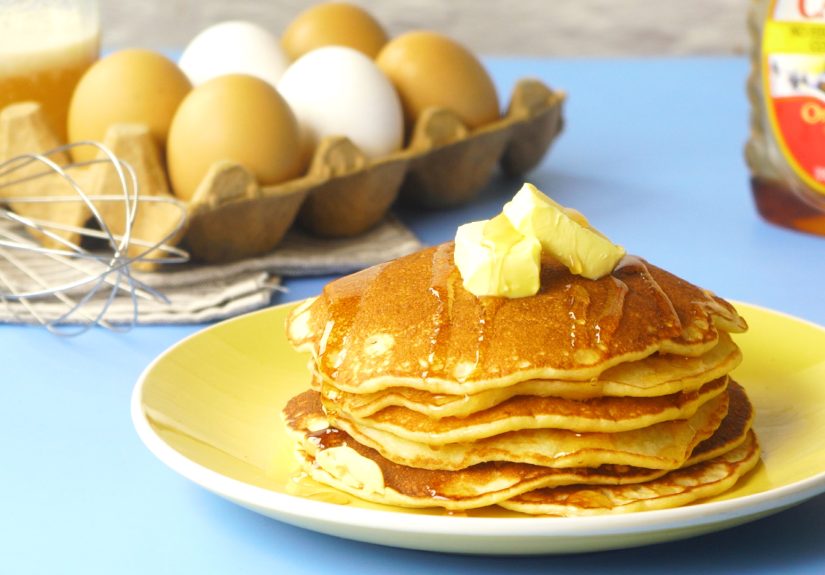
A pat of butter melts into the airy crumb. Maple syrup pools in the little craters. Fruit tastes brighter. Even a pinch of salt on top suddenly makes sense.
The experience shifts from “nice, I made pancakes” to “wait… I made good pancakes,” which is a dangerously empowering way to start a weekend.