Table of Contents >> Show >> Hide
- Quick Table of Contents
- The 7 Rules of Great Homemade Spaghetti Sauce
- 1) Start with the right tomatoes (and don’t overthink it)
- 2) Bloom your aromatics for flavor, not for drama
- 3) Salt in layers, not at the end like a surprise quiz
- 4) Simmer is a tooluse the right setting
- 5) Balance acidity the smart way
- 6) Use pasta water like it’s sauce glue (because it is)
- 7) Finish strong
- Recipe 1: 20-Minute Pantry Marinara (Bright, Classic, Weeknight-Friendly)
- Recipe 2: Easy Weeknight Meat Sauce (Bolognese-ish, Cozy, Crowd-Pleasing)
- Recipe 3: No-Cook Fresh Tomato-Basil Sauce (Summer Mode, 10 Minutes of Effort)
- Fix-It Guide: Too Acidic, Too Thin, Too Bland
- How to Serve Like a Pasta Person
- Make-Ahead, Storage, and Freezing
- Real-Life Sauce Experiences ()
- Conclusion
Jarred sauce has its place. (It’s called “Tuesday.”) But when you make homemade spaghetti sauce, something magical happens: your kitchen starts smelling like you’ve got your life together. Even if your laundry pile says otherwise.
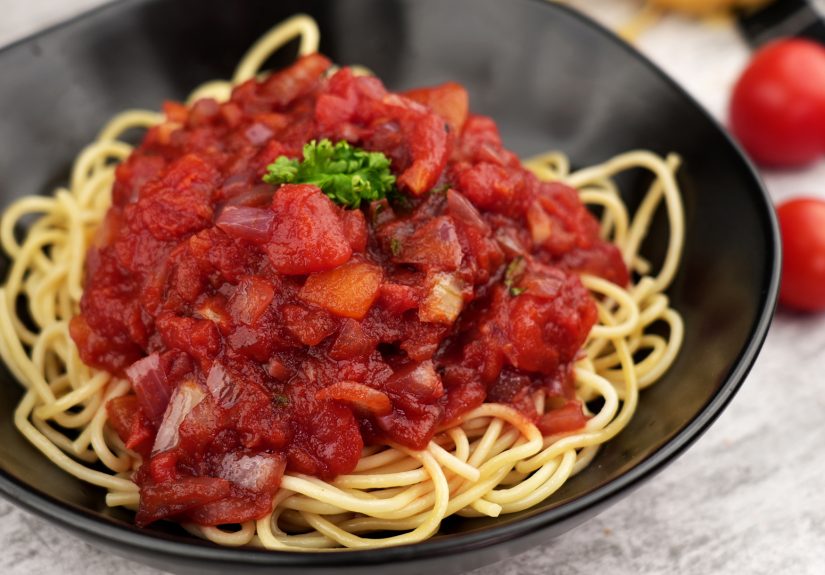
This guide gives you three easy, reliable sauces you can rotate all yearone quick pantry marinara, one hearty meat sauce, and one no-cook fresh tomato option for hot days when the stove feels personally offensive. Along the way, you’ll learn the small, high-impact choices that make a tomato sauce taste rich, balanced, and unmistakably homemade.
Quick Table of Contents
- The 7 Rules of Great Homemade Spaghetti Sauce
- Recipe 1: 20-Minute Pantry Marinara
- Recipe 2: Easy Weeknight Meat Sauce (Bolognese-ish)
- Recipe 3: No-Cook Fresh Tomato-Basil Sauce
- Fix-It Guide: Too Acidic, Too Thin, Too Bland
- How to Serve Like a Pasta Person
- Make-Ahead, Storage, and Freezing
- Real-Life Sauce Experiences ()
The 7 Rules of Great Homemade Spaghetti Sauce
You don’t need a nonna, a vineyard, or a copper pot blessed by angels. You need a few smart decisions. Here are the big ones.
1) Start with the right tomatoes (and don’t overthink it)
For most home cooks, canned whole peeled tomatoes are the sweet spot: consistent, tomato-forward, and easy to control. Crushing them by hand keeps a rustic texture; blending makes it smooth. Crushed tomatoes are convenient, but can vary in thickness. Tomato paste isn’t “cheating”it’s concentrated flavor you can use strategically.
2) Bloom your aromatics for flavor, not for drama
Garlic and onion (and sometimes carrot/celery) are the backbone. Cook them gently in olive oil until softened and fragrant. If your garlic turns dark brown, it can taste bitterso treat it like a cameo, not the main character.
3) Salt in layers, not at the end like a surprise quiz
Season the aromatics, then season the tomatoes, then taste again at the finish. Layered seasoning keeps the sauce from tasting flat.
4) Simmer is a tooluse the right setting
A quick marinara can be bright and lively in 20–30 minutes. A meat sauce benefits from a longer, gentle simmer so fat, aromatics, and tomatoes become a single unified “yes.”
5) Balance acidity the smart way
Tomatoes bring acid. That’s goodit wakes up the sauce. But if it tastes sharp, balance it with one of these: a small pinch of sugar, a little butter, a grated carrot simmered in the sauce, or simply more time. Don’t add sugar like you’re frosting a cupcake. You’re aiming for balance, not dessert.
6) Use pasta water like it’s sauce glue (because it is)
Reserved starchy pasta water helps sauce cling to spaghetti and creates a silky finish. Add a splash at a time while tossing. This is the difference between “sauce on top” and “sauce married to the noodles.”
7) Finish strong
A final swirl of olive oil, a knob of butter, grated Parmesan, fresh basil, or a tiny pinch of chili flakes can make a simple homemade spaghetti sauce taste restaurant-level with almost no effort.
Recipe 1: 20-Minute Pantry Marinara (Bright, Classic, Weeknight-Friendly)
This is your dependable homemade marinara saucetomato-forward, garlicky, and fast enough to make while the pasta boils. It’s also the best gateway sauce if you’re new to making spaghetti sauce from scratch.
Ingredients (Makes about 4–5 cups)
- 2–3 tablespoons extra-virgin olive oil
- 1 small onion, finely diced (or grated for a smoother sauce)
- 3–5 garlic cloves, minced or thinly sliced
- 1 (28-ounce) can whole peeled tomatoes (or crushed tomatoes)
- 1–2 teaspoons dried oregano (optional but classic)
- Pinch of red pepper flakes (optional)
- Salt and black pepper
- Handful of fresh basil leaves (or 1–2 teaspoons dried basil)
- Optional “balance helpers”: 1 teaspoon sugar OR 1–2 tablespoons butter
Steps
- Soften the base. Warm olive oil in a saucepan over medium heat. Add onion and a pinch of salt. Cook until softened and sweet-smelling, about 4–6 minutes.
- Wake up the garlic. Add garlic (and red pepper flakes if using). Stir for 30–60 seconds until fragrant. Don’t let the garlic brown aggressively.
- Add tomatoes. Pour in tomatoes. If using whole peeled, crush them in the pot with a spoon (or your clean hands) for a rustic texture. Season with oregano, salt, and pepper.
- Simmer briefly. Reduce heat to a steady simmer and cook 15–20 minutes, stirring occasionally. Taste and adjust: more salt, a pinch of sugar, or a small knob of butter if the sauce tastes sharp.
- Finish. Stir in basil right at the end so it stays fresh and aromatic.
Easy Variations
- “Pizza night” marinara: Simmer 5–10 minutes longer for a thicker sauce; add a little extra oregano.
- Extra-silky marinara: Blend a portion (or all) of the sauce with an immersion blender.
- Deep flavor without more time: Stir in 1 tablespoon tomato paste after the garlic and cook it for 1 minute before adding tomatoes.
Recipe 2: Easy Weeknight Meat Sauce (Bolognese-ish, Cozy, Crowd-Pleasing)
This is the hearty spaghetti meat sauce that makes everyone hover near the stove “just to check on it” (and accidentally eat three spoonfuls). It borrows the best ideas from classic slow-simmered sauces, but keeps the process simple.
Ingredients (Makes about 6–7 cups)
- 1–2 tablespoons olive oil
- 1 pound ground beef (or a mix of beef and pork)
- 1 small onion, finely diced
- 1 carrot, finely diced (optional but great for sweetness)
- 1 celery stalk, finely diced (optional but adds savory depth)
- 3–4 garlic cloves, minced
- 2–3 tablespoons tomato paste
- 1 (28-ounce) can crushed tomatoes OR whole peeled tomatoes, crushed
- 1/2–1 cup broth or water (as needed for consistency)
- 1 teaspoon dried oregano or Italian seasoning
- Salt, black pepper
- Optional flavor boosters: splash of red wine, pinch of chili flakes, Parmesan rind
- Finish: grated Parmesan, chopped basil or parsley
Steps
- Brown the meat properly. Heat oil in a large pot over medium-high heat. Add ground meat and press it into the pan. Let it brown before stirring. You want deep browned bits (that’s flavor). Season with salt and pepper. Drain excess fat if there’s a lot.
- Build the flavor base. Add onion, carrot, and celery. Cook 5–8 minutes until softened. Add garlic and stir 30 seconds.
- Toast the tomato paste. Stir in tomato paste and cook 1–2 minutes until it darkens slightly. This one move makes the sauce taste like it’s been simmering longer than it has.
- Add tomatoes and simmer. Add crushed tomatoes and a splash of broth/water. Stir in oregano (or Italian seasoning) and a pinch of chili flakes if you like warmth. Bring to a gentle simmer.
- Let it get cozy. Simmer partially covered 35–60 minutes, stirring occasionally. Add a little water if it gets too thick. Taste and adjust salt.
- Finish like you mean it. Turn off heat. Stir in grated Parmesan and chopped herbs. If you’re serving immediately, toss sauce with pasta plus a splash of pasta water to help it cling.
Make It Your Own (Without Wrecking It)
- Richer texture: Simmer longer on low heat, stirring occasionally. Time is an ingredient.
- More vegetables: Add diced mushrooms with the onion, or stir in baby spinach at the end.
- Spicier: Add chili flakes early, or finish with a small spoon of chili oil.
Recipe 3: No-Cook Fresh Tomato-Basil Sauce (Summer Mode, 10 Minutes of Effort)
This is the homemade spaghetti sauce for when tomatoes are at their peak and you refuse to babysit a simmering pot. The heat from the pasta gently warms the sauce, and the result tastes bright, fresh, and “I totally planned this.”
Ingredients (Serves 4)
- 2 pounds ripe tomatoes, chopped (any juicy, flavorful variety)
- 2–3 garlic cloves, very finely minced (or grated)
- 1/4–1/3 cup extra-virgin olive oil
- 1 teaspoon salt (plus more to taste)
- Black pepper
- Big handful of fresh basil, torn
- Optional: grated Parmesan, pinch of red pepper flakes, splash of balsamic
Steps
- Make the sauce base. In a bowl, combine tomatoes, garlic, olive oil, salt, and pepper. Stir and let it sit 15–30 minutes. This resting time is where the flavor comes together.
- Cook pasta + reserve water. Cook spaghetti until just al dente. Reserve 1 cup pasta water.
- Toss and adjust. Add hot pasta to the bowl and toss vigorously. Add a splash of pasta water to help the sauce coat the noodles and turn glossy.
- Finish. Add basil (and Parmesan if using). Taste for salt.
Pro Tips for No-Cook Sauce
- Too watery? Chop tomatoes, salt them, and let them drain in a colander for 10 minutes before mixing.
- Want more depth? Add a spoon of tomato paste or a handful of grated Parmesan while tossing.
- Garlic too intense? Use one clove, or rub a cut garlic clove on the serving bowl instead of mincing it in.
Fix-It Guide: Too Acidic, Too Thin, Too Bland
If your sauce tastes too acidic or sharp
- Add time: Keep it at a gentle simmer a little longer.
- Add fat: A small knob of butter can round the edges.
- Add sweetness: A pinch of sugar or a grated carrot can balance without turning sweet.
- Check salt: Under-salted sauce often tastes more acidic than it is.
If your sauce is too thin
- Simmer uncovered: Let water evaporate; stir occasionally to prevent sticking.
- Add tomato paste: Start with 1 tablespoon, simmer a few minutes, and reassess.
- Blend a portion: Pureeing some sauce thickens naturally.
If your sauce tastes bland
- Add salt in small steps: Taste after each pinch.
- Add a “spark”: A little pepper, chili flakes, or a splash of pasta water + cheese can wake it up.
- Finish with freshness: Basil or parsley at the end makes sauce taste alive.
How to Serve Like a Pasta Person
If you want spaghetti that tastes like it came from a place with cloth napkins, do this: warm some sauce in a pan, add cooked spaghetti, splash in pasta water, and toss for 30–60 seconds until glossy. THEN plate and top with cheese/herbs. That one minute turns “pasta with sauce” into “spaghetti with homemade spaghetti sauce.”
Suggested Pairings
- Pantry marinara: garlic bread, a crisp salad, or roasted broccoli
- Meat sauce: Caesar salad, sautéed greens, or a simple wedge of crusty bread
- No-cook tomato sauce: grilled vegetables, mozzarella, or anything summery and breezy
Make-Ahead, Storage, and Freezing
Homemade spaghetti sauce is a meal-prep hero. Let the sauce cool, store it in airtight containers, and refrigerate promptly. Freeze in portion sizes (1–2 cups) so you can thaw exactly what you need for a fast spaghetti dinner. Label it with the date so “mystery red container” doesn’t become a recurring character in your freezer.
For best quality, keep meat sauces and marinara separated from pasta until serving. Reheat gently on the stove and loosen with a splash of water or broth if needed.
Real-Life Sauce Experiences ()
The first time I made homemade spaghetti sauce, I treated it like a science experiment and a personality test. I had a cutting board full of onions, a very serious playlist, and the confidence of someone who had watched exactly two cooking videos and decided they were now “basically fine.” I didn’t know what I was doingbut I did learn fast what actually matters.
Experience lesson #1: browning is not optional. The day I stopped stirring the ground beef every ten seconds (out of nervousness) and let it actually brown was the day my meat sauce leveled up. Those browned bits look like a mess until you add tomatoes and scrape the bottomthen suddenly the whole pot tastes deeper, warmer, and more “Sunday dinner” even if it’s a Wednesday and you’re eating in sweatpants.
Experience lesson #2: salt is the quiet hero. I used to be timid with seasoning, which meant my sauce tasted like “tomatoes that have heard of Italy.” Once I started salting in layersonion base, tomatoes, final tastethe sauce stopped feeling flat. It wasn’t saltier; it was more complete, like the flavors finally had their group chat set up.
Experience lesson #3: acidity is a mood, not a mistake. Some cans of tomatoes are naturally brighter than others. When a sauce tastes sharp, it’s tempting to panic and dump in sugar like you’re defusing a bomb. But the best fix is usually slower and smaller: a little more simmer time, a knob of butter, or a grated carrot. And half the time, the “acid problem” is actually a “needs more salt” problem wearing a tomato costume.
Experience lesson #4: the no-cook sauce will humble you. I once assumed a sauce that doesn’t simmer can’t be “real.” Then I tried a bowl of chopped ripe tomatoes with garlic, olive oil, salt, basil, and hot pastaand it tasted like summer decided to do you a favor. The key was resting the tomatoes so they could release juice and mingle with the oil. The second key was tossing with pasta water so it didn’t feel like a cold salsa on noodles. The third key was accepting that sometimes the smartest cooking move is not turning on the stove.
And the biggest experience lesson of all? Homemade spaghetti sauce isn’t about perfection. It’s a flexible system: aromatics + tomatoes + seasoning + time (or a clever shortcut). Once you internalize that, you stop “following a recipe” and start cooking. Some nights it’s a 20-minute marinara that saves dinner. Other nights it’s a big pot of meat sauce you freeze in portions like you’re gifting your future self. Either way, you end up with something that tastes like care and that’s the whole point.
Conclusion
With these three easy recipes, you can cover basically every spaghetti situation: fast weeknights (pantry marinara), comfort cravings (meat sauce), and peak tomato season (no-cook). Make one tonight, freeze a portion for later, and enjoy the oddly satisfying feeling of having homemade spaghetti sauce ready when life gets chaotic.