Table of Contents >> Show >> Hide
- Why Meatloaf Dries Out (And Why It Gets Tough)
- The Moisture Blueprint: 6 Levers You Can Control
- 1) Choose the Right Meat (Fat Is a Feature, Not a Bug)
- 2) Use a Panade (Your Secret Weapon for Tender Meatloaf)
- 3) Add Moisture the Smart Way (A.K.A. Don’t Dump Water In and Hope)
- 4) The Gelatin Trick (For “Restaurant Juicy” Without Mystery)
- 5) Eggs and Binders: Enough to Hold, Not Enough to Rubberize
- 6) Salt Timing: Flavor Matters, But Texture Does Too
- Mixing: The Fastest Way to Ruin Meatloaf (So Let’s Not)
- Baking: Moist Meatloaf Is a Temperature Game
- The Glaze: Flavor, Shine, and a Tiny Bit of Protection
- A Foolproof “Moist Every Time” Meatloaf Method (With Flexible Ratios)
- Troubleshooting: Fix the Common Meatloaf Crimes
- FAQ: Quick Answers for Busy Meatloaf People
- of Real-World Meatloaf Experience (The Stuff Recipes Don’t Warn You About)
- Conclusion
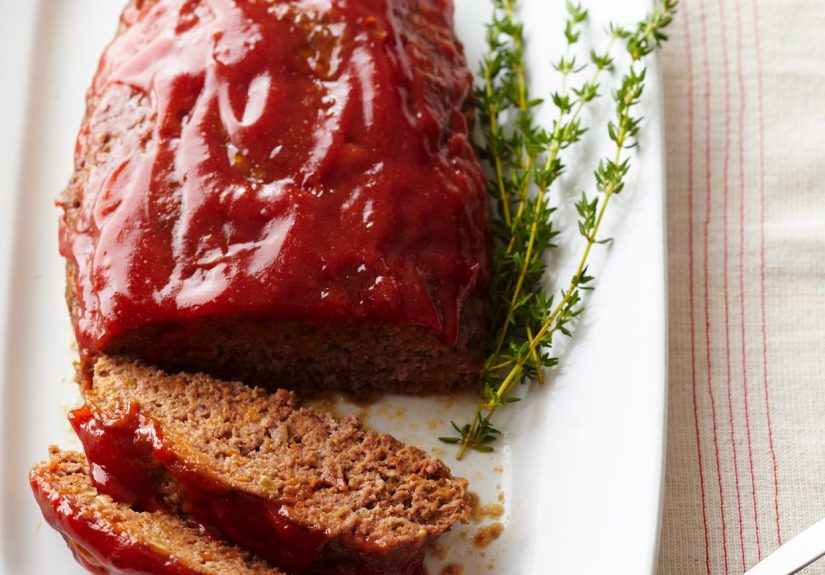
Meatloaf has a reputation problem. When it’s good, it’s comfort-food royalty: juicy slices, a tangy-sweet glaze, and leftovers that somehow taste even better at midnight. When it’s bad, it’s a beige brick that could qualify as home insulation.
The good news: moist and tender meat loaf isn’t luck. It’s a handful of repeatable movespart science, part common sense, and part “please stop squeezing the poor meat into submission.” This guide pulls together proven techniques from U.S. test kitchens, home-cook authorities, and food-safety guidance, then rewrites it into a foolproof playbook you can actually enjoy reading.
Why Meatloaf Dries Out (And Why It Gets Tough)
Dry meatloaf usually isn’t because you “didn’t add enough ketchup.” It’s because of two main villains:
- Overcooking: Ground meat tightens as it cooks. Push it too far and it squeezes out moisture, leaving you with sawdust vibes.
- Overmixing: The more you mash and stir, the more you develop a tight, bouncy texture. That’s great for a stress ball, not dinner.
Moisture isn’t just “liquid.” It’s also how well the loaf holds that moisture while the proteins set. The rest of this article is basically: how to keep your meatloaf from acting like a sponge you wrung out in anger.
The Moisture Blueprint: 6 Levers You Can Control
1) Choose the Right Meat (Fat Is a Feature, Not a Bug)
If you want moist meatloaf, start with ground meat that actually has some fat. A classic sweet spot is roughly 80/20 ground chuck (about 20% fat). Too lean (like 93/7) can turn dry unless you compensate aggressively with a panade and extra moisture.
Want next-level tenderness? Use a blend:
- Beef + pork: pork brings richness and a slightly softer bite.
- “Meatloaf mix” (beef/pork/veal): veal is naturally tender, but it can be pricier.
Translation: fat and variety help. This is dinner, not a punishment.
2) Use a Panade (Your Secret Weapon for Tender Meatloaf)
A panade is a simple paste of starch + liquid (often bread/breadcrumbs/crackers plus milk or stock). It’s not fillerit’s texture insurance.
Why it works: the starch absorbs liquid and forms a gel-like network that keeps the meat proteins from bonding too tightly. Result: a softer, more tender slice that stays juicy.
Easy panade options:
- Panko or fresh breadcrumbs + milk (classic)
- Crushed saltines + milk or buttermilk (extra tender, very forgiving)
- Oats + milk (hearty texture, great for weeknights)
How to do it: stir the crumbs/crackers with milk (or stock) and let it sit 5–10 minutes until thick and hydrated before mixing with meat.
3) Add Moisture the Smart Way (A.K.A. Don’t Dump Water In and Hope)
Moisture should come from ingredients that also add flavor and structure:
- Onions (but make them behave): grated onion melts into the loaf and adds moisture without chunky “raw onion boulders.”
- Sautéed aromatics: cooking onions/garlic first removes harshness and prevents crunchy bits.
- Stock instead of milk: adds savory depth. Works especially well with beef-and-bacon style loaves.
- Bonus tricks: a spoonful of tomato paste, Worcestershire, or Dijon boosts flavor without drying things out.
One caution: too much wet veg can make the loaf mushy and fragile. Moist and tender is the goalnot “meat pudding.”
4) The Gelatin Trick (For “Restaurant Juicy” Without Mystery)
If you’ve ever wondered why some meatloaves slice perfectly yet stay plump and juicy, here’s a pro move: unflavored gelatin.
Bloom a small amount of gelatin in cold stock (or milk/stock combo), then mix that liquid into your panade or directly into the meat mixture. As it bakes, the gelatin melts and helps the loaf retain moisture and a tender bite.
It’s optional, but if you’re using lean meat (turkey, chicken, or very lean beef), gelatin can be the difference between “wow” and “why is this so dry?”
5) Eggs and Binders: Enough to Hold, Not Enough to Rubberize
Eggs help bind the loaf, but more is not always better. Too much egg can make the texture springy. Most standard-size loaves (about 2 pounds of meat) do well with 1–2 eggs, depending on how much panade and add-ins you use.
6) Salt Timing: Flavor Matters, But Texture Does Too
Salt seasons, but it also helps proteins bind. That’s good for structurebut combined with aggressive mixing, it can push you toward a tight texture. The fix is simple: mix gently and briefly (more on that next).
Mixing: The Fastest Way to Ruin Meatloaf (So Let’s Not)
Mix Cold, Mix Gentle, Mix Just Until Combined
Keep ingredients cool. Warm fat smears; smeared fat can lead to a dense loaf. If your kitchen is toasty, pop the mixed bowl in the fridge for 10 minutes before shaping.
Then: use your hands like you’re folding a sweater, not kneading bread dough. Stop when everything is evenly distributed. If you can still see a few tiny streaks of panade or onion, congratulationsyou’re doing it right.
Shape Matters: Loaf Pan vs. Free-Form
A loaf pan seems logical, but it often traps steam and grease, effectively braising the sides. That can lead to a softer exterior and, ironically, a “boiled” vibe.
For the best of both worldsjuicy inside, better crusttry free-form on a lined sheet pan (or a rimmed baking sheet). Air circulates, the glaze caramelizes, and excess fat can render away instead of pooling.
If you love the tidy shape of a loaf pan, compromise: line it with parchment so you can lift the loaf out mid-bake and finish it on a sheet pan.
Baking: Moist Meatloaf Is a Temperature Game
Use a Thermometer (Yes, Really)
The single most reliable way to keep meatloaf moist is to avoid overcooking. Color lies. Time estimates are guesses. Your oven has moods.
For food safety in the U.S., ground meat mixtures like meat loaf should reach a safe internal temperature of 160°F. If you’re using ground poultry, target 165°F.
Pulling the loaf right at the safe temperature keeps it juicy. Overshooting by 10–15 degrees is where tenderness goes to die.
Best Oven Temperature
Most classic meatloaf recipes bake well around 350°F, which allows the center to cook evenly without turning the outside into jerky before the inside is done.
Resting: The “Don’t Bleed Out on the Cutting Board” Step
Let the meatloaf rest 10 minutes before slicing. This gives juices time to redistribute and the loaf time to firm up. Slice too early and you’ll watch your moisture escape like it just remembered it left the stove on.
Optional Moisture Hack: A Pan of Water
Some cooks swear by placing a pan of hot water on a lower rack to add humidity and reduce cracking. It’s not mandatory, but it can help if your oven runs dry or you’re working with lean meat.
The Glaze: Flavor, Shine, and a Tiny Bit of Protection
A glaze isn’t just decorationit adds a sticky, tangy layer that protects the surface from drying. Classic is ketchup-based, but you can level it up without making it complicated.
Quick Glaze Formula
- 1/2 cup ketchup
- 1–2 Tbsp brown sugar (or honey)
- 1 Tbsp vinegar (apple cider or balsamic)
- 1 tsp Worcestershire (optional but excellent)
- Pinch of black pepper or a dash of hot sauce
Brush some on near the end so it caramelizes instead of burning. If you want a glossy, lacquered top, glaze twice: once at the 20-minute mark, once near the finish.
A Foolproof “Moist Every Time” Meatloaf Method (With Flexible Ratios)
Use this as your mental template. You can swap flavors without breaking the texture.
Base Formula (About a 2-Pound Loaf)
- Meat: 2 lb 80/20 ground beef (or 1.5 lb beef + 0.5 lb pork)
- Panade: 1 cup breadcrumbs (or crushed crackers) + 1/2 cup milk/stock
- Eggs: 1–2 large eggs
- Aromatics: 1 small onion grated (or finely minced and sautéed)
- Seasoning: salt, pepper, garlic, Worcestershire
- Glaze: ketchup + sweet + acid
Step-by-Step
- Make the panade: mix crumbs + milk/stock; rest 5–10 minutes.
- Prep aromatics: grate onion (or sauté if you prefer mellow flavor).
- Combine gently: panade + aromatics + eggs + seasonings, then add meat and fold just until mixed.
- Shape free-form on a lined sheet pan into a neat loaf (not packed tight).
- Bake at 350°F until the center hits 160°F (165°F for poultry).
- Rest 10 minutes, slice, and accept compliments like you trained for this.
Troubleshooting: Fix the Common Meatloaf Crimes
“My Meatloaf Is Dry.”
- Use a thermometer and stop at the safe temp.
- Switch to 80/20 meat or add pork.
- Increase panade slightly (not doubleslightly).
- Consider gelatin if you’re committed to lean meat.
“It’s Tough and Dense.”
- You overmixed or packed it too firmly. Mix less. Shape lighter.
- Don’t use ultra-lean meat without compensation.
- Make sure the panade is fully hydrated before mixing.
“It Fell Apart When I Sliced It.”
- It needed more binder (egg/panade) or more resting time.
- Slice after a 10-minute rest with a sharp knife.
- Overly wet vegetables can weaken structurereduce or sauté to drive off moisture.
“It’s Greasy.”
- Too much fat can render out. Try 85/15 or drain excess fat carefully mid-bake.
- Free-form on a sheet pan helps rendered fat escape instead of pooling.
“It Cracked on Top.”
- Often a sign of overbaking or too-high heat.
- Glaze earlier, bake at 350°F, and consider adding a pan of water for humidity.
FAQ: Quick Answers for Busy Meatloaf People
Should I cover meatloaf with foil?
If you’re using lean meat, covering for the first part of baking can help reduce moisture loss. Uncover later to set the glaze.
Milk vs. stockwhat’s better?
Both work. Milk is classic and mild; stock adds savory flavor. The key is the panade, not the specific liquid.
Can I make meatloaf ahead?
Yes. You can mix and shape it, then refrigerate (covered) for up to a day. Bake straight from the fridge and add a few extra minutes, using the thermometer as the final word.
How do I keep turkey meatloaf moist?
Turkey is lean, so lean into the helpers: panade, sautéed aromatics, a little extra liquid, and (optionally) gelatin. Bake to 165°F and don’t go past it.
of Real-World Meatloaf Experience (The Stuff Recipes Don’t Warn You About)
Let’s talk about what actually happens in real kitchensbecause “mix gently” sounds easy until you’re hungry and the bowl is sliding around like it has places to be.
First, there’s the classic Loaf Pan Pool Party. You pull a beautiful meatloaf from the oven, only to find it sitting in a hot tub of grease. It’s not that the loaf is doomedit’s that a pan can trap rendered fat and steam. The fix feels almost too simple: form the loaf on a sheet pan, or lift it out of the pan partway through baking. Suddenly you get actual browning, the glaze clings better, and the slices don’t taste like they trained for the butter Olympics.
Then there’s The Onion Incident. Many home cooks have experienced it: you bite into a slice and meet a crunchy cube of onion that tastes like it time-traveled from the raw-vegetable dimension. The easy win is grating the onion so it disappears into the meat. If grating feels like extra effort, sauté the onion firstsame payoff, fewer surprise crunches, and nobody at the table asks, “Is this… al dente onion?”
Next: the Overmix Spiral. The mixture looks uneven, so you mix more. Then you notice a streak of egg, so you mix more. Then you remember you once heard “mix until it’s cohesive,” so you mix more. Congratulationsyou’ve accidentally made a bouncy meat brick. A better mindset is: mix the wet flavor base first (panade, eggs, onion, seasonings), then add the meat and fold only until it stops looking marbled. The loaf should look like it’s ready for the oven, not like it survived a wrestling match.
There’s also the Thermometer Denial Phase. People will time meatloaf down to the second, then slice it open like it’s a baked potato and “check if it looks done.” But color can lie, and “looks done” often means “already overcooked.” A thermometer takes the drama out of it: pull at the safe temp, rest, and your meatloaf stays juicy on purpose, not by accident.
Finally, let’s honor the underrated hero: leftovers. Moist, tender meatloaf has a magical second lifesandwiches with mayo and pickles, crispy slices in a skillet, breakfast hash, or a late-night fork straight from the fridge (no judgment, only respect). When you nail the moisture and tenderness, you’re not just making dinner. You’re making tomorrow’s best idea.
Conclusion
Moist and tender meat loaf comes down to a few repeatable habits: choose meat with enough fat, build a panade, add moisture with intention, mix gently, bake to the right internal temperature, and rest before slicing. Do that, and you’ll get a loaf that’s juicy, flavorful, and proudly sliceableevery single time.