Table of Contents >> Show >> Hide
- Why Dog Paws Get Cracked in the First Place
- How to Tell Mild Dryness from a Paw Problem That Needs a Vet
- How to Moisturize Cracked Dog Paws Safely
- How to Pick a Dog Moisturizer
- Can You Use Human Products on Cracked Dog Paws?
- Best Times to Use Paw Moisturizer
- How to Prevent Cracked Dog Paws
- Mistakes Owners Make with Cracked Dog Paws
- Real-World Experiences and Paw Care Lessons from Dog Owners
- Final Thoughts
Note: Remove any CMS-generated markers such as contentReference[oaicite] before publishing.
Dog paws are tough, but they are not indestructible little hiking boots. Between winter salt, hot sidewalks, rough trails, dry indoor air, and the occasional “I must sprint like a maniac across this parking lot” moment, paw pads can end up dry, rough, and cracked. The good news is that mild cracking is often manageable at home with smart cleaning, the right dog moisturizer, and a little consistency.
The trick is knowing the difference between dry paws that need moisture and injured paws that need a veterinarian. Not every flaky paw pad is a five-alarm emergency. But not every cracked paw should be treated with a random tube from the human skincare drawer either. Some products are fine as a temporary backup, while others can irritate the skin, cause stomach upset if licked off, or simply do a lousy job.
This guide walks you through how to moisturize cracked dog paws safely, what to look for in a dog moisturizer, which ingredients deserve a gold star, which ones deserve side-eye, and when it is time to stop playing home spa manager and call your vet.
Why Dog Paws Get Cracked in the First Place
Before you slather on balm like you are frosting a cupcake, it helps to know why your dog’s paws are dry. Paw pads normally feel a bit rough. That is part of their job description. They are built to grip, cushion, and protect. The problem starts when the surface becomes overly dry, stiff, thickened, or split.
Common everyday causes
Many cases of cracked dog paws start with simple environmental stress. Cold weather, snow, ice, and deicing salts can dry out the paw pads fast. In warm weather, hot pavement and rough ground can irritate or even burn them. Long runs on abrasive surfaces can also wear pads down faster than they can recover.
Indoor life can add to the problem too. Dry heated air in winter can leave skin and paw pads less flexible. Some dogs also get mild dryness from frequent paw washing, especially if the paws are not dried well afterward or if harsh cleansers are used.
Medical causes that can mimic “just dry paws”
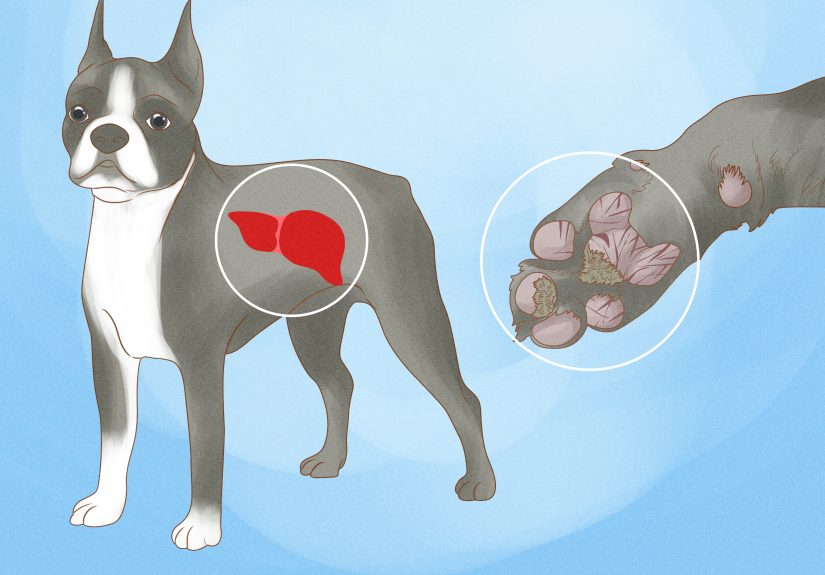
Sometimes cracked paws are not just a weather problem. Allergies, infections, inflammation of the paws, foreign material stuck between the toes, and a condition called hyperkeratosis can all make the pads look thick, crusty, or fissured. Hyperkeratosis happens when extra keratin builds up, making the pads harder, drier, and more likely to crack.
If all four paws look unusually thick, crusted, or hairy around the pads, or if the problem keeps coming back no matter how often you moisturize, it is smart to think beyond “my dog needs lotion” and consider a veterinary exam.
How to Tell Mild Dryness from a Paw Problem That Needs a Vet
Mild dryness usually looks like roughness, light flaking, or small superficial cracks without much pain. Your dog may walk normally and act completely unbothered. In those cases, a paw moisturizer and a few changes to your routine may be enough.
Call your veterinarian sooner rather than later if you notice any of the following:
- Deep cracks or fissures
- Bleeding
- Limping or obvious pain
- Swelling, redness, or warmth
- Pus, odor, or signs of infection
- Burns from hot pavement or chemicals
- A splinter, glass shard, thorn, or other object stuck in the paw
- Constant licking or chewing that will not quit
- Thick crusting on multiple paws that keeps returning
That last one matters. Owners often assume repeated cracking means “I need a stronger balm,” when the real answer may be allergies, infection, or hyperkeratosis. Paw balm is helpful, but it is not magic in a tin.
How to Moisturize Cracked Dog Paws Safely
If the cracks are mild and your dog is otherwise acting fine, you can usually try home care first. The goal is not to make the pads silky-soft like a facial moisturizer ad. The goal is to make them supple, protected, and less likely to split.
1. Clean the paws first
Always start with clean paws. Dirt, salt, grit, and chemical residue can get trapped in the cracks and make irritation worse. Rinse the paws with lukewarm water, or gently wash them with a mild pet-safe cleanser if they are especially dirty. Pay attention to the spaces between the toes, where salt and debris love to hide like tiny villains.
Avoid blasting sore paws with very hot water, and skip harsh soaps. Also skip hydrogen peroxide on open or irritated skin unless your veterinarian specifically tells you otherwise. It can be irritating and may slow healing.
2. Dry thoroughly
This step is wildly underrated. Pat the paws dry carefully, including between the toes. Moisture left sitting in the webbing can contribute to irritation, especially in dogs already prone to inflamed or itchy feet. Think “clean and dry” before “moisturized and shiny.”
3. Apply a thin layer of dog moisturizer
Use a thin layer, not a giant blob that turns your hallway into a slip-and-slide. Massage the product onto the paw pads and, if the label allows, lightly around the edges of the pads where cracking often starts. For winter exposure, some balms can also be applied between the pads and around the fur near the feet to form a protective barrier before a walk.
With paw balm, more is not always better. A small amount used regularly is usually more practical than one dramatic application that your dog instantly licks off while making intense eye contact.
4. Give the product time to absorb
After application, keep your dog occupied for a few minutes. Offer a lick mat, a chew, a stuffed toy, or some calm cuddle time. Some owners put lightweight socks on for a short supervised period, but only if the dog tolerates them and walks safely. The point is to let the moisturizer sit long enough to do something besides become an expensive snack.
5. Repeat consistently
For mild dryness, once or twice daily for several days is often more useful than a random “spa night” once a month. If the paws improve, scale back to maintenance use during bad weather, long hikes, or dry indoor seasons. If the paws do not improve, or get worse, it is time for the vet.
How to Pick a Dog Moisturizer
The pet aisle is full of products that promise happy paws, heroic paws, buttery paws, and paws so moisturized they could probably write a memoir. Instead of getting distracted by cute packaging, focus on function.
Look for these features
- Made for dogs: Dog-specific products are usually the safest first choice because they are designed with licking in mind.
- Simple ingredients: Short ingredient lists are easier to evaluate and less likely to contain irritating extras.
- Fragrance-free or lightly scented: Strong fragrance is unnecessary and may irritate sensitive skin.
- Barrier + moisture support: Good paw products often soften the pad while also adding a protective layer against weather and rough surfaces.
- Easy texture: A balm, wax, or butter is usually more practical than a runny lotion for paw pads.
Ingredients that are commonly helpful
Many well-regarded dog paw balms rely on ingredients such as beeswax, shea butter, coconut oil, and vitamin E. These ingredients can help soften dry pads and create a protective barrier. A waxier balm can be especially useful before winter walks, while a softer butter-style product may feel better for at-home recovery.
Beeswax is popular because it helps form a protective coating. Shea butter is often chosen for its smoothing and softening effect. Coconut oil shows up in many DIY and commercial paw balm formulas, and vitamin E is commonly included in skincare products for extra support.
What to be cautious about
Be skeptical of moisturizers loaded with fancy extras your dog did not ask for. Paw pads do not need perfume, glittery marketing language, or a spa soundtrack.
- Concentrated essential oils: Some essential oils, especially tea tree oil, can be toxic or irritating to dogs.
- Heavy fragrance: Fragrance can irritate already compromised skin.
- Human medicated creams: These may contain ingredients that are not ideal if licked or used repeatedly without guidance.
- Zinc oxide products: Some diaper-rash creams and other human skin products contain zinc oxide, which can be a problem if ingested.
- Anything with vague labeling: If the product will not clearly tell you what is inside, let that moisturizer remain a mystery.
Can You Use Human Products on Cracked Dog Paws?
The honest answer is: sometimes, but dog products are usually the better bet. Some veterinarians and animal-care organizations note that petroleum jelly can be used as a temporary protective barrier, especially in winter, and some owners use products like Aquaphor in mild cases. But that does not mean every human moisturizer belongs on your dog.
If you need a short-term backup and your vet agrees, a small amount of plain petroleum jelly may help protect paws from salt and cold weather. Still, dog-specific paw balm is usually more practical because it is made for paw pads, more likely to stay put, and less likely to contain ingredients that create trouble if licked.
As a rule, avoid raiding the human medicine cabinet for diaper creams, strongly fragranced lotions, essential-oil blends, or medicated ointments unless your veterinarian specifically says yes. Your dog is not a tiny hairy human with four feet and poor decision-making. Different species, different rules.
Best Times to Use Paw Moisturizer
After walks
If your dog has been on salt-treated sidewalks, rough trails, or dry winter pavement, cleaning and moisturizing after the walk makes sense. This is a solid recovery routine for dogs prone to rough or flaky pads.
Before walks in bad weather
In winter, a waxy paw balm can work as a protective barrier before going outside. It is not a force field, but it can help reduce direct contact with ice, salt, and chemical deicers. In especially harsh conditions, booties offer even more protection.
During flare-ups of mild dryness
If the pads feel rough, look dull, or have minor surface cracks, use moisturizer consistently for several days rather than waiting for the paws to become a crunchy science project.
How to Prevent Cracked Dog Paws
Moisturizing helps, but prevention is better. Once the paws heal, keep them from sliding right back into trouble.
- Rinse or wipe paws after winter walks to remove salt and deicing chemicals.
- Dry thoroughly, especially between the toes.
- Walk during cooler parts of the day in hot weather.
- Avoid rough, scorching, icy, or chemical-covered surfaces when possible.
- Use booties for dogs that tolerate them.
- Keep paw fur neatly trimmed if it traps snow, ice balls, or debris.
- Check paws regularly so small problems do not become dramatic ones.
Prevention works best when it becomes routine. Dogs are wonderfully consistent about getting their paws dirty, so owners have to be wonderfully consistent about checking them.
Mistakes Owners Make with Cracked Dog Paws
Using random human lotions
This is the classic move. You notice dry paws, you grab whatever moisturizer is closest, and suddenly you are applying lavender-vanilla-cashmere hand cream to a Labrador. Respectfully, no. Dog paws need simple, safe products.
Skipping the cleaning step
Moisturizer works better on clean skin. If you apply balm over salt, dirt, or grime, you are basically marinating the paw pads in trouble.
Ignoring licking
If your dog licks nonstop after application, you may need less product, a different texture, better distraction, or veterinary guidance. A product cannot help much if it leaves the paw three seconds after arrival.
Waiting too long to get help
Deep cracks, limping, swelling, bleeding, or a foul smell are not “see how it goes for another week” situations. That is vet territory.
Real-World Experiences and Paw Care Lessons from Dog Owners
One of the most common experiences owners describe is the “winter surprise.” Their dog seems totally fine on walks, then one day starts licking the feet like they owe them money. A closer look reveals dry, rough pads and redness between the toes. In many of these cases, the fix starts with something beautifully boring: rinse the paws after every walk, dry them well, and use a dog-safe balm consistently. Not glamorous, but effective.
Another familiar scenario is the weekend adventure dog. This is the pup who spends Saturday on hiking trails, gravel paths, or long urban walks and wakes up Sunday acting like the ground has personally offended them. Owners often assume the dog needs rest alone, but paws may be part of the story. A recovery routine after big outings, including a quick paw check and a light balm application, can make a noticeable difference.
Then there is the dog who hates booties with the passion of a thousand tiny suns. Many owners try boots, get a full comedy routine of high stepping and dramatic collapse, and give up. For those dogs, paw balm becomes the middle ground. It will not replace booties in extreme weather, but it can still help reduce dryness and irritation when used before and after walks.
Senior dog owners often report another pattern: the paws slowly become thicker, rougher, and more brittle over time. These dogs may not just be dry. They may be dealing with age-related skin changes or hyperkeratosis. Moisturizer can help soften the surface and improve comfort, but the biggest lesson many owners learn is that repeated cracking deserves a vet conversation, not endless product swapping.
Picky dogs create their own challenge. Some will tolerate one balm texture and reject another immediately. Owners often find that a firmer wax is better before a walk, while a softer balm works better at bedtime. A little trial and error is normal. The best product is not necessarily the fanciest one. It is the one your dog tolerates, you remember to use, and the paws actually respond to.
Owners of allergy-prone dogs also share a hard-earned lesson: sometimes the paw problem is not dryness at all. It is inflammation, itching, or infection that just happens to make the pads look rough. If your dog is licking constantly, has reddish fur staining, or keeps having foot flare-ups, moisturizer alone may never solve it. In those cases, the most effective “paw product” is often the right diagnosis.
And finally, almost every experienced dog owner learns this truth eventually: paw care is easier when it is routine. A ten-second paw inspection after a walk can catch tiny cracks, stuck grit, or early irritation before it turns into limping, bleeding, or a late-night internet search spiral. The best paw care habits are usually the least dramatic ones, which is rude, because dramatic solutions are so much more fun.
Final Thoughts
If your dog has mildly cracked paws, start simple: clean, dry, moisturize, protect, and repeat. Choose a dog-specific balm with straightforward ingredients like beeswax, shea butter, coconut oil, or vitamin E, and be cautious with fragranced human products, concentrated essential oils, or zinc oxide creams. For many dogs, that steady routine is enough to turn rough, unhappy paws back into comfortable ones.
But remember the golden rule of paw care: mild dryness can be managed at home, while pain, bleeding, swelling, limping, burns, infection, or ongoing thick crusting deserve veterinary attention. Your dog’s paws do a lot of heavy lifting. Treat them like the hard-working little shock absorbers they are.